Key Takeaways
- Hormonal imbalances can arise from a broad spectrum of factors, including stress, nutrition, and underlying health conditions.
- Common signs include unexplained fatigue, mood instability, sleep disturbances, and weight changes.
- Effective solutions may include medications, lifestyle modifications, or, in some cases, surgical intervention.
Table of Contents
- What Are Hormonal Imbalances?
- Common Causes of Hormonal Imbalances
- Recognizing the Symptoms
- Diagnosing Hormonal Imbalances
- Treatment Options
- Lifestyle Changes to Support Hormonal Balance
- When to Seek Professional Help
- Conclusion
Hormonal imbalances are more than just temporary fluctuations; they can disrupt daily life and have a pronounced effect on both physical and mental well-being. For anyone experiencing unexplained symptoms such as mood changes or fatigue, knowing where to seek expert evaluation is crucial. GYN Solutions & Aesthetics offers professional guidance and tailored treatment plans for those struggling with hormonal health issues.
From subtle changes in energy levels to more pronounced disruptions such as irregular menstrual cycles, hormonal imbalances can manifest in various ways. Understanding their causes, recognizing their symptoms, and knowing available treatment options can empower individuals to take charge of their health and improve their quality of life.
What Are Hormonal Imbalances?
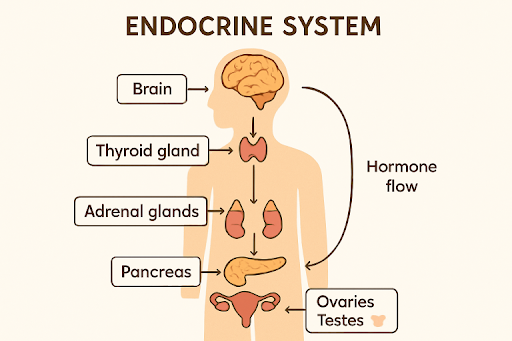
Hormones are critical signaling molecules produced by specialized glands in the endocrine system. These chemical messengers regulate essential processes like metabolism, energy production, reproduction, and even mood. When the normal levels of these hormones are disrupted—whether due to deficiency or excess—the body’s equilibrium is disturbed, leading to a range of symptoms and health concerns. Hormonal imbalance isn’t restricted to women or a particular age group; men and children can also be affected.
Common Causes of Hormonal Imbalances
Several contributors may lead to an imbalance in hormone levels, with both lifestyle factors and medical issues playing prominent roles. Chronic stress elevates cortisol, which can suppress other hormones and disturb normal regulatory cycles. Diets high in processed foods, sugars, and trans fats not only spike insulin levels but may also affect thyroid and reproductive hormones over time. Certain medications, including birth control and steroids, disrupt natural production cycles. Moreover, underlying medical conditions such as polycystic ovary syndrome (PCOS), thyroid disorders (like hypothyroidism or hyperthyroidism), and adrenal gland dysfunction are well-documented clinical causes of hormonal irregularities.
Recognizing the Symptoms
Hormonal imbalances are often challenging to diagnose based solely on symptoms because they overlap with other common disorders. Nevertheless, several hallmark symptoms frequently occur:
- Chronic fatigue and low energy despite adequate rest
- Unexplained weight gain or sudden weight loss
- Mood swings, anxiety, or increased irritability
- Irregular menstrual cycles or fertility issues
- Difficulties with sleep, including insomnia or fragmented rest
Less commonly, people might experience hair thinning, acne, hot flashes, and muscle weakness. As these signs can often be mistaken for stress or lifestyle issues, a medical evaluation is essential for an accurate diagnosis.
Diagnosing Hormonal Imbalances
Proper diagnosis involves a multifaceted approach. Health professionals commonly begin with a physical exam and detailed medical history. Blood tests are widely used to measure specific hormone concentrations, including thyroid, cortisol, estrogen, testosterone, and insulin. In some cases, additional imaging—such as ultrasound or MRI—may be necessary to evaluate glandular structures or detect growths, such as nodules or tumors. An individualized diagnosis is critical to forming an effective management strategy.
Treatment Options
The pathway to restoring hormonal balance depends largely on the root cause. First, if the imbalance stems from a glandular disorder (such as hypothyroidism or PCOS), specific medications may be prescribed to supplement or regulate hormone levels. Hormone replacement therapy (HRT) can address menopausal symptoms or testosterone deficits, while medications like birth control pills may help manage menstrual cycle disruptions. Some individuals may choose to complement medical therapies with natural supplements, but scientific evidence supporting their efficacy is limited. In rare cases, where tumors or structural abnormalities are involved, surgical intervention may be recommended. According to Healthline, discussing all available options with a healthcare provider can lead to safer, more effective outcomes.
Lifestyle Changes to Support Hormonal Balance
Beyond medical treatment, several evidence-based lifestyle modifications can support hormonal health:
- Balanced Diet: Emphasize nutrient-rich foods, especially fiber, healthy fats such as omega-3s, and lean proteins, to stabilize blood sugar and support endocrine function.
- Regular Physical Activity: Consistent exercise helps regulate insulin and cortisol levels, maintain muscle mass, and reduce symptom severity.
- Stress Reduction: Meditation, deep breathing, yoga, or other mindfulness practices can lower chronic stress, which is linked with cortisol dysregulation.
- Prioritizing Restful Sleep: Establish a sleep routine, keep electronics out of the bedroom, and aim for 7–9 hours of sleep each night to allow the body’s natural hormone cycles to reset.
When to Seek Professional Help
Persistent or worsening symptoms should never be ignored. If diet, exercise, and sleep modifications fail to relieve symptoms or if significant changes occur suddenly, consulting a healthcare professional is essential. Early assessment can help prevent complications and enable prompt intervention.
Conclusion
Empowering yourself with knowledge about hormonal health—and knowing when to seek guidance from experienced providers—can make a significant difference in how you feel daily. By recognizing potential warning signs, exploring all treatment options, and making informed lifestyle changes, achieving long-term hormonal balance and improved well-being is possible.