Table of Contents
- Introduction
- Enhancing Security and Theft Prevention
- Streamlining Operations and Boosting Productivity
- Ensuring Employee Safety and Well-being
- Data-Driven Insights for Informed Decision-Making
- Balancing Surveillance with Employee Privacy
- Future Trends in Workplace Surveillance
In contemporary workplaces, technology is driving profound changes in security and daily operations. Modern surveillance systems are more than just cameras on the wall; they are tools that enhance workplace safety, streamline processes, and deliver valuable insights to support better decision-making. As these intelligent solutions become more popular, businesses cannot only protect their assets but also create more effective work environments. For organizations seeking innovative solutions, experts at https://nextlevelus.com/security-cameras-for-business/ offer practical guidance on integrating surveillance technology into business settings.
As workplace needs evolve, leaders seek ways to maximize efficiency while maintaining a secure, comfortable environment for employees. Surveillance technologies, including smart cameras and advanced analytics, play a crucial role in addressing modern challenges by providing real-time monitoring and actionable data. These systems are no longer just for loss prevention; they now offer tools that enhance operational efficiency and support overall business growth.
Enhancing Security and Theft Prevention
Surveillance systems have become indispensable tools for protecting business assets. High-resolution cameras equipped with features such as facial recognition and motion detection can deter theft and vandalism before incidents escalate. These technologies make it easier for security personnel to monitor sensitive areas and respond promptly to suspicious behavior. For example, digital surveillance with intelligent software can track unauthorized entries into off-limits areas, sending real-time alerts for immediate action.
When employees and visitors know that the premises are monitored, the likelihood of internal and external theft drops significantly. This visible deterrent, along with the system’s ability to compile evidence in case of incidents, creates a more secure environment and protects a company’s reputation. Reliable surveillance also helps reduce losses due to inventory shrinkage, making it an effective investment for large and small businesses alike.
Streamlining Operations and Boosting Productivity
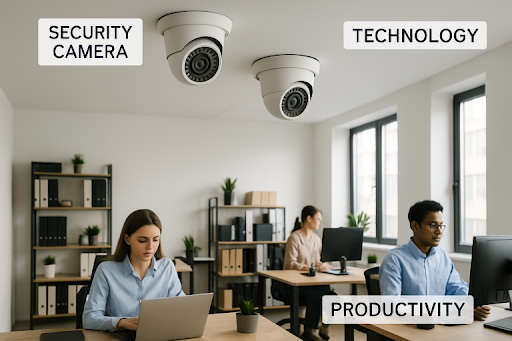
Surveillance solutions are now designed to support daily operations beyond basic security. By enabling real-time oversight, managers can monitor workflows and identify bottlenecks or inefficiencies. This insight enables more precise resource and staff allocation, ensuring operations run at their best. For example, surveillance footage can reveal patterns such as frequent congestion in certain departments, which can then inform adjustments to scheduling or workspace layout.
Data from video monitoring systems is a critical component in performance analysis. Reviewing this data allows leadership to understand the root causes of productivity issues and to tailor employee training accordingly. In many cases, after adopting modern surveillance, companies report improved output and fewer disruptions. These outcomes underscore the broader impact of surveillance in promoting a culture of continuous improvement and accountability.
Ensuring Employee Safety and Well-being
Protecting employees should be a priority for any organization, and modern surveillance helps create safer workplaces. Smart systems monitor compliance with safety protocols and identify dangerous conditions such as blocked evacuation routes or hazardous materials. Automated alerts flag potential risks quickly, helping managers take corrective action before accidents occur.
An ongoing commitment to safety, reinforced by surveillance, can drive higher job satisfaction and trust among employees. When workers see that their well-being is valued, retention rates tend to rise. In environments where regulations require strict safety measures, such as warehouses or manufacturing plants, surveillance plays an essential role in meeting compliance standards and preventing injuries.
Data-Driven Insights for Informed Decision-Making
Perhaps one of the most significant contributions of surveillance technology is its ability to provide actionable insights. Video analytics measure everything from employee efficiency to customer engagement, helping decision-makers understand what is working well and where improvement is needed. This data-driven approach supports better planning, whether adjusting staffing levels or redesigning customer service processes.
In addition, advanced surveillance platforms integrate seamlessly with other workflow tools, offering a comprehensive view of business operations. Management can quickly review trends or identify outliers, enabling them to make timely decisions. The analytical depth provided by these systems enhances performance reviews and can lead to cost savings across the organization.
Balancing Surveillance with Employee Privacy
While surveillance systems bring undeniable benefits, businesses must use them responsibly. Clear policies are vital for setting expectations and ensuring legal compliance. Employees should be informed about what is being monitored and why. Transparent practices help build trust and reduce anxiety about constant observation. Surveillance should focus on legitimate business needs and avoid invading private areas or tracking employees during off-hours.
Respecting privacy is not only a legal requirement in many areas; it is also fundamental to cultivating a positive workplace culture. Striking the right balance between oversight and respect for individual rights ensures that surveillance serves its purpose without damaging morale or productivity.
Future Trends in Workplace Surveillance
The future of workplace surveillance is shaped by emerging technologies such as artificial intelligence and cloud computing. AI-driven systems will be able to recognize patterns and predict potential incidents, allowing businesses to act before issues become critical. Machine learning models will improve over time, making systems smarter and more efficient.
Additionally, cloud-based surveillance platforms offer scalability and remote access, making it easier for organizations to expand and adapt their security infrastructure. This flexibility will be essential as more companies embrace hybrid work and distributed teams. Investing in cutting-edge surveillance technologies promises to deliver smarter, more agile workplaces responsive to new security and operational demands.
In conclusion, the role of modern surveillance systems goes far beyond traditional security. By improving safety, enhancing efficiency, and providing deep analytical insights, these solutions empower businesses to foster smarter and safer workplaces. As advancements continue, companies that thoughtfully integrate surveillance into their culture will be best positioned to thrive in an ever-evolving business environment.