Key Takeaways
- Agnostic telecommunications solutions offer businesses flexibility by integrating diverse technologies without vendor lock-in.
- These solutions enhance network reliability and cost-effectiveness by selecting best-of-breed products tailored to specific needs.
- Adopting an agnostic approach positions businesses to adapt swiftly to technological advancements and market changes.
Table of Contents
- Introduction
- Understanding Agnostic Telecommunications
- Benefits of an Agnostic Approach
- Implementing Agnostic Solutions
- Real-World Applications
- Challenges and Considerations
- Future Trends
- Conclusion
Introduction
Today’s businesses operate in an environment where adaptable, reliable communication is essential. Traditional telecom models often leave organizations constrained by their commitment to a single vendor, hindering agility and innovation. By embracing agnostic telecommunications solutions, organizations can tap into a mix of technologies and providers to craft a custom-built communication infrastructure that aligns perfectly with their unique needs and future ambitions. For local businesses seeking greater adaptability, options like NJ business voice services showcase the potential of agnostic solutions to deliver scalable, integrated connectivity without the restrictions of a single-vendor strategy.
The rise of this agnostic approach equips organizations not only with the right tools but also with the freedom to adapt as the landscape evolves. In a highly competitive and fast-changing digital economy, this flexibility is a core advantage, promoting innovation while maintaining network resilience.
A move away from vendor lock-in enables businesses to mitigate risks from service outages, pursue cost efficiencies, and leverage emerging technologies as they emerge. As today’s networks become increasingly complex, blending on-premises and cloud-based solutions alongside cutting-edge collaborative tools, choosing best-in-class components for each scenario is vital for long-term success.
Security, reliability, and performance all benefit from a diverse ecosystem of providers and platforms. Instead of being limited by a provider’s particular strengths or weaknesses, modern organizations can use this strategy to precisely address operational pain points and to outpace competitors in both innovation and responsiveness to new challenges.
Organizations also need reliable internet partnerships for comprehensive connectivity. Exploring options for a dependable business internet provider in NJ can further support operational goals while aligning with an agnostic telecommunications model.
The rise of this agnostic approach equips organizations not only with the right tools but also with the freedom to adapt as the landscape evolves. In a highly competitive and fast-changing digital economy, this flexibility is a core advantage, promoting innovation while maintaining network resilience.
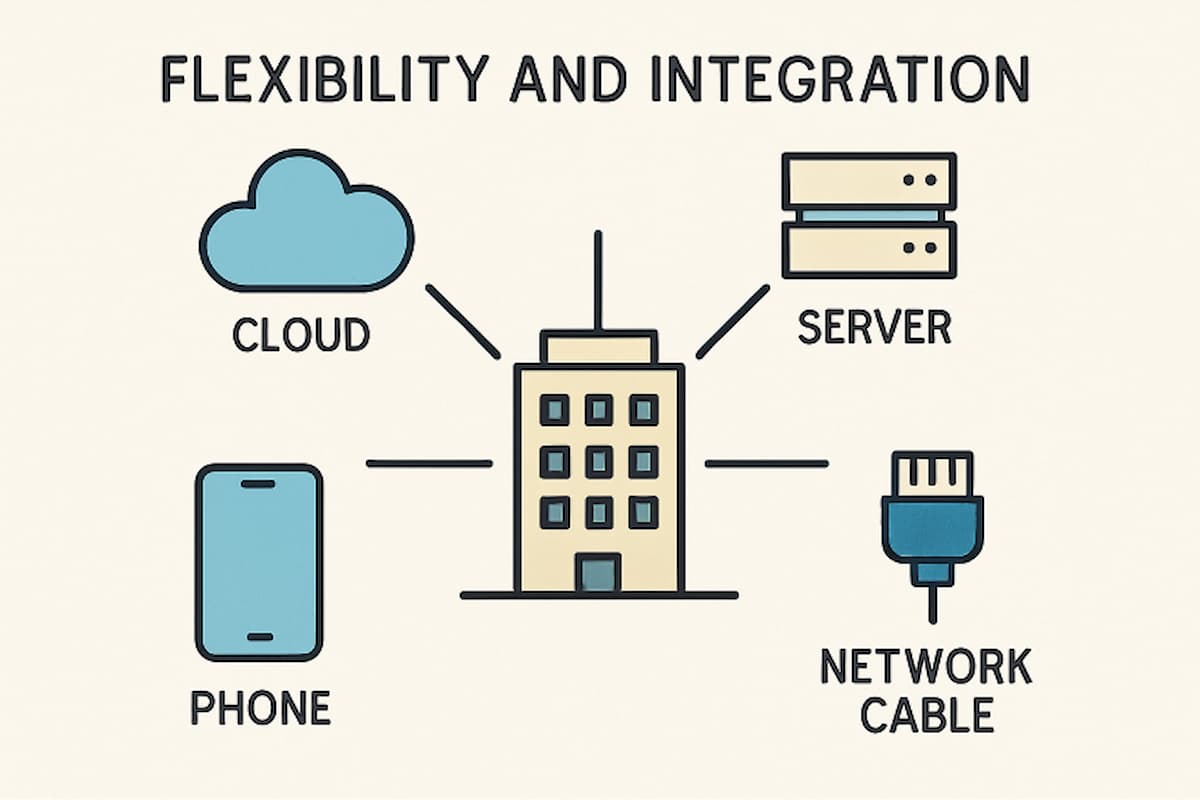
A move away from vendor lock-in enables businesses to mitigate service outage risks, pursue cost efficiencies, and leverage emerging technologies as they emerge. As today’s networks become increasingly complex, blending on-premises and cloud-based solutions alongside cutting-edge collaborative tools, choosing best-in-class components for each scenario is vital for long-term success.
Security, reliability, and performance all benefit from a diverse ecosystem of providers and platforms. Instead of being limited by a provider’s particular strengths or weaknesses, modern organizations can use this strategy to precisely address operational pain points and to outpace competitors in both innovation and responsiveness to new challenges.
Organizations also need reliable internet partnerships for comprehensive connectivity. Exploring options for a dependable business internet provider in NJ can further support operational goals while aligning with an agnostic telecommunications model.
Understanding Agnostic Telecommunications
Agnostic telecommunications refers to designing and deploying networks without loyalty to a single vendor or technology. Rather, it prioritizes solutions that can integrate products and platforms from multiple sources. This model enables companies to assemble a best-of-breed system that evolves with their needs and with the market’s latest breakthroughs.
Through the agnostic philosophy, IT leaders can avoid the traditional pitfalls of vendor dependency, including proprietary lock-in, slow response to technology transitions, and limited customizability. Instead, they gain the autonomy to select the optimum tool or service for each critical function, be it voice, data, networking, or security, ensuring seamless interoperability throughout their communications environment.
Benefits of an Agnostic Approach
- Flexibility: When new technologies emerge or business needs shift, agnostic solutions enable rapid upgrades and changes without incurring overhaul costs or legacy constraints.
- Cost-Effectiveness: Companies can shop competitively, often leading to better pricing, improved feature sets, and reduced operational costs over time.
- Enhanced Reliability: Reducing dependence on any single provider minimizes the impact of outages or disruptions, bolstering business continuity planning and day-to-day resilience.
Implementing Agnostic Solutions
- Assess Current Infrastructure: Begin by reviewing existing systems to spot inefficiencies and potential for better integration.
- Define Requirements: Outline clear goals and operational needs to guide the selection process, including security, bandwidth, uptime, and scalability considerations.
- Engage with Multiple Vendors: Research and consult with a broad array of providers to compare offerings across functionalities and support.
- Ensure Compatibility: Confirm that selected solutions will work well together, supporting interoperability and smooth workflow integration.
- Plan for Scalability: Design the network with future growth and change in mind, actively choosing technologies known for their adaptability.
Real-World Applications
Agnostic telecommunications is not just a theoretical strategy; it is being put to work by organizations both large and small. Many companies are blending on-site servers with cloud-based collaboration and data backup platforms, eliminating reliance on any single infrastructure type. The use of software-defined networking (SDN) empowers businesses to allocate network resources dynamically, adjusting in real time to workload demands, new market opportunities, or remote workforce expansion. According to ZDNet, hybrid cloud strategies driven by agnostic principles are becoming the standard for companies seeking strong digital agility and continuity.
Challenges and Considerations
- Complexity: Orchestrating solutions from multiple vendors requires specialized skill sets and ongoing oversight to prevent service gaps or inefficiencies.
- Integration Issues: Achieving seamless operation across diverse platforms sometimes reveals compatibility concerns that must be resolved through careful planning and collaboration.
- Security Concerns: A heterogeneous environment can expose networks to unique threats, demanding rigorous vetting and robust, proactive incident response strategies. Guidance from industry standards and frameworks, such as those outlined by CSO Online, can be invaluable in supporting secure, multi-vendor networks.
Future Trends
The push toward vendor-neutral telecommunications models is supported by trends such as the integration of artificial intelligence (AI) and the expansion of software-defined capabilities. The emergence of the “Telco AI Factory” model is raising the bar for telecom innovation, enabling intelligent automation throughout operations, customer service, and product development. AI-driven, agentic networks are now paving the way for self-optimizing infrastructure, as a recent Forbes overview shows. These intelligent networks promise faster responses to market shifts, improved customer experience, and lower management overhead through enhanced automation and analytical insight.
Conclusion
Agnostic telecommunications empower businesses with unmatched flexibility, reliability, and adaptability as they assemble future-ready networks tailored precisely to their needs. By moving beyond single-vendor dependencies and embracing an open, best-in-class approach, organizations can face technological changes and market demands with confidence. This strategic shift enhances operational resilience, encourages continuous innovation, and ultimately positions businesses for enduring success in an ever-evolving digital marketplace.