Table of Contents
- Understanding Spinal Decompression Therapy
- Debunking Common Myths
- Modern Approaches and Technological Advancements
- Who Can Benefit from Spinal Decompression?
- Conclusion
For millions of people, chronic back pain disrupts daily life, limiting movement and reducing overall well-being. As traditional options such as surgery or medication carry risks and side effects, many individuals explore non-surgical alternatives. One such option is spinal decompression therapy. With its growing popularity, a number of myths and misunderstandings persist about how it works and who can benefit. By setting the record straight and delving into the latest technological advancements, you can make informed decisions about your treatment path.
Non-surgical spinal decompression involves the gentle stretching of the spine, which creates negative pressure within the discs. This process helps retract bulging or herniated disc material and facilitates the flow of nutrients and oxygen. While some confusion remains about what patients should expect, those considering spinal decompression therapy may find it to be a safe and effective approach. Read on to uncover the facts and modern developments shaping this potential solution for back and neck discomfort.
Understanding Spinal Decompression Therapy
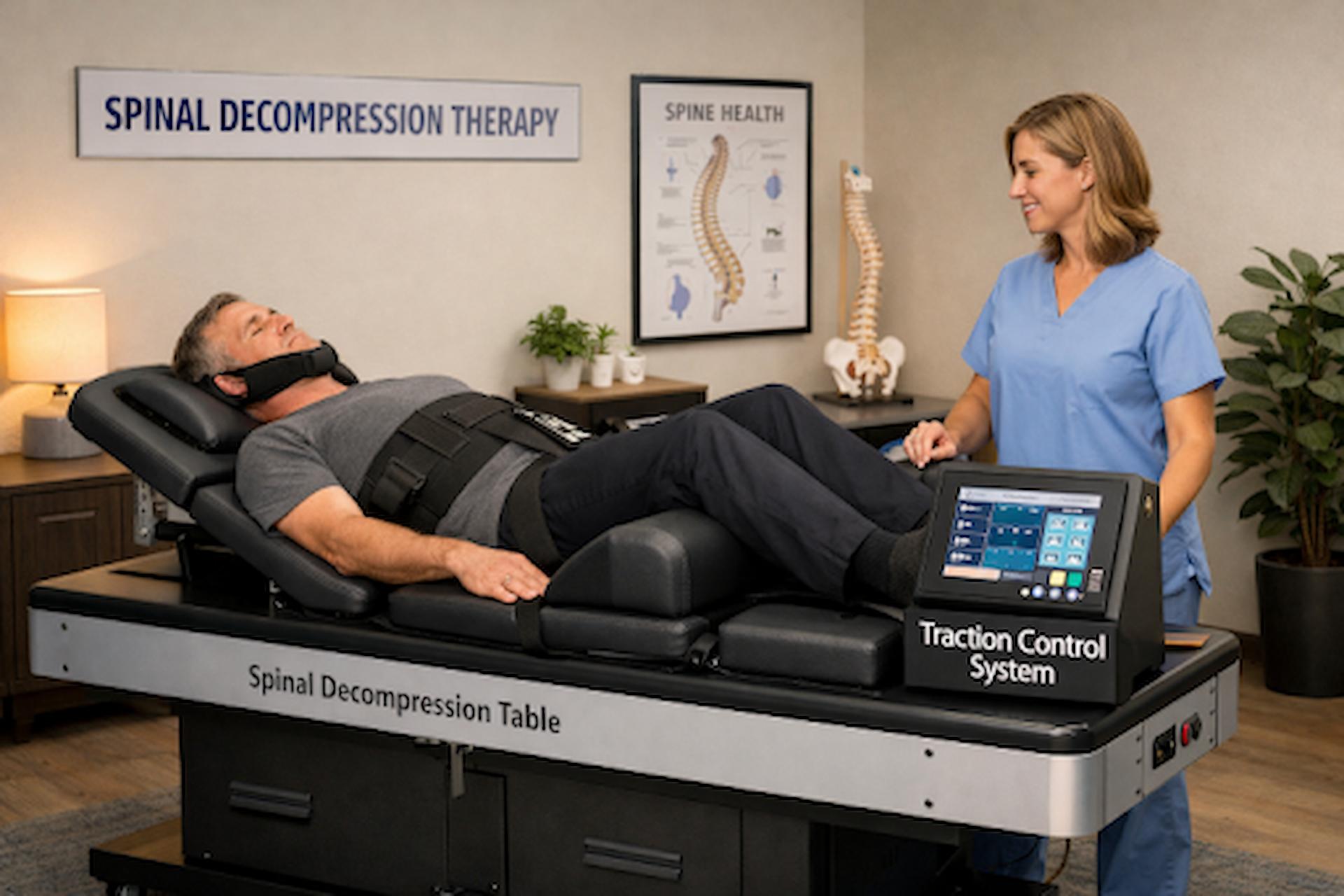
Spinal decompression therapy is designed to address pain resulting from nerve impingement, often caused by herniated discs, bulging discs, or degenerative disc conditions. The core principle involves using a traction table or similar device with computer-controlled movements to administer mechanical forces along the spine. As the treatment gently separates vertebrae, it creates a vacuum-like effect that reduces disc pressure and encourages the repositioning of displaced material. It also fosters the flow of nutrients, water, and oxygen into spinal discs, which are key to recovery and disc health.
Unlike conventional traction techniques, decompression therapy employs precise and dynamic adjustments to match the patient’s unique spinal contour and pressure tolerance. This innovation allows for more consistent, comfortable, and effective therapy sessions, often resulting in improved outcomes for patients with back and neck symptoms due to disc pathology. For further reading on the principles of spinal health and management, you may refer to information from the Mayo Clinic.
Debunking Common Myths
Myth 1: Spinal Decompression Therapy Is Painful
A major misconception is that spinal decompression is a painful process. In reality, patients typically experience a gentle pulling sensation or slight stretching of the spine, and most find the sessions relaxing. The therapy avoids abrupt movements and instead relies on progressive and carefully calibrated tension, minimizing discomfort during and after treatment. It is rare for patients to report pain, and any sensations felt are usually mild and temporary.
Myth 2: It Is Only for Severe Back Problems
While spinal decompression is often recommended for severe cases such as herniated discs or sciatica, it is not limited to these conditions. Individuals with chronic or moderate back and neck discomfort, especially those seeking non-invasive alternatives before considering surgery, may benefit. Early intervention through decompression can prevent worsening of symptoms and help maintain spinal health in the long term. As with any treatment, a personalized consultation helps determine suitability.
Myth 3: Results Are Immediate
Relief from spinal decompression therapy does not usually occur instantly. Like most rehabilitative processes, the desired outcomes develop over multiple sessions. The standard treatment protocol may involve 15 to 30 sessions spread over several weeks for optimal healing and stabilization. Continuity and adherence to the recommended regimen play a central role in achieving lasting pain relief and functional improvement. Patients are encouraged to maintain realistic expectations, as consistent effort produces the best results over time.
Modern Approaches and Technological Advancements
Recent technological progress has transformed non-surgical spinal decompression. Treatment tables now feature integrated sensors that monitor muscle resistance, allowing the system to make real-time adjustments to force and angle. Computer-guided protocols reduce human error and customize every session according to the patient’s progress and feedback. These systems maximize comfort, ensure safety, and tailor the process for various spinal levels and conditions.
Some advanced decompression therapies are complemented by adjunctive modalities such as heat, electrotherapy, and manual techniques. This integrative approach may promote circulation, accelerate healing, and increase functional outcomes for those with persistent spinal complaints. Innovations continue to emerge, expanding the range of people who may find relief through spinal decompression and supporting its reputation as a modern alternative for back and neck pain management. For a broader look at the evolution of spine treatments, visit this article by Harvard Health.
Who Can Benefit from Spinal Decompression?
Spinal decompression therapy is often chosen by those affected by:
- Herniated or bulging spinal discs
- Degenerative disc disease
- Facet joint syndrome
- Chronic neck or back pain unresponsive to other treatments
- Sciatica or radiating leg pain due to lumbar spine issues
In most cases, a thorough assessment by a spine specialist or healthcare professional ensures appropriate patient selection. However, spinal decompression may not be suitable for those with spinal fractures, tumors, advanced osteoporosis, or recent spinal surgery. Each patient’s unique health status and history are considered in the decision-making process to prioritize safety and effectiveness of the therapy.
Conclusion
Spinal decompression therapy stands as a robust option for those seeking non-invasive relief from chronic back and neck pain. Myths about discomfort and limited applicability often deter people unnecessarily. In truth, when approached with realistic expectations and guided by modern advancements, decompression therapy can deliver significant relief and a pathway to improved mobility. Always consult with a qualified provider to explore whether spinal decompression aligns with your personal health goals and needs.