Table of Contents
- Introduction: Making Smart Borrowing Decisions for Education
- Understanding the True Cost of College
- Exploring All Financial Aid Options
- Choosing Between Federal and Private Loans
- Assessing Future Earning Potential
- Implementing Financial Literacy Education
- Utilizing Financial Planning Tools
- Seeking Professional Financial Counseling
- Staying Informed About Loan Terms and Conditions
- Long-Term Strategies for Managing Student Debt
- Conclusion: Building a Strong Financial Future
Making the right decisions about how to finance a college education is more important than ever. The cost of tuition, housing, and daily expenses continues to rise, adding new challenges for students and their families. Before accepting any funds, students should thoroughly consider their options and the long-term consequences. For those considering private loans for college, it’s important to be well-informed and weigh all available choices carefully to prevent excessive debt and financial stress after graduation.
A thoughtful borrowing approach starts with a clear view of the total cost of attendance, including both direct and indirect expenses. Without an overall plan, many students take on more debt than necessary or encounter financial shortfalls midway through their education journey. Understanding all your options and planning ahead can make a significant difference in your financial future.
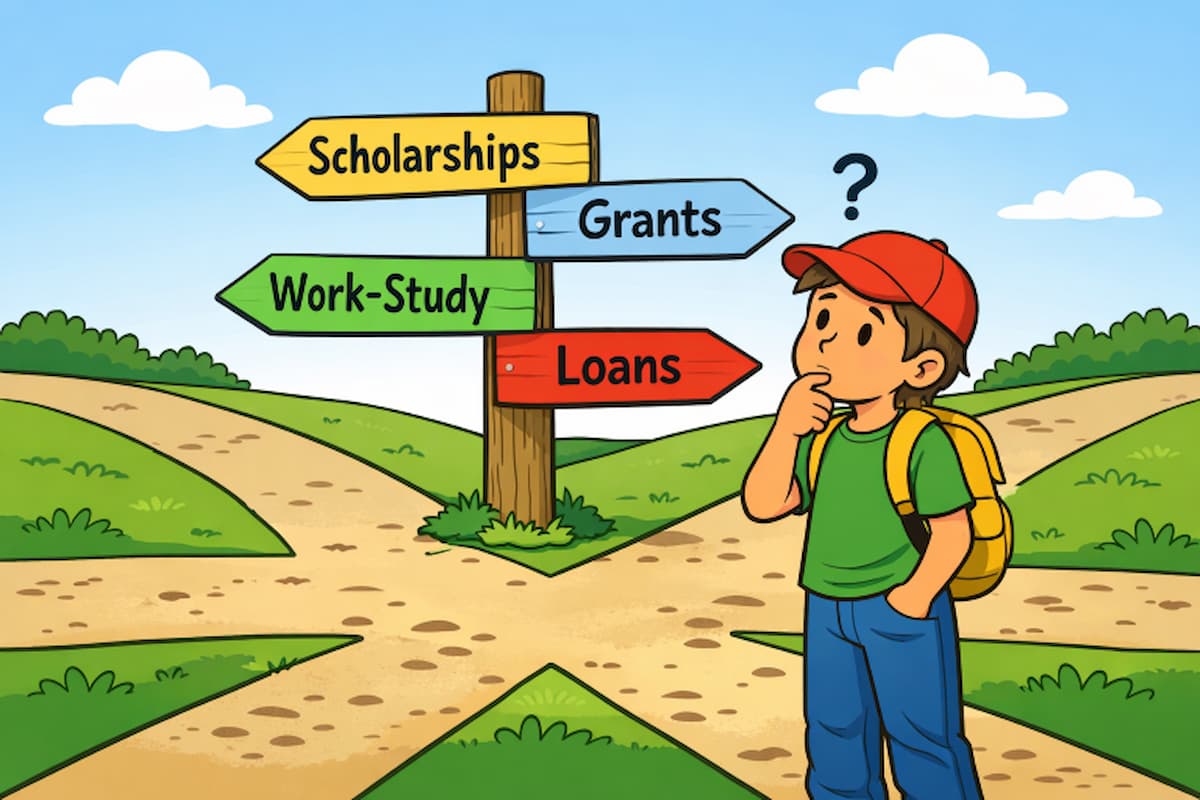
Many students overlook scholarships, grants, and work-study programs as viable methods to reduce their reliance on loans. Proactively seeking out these opportunities not only lightens the debt load but also fosters a habit of financial responsibility. Exploring institutional and external resources maximizes your chance to graduate with minimal debt.
Wise borrowing decisions also require understanding your future income potential. By researching what graduates in your intended major typically earn, you can better gauge a manageable loan amount and repayment plan, helping to prevent stress down the road. Accessing transparent and up-to-date information about starting salaries ensures your expectations match reality when payments begin.
Understanding the True Cost of College
The first step in responsible borrowing is understanding the complete cost of attendance. This goes beyond just tuition and includes fees, textbooks, supplies, housing, utilities, transportation, and personal expenses. Most universities offer a cost calculator on their website, but it’s wise to create a detailed budget tailored to your unique circumstances. Consulting comprehensive resources like the College Board can give you an accurate estimate and help in spotting hidden costs that may escape initial attention.
Exploring All Financial Aid Options
Federal and institutional grants, merit scholarships, and work-study programs should be your first line of defense against borrowing. Completing the Free Application for Federal Student Aid (FAFSA) as early as possible increases the likelihood of receiving need-based aid. Additionally, many private organizations and foundations provide funds tailored to specific majors, backgrounds, or talents. Comparing all these options will allow you to limit loan dependence and focus more on your studies rather than financial worries.
Choosing Between Federal and Private Loans
When loans are unavoidable, understanding the terms is essential. Federal loans offer fixed interest rates, income-driven repayment plans, and various deferment or forgiveness options. These benefits make them the top choice for most students. Only after maximizing federal aid should you investigate private loans, which are often credit-based, come with higher or variable interest rates, and have limited flexibility. When researching private lenders, always review borrower protections and eligibility criteria thoroughly.
Assessing Future Earning Potential
Before committing to any loan, consider your intended career path and potential earnings after graduation. Tools like the U.S. Bureau of Labor Statistics’ Occupational Outlook Handbook allow you to see projections for employment rates and wages in your field. This realistic insight helps determine how much debt you can responsibly manage and what kind of repayment schedule will fit your anticipated income.
Implementing Financial Literacy Education
Financial literacy is crucial for successfully navigating the world of student loans and ongoing financial decision-making. Workshops, seminars, and online resources can deepen your understanding of budgeting, compound interest, and loan repayment strategies. Institutions should encourage financial education as a core part of the college experience. Early training in these subjects enables independent and informed choices, empowering students to avoid common pitfalls.
Utilizing Financial Planning Tools
Online planning tools and loan simulators help you see what monthly payments will look like under various repayment plans. These tools clarify the long-term effects of borrowing and show how extra payments or choosing different loan types can change your financial outlook. Modeling different scenarios also allows you to prepare for unexpected changes in income post-graduation, ensuring a realistic and manageable payment structure.
Seeking Professional Financial Counseling
Personalized advice from a financial aid advisor or counselor can make a world of difference. These professionals tailor recommendations to your unique situation, clarify the implications of different loan choices, and help develop long-term repayment strategies. Many schools provide free or low-cost financial counseling services to support students as they make these complex decisions.
Staying Informed About Loan Terms and Conditions
Before signing any loan agreement, read and fully comprehend key terms such as interest rates, fees, grace periods, and payment penalties. Understanding exactly what you’re agreeing to helps you avoid costly surprises later. Take notes, ask questions, and keep all documents for future reference. Familiarity with your rights and obligations is essential for maintaining control over your financial life.
By putting these guidelines into practice, you can approach education borrowing with greater confidence and clarity. Being proactive, well-informed, and cautious ensures that your investment in higher education serves as a launchpad for opportunity, not a source of undue financial burden.
Long-Term Strategies for Managing Student Debt
Once students graduate and repayment begins, sticking to a robust loan repayment plan is key to staying financially healthy. Setting up automatic payments can help prevent missed deadlines and reduce the risk of late fees. Graduates should regularly review their loan balances and monitor their credit reports to track progress. If possible, making extra payments directly to the principal helps reduce total interest costs over time.
In addition, if recent graduates encounter financial difficulties, they should actively communicate with their loan servicer. Temporary relief options such as forbearance, deferment, or switching to an income-driven repayment plan may be available. Staying proactive and seeking support as soon as difficulties arise can help avoid default and protect long-term financial wellness. Ultimately, responsible repayment solidifies the value of your educational investment for years to come.