Key Takeaways
- Holistic therapies offer non-pharmacological options for managing chronic pain.
- Techniques such as acupuncture, mindfulness, and physical therapies have shown effectiveness.
- Combining multiple holistic approaches may enhance pain relief and improve quality of life.
Understanding Chronic Pain
Chronic pain, which persists for longer than three months, affects millions of individuals globally and can deeply impact daily functioning and emotional health. Often the result of conditions such as arthritis, fibromyalgia, nerve damage, and back injuries, chronic pain has traditionally been managed through medications. However, many patients are seeking gentler, more sustainable solutions like holistic therapies to improve their well-being and reduce dependence on pharmaceuticals. If you’re exploring alternative treatments, discussing options with a functional medicine doctor in Denver can help you navigate a tailored approach that fits your unique needs.
The interest in non-drug approaches to pain relief has grown as understanding of the mind-body connection deepens. Modern integrative care aims to address the whole person, body, mind, and spirit, offering hope and empowerment for those living with chronic discomfort. Evidence continues to mount in favor of incorporating holistic modalities into standard pain management strategies, providing a more comprehensive solution. Many holistic therapies do not just mask symptoms but aim to address underlying imbalances. This can be especially empowering for those who have experienced side effects from long-term medication use and are searching for options that support overall wellness rather than target pain alone. One of the most appealing aspects of these approaches is their safety profile when used appropriately, which makes them accessible to a wide range of patients, including those for whom traditional medications may not be suitable. Acupuncture, rooted in traditional Chinese medicine, involves the insertion of thin needles into specific points on the body to stimulate energy flow and promote healing. In recent years, research has begun to validate this ancient practice using modern scientific methods. A study funded by the National Institutes of Health found that older adults with chronic low back pain who received acupuncture reported greater pain relief and improved physical function than those who received usual medical care. These improvements are believed to result from acupuncture’s effect on nervous system pathways and the release of natural pain-relieving chemicals in the body.
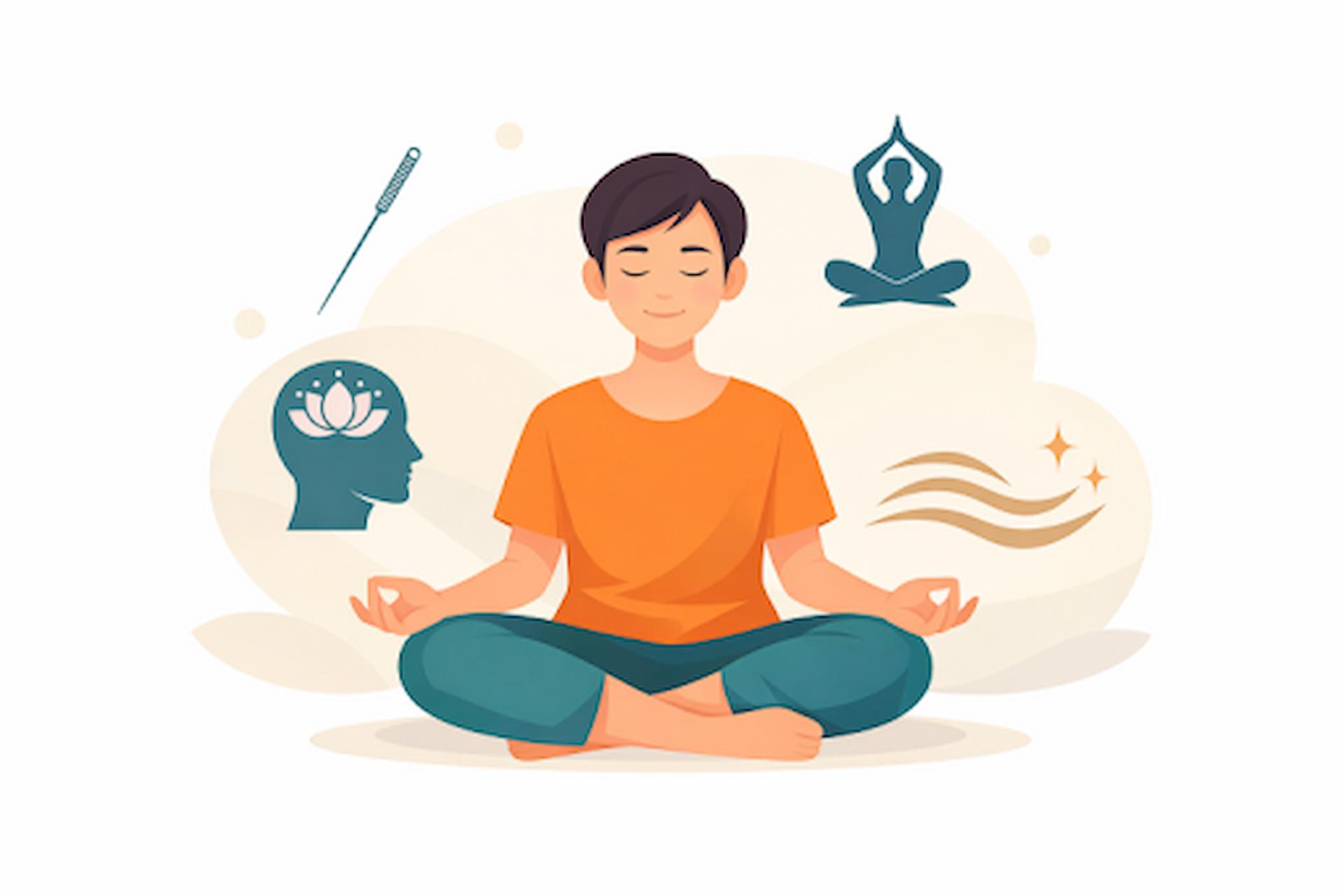
Mindfulness and Cognitive Behavioral Therapy (CBT)
Mindfulness-based interventions and cognitive-behavioral therapy have emerged as powerful tools in the treatment of chronic pain. These methods focus on shifting a patient’s relationship with pain, teaching skills to reduce reactivity and cultivate acceptance. A study published in JAMA found that mindfulness-based therapy reduced chronic pain and opioid misuse more effectively than supportive group therapy. These findings underscore the benefit of psychological strategies in managing the sensory and emotional components of pain.
Unlike medications that primarily target physical symptoms, mindfulness and CBT empower patients to become active participants in their own recovery. Through regular practice, many individuals report greater resilience, improved sleep, and a heightened sense of control over their pain. For more details on this study, refer to the NIH news release. Today, acupuncture is frequently recommended alongside physical therapy, stretching routines, or mindfulness practices as part of a holistic pain management plan. It is especially valued for its minimal side effects and ability to address physical and emotional aspects of chronic pain.
Physical Therapies: Yoga and Tai Chi
Physical therapies such as yoga and tai chi combine gentle movement with mindful awareness, creating a dual benefit for chronic pain sufferers. Multiple studies have linked these practices to reduced pain severity and improved function in conditions such as osteoarthritis and chronic low back pain. Gentle exercises, combined with breathing and relaxation, can help relieve muscle tension, increase flexibility, and boost emotional well-being. Harvard Health Publishing highlights the effectiveness of mindfulness and movement as adjuncts to traditional pain management strategies. An additional benefit of integrating yoga and tai chi is improved balance and joint stability, which is particularly valuable for older adults or those with mobility concerns. Regular participation can also foster a sense of community and reduce feelings of isolation that sometimes accompany chronic illness.
Massage Therapy
Massage therapy remains a popular and evidence-based approach to pain management. It involves manipulating soft tissues to promote circulation, reduce inflammation, and ease muscle stiffness. Clinical evidence suggests that regular massage can significantly improve symptoms of chronic back and neck pain, leading to better sleep, greater range of motion, and enhanced overall quality of life. Massage can be safely combined with other holistic therapies for a synergistic effect. This therapy can also lower stress hormones and promote relaxation, which may be particularly helpful for individuals with pain conditions exacerbated by anxiety or tension.
Integrating Holistic Approaches
Many individuals discover the greatest benefit by combining multiple holistic modalities. A study involving veterans with chronic musculoskeletal pain found that those using a mix of practitioner-delivered care (such as acupuncture or massage) and self-care practices (including yoga or meditation) experienced substantial improvements in pain, fatigue, mood, and overall well-being. Integrating therapies addresses the multidimensional nature of chronic pain and supports long-term resilience. By working with experienced practitioners and creating a personalized plan, patients can enhance their ability to manage symptoms, reduce reliance on medication, and achieve meaningful gains in quality of life.
Consulting Healthcare Professionals
Before beginning any new therapy, consultations with healthcare professionals are crucial. Your doctor or integrative health specialist can help determine which holistic modalities are appropriate, safe, and likely to be effective for your individual situation. Collaborative planning ensures your treatment plan aligns with your health goals, current medications, and any coexisting conditions. Always inform your healthcare team about all therapies you are considering to maximize safety and success. Holistic therapies can significantly enhance chronic pain management when used thoughtfully and in coordination with professional medical guidance. By embracing both ancient wisdom and modern research, you can pave the way for a healthier, more empowered future with less pain and greater vitality.