Table Of Contents
- Introduction
- What Black Box Data Means In A Truck Crash
- Why Electronic Data Matters
- Types Of Data That May Be Available
- Preserving Evidence Quickly
- How Investigators Analyze The Data
- Limits And Challenges Of Black Box Evidence
- Using Data With Other Evidence
- Practical Steps After A Truck Collision
- Frequently Asked Questions
- Final Thoughts
Truck crashes can leave behind complicated questions about speed, braking, driver actions, vehicle condition, and the events leading up to impact. In many cases, electronic data stored within the truck can help investigators move beyond competing accounts and examine objective details. People dealing with the aftermath of a serious collision may also seek guidance from McNeese & Trotsky when they need help understanding the records, insurance process, and evidence involved.
Although it is often referred to as “black box” data, commercial truck evidence may come from several different systems. An engine control module, event data recorder, electronic logging device, dash camera, GPS platform, or collision-avoidance system may each preserve different information. The evidence can be valuable, but it must be identified and preserved quickly before it is overwritten, lost during repairs, or affected by continued vehicle operation.
What Black Box Data Means In A Truck Crash
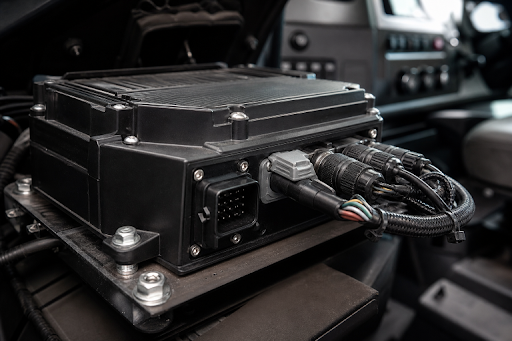
“Black box” is a convenient label, not the name of one universal device. In a commercial truck investigation, it commonly refers to electronically stored information from the truck’s engine and safety systems. Some systems capture a brief window of information before and after a triggering crash event. Others record operational information over hours, days, or longer periods.
For example, an event data recorder may preserve technical information tied to a collision, such as vehicle movement, driver inputs, or system status. The National Highway Traffic Safety Administration explains that an event data recorder can document a limited period surrounding a crash, rather than functioning as a continuous audio or video recorder. That distinction matters because a recorder may answer some questions clearly while leaving others unresolved.
Why Electronic Data Matters
Crash scenes change quickly. Vehicles are towed, debris is cleared, weather shifts, and witnesses may remember fewer details over time. Electronic records can provide time-stamped information that helps reconstruct a sequence of events. Depending on the truck and installed equipment, the data may help assess whether the truck was accelerating, braking, turning, or traveling at a particular speed shortly before a crash.
The information may also help evaluate claims involving delayed braking, unsafe following distance, distraction, fatigue, mechanical problems, or a failure to respond to traffic conditions. It is not automatically proven that one person was at fault. Instead, it is one potentially important piece of evidence that should be reviewed in context with the physical scene and other available records.
Types Of Data That May Be Available
Engine And Event Recorder Information
An engine control module or event recorder may retain data points such as vehicle speed, engine RPM, throttle application, brake use, cruise-control status, clutch activity, and selected fault codes. Some systems also show abrupt deceleration, hard braking, or stability-control events. The available fields and recording period depend on the truck manufacturer, model, software, and whether a qualifying event was triggered.
Electronic Logging Device Records
Electronic logging devices are primarily used to record hours-of-service information. The Federal Motor Carrier Safety Administration notes that an electronic logging device synchronizes with the vehicle engine to record driving time and support records-of-duty-status requirements. These records can be relevant when an investigation examines the driver’s schedule, rest periods, route, or potential fatigue concerns.
Other Digital Systems
Modern fleets may also use GPS tracking, dispatch communications, inward-facing or road-facing cameras, tire-pressure monitoring, automatic emergency braking, lane-departure warnings, and telematics platforms. These sources may show location history, video footage, driver alerts, maintenance notifications, or communications between the driver and carrier.
Preserving Evidence Quickly
Time is critical because certain truck systems can overwrite older data as the vehicle is driven or restarted. A truck may be moved from the crash location, taken to a storage yard, inspected, repaired, or returned to service before all relevant information is retrieved. Data may also be held by the motor carrier or a third-party technology provider rather than inside the truck itself.
Promptly written preservation requests can identify the categories of records that should be retained. Depending on the facts, this may include the truck, trailer, electronic control modules, ELD records, GPS data, dash camera footage, dispatch messages, maintenance files, inspection reports, driver qualification records, and post-crash testing records. Preservation does not guarantee that every item exists, but it can reduce the risk that important material disappears.
How Investigators Analyze The Data
Downloading data is only the first step. A qualified technician may need manufacturer-specific hardware and software to retrieve it without altering the original record. Investigators should document the chain of custody, preserve copies, record the truck’s condition, and note the exact source of each file. A careful process helps establish that the information is reliable and tied to the correct vehicle.
Accident reconstruction professionals may compare electronic data with roadway measurements, vehicle damage, photographs, surveillance footage, witness accounts, and police reports. For instance, a recorded brake application might be compared with skid marks, road grade, traffic signal timing, and the distance between vehicles. The goal is to determine whether the evidence fits together, not to rely on one isolated number.
Limits And Challenges Of Black Box Evidence
Black box evidence is powerful, but it has limits. A device may record only a few seconds, may not capture every driver action, or may store data in a format requiring expert interpretation. A reported speed can reflect wheel rotation and may need context if tires, road conditions, or system settings are at issue. Video may have gaps, and GPS points may not show every maneuver.
There can also be disputes about access, ownership, data accuracy, and whether a system was functioning properly before the crash. For that reason, strong investigations avoid treating electronic records as infallible. They consider the equipment’s capabilities, preserve original files when possible, and test the data against independent evidence.
Using Data With Other Evidence
The clearest picture usually comes from combining electronic information with traditional evidence. Helpful materials may include photographs of vehicle damage, cargo records, driver statements, witness contact information, toxicology results (when applicable), inspection reports, repair invoices, and weather or roadway condition records. Physical evidence can explain what occurred at the scene, while electronic records may clarify timing and vehicle operation.
This combined approach is especially important in multi-vehicle crashes. One driver’s account may focus on the final impact, while data and scene evidence reveal earlier braking, lane changes, traffic backups, or mechanical warnings that shaped the collision.
Practical Steps After A Truck Collision
- Prioritize emergency medical care and follow treatment recommendations.
- Call law enforcement and obtain the responding agency’s report information.
- Photograph vehicles, debris, road markings, traffic controls, injuries, and weather conditions when it is safe to do so.
- Save dash camera footage, phone photos, messages, and contact details for witnesses.
- Keep medical bills, work-loss records, repair estimates, and insurance correspondence organized.
- Avoid guessing about fault or making statements that go beyond the facts known at the time.
- Seek timely advice when injuries are serious, fault is disputed, or electronic evidence may need preservation.
Frequently Asked Questions
Does Every Truck Have A Black Box?
Not every truck has the same equipment or recording capacity. Many commercial vehicles have electronic engine systems, and fleets may use additional logging or telematics technology, but the available data varies by vehicle and carrier.
Can Black Box Data Show Whether A Driver Braked?
It may, depending on the system and the type of event recorded. Brake application data should still be evaluated alongside vehicle inspections, road evidence, and other records.
How Long Is Truck Data Kept?
Retention periods vary by device, fleet policy, software settings, and record type. Some data can be overwritten quickly, which is why early preservation efforts can be important.
Is Black Box Data Enough To Prove What Happened?
Usually, no. It can be highly useful, but the most reliable investigations compare it with physical evidence, witness statements, video, official reports, and expert analysis.
Final Thoughts On Using Black Box Data To Investigate Truck Accidents
Understanding truck black box data can help provide a clearer picture of how a collision occurred, but electronic records are only one part of a complete investigation. The most reliable findings come from evaluating digital evidence alongside physical evidence, witness statements, vehicle inspections, and other available records to understand the full sequence of events.
Because some electronic data may be overwritten or lost if not preserved promptly, timely action can be an important part of protecting valuable evidence. Whether questions involve driver actions, vehicle performance, or the circumstances surrounding a crash, a careful review of all available information helps support a more accurate assessment of what happened and the issues that may affect an insurance claim or legal matter