Key Indicators: When You Need a Residential Roof Replacement
Deciding between a minor repair and a full residential roof replacement is a critical decision for any homeowner. While small leaks or isolated damage might be fixable, certain signs strongly indicate that your roof has reached the end of its functional life and a complete overhaul is necessary. Ignoring these warnings can lead to escalating issues, from structural damage to compromised indoor air quality.
Here are the primary indicators that suggest your home is due for a new roof:
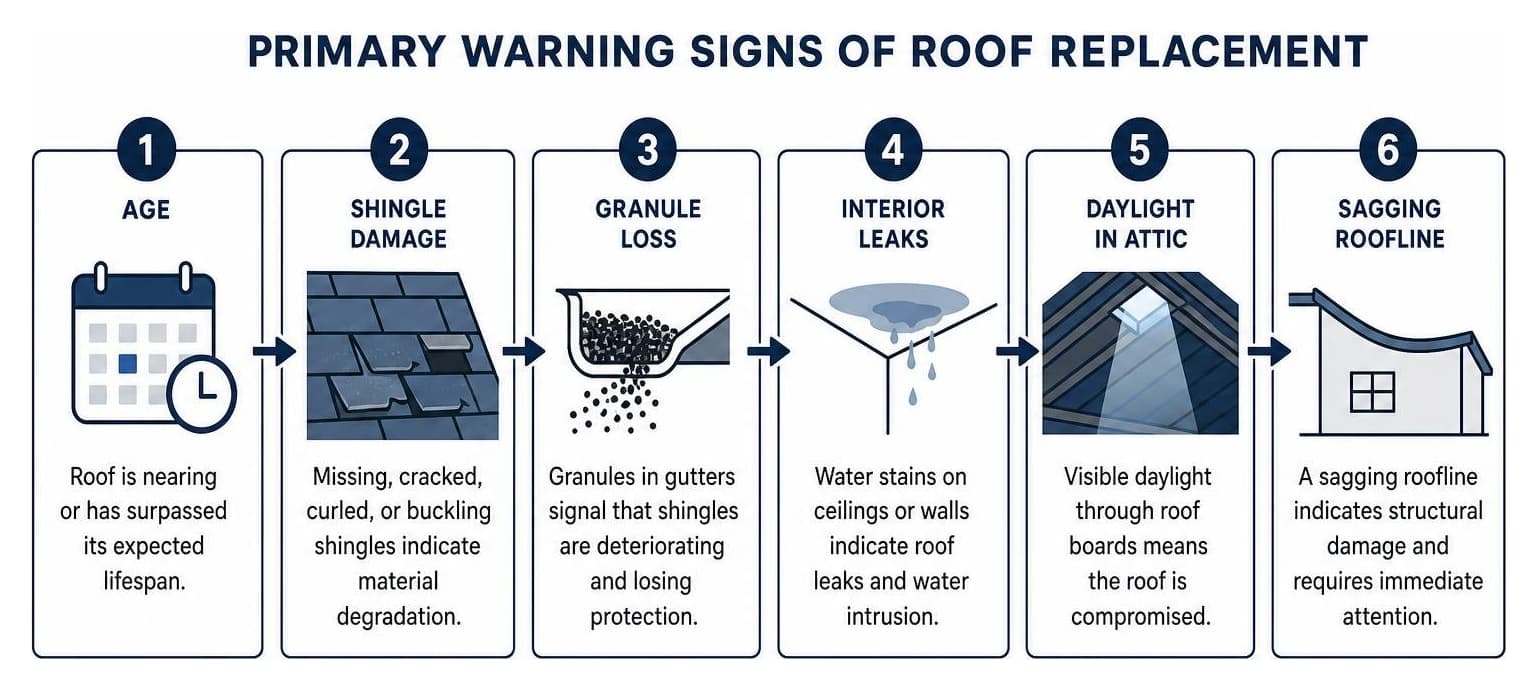
A key factor is age. Most asphalt shingle roofs, which cover the majority of homes in the United States, typically last between 20 and 25 years. If your roof is nearing or has surpassed this age, even without obvious damage, it’s prudent to start considering a replacement. Beyond age, visible signs like missing, cracked, curled, or buckling shingles point to material degradation. Granule loss, often seen as dark, sandy accumulations in gutters, is another clear sign that asphalt shingles are deteriorating and losing their protective qualities.
Interior leaks and water stains on ceilings or walls are undeniable indicators of roof failure, suggesting water has penetrated the roofing system. In the attic, if you can see daylight shining through the roof boards, it means the structural integrity is compromised. Lastly, a sagging or drooping roofline is a severe structural issue that demands immediate attention, as it can indicate widespread deck damage or even compromised trusses.
Structural Damage and Decking Degradation
Beyond the visible surface, the underlying structure of your roof, particularly the decking, plays a crucial role in its overall integrity. The 20-25 year mark for many roofs often coincides with the onset of structural issues. Over decades, constant exposure to moisture, temperature fluctuations, and the sheer weight of the roofing materials can lead to deck rot or soft spots. These areas are vulnerable to further deterioration and cannot adequately support new roofing materials.
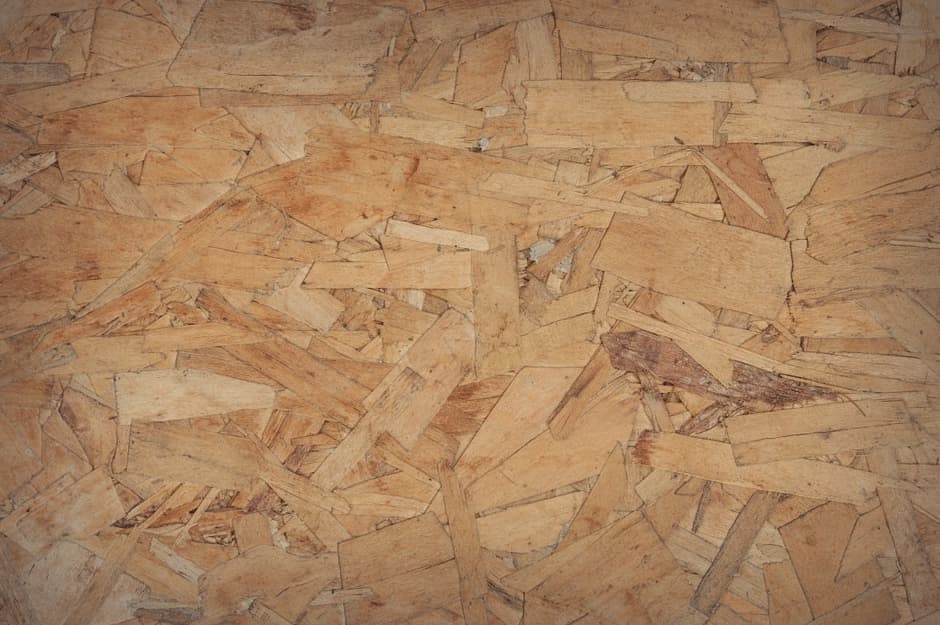
When a roof replacement is undertaken, a complete tear-off of the old materials down to the decking is essential. This allows for a thorough inspection of the plywood or OSB (Oriented Strand Board) sheathing. If significant deterioration is found, portions of the decking, or even the entire deck, may need replacement. In cases of minor deterioration or inadequate thickness, an OSB overlay—a new layer of structural sheathing installed over the existing deck—can provide the necessary rigidity and a smooth surface for the new roofing system. This ensures the new roof has a solid foundation, preventing future sagging and maintaining structural integrity for decades to come.
Assessing Costs for a Residential Roof Replacement Project
Understanding the financial aspect of a residential roof replacement is crucial for planning and budgeting. As of 2026, the cost for a full roof replacement on a typical single-family home can range significantly, from $6,000 to $30,000. The national average, particularly for an architectural asphalt shingle roof on a 2,000-square-foot house, hovers around $11,000. However, this is merely a baseline, as several factors heavily influence the final price.
The primary cost drivers include the type of roofing material chosen, the total square footage of the roof, and its complexity. Roof pitch, or steepness, is a significant factor; roofs with a pitch above 6:12 often incur 10% to 20% higher labor costs due to increased safety requirements and the difficulty of working on steeper surfaces. Similarly, complex roof designs featuring multiple valleys, dormers, skylights, or chimneys can increase labor costs by 40% to 60% compared to a simple ranch-style roof of the same square footage.
Material costs typically account for 30% to 40% of the total replacement expense, while labor makes up 40% to 50%. The remaining 10% to 20% covers tear-off, permits, and disposal fees. Unexpected costs, such as replacing rotted plywood or OSB decking, can add $75 to $150 per sheet. Therefore, a comprehensive quote should always include a contingency allowance for decking replacement. For a deeper dive into what influences these costs and to explore options for your specific needs, consulting resources on roof replacement and repair can provide valuable insights. This helps ensure you receive a detailed, itemized quote that covers all potential expenses, avoiding surprises during the project.
Comparing Materials, Costs, and Long-Term Value
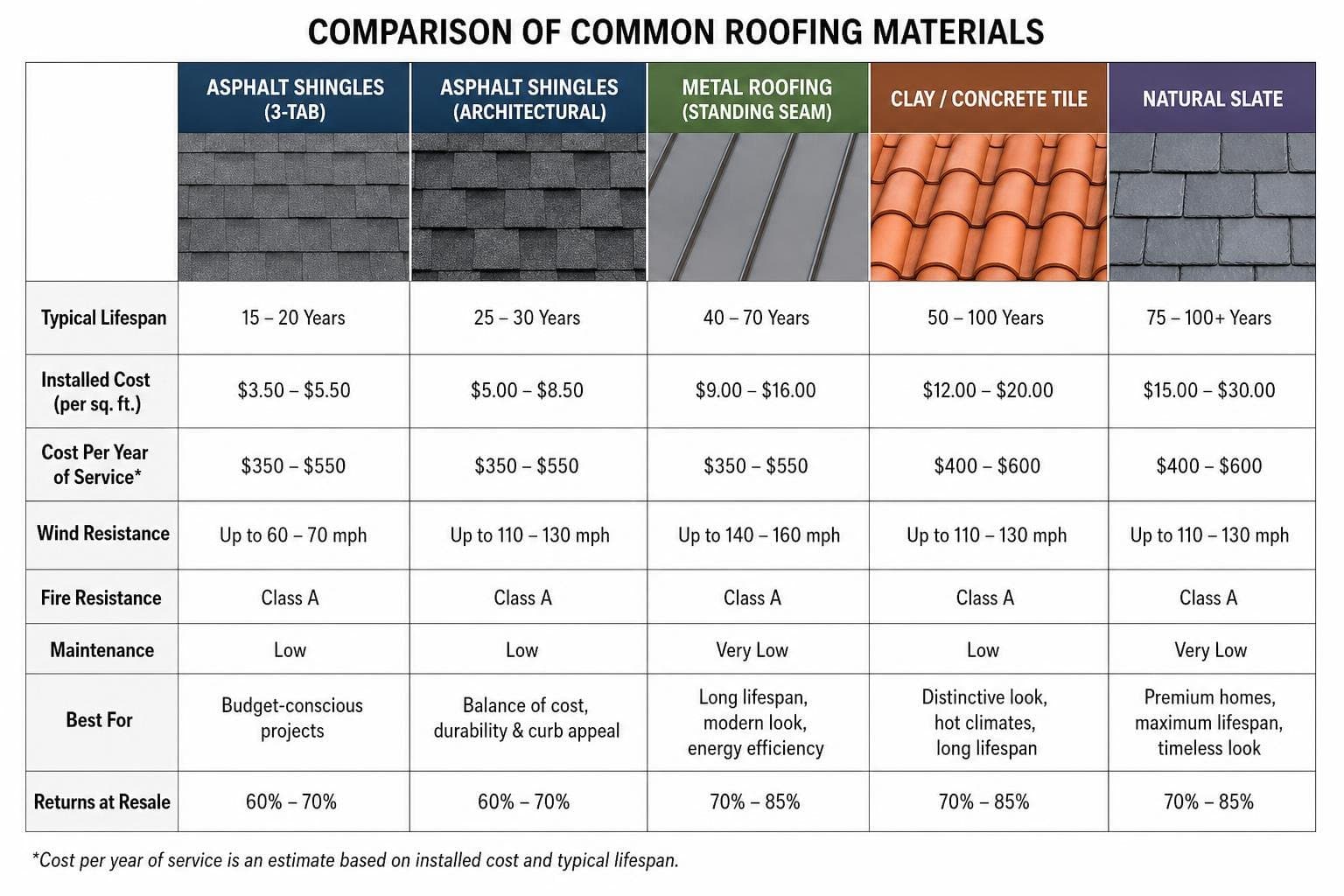
Choosing the right roofing material is one of the most impactful decisions homeowners face during a residential roof replacement. Each material offers a unique blend of aesthetics, performance, lifespan, and cost, influencing both the upfront investment and the long-term value of your home. While initial cost is a factor, it’s often more economical to consider the “cost per year of service” to understand the true long-term value.
For instance, architectural asphalt shingles and standing seam metal roofing are often tied as the most economical long-term choices, costing roughly $350 to $550 per year of service. A new asphalt shingle roof typically returns about 60% to 70% of its cost in increased home value at resale, while metal, tile, and slate can return 70% to 85%.
Here’s a comparison of common roofing materials:
Material Options and Performance Profiles
Asphalt Shingles: These remain the most popular choice, covering over 80% of residential roofs.
- 3-Tab Shingles: The most basic and least expensive, offering a flat appearance and typically lasting 15-20 years. They are less wind-resistant than architectural options.
- Architectural (Dimensional) Shingles: Thicker, more durable, and offering a richer, textured look. They typically last 25-30 years and have higher wind resistance (often 110-130 mph). We generally recommend architectural shingles over 3-tab for nearly all residential projects due to their superior performance and aesthetic appeal.
- Impact-Resistant Shingles (Class 4): Designed to withstand hail and other impacts, these can offer significant insurance premium discounts (10-28%) in hail-prone regions. They often have similar lifespans to architectural shingles.
Metal Roofing: Standing seam metal is a premium option, offering exceptional durability and longevity (40-70 years). While the upfront cost is higher ($9-$14 per square foot installed), its long lifespan and energy efficiency make it a cost-effective choice over time. Metal roofs can also reduce home cooling costs by 10-25% due to their reflective properties.
Tile (Clay/Concrete): Offering a distinct aesthetic, tile roofs are extremely durable (50-100 years) but come with a higher price tag ($12-$22 per square foot installed) and require a robust roof structure to support their weight.
Slate: The pinnacle of roofing materials, natural slate boasts an impressive lifespan of 75-150 years and unparalleled beauty. However, it is the most expensive option ($20-$35 per square foot installed) and also requires a strong supporting structure.
FORTIFIED Roofs: For homeowners in hurricane-prone areas, particularly along the Gulf Coast, a FORTIFIED-designated roof is a strategic investment. These roofs are built to specific standards that enhance resistance to high winds and hail. While they may cost 10-15% more upfront, they can qualify for substantial insurance premium discounts (20-52% on the wind portion of your policy) and offer superior protection, often recovering the extra cost within 3-5 years.
Energy-Efficient Roofing (Cool Roofs): Many materials, particularly certain asphalt shingles (like Owens Corning Duration Cool Series) and metal roofs, come with solar-reflective coatings or granules. These “cool roofs” are designed to reflect more sunlight and absorb less heat, reducing attic temperatures and subsequently lowering your cooling costs.
Financing Methods and Budgeting
A residential roof replacement is a significant financial undertaking, and understanding your financing options is key to making it manageable. We recognize that not everyone has the immediate cash reserves for such an investment, especially when an unexpected event like storm damage necessitates a replacement.
Here are some common financing methods:
- Home Equity Line of Credit (HELOC) or Home Equity Loan: These options allow you to borrow against the equity in your home, often at competitive interest rates. They can be a cost-effective way to finance a large home improvement project like a roof replacement, with interest potentially being tax-deductible.
- Credit Union Loans: Many credit unions offer personal loans or home improvement loans with favorable terms and lower interest rates compared to traditional banks, especially for members.
- Contractor Financing: Many roofing contractors partner with third-party lenders to offer financing plans. While convenient, it’s crucial to scrutinize interest rates and terms, as these can sometimes be higher than other options. Always compare these offers with what banks or credit unions can provide.
- Property Assessed Clean Energy (PACE) Programs: In certain states and localities, programs like Florida PACE allow homeowners to finance energy-efficient and wind-resistant home improvements, including roof replacements, through an assessment on their property tax bill. This offers fixed-rate funding and avoids the need for high-APR credit cards or traditional loans, making it an attractive option for eligible projects.
- Cash Payment: If feasible, paying cash eliminates interest charges and can sometimes provide leverage for negotiating a slightly better price with contractors.
To optimize your budget, consider scheduling your roof replacement during the “shoulder seasons”—late fall (October to November) or early spring (March to April). During these periods, demand for roofing services is typically lower, and some contractors may offer discounts of 5% to 15%. However, for asphalt shingles, ensure temperatures remain above 40°F for proper sealing. For comprehensive advice on managing your roofing project, including financing and material selection, exploring resources dedicated to residential and commercial roofing can be highly beneficial.
Step-by-Step Walkthrough of the Installation Process
A residential roof replacement is a multi-stage process that, when executed correctly, ensures a durable and long-lasting protective barrier for your home. While the actual installation can often be completed in 1 to 3 days for most residential roofs, the entire project from initial consultation to final inspection involves careful planning and coordination.
The process typically begins with the delivery of materials, including shingles, underlayment, and other components, to your property. A dumpster is usually placed on-site for debris removal. Once the crew arrives, the teardown phase commences, followed by thorough deck inspection and any necessary repairs. The installation of new protective layers and roofing materials then proceeds systematically, culminating in a meticulous final cleanup and inspection.
Demolition, Deck Inspection, and Protection Layers
The first crucial step in a residential roof replacement is careful preparation and demolition. Before any work begins, our team takes measures to protect your property, covering landscaping, outdoor furniture, BBQ grills, and AC units from falling debris. A large dumpster is strategically placed for efficient waste removal.
The full tear-off is then performed, removing all existing roofing materials down to the bare roof deck. We strongly advocate for a complete tear-off rather than installing new shingles over old ones, as this allows for a thorough roof deck inspection. This inspection is vital for identifying any soft spots, rot, or damage to the plywood or OSB sheathing that might compromise the new roof’s integrity. Any damaged decking is replaced at this stage, ensuring a solid foundation.
Once the deck is sound, the installation of protective layers begins:
- Ice and Water Shield: This self-adhering membrane is applied to vulnerable areas such as eaves, valleys, around chimneys, skylights, and pipe penetrations. It provides an extra layer of waterproofing, particularly critical in regions prone to ice damming or heavy rain.
- Synthetic Underlayment: Replacing traditional felt paper, modern synthetic underlayment is lightweight, durable, and provides superior water resistance. It’s installed across the entire roof deck, creating a secondary barrier against moisture intrusion.
- Drip Edge: Metal flashing installed along the eaves and rakes (sides) of the roof, directing water away from the fascia and into the gutters, preventing water damage to the roof edge.
- Ridge Ventilation: Proper attic ventilation is critical for extending roof life and improving energy efficiency. Ridge vents, combined with soffit vents, create a continuous airflow that expels hot, moist air from the attic.
After these layers are in place, the new roofing material is installed according to manufacturer specifications, ensuring proper fastening and alignment. Throughout the process, daily magnetic sweeps are performed to collect stray nails and debris, ensuring the safety of your property and family.
Solar Array Detachment and Specialized Components
For homes equipped with solar panels, a residential roof replacement introduces an additional layer of complexity that requires specialized expertise. It is imperative that solar panels are safely removed before any re-roofing work can commence. New roofing materials cannot be properly installed under an active solar array, and attempting to do so will compromise both the roof’s integrity and the solar system’s performance.
The process involves:
- Professional Solar Panel Removal: A licensed solar contractor coordinates with the roofing team to safely detach and store the solar panels. This ensures the system’s electrical components are handled correctly and prevents damage to the panels themselves.
- Mounting Penetrations and Warranties: During the re-roofing, all existing solar mounting hardware penetrations must be properly sealed and integrated into the new underlayment system. When panels are reinstalled, new, specialized solar mounts are typically used, ensuring a watertight seal and structural integrity. Improper penetration sealing or using uncertified installers can void solar panel warranties, making coordination between a qualified roofer and a licensed solar contractor essential.
- Skylight Reflashing: If your roof has skylights, it’s a best practice to replace the old flashing entirely rather than reusing it. New flashing kits designed for the specific skylight model ensure a watertight seal with the new roofing materials, preventing leaks.
- Open Metal Valley Flashing: For roof sections where two planes meet to form a valley, open metal valley flashing provides superior water runoff protection compared to relying solely on overlapped shingles. This design prevents water from getting trapped and ensures cleaner drainage, reducing the risk of leaks in these high-stress areas.
These specialized components and coordination efforts add to the overall project timeline and cost but are critical for ensuring a complete, leak-free, and warrantied roofing system, especially for homes with complex features or energy-efficient upgrades.
Insurance Claims, Contractor Vetting, and Scam Avoidance
Navigating the complexities of insurance claims and selecting a reliable roofing contractor are two of the most critical aspects of a residential roof replacement. Making informed decisions in these areas can save you significant time, money, and stress.
Navigating Homeowners Insurance Claims
Homeowners insurance typically covers roof replacement only when the damage is caused by a sudden, covered peril, such as wind, hail, or falling objects. It generally does not cover replacement due to normal wear and tear or neglected maintenance.
Here’s how to navigate the claims process:
- Roofer Inspection First: Before filing a claim, have a reputable roofing contractor inspect your roof for damage. They can provide professional documentation and help determine if the damage is substantial enough to warrant a claim. We recommend having your chosen contractor present during the insurance adjuster’s inspection to ensure all damage is properly documented.
- Understanding Your Policy: Familiarize yourself with your policy’s terms, particularly regarding Replacement Cost Value (RCV) vs. Actual Cash Value (ACV). RCV policies pay for the cost of a new roof, while ACV policies factor in depreciation, paying out less. Also, be aware of any “roof payment schedule” or age-based depreciation clauses.
- The Claims Process: Once a claim is filed, an insurance adjuster will inspect your roof. If approved, you’ll receive an initial estimate. It’s common for initial estimates to be lower than the actual cost due to missed damage or underestimated labor/material prices.
- Insurance Supplements: This is where a knowledgeable contractor becomes invaluable. If the initial estimate is insufficient, your contractor can submit a “supplement” – a formal request for additional coverage with detailed documentation (photos, measurements, code requirements) to justify the increased cost. Successful supplements can significantly increase the payout, with some reports indicating an average increase of approximately $6,000 over initial estimates.
- Deductibles: Be aware that waiving insurance deductibles is illegal in many jurisdictions and can constitute insurance fraud. A reputable contractor will never offer to waive your deductible.
While cash projects can be completed in 2-4 weeks, insurance claim roof replacements typically take longer, often 80-90 days from contract to completion, due to the various stages of approval and negotiation.
Vetting Contractors for a Residential Roof Replacement
Choosing the right roofing contractor is paramount for a successful replacement project. Here’s how to ensure you hire a reliable professional and avoid common scams:
- Obtain Multiple Itemized Quotes: Always get at least three detailed, itemized quotes from local, licensed roofing contractors. Ensure each quote specifies the exact same scope of work, including shingle brand and type, underlayment, ice and water shield coverage, ventilation, and flashing details.
- Compare Line-by-Line: Scrutinize each quote. A reputable contractor provides a transparent breakdown of costs. Pay close attention to the decking contingency allowance ($75-$100 per sheet of plywood/OSB), as this can be a hidden cost if not clearly stated upfront.
- Check Credentials and Insurance: Verify that the contractor is properly licensed in your state and locality. Crucially, ensure they carry general liability insurance (to cover damage to your property) and workers’ compensation insurance (to protect their employees and you from liability in case of injury). Ask for proof of insurance and call the providers to verify.
- Local Presence and References: Choose a contractor with a verifiable local office and a strong reputation in your community. Ask for local references and check online reviews. Be wary of “storm chasers” who appear after major weather events and lack a permanent local presence.
- Contract and Payment Terms: Never pay more than a 10-20% deposit upfront. The payment schedule should align with project milestones. The contract should clearly outline the scope of work, materials, warranty terms (both material and labor), and a completion timeline.
- Red Flags to Avoid:Contractors who offer to waive your insurance deductible (illegal).
- High-pressure sales tactics or demands for immediate decisions.
- Lack of proper licensing or insurance.
- Unusually low bids that seem too good to be true (often indicate hidden costs or subpar materials/workmanship).
- Refusal to provide a detailed, written contract.
- Post-Installation Cleanup: A good contractor will perform a thorough magnetic sweep of your property after installation to collect all nails and debris, protecting your family and pets.
By diligently vetting contractors and understanding the insurance process, you can safeguard your investment and ensure a high-quality residential roof replacement.
Frequently Asked Questions About Roof Replacement
How long does a standard replacement project take?
The actual installation of a residential roof replacement typically takes between 1 to 3 days for most homes, depending on the roof’s size, complexity (e.g., multiple valleys, dormers, skylights), and weather conditions. However, the entire project timeline, from signing the contract to final completion, can vary significantly. For cash-paid projects, this usually ranges from 2 to 4 weeks, accounting for material delivery, scheduling, and inspections. For insurance-related replacements, the process can be much longer, often taking 80 to 90 days from contract to completion due to the various stages of claims processing, adjuster visits, and supplement approvals. Weather is always a contingency; prolonged rain or extreme temperatures can extend project duration.
Can I stay in my home during the installation?
Yes, in most cases, you can stay in your home during a roof replacement. However, it’s important to be prepared for significant noise levels from tear-off, hammering, and nail guns. There will also be continuous activity around your house. We advise homeowners to take certain precautions:
- Noise and Debris: Expect loud noises and vibrations. Consider making alternative arrangements for young children, pets, or anyone who works from home and requires quiet.
- Safety: Keep children and pets away from the work area for their safety, as there will be falling debris and equipment.
- Access: Ensure the roofing crew has clear access to your driveway, outdoor electrical outlets, and potentially an outdoor water source.
- Interior Preparations: Remove any valuable or fragile items from walls or shelves, especially those directly below the roof work, as vibrations can cause them to fall. Cover items in your attic to protect them from dust or falling debris.
While it can be disruptive, staying in your home is generally safe as long as you follow the contractor’s safety guidelines.
Is installing a second layer of shingles over an existing roof recommended?
No, installing a second layer of shingles directly over an existing roof (an “overlay” or “re-cover”) is generally not recommended and often discouraged by roofing professionals. While it might seem like a way to save $2,000 to $4,000 upfront by skipping the tear-off, this practice comes with several significant drawbacks:
- Reduced Lifespan: An overlay can reduce the lifespan of the new roof by 10% to 20% because the trapped heat between the layers accelerates degradation.
- Accelerated Degradation: The old, uneven layer beneath can cause the new shingles to lay improperly, leading to premature curling, cracking, and granule loss.
- Warranty Invalidation: Many shingle manufacturers will void or significantly reduce the warranty on their products if they are installed over an existing layer, as it compromises performance.
- Doubled Future Costs: When the time comes for the next replacement, you’ll have two layers to tear off, effectively doubling the labor and disposal costs.
- Hidden Damage: An overlay prevents inspection of the roof deck, meaning any existing rot, soft spots, or structural damage will remain unaddressed and worsen over time.
- Building Codes: Most building codes typically limit residential roofs to a maximum of two shingle layers.
For these reasons, we always recommend a full tear-off down to the roof deck. This ensures a clean, solid surface for the new roofing system, allows for proper deck inspection and repair, and maximizes the lifespan and warranty coverage of your investment.
Conclusion
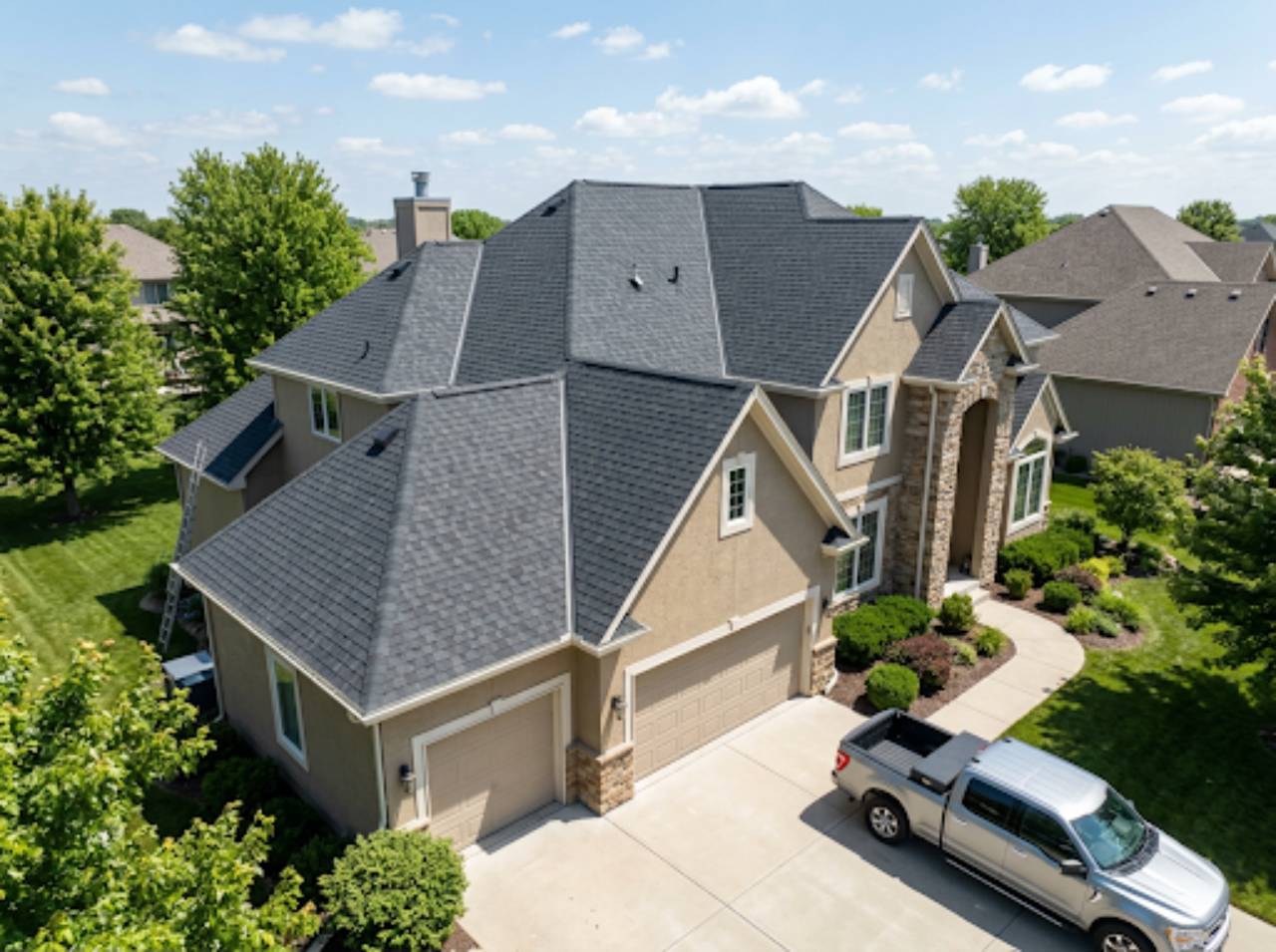
A residential roof replacement is one of the most substantial investments you’ll make in your home, but it’s an investment that pays dividends in long-term protection, energy efficiency, and enhanced property value. By understanding the key indicators for replacement, exploring various material options, and carefully vetting your contractor, you can approach this project with confidence and achieve a lasting, high-quality result.
From safeguarding your home against the elements to boosting its curb appeal and market value, a new roof provides peace of mind and secures your family’s comfort for decades to come. With proper planning and execution, your residential roof replacement will not only protect your most valuable asset but also contribute significantly to its overall worth and longevity.