Key Takeaways
- A written checklist reduces missed deadlines, inconsistent decisions, and preventable repairs.
- Consistent screening, clear lease terms, and documented property condition create a stronger leasing process.
- Preventive maintenance and routine inspections can identify small issues before they become expensive emergencies.
- Tenants need clear maintenance instructions, reasonable updates, and reliable emergency contacts.
- Accurate financial records make it easier to evaluate vacancies, repair trends, and long-term property performance.
- Local housing requirements should always be reviewed before listing, renewing, or ending a tenancy.
Successful rental ownership involves far more than collecting monthly rent. A dependable system for leasing, maintenance, communication, records, and renewals helps owners protect the property while giving tenants a more predictable place to live. Professional property management practices can also help turn recurring responsibilities into a routine rather than a series of last-minute reactions.
This checklist is designed for owners managing one home, several units, or a growing portfolio. It is a practical operating guide, not legal advice. Rental laws, notice periods, licensing rules, deposit requirements, and entry procedures can vary by state and city, so every owner should confirm the rules that apply locally.
Why a Rental Management Checklist Matters
A checklist creates consistency. For a single rental, it may be a shared calendar and a well-organized digital folder. For multiple units, it may include task software, vendor contacts, inspection schedules, and reporting procedures. Either way, written processes help owners, tenants, contractors, and managers understand what happens next and who is responsible.
Before Listing the Property
Do not market a unit until it is safe, clean, functional, and documented. Test smoke and carbon monoxide alarms, locks, lights, outlets, plumbing, heating, cooling, appliances, and hot water. Repair leaks, damaged flooring, loose railings, broken windows, and moisture issues. Remove personal belongings and take dated photos after cleaning.
Next, confirm insurance coverage for tenant occupancy and determine whether local registration, inspections, rental licenses, or certificates are required. Create a property file for leases, invoices, warranties, inspection reports, utility information, and vendor contacts. Clearly identify which utilities, exterior work, filters, pest concerns, and minor upkeep tasks belong to the owner or tenant.
Screening Applicants and Preparing the Lease
Use the same written rental criteria for every applicant. Apply income, credit, rental history, occupancy, and other legitimate standards consistently. Obtain required authorization before requesting consumer reports, keep only necessary decision notes, and provide any notices required when an application is denied or approved with additional conditions.
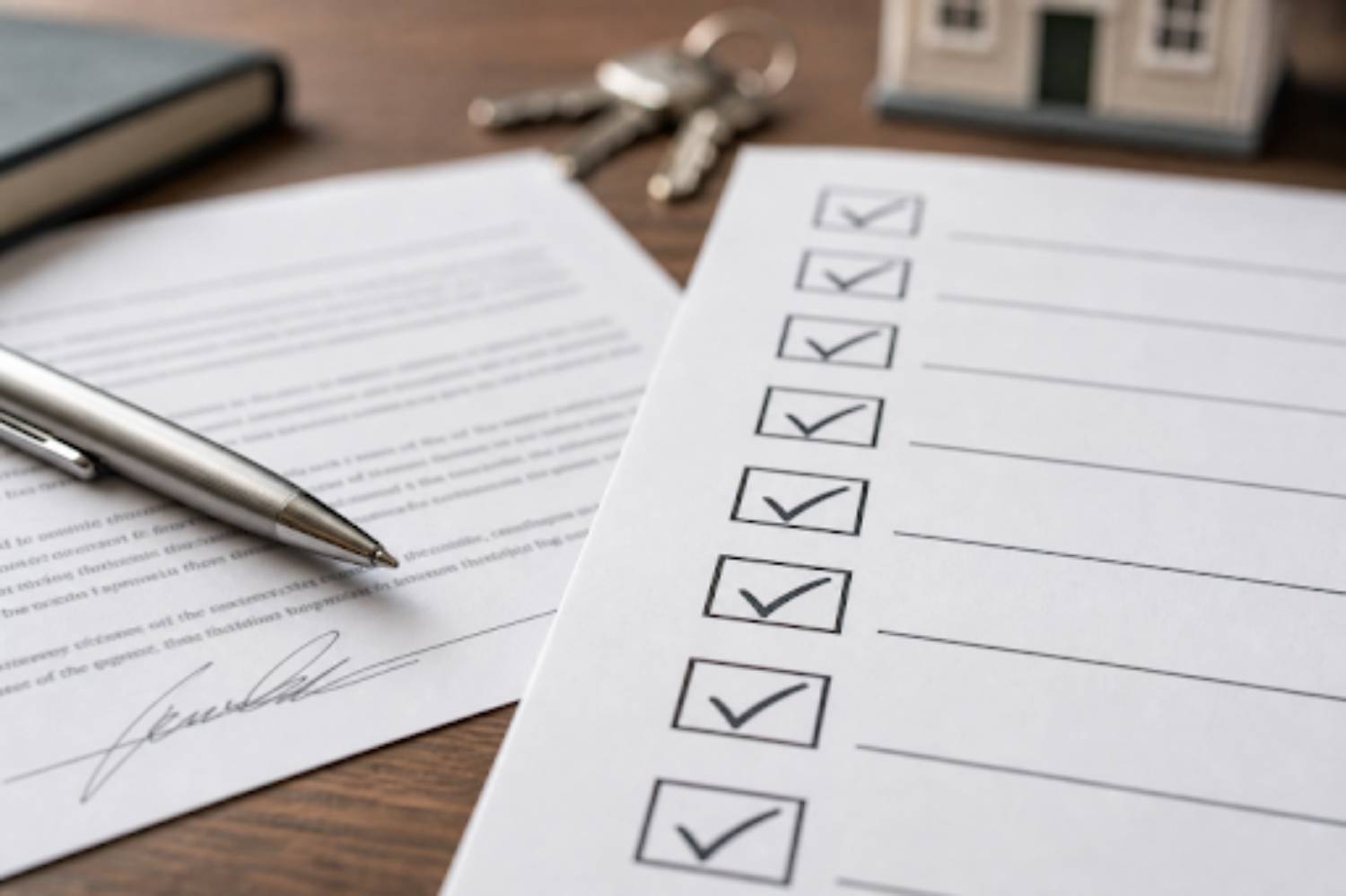
Lease Items to Review
- Rent amount, due date, payment method, late-payment terms, and returned-payment procedures.
- Security deposit amount, handling requirements, and required disclosures.
- Emergency contacts, maintenance reporting steps, and access or entry expectations.
- Rules for pets, parking, smoking, guests, noise, lawn care, and utilities.
- Renewal timing, notice requirements, move-out responsibilities, and property rules.
Completing a Smooth Move-In
The move-in process establishes the record that supports the entire tenancy. Complete a written condition report with dated photos or video of floors, walls, ceilings, doors, appliances, fixtures, and exterior areas. Provide keys, codes, trash instructions, emergency contacts, and clear directions for submitting maintenance requests. Store signed documents securely and confirm receipt of all required notices.
Monthly Management Tasks
Set aside a regular time each month to record rent and other income, review unpaid balances, reconcile vendor invoices, and update lease expiration dates. Track every maintenance request from initial report through completion. Check vacant units for security concerns, monitor recurring utility charges, and respond to tenant questions within a stated, reasonable timeframe.
Maintenance and Property Inspections
Preventive maintenance usually costs less than emergency work. Check common areas, trash locations, exterior lights, and visible leaks as needed. Monthly reviews can cover filters, plumbing fixtures, appliances, and signs of moisture. Quarterly inspections should examine drainage, landscaping, pest activity, exterior surfaces, and major systems. Schedule seasonal work for HVAC equipment, gutters, pipes, roofs, and weather-sensitive outdoor areas.
Set Repair Priorities
- Emergency: Fire, flooding, dangerous electrical conditions, major leaks, or loss of essential heat during severe weather.
- Urgent: Problems likely to cause damage or seriously disrupt normal living if delayed.
- Routine: Cosmetic issues, small fixture repairs, and non-critical improvements.
Older properties require additional caution. Renovation, repair, or painting in homes built before 1978 can disturb lead-based paint, so owners should review the EPA’s guidance for property managers handling lead-safe renovation work before scheduling projects.
Tenant Communication and Issue Resolution
Give tenants one dependable channel for routine requests and a separate method for emergencies. Acknowledge requests, explain the next step, provide realistic updates, and document contractor appointments and completed repairs. When discussing unpaid rent, damage, or lease violations, use calm, factual language and keep records of notices and communications.
If a disagreement cannot be resolved, both parties should review the lease and follow the applicable local process. Tenants seeking outside assistance can consult USAGov’s tenant rights and landlord complaint guidance for links to state-level resources and housing assistance information.
Financial Records and Performance Reviews
Keep rental finances separate from personal spending. Track income, deposits, repairs, maintenance, taxes, insurance, utilities, advertising, vacancy days, vendor payments, and capital improvements. At least quarterly, ask: Which repairs keep returning? Are costs rising faster than rent? How many days was the unit vacant? Is enough money reserved for major replacements?
Lease Renewals and Tenant Retention
Begin renewal planning 60 to 90 days before expiration when practical and permitted by local rules. Review payment history, maintenance concerns, market conditions, and needed repairs. Send renewal terms or notices within the required timeframe, then record the tenant’s decision and update the calendar. Retaining a reliable tenant can reduce vacancy, advertising, cleaning, and turnover costs.
Move-Out and Turnover Planning
Send written move-out instructions early, schedule a final inspection, and compare the unit with the move-in documentation. Separate normal wear from tenant-caused damage, document cleaning and repairs, record meter readings, and process deposits according to local requirements. Finish safety checks, repairs, cleaning, and updated listing photos before the next tenancy begins.
Common Mistakes to Avoid
- Relying on memory instead of calendars, checklists, and written records.
- Using inconsistent screening standards or unclear lease language.
- Ignoring minor leaks, odors, stains, or other early signs of moisture damage.
- Mixing rental and personal finances.
- Leaving maintenance requests open without communication or follow-up.
- Waiting until lease end to discuss renewal or turnover plans.
A Simple 2026 Review Plan
Use a 30-day reset to strengthen the system. During the first week, gather leases, invoices, insurance documents, and contact details. During week two, inspect the property and list safety or repair needs. In week three, review expenses, vacancy trends, and lease dates. In the final week, schedule preventive work, update tenant instructions, set reminders, and create a written action plan for the months ahead.
Conclusion
A rental management checklist does not have to be complicated. It must be current, clear, and used consistently. By turning leasing, maintenance, communication, finances, renewals, and turnover into repeatable steps, owners can reduce surprises and tenants can experience a more organized, responsive rental relationship.