

Table of Contents
- Why Seasonal Tree Care Matters
- Winter: Inspect Structure and Plan Pruning
- Spring: Watch New Growth, Pests, and Disease
- Summer: Manage Heat, Drought, and Storm Stress
- Fall: Prepare Trees for Cold Weather
- Warning Signs That Need Prompt Attention
- Safe Tasks for Homeowners
- When to Call a Professional
- A Simple Year-Round Checklist
In Maryville, Tennessee, trees experience changing conditions throughout the year, from soaking rains and summer heat to strong winds and occasional winter ice. A seasonal routine gives homeowners a practical way to notice changes before a small concern becomes a larger safety or property issue. Consistent tree care begins with observation, not rushed cutting.
Walk the property several times a year, especially after severe weather. Look at trees near homes, driveways, sidewalks, play spaces, fences, and utility lines first. Changes such as hanging limbs, a new lean, exposed roots, cracks, or thinning foliage deserve closer attention.
Why Seasonal Tree Care Matters
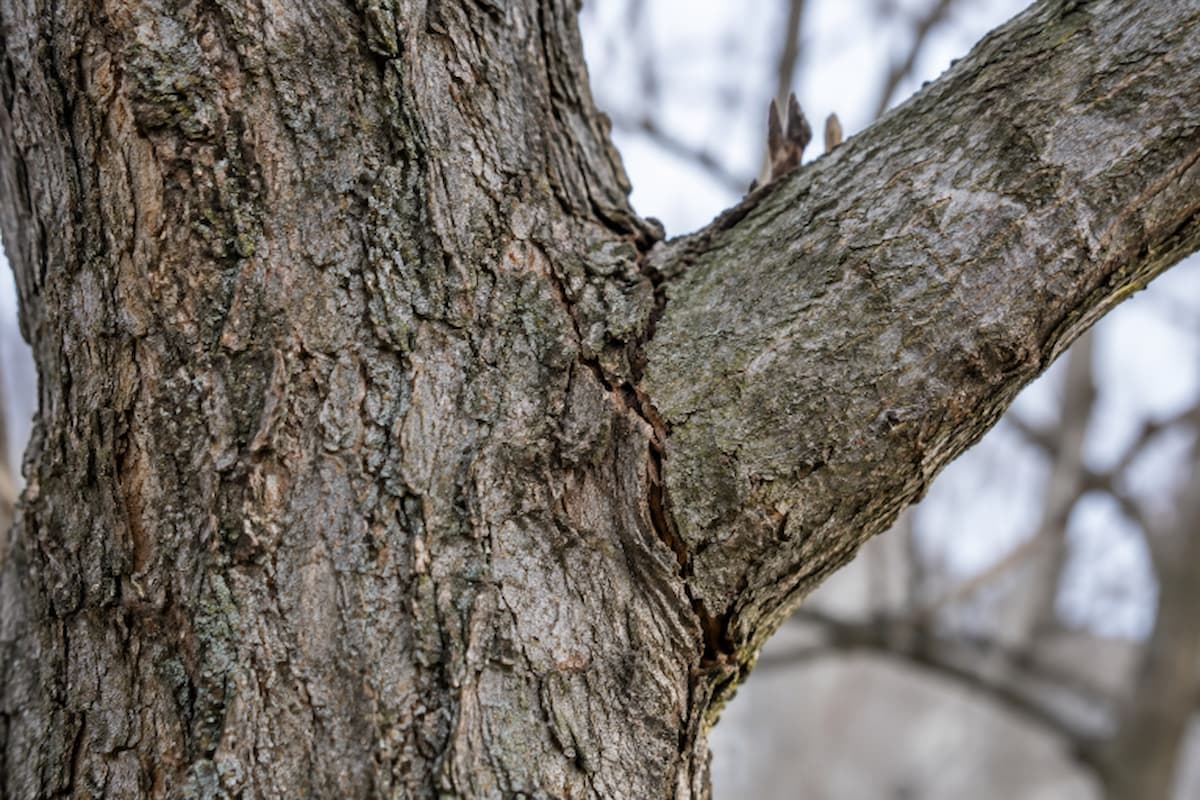
Trees often show gradual signs of stress. A branch union may develop a visible crack, a trunk wound may begin to decay, or a section of canopy may leaf out less fully than the rest. Seasonal checks make it easier to compare how a tree looked a few months ago with how it looks now.
For homeowners who need help with large limbs, storm debris, or concerns that go beyond ground-level maintenance, tree services can be part of a broader property-safety plan. The important points are the tree’s condition, its location, and what could be damaged if a limb or the trunk fails.
Winter: Inspect Structure and Plan Pruning
When deciduous trees have dropped their leaves, their branch structure is easier to see. From the ground, look for crossing limbs, deadwood, hanging branches, split bark, cavities, and branches extending over places where people park or walk. Check after periods of high wind, ice, or heavy rain.
Winter tasks to prioritize
- Note branches with visible cracks or weak-looking connections.
- Look for soil lifting or a new lean near the base of the tree.
- Review clearance around roofs, fences, vehicles, and utility lines.
- Plan selective pruning rather than removing a large portion of live canopy at once.
Avoid climbing wet or icy trees, making flush cuts against the trunk, or using a chainsaw from a ladder. Trees touching power lines should be left alone. Tennessee’s guidance for storm-damaged trees also emphasizes that removal near structures or power lines can be dangerous.
Spring: Watch New Growth, Pests, and Disease
Spring offers an early look at a tree’s health. Compare leaf size and density across the canopy. A branch or section that fails to leaf out, produces unusually small leaves, or shows dieback may need further evaluation. Check the trunk flare and surrounding soil for standing water, fresh damage, or mulch piled directly against the bark.
Spring maintenance basics
- Refresh mulch while leaving the trunk flare visible.
- Check young trees for loose ties, damaged stakes, mower injuries, and animal damage.
- Remove only small broken twigs that can be safely reached from the ground.
- Photograph unusual foliage, bark changes, or insects for comparison later.
Summer: Manage Heat, Drought, and Storm Stress
Summer combines heat stress with the possibility of fast-moving thunderstorms. Before watering, check moisture beneath the mulch rather than watering on a fixed schedule. When soil is dry, a slow, thorough soak across the root zone is generally more useful than frequent shallow watering.
After a storm, stay clear of hanging limbs, downed wires, and trees that have shifted suddenly. Inspect from a safe distance for fresh splits, broken branches, torn bark, or raised soil on one side of the trunk. Do not assume a tree needs removal simply because it lost leaves or small branches. The trunk, roots, canopy, location, and nearby targets all matter.
Fall: Prepare Trees for Cold Weather
Fall is a useful time to find problems that were concealed by dense summer foliage. Remove fallen branches from frequently used areas, observe places where water collects after rain, and make a list of issues to review during the dormant season. Newly planted trees may still need water during dry periods until the ground begins to freeze.
Watch closely for mushrooms near major roots, soft or hollow-sounding wood, extensive bark loss, or recurring early leaf drop. These signs do not automatically mean a tree is unsafe, but they can indicate that a closer inspection is warranted.
Warning Signs That Need Prompt Attention
Some conditions deserve timely assessment, particularly when a tree is near a home, driveway, roadway, or gathering area:
- A sudden lean or soil that has lifted around the root plate.
- Large cracks in the trunk or where major limbs meet.
- Dead branches positioned above a target area.
- Large cavities, soft wood, or major sections of missing bark.
- A canopy that is rapidly thinning or repeatedly losing leaves early.
- Fresh storm damage involving the trunk, roots, or large limbs.
Safe Tasks for Homeowners
Reasonable ground-level tasks
- Clear leaves and light debris from around the root zone.
- Pull mulch back so it does not touch the trunk.
- Check soil moisture during dry weather.
- Document visible changes with dated photographs.
- Pick up small twigs and branches that can be handled safely from the ground.
Tasks to avoid
- Climbing into a damaged canopy.
- Using a ladder and chainsaw together.
- Cutting near utility lines.
- Removing heavy limbs without adequate equipment, training, and a clear escape route.
- Applying a treatment before identifying whether the problem involves insects, disease, drainage, or physical damage.
When to Call a Professional
Seek qualified help for large limbs, severe leaning, visible decay, storm-damaged trees, and any tree that could strike a structure or utility line. Ask for a written scope of work, proof of insurance, and clear cleanup expectations. Be cautious of pressure to make an immediate decision or to recommend topping a tree, a practice that can create weak regrowth and additional maintenance concerns.
Resources on recognizing tree hazards and managing risk explain why a good assessment considers both the tree’s defects and the targets beneath it. Sometimes risk can be reduced through pruning, moving a vehicle or outdoor furniture, or monitoring a condition. In other situations, more extensive work may be appropriate.
A Simple Year-Round Checklist
- Winter: Inspect branch structure, cracks, deadwood, and clearance concerns.
- Spring: Check buds, leaves, mulch, drainage, and young-tree damage.
- Summer: Monitor soil moisture, avoid trunk injuries, and inspect after storms.
- Fall: Review hidden canopy damage, maintain mulch, and prepare a pruning plan.
Healthy tree care in Maryville is built on repeated, unhurried observation. A few minutes spent checking each season can help homeowners spot changes early, make safer decisions, and protect the trees that shape their property.