Table of Contents
- Biophilic Design
- Textured Finishes
- Color Zoning
- Geometric Patterns
- Sustainable Paints
- Branding Through Color
- Interactive Surfaces
- Conclusion
In the contemporary business world, the ambiance and atmosphere of a workplace have become key factors influencing productivity, employee satisfaction, recruitment, retention, and even lasting client impressions. Many business owners overlook just how transformative the right commercial painting techniques can be in redefining not only the look but also the tone and energy of their spaces. Today’s forward-thinking workplaces are moving beyond standard wall colors and collaborating with innovative professionals, such as commercial painters Salt Lake City, to implement creative approaches to office design and function. From tapping into color psychology to adopting eco-friendly options, the modern workplace is embracing painting strategies that do far more than simply refresh surfaces—they realign entire company cultures to match organizational goals and contemporary sensibilities.
Whether the goal is boosting employee morale, making a bold visual statement, or quietly supporting focused, individual work, the right paintwork forms a crucial bridge between aesthetics and function. Today’s commercial interiors have shifted away from predictable color updates toward imaginative techniques that foster creativity and align more closely with a company’s values. Strategic painting choices can unobtrusively demarcate zones, reinforce visual brand identity, and even directly promote employee well-being. By leveraging innovative materials, color palettes, and application methods, businesses can breathe new energy into otherwise standard office environments, transforming their impact on staff, potential talent, and anyone who enters the space.
Biophilic Design
Integrating natural inspirations into workplaces, a concept known as biophilic design, encompasses far more than just adding greenery or floral elements. This modern design philosophy artfully weaves earthy color palettes, organic textures, and nature-inspired motifs into office decor, allowing employees and clients to experience the emotional benefits of the great outdoors from the comfort of an indoor workspace. Current research reveals that natural cues—shades of green, brown, pale blue, or leaf-patterned wall murals—can reduce workplace stress, foster creative thinking, and promote physical and psychological well-being. These design choices bring positive physiological benefits such as reduced blood pressure and improved air quality, and can even result in measurable improvements in employee productivity and reductions in absenteeism. For organizations looking to create a tranquil, restorative environment amidst the hustle and bustle of commercial activity, adopting biophilic design is a proven way to help their teams thrive.
Textured Finishes
Wall textures like Venetian plaster, contemporary stucco, limewash, and concrete-inspired finishes bring more than just color—they create a tactile and visually dynamic layer to the workplace. By adding nuanced textures, designers introduce a sense of depth and atmosphere that elevates the ordinary into the extraordinary. These specialty finishes can transform previously overlooked walls into memorable focal points that set the tone for the entire workspace. Beyond their impressive looks, textured finishes often enhance acoustics by dampening sound and reducing ambient noise. This is particularly valuable in open-plan offices, where unwanted sound can hinder concentration and diminish productivity. For businesses wishing to express creativity, attention to detail, or a sophisticated brand persona, textured wall finishes are a highly effective and flexible choice.
Color Zoning
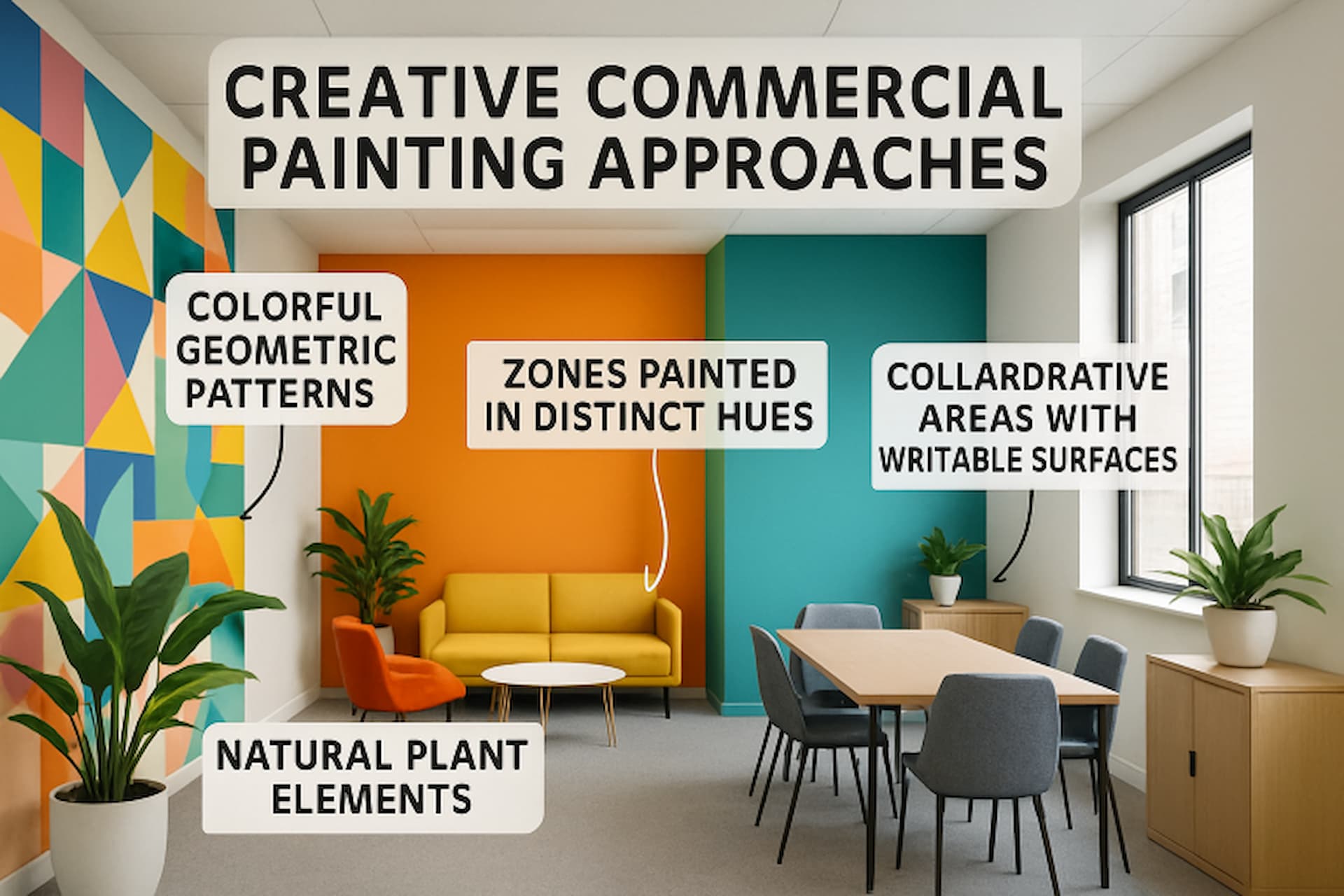
In the age of open floor plans, creating clearly defined yet fluid work areas is a common challenge, and color zoning has become one of the most effective solutions among workplace designers. This technique employs varied hues and tones to designate specific areas within a larger space, intuitively guiding employees without the need for physical dividers or signage. For instance, vibrant oranges or energetic yellows might designate collaborative break zones where creative conversation flows, while tranquil blues, greens, or muted grays could mark quiet spaces dedicated to focused, individual tasks. Such visual zoning not only clarifies a space’s intended function but also supports workflow optimization, daily efficiency, and diverse working styles. The result is a harmonious office landscape where functionality and creativity coexist seamlessly.
Geometric Patterns
The use of geometric wall patterns—including bold stripes, chevrons, hexagons, and abstract forms—breaks up the monotony of vast, flat walls and injects a playful energy into even the most utilitarian workspace. Carefully selected patterns can either pop as dramatic focal points or blend with the existing decor for subtle sophistication, making them adaptable to any branding strategy or design goal. These eye-catching patterns are particularly welcomed in industries that rely on innovation, collaboration, or a forward-thinking identity, such as tech startups or design firms. Beyond their visual appeal, geometric designs can inspire creative problem-solving and spark imagination, providing a daily visual prompt to think differently and take bold steps. As Architectural Digest points out, the strategic use of color and form influences mood, perception, and behavior, making geometric wall painting both an aesthetic and a functional decision.
Sustainable Paints
The movement toward sustainable, low-VOC, and toxin-free paint options is quickly becoming standard for conscientious organizations that value employee welfare and environmental impact. Low-VOC (volatile organic compounds) and water-based paints release far fewer harmful chemicals into the air, safeguarding the health of everyone who works in or visits the office while also minimizing unpleasant paint odors. In addition to supporting greater well-being, eco-friendly paint choices help companies meet green building certification requirements, satisfy corporate responsibility initiatives, and appeal to environmentally conscious clients and employees. For guidance on selecting the most suitable colors for different spaces, resources like This Old House offer practical tips on choosing the right hues for your rooms. By making mindful decisions about materials and colors, businesses send a clear message about their values and long-term commitment to sustainability practices. Choosing the right color palette can also influence mood and productivity, creating environments that are both inviting and functional. Additionally, thoughtful paint selection can enhance architectural features, making spaces feel larger, brighter, or more cohesive.
Branding Through Color
When businesses intentionally weave their brand’s color palette into their office interiors, it not only strengthens recognition but also cultivates a powerful sense of unity and purpose within the company culture. Repetition of signature colors on accent walls, trims, furniture, and even subtle decor details reinforces the entire brand experience for visitors, clients, and staff alike. This practice solidifies brand identity on a subconscious level and expresses organizational values and energy in a tangible, memorable way. Whether hues are subtly echoed throughout or boldly featured as statement installations, maintaining color consistency cements a company’s place in clients’ minds and creates a supportive environment where employees feel aligned with the company’s mission.
Interactive Surfaces
Today’s most progressive workplaces foster creativity, participation, and adaptability, making interactive wall surfaces, such as dry-erase (whiteboard) or chalkboard paint, highly desirable. These specialty finishes invite collaboration by allowing teams to brainstorm, sketch, or plan projects right on the office walls, turning blank expanses into productive visual workspaces. Agile project teams, creative departments, and fast-moving startups all benefit from the flexibility and immediacy that interactive surfaces provide. Besides boosting day-to-day innovation and communication, these adaptive walls transform ordinary rooms into dynamic environments that encourage ongoing exchange of fresh ideas and easy documentation of evolving initiatives.
Conclusion
The right commercial painting strategy can radically enhance not only visual appeal but also overall efficiency, well-being, and atmosphere in the modern workplace. Through approaches such as biophilic design, imaginative zoning, sustainable materials, and interactive surfaces, businesses can nurture employee happiness and support enterprise values, demonstrating a real commitment to both productivity and culture. Investing in creative, thoughtful painting solutions is an intelligent move for organizations aiming to set themselves apart; it’s an investment in productivity, employee satisfaction, and the ongoing growth and success of any workplace.