Defining the Co-Living Revolution in Urban Residential Living
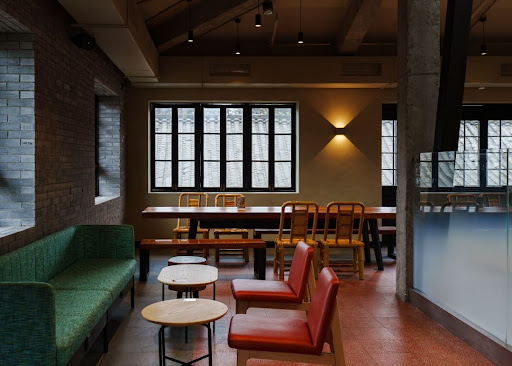
As urban populations swell, innovative housing solutions are emerging to meet the evolving needs of city dwellers. Among the most prominent of these is co-living, a concept that is rapidly redefining urban residential living. At its core, co-living offers private bedrooms within a larger, professionally managed property, featuring extensive shared common areas and a curated community experience.
How does co-living differ from traditional urban renting, shared housing, or homeownership? Unlike traditional renting, co-living often includes furnished units, all-inclusive utilities, and flexible lease terms. It goes beyond simple shared housing by providing professional management, planned community events, and a focus on fostering social connections among residents. Homeownership, with its long-term commitment and significant financial outlay, stands in stark contrast to co-living’s emphasis on flexibility and reduced personal responsibility for maintenance.
The rise of co-living is underpinned by several powerful ideologies. “Corporate futurism” positions co-living as the cutting-edge of urban living, a platform-driven service model that anticipates future housing needs. “Technocratic urbanism” frames it as an efficient, data-driven solution to urban density challenges. “Market populism” suggests it democratizes access to desirable urban locations, while “curated collectivism” promises a ready-made community, carefully designed and managed. These narratives, as explored in academic analyses, often legitimize a new form of financialized urban renting.
The target demographic for co-living spaces is primarily mobile professionals—individuals seeking flexibility, convenience, and community without the burdens of traditional leases or property ownership. These spaces are marketed to those who value experience and connection over extensive personal space, often including digital nomads, young professionals, and those new to a city. They are less geared towards homebodies or families, although some models are attempting to adapt. The appeal lies in flexible tenancies, all-inclusive pricing, and the “space-as-a-service” model, which allows residents to move between properties in different cities with ease.
The growth statistics are compelling: global funding in the co-living sector increased by over 210% annually from 2015, totaling more than $3.2 billion by 2019. In 2020, the U.S. alone had 7,820 co-living beds, with over 54,000 in the pipeline, and the market potential in Europe and the U.S. is projected to reach $550 billion over the next decade. This rapid expansion underscores how co-living is reshaping urban housing. It’s a clear indicator of a significant shift in how we approach urban residential living.
Balancing Privacy and Community in High-Density Design
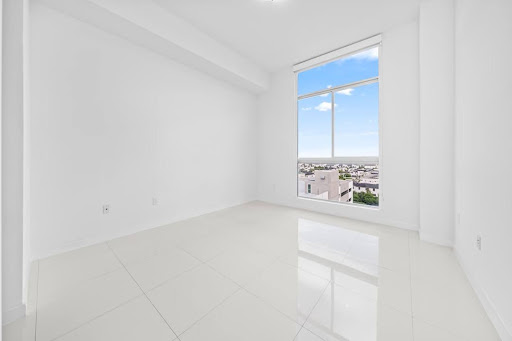
The essence of successful urban residential living, particularly in high-density models like co-living, lies in the delicate balance between fostering community and preserving individual privacy. Architects and developers play a crucial role in this equation, employing innovative design strategies to create spaces that are both communal and comfortable.
Architectural innovation is key. We see the use of sustainable materials like mass timber, which not only offers environmental benefits but also contributes to a warmer, more human-centered design aesthetic. In urban environments, noise mitigation is paramount. This is achieved through thickened facades, high-quality soundproofing between units, and strategic layouts that buffer private spaces from communal areas. For instance, properties like the Ardus urban residential often incorporate modern design elements that prioritize both aesthetic appeal and resident comfort, showcasing how contemporary urban living can be both stylish and functional.
Private balconies and large windows are essential features, providing residents with personal outdoor space and ample natural light, which can significantly improve well-being in dense settings. Simultaneously, designers optimize communal areas for various activities, from co-working spaces during the day to event venues at night. This “communal optimization” ensures that shared amenities are utilized around the clock, maximizing efficiency and fostering spontaneous interactions.
Smart home technology is increasingly integrated, offering residents automated controls for lighting, temperature, and security, adding a layer of convenience and personal control within the larger communal framework. Furthermore, sustainable building practices, such as Passive House standards, are gaining traction, ensuring energy efficiency and a healthier living environment. The NYC Principles of Good Urban Design emphasize these considerations, advocating for designs that improve daily lives, care for neighborhood identity, and confront societal challenges.
The Appeal of Urban Residential Living for Introverts
A common misconception is that urban living, especially co-living, inherently caters only to extroverted, non-homebodies. However, this is far from the truth. Urban residential living can be remarkably appealing for introverts and those who prefer spending time at home, offering a unique blend of passive sociability and convenience.
For introverts, urban environments provide an “ambient human presence” without the pressure of constant interaction. One can enjoy the energy of the city, observe life from a window, or participate in community events as desired, all while maintaining personal boundaries. This passive social exposure can combat loneliness without demanding energy-draining social engagement.
Modern soundproofing technology in well-designed urban apartments means that the perceived noise of city life can be significantly reduced, making homes surprisingly quiet sanctuaries. Furthermore, the convenience of urban living—reduced commuting times, easy access to services, and a larger pool of amenities like doctors, shops, and cultural institutions—means that introverts can minimize time spent navigating the outside world, freeing up more time for their preferred activities at home. Reddit discussions on urban homebodies often highlight these benefits, challenging the stereotype and advocating for diverse urban housing options that cater to all personality types.
Comparing City Centers to Suburban Models
The debate between urban and suburban living often presents a false dichotomy: busy city apartments versus spacious suburban single-family homes. However, the reality is far more nuanced, with evolving preferences and innovative urban planning creating a spectrum of choices.
Feature Urban Residential Living (City Centers) Suburban Single-Family Homes Density High (apartments, condos, co-living) Low (detached homes, larger lots) Amenities Access Walkable, diverse, immediate (restaurants, culture, services) Car-dependent, fewer immediate options, often chain stores Commute Times Often shorter, public transit/walking/biking options Often longer, car-dependent, traffic-prone Space Smaller private units, larger shared amenities Larger private homes, often with yards Community Curated, often transient, based on shared interests or building Neighborhood-based, often family-oriented, more stable Cost High per square foot, but can be offset by shared amenities/flexibility Lower per square foot, but higher overall property cost A significant factor shaping this landscape is single-family zoning, which in most U.S. cities, accounts for over 80% of residential land use. This restriction limits housing diversity and often pushes up costs, making urban living less accessible. Yet, polls indicate that 40-50% of Americans would prefer to live in a denser, more convenient built environment, suggesting a mismatch between zoning laws and public desire.
The “new geography of urban neighborhoods” reveals a shift in demographics and preferences. Urban neighborhoods in the 50 largest metropolitan statistical areas are now experiencing population growth rates that are approaching suburban rates. Millennials, in particular, are gravitating towards dense, mixed-use urban places, drawn by job growth concentration, diverse communities, and alternative transportation options. As detailed in reports like The New Geography of Urban Neighborhoods, urban places capture a disproportionate share of new job growth and attract younger households. This trend highlights a demand for urban amenities and lifestyles that traditional suburban models often cannot provide. The emergence of “walkable suburbs” and mixed-use districts represents a hybrid approach, offering some urban conveniences within a less dense setting, bridging the gap between city and suburb.
Future Trends in Urban Residential Living
Looking ahead, urban residential living is set to become even more diverse and amenity-rich. We are seeing a significant trend towards exclusive developments and luxury suites that redefine the rental experience, often blurring the lines between home, work, and leisure.
These developments are not just apartments; they are club-like residences offering an array of high-end amenities. Imagine mixed-use towers with integrated luxury shopping, fine dining, co-working spaces, fitness centers, social lounges, and even on-site bars and pool decks. Concierge services and curated events are becoming standard, creating a lifestyle that rivals five-star hotels.
Flexible leases are another key trend, catering to mobile professionals and those who value agility in their living arrangements. This contrasts sharply with the traditional year-long commitment, offering options for shorter stays or the ability to move between properties within a network. Some innovative platforms are even gamifying rent payments through rewards programs, making renting feel more like an investment in a lifestyle. For those seeking short-term, high-quality accommodations, options like Detroit furnished Airbnb living exemplify this blend of luxury, flexibility, and convenience in specific urban markets.
This evolution signifies a shift in consumer expectations, particularly among younger demographics, who may prioritize experience and convenience over traditional homeownership. The future of urban residential living will likely feature more hybrid models, where the best aspects of urban vitality and suburban tranquility are integrated, creating vibrant, sustainable, and highly personalized living environments.
Addressing the Challenges of Modern Urbanization

While the evolution of urban residential living brings exciting innovations, it is not without its criticisms and challenges. The rapid growth of models like co-living, and the broader trend of luxury urban developments, raises important questions about equity, affordability, and the true beneficiaries of urban progress.
One of the most significant criticisms revolves around the financialization of housing. Co-living, despite its marketed image of community and affordability, is often driven by private equity, venture capital, and institutional investors seeking higher rental yields. This can lead to residential precarity, where housing becomes a commodity for investment rather than a fundamental right. Critics argue that this intensifies the housing crisis for many, rather than solving it, by focusing on rent extraction and serving elite interests under the guise of innovation.
The impact on inequality is also a major concern. If co-living primarily caters to mobile professionals and high-income individuals, it risks reinforcing existing urban divides, creating exclusive enclaves while traditional affordable housing options dwindle. Reduced privacy, while sometimes a trade-off for amenities and community, can also be a point of contention, particularly if not adequately addressed in design.
Regulatory problems often hinder the development of diverse housing options. Outdated zoning laws and building codes may not accommodate innovative models like co-living, leading to legal problems and increased development costs. This highlights the need for urban planning that is responsive and adaptive, as discussed in various OECD Urban Studies reports on urbanization and housing.
We must ask: Is co-living a genuine solution to urban housing crises, or does it primarily serve corporate interests? While it offers some benefits like density and community, its potential to exacerbate financialization and inequality cannot be ignored. The challenge for urban planners and policymakers is to foster democratic alternatives and community-centric models that prioritize inclusive planning, ensuring that urban residential living evolves in a way that benefits all residents, not just a select few.
Frequently Asked Questions about Urban Residential Living
How does co-living differ from traditional shared housing?
Co-living distinguishes itself from traditional shared housing (like roommates splitting a rental) through several key features:
- Professional Management: Co-living spaces are managed by dedicated companies, handling maintenance, utilities, and tenant relations, unlike informal shared housing.
- Curated Community: Operators actively foster a sense of community through planned events, communal spaces, and sometimes even resident selection processes to ensure compatibility.
- Flexible Contracts: Often offers shorter, more flexible lease terms (e.g., month-to-month) compared to standard annual leases.
- Inclusive Amenities: Rent typically covers utilities, high-speed internet, furnishings, and access to a range of shared amenities like co-working spaces, gyms, and lounges.
- Higher Rental Yields: Due to the services and amenities provided, co-living units often command higher per-person rents than traditional shared housing.
- Formalized Room-Sharing: It’s a commercialized and packaged form of shared living, designed to offer a complete living experience rather than just splitting costs.
Can urban environments accommodate homebodies and families?
Absolutely. The idea that urban living is exclusively for outgoing singles or young professionals is a misconception. Urban environments can be highly accommodating for homebodies and families through:
- Diverse Housing Options: Cities are increasingly offering a range of housing types, from quiet residential streets with townhouses to apartments with excellent soundproofing and private outdoor spaces.
- Quiet Urbanism: Good urban design, as championed by initiatives like Principles of Good Urban Design, focuses on creating serene residential zones within cities. Modern construction techniques, including advanced soundproofing, can make urban homes surprisingly tranquil.
- Proximity to Services: Homebodies benefit from having essential services, entertainment, and cultural attractions within easy reach, minimizing the need for extensive travel when they do venture out.
- Family-Oriented Amenities: Many urban neighborhoods boast excellent parks, schools, libraries, and community centers, making them attractive for families. The convenience of city life can simplify daily routines for parents.
- Passive Social Benefits: As discussed earlier, urban living allows for a sense of connection and community without requiring constant active participation, which can be ideal for introverts.
Is co-living a viable solution for the urban housing crisis?
The answer is complex and depends on perspective. Co-living offers several potential benefits as a solution to the urban housing crisis:
- Affordability through Density: By maximizing land use and sharing amenities, co-living can offer more affordable options in expensive urban markets compared to traditional private apartments.
- Innovation and Supply-Side Solutions: It represents an innovative approach to increasing housing supply in dense areas, catering to a specific market segment that might otherwise struggle to find suitable housing.
However, it also faces significant criticism:
- Financialization vs. Genuine Affordability: Critics argue that co-living often prioritizes investor returns over true affordability for the broader population. The “affordable” aspect might only apply relative to luxury market rates, not to low-income residents.
- Market Potential and Elite Interests: While the market potential is massive, much of the institutional investment targets higher-income demographics, raising concerns that co-living primarily serves elite interests rather than addressing the housing needs of all income brackets.
- Corporate Profit Motives: The underlying business model is often focused on maximizing rent extraction, leading some to question its commitment to social good versus profit generation.
In conclusion, co-living can be part of a multifaceted solution, particularly for mobile professionals seeking flexible, community-rich options. However, it is not a panacea and must be considered alongside broader strategies for inclusive planning, regulatory reform, and investment in genuinely affordable housing to effectively address the urban housing crisis.
Conclusion
The evolution of modern urban living is a fascinating journey, marked by innovation, adaptation, and ongoing debate. From the rise of co-living as a flexible, community-driven alternative to the emergence of luxury suites and amenity-rich developments, our cities are constantly redefining what it means to call an urban space home. We’ve explored how these new models address the growing demand for urban residential living, catering to diverse demographics, including those who once might have been considered “homebodies.”
The role of human-centered design, sustainable practices, and thoughtful urban planning is paramount in creating cities that are not only dense and efficient but also livable, equitable, and resilient. While the challenges of financialization, precarity, and inequality persist, the ongoing dialogue and the development of democratic, community-centric alternatives offer hope for a future where urban evolution benefits everyone. The future of cities lies in our collective ability to balance residential flexibility with robust community, sustainable densification with personal privacy, and innovation with genuine inclusivity.