Key Takeaways
- Information systems automate operations and improve the quality and speed of decision-making processes.
- Advanced technologies like artificial intelligence (AI) and the Internet of Things (IoT) are foundational to business adaptability and sustained efficiency.
- Sound IS implementation delivers measurable productivity improvements and cost efficiencies across sectors.
In today’s rapidly evolving business landscape, organizations are increasingly recognizing the critical role that information systems (IS) play in driving both innovation and operational efficiency. The integration of modern technology with business processes allows companies to streamline workflows, leverage real-time data, and make smarter strategic decisions. For professionals aiming to lead in this field, pursuing an MIS degree online can provide the technical expertise and business acumen needed for success.
Information systems are not just tools; they are strategic assets that support agility, facilitate seamless communication, and drive enterprise transformation. Businesses that invest in robust IS infrastructures position themselves ahead of competitors by adapting quickly to market demands and improving responsiveness at every organizational level.
The Role of Information Systems in Modern Business
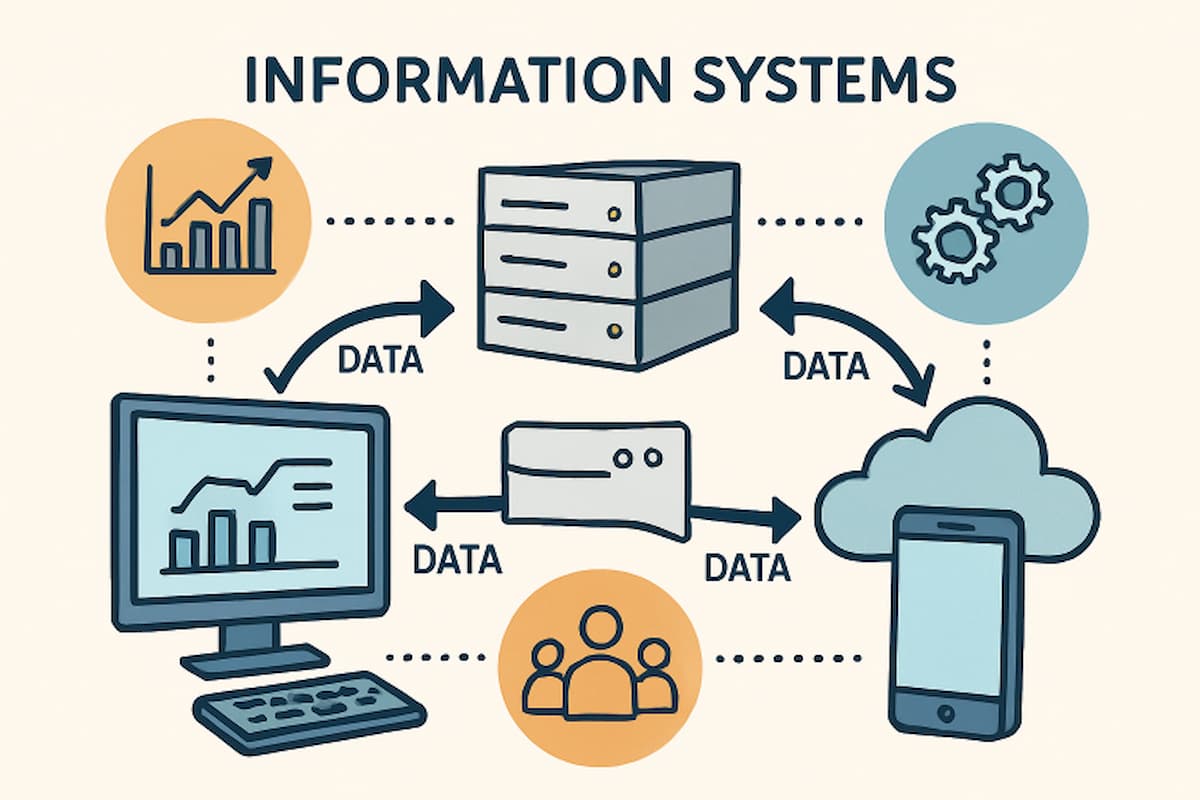
Broadly defined, information systems encompass the people, technologies, and methodologies used to collect, process, store, and distribute information. They enable organizations to manage daily operations, ensure data integrity, and sharpen their competitive edge. The combination of effective IS and a digitally literate workforce results in greater operational agility, empowering businesses to pivot when necessary and capitalize on emerging opportunities.
Through centralized platforms and integrated communication systems, key business units remain aligned to strategic goals. Enterprise Resource Planning (ERP) solutions, for example, unify multiple functions under one technological umbrella, making processes such as supply chain management and financial reporting more cohesive and transparent. IS also fosters internal collaboration and provides management with insights that inform high-level strategies.
Enhancing Decision-Making with Data Analytics
Data analytics represents a primary advantage of modern information systems. By systematically gathering and analyzing vast amounts of information, organizations can identify trends, forecast demand, and optimize resource allocation.
With analytics tools now integrated with many business IS platforms, decision-makers have immediate access to actionable insights. Marketing departments can tailor campaigns based on consumer behavior, operations managers can predict equipment failures before they happen, and finance teams can automate risk assessments. Businesses that invest in these capabilities gain not just efficiency, but also a deeper understanding of their marketplace.
Automating Operations for Increased Efficiency
Automation is a cornerstone benefit of using IS across enterprises. Information systems equipped with AI-powered tools, such as chatbots and virtual assistants, are transforming routine customer service by delivering instant and accurate responses. This reduces human error, slashes operational expenses, and frees staff to focus on complex or value-adding activities.
Beyond customer service, automation extends to supply chain logistics, HR management, and real-time inventory tracking. For instance, major retailers use automated replenishment to maintain optimal stock levels while minimizing overstock and waste. The result is a leaner, more responsive organization that can allocate resources efficiently and quickly adapt to changing demand.
Leveraging Emerging Technologies for Resilience
AI and IoT are rapidly shaping how businesses approach resilience and continuity planning. Artificial intelligence can process vast datasets at scale, support predictive analytics, and optimize decision-making. The Internet of Things connects physical assets to digital workflows, allowing businesses to monitor production lines, manage energy usage, and track assets in real time.
By embedding sensors into equipment, companies receive early warnings about maintenance needs, enabling predictive maintenance and avoiding costly downtimes. Across sectors from manufacturing to logistics, IoT empowers leaders to improve safety, cut costs, and maintain continuity even during disruptions.
Implementing Lean IT Practices
Lean IT is an approach focused on maximizing value and eliminating waste in IT operations. By promoting best practices such as service catalog management, standardized workflows, and just-in-time provisioning, organizations minimize unnecessary expenditures and enhance user satisfaction. A Lean IT framework supports a culture of continuous improvement, empowering teams to refine processes, eliminate inefficiencies, and deliver faster business outcomes.
Many companies adopt Agile methodologies and DevOps practices to accelerate service delivery further and foster collaboration among cross-functional teams. The result is a flexible, customer-centric IT infrastructure that evolves in response to organizational needs and technological advances.
Overcoming Challenges in IS Implementation
Despite compelling advantages, implementing advanced information systems is not without challenges. Businesses must anticipate high upfront costs, potential resistance to new technologies, and the need for regular updates to keep systems secure and efficient. Key to successful adoption is strategic planning, clear communication, and tailored training programs that ensure workforce readiness.
Companies that engage stakeholders early in the process, invest in change management initiatives, and foster a culture of learning overcome these hurdles and reap sustained benefits from their IS investments. Ongoing evaluation and adaptation also play a crucial role in keeping systems aligned with shifting business goals and technological trends.
Conclusion
In the digital age, leveraging information systems is essential for fostering continuous innovation and operational efficiency. Advanced IS solutions, particularly those that incorporate AI, IoT, and Lean IT principles, empower companies to make data-driven decisions, automate core functions, and build resilience against future uncertainty. Organizations that embrace these technologies not only maintain a competitive edge but also ensure sustainable growth in a dynamic marketplace.