Table of Contents
- Introduction
- Vague or Incomplete Job Descriptions
- Rushing or Delaying the Hiring Process
- Overlooking Cultural Fit
- Neglecting Reference Checks
- Relying Solely on Resumes
- Ignoring Red Flags
- Failing to Provide a Positive Candidate Experience
- Not Utilizing Modern Recruitment Tools
- Conclusion
Introduction
Bringing the right individuals into your organization is one of the most critical factors for long-term success. Yet, too often, businesses fall victim to predictable hiring pitfalls. Without a strong, deliberate approach to recruitment, companies increase their risk of poor staffing decisions, resulting in wasted resources and lost productivity. Understanding common hiring mistakes is the first step in building a more effective process that consistently attracts and retains top talent.
Recruitment errors do not just harm the immediate team. They can also diminish morale, slow growth, and tarnish the employer brand in the market. Recognizing these outcomes, it is advantageous to proactively refine your hiring strategy before making your next hire.
Vague or Incomplete Job Descriptions
The recruitment journey begins with the job description, yet many organizations stumble here. When descriptions are unclear or overly jargon-heavy, confusion reigns, and attracting the right candidates becomes a challenge. A good job post outlines key responsibilities, required experience, and specific skills, using language that appeals to a broad audience. Equally important, collaboration between HR and the department manager helps ensure that the role’s parameters and success criteria are defined upfront, reducing ambiguity and increasing hiring success rates.
Rushing or Delaying the Hiring Process
A hurried recruitment process can lead to impulsive decisions and missed warning signs, while an overly slow timeline risks losing highly qualified candidates to more agile competitors. Striking a balance is essential. Set definitive deadlines for each hiring phase and stick to them. Digital tools, such as applicant tracking systems, are invaluable for organizing processes and maintaining transparent communication with candidates throughout each stage.
Overlooking Cultural Fit
Technical qualifications are necessary, but they are not the sole indicator of success. Fitting into an organization’s culture, sharing its values, and collaborating with current staff are just as important for retention and team performance. Incorporating behavioral interview questions and involving potential colleagues in the selection process can provide deeper insight into a candidate’s compatibility with your workplace environment.
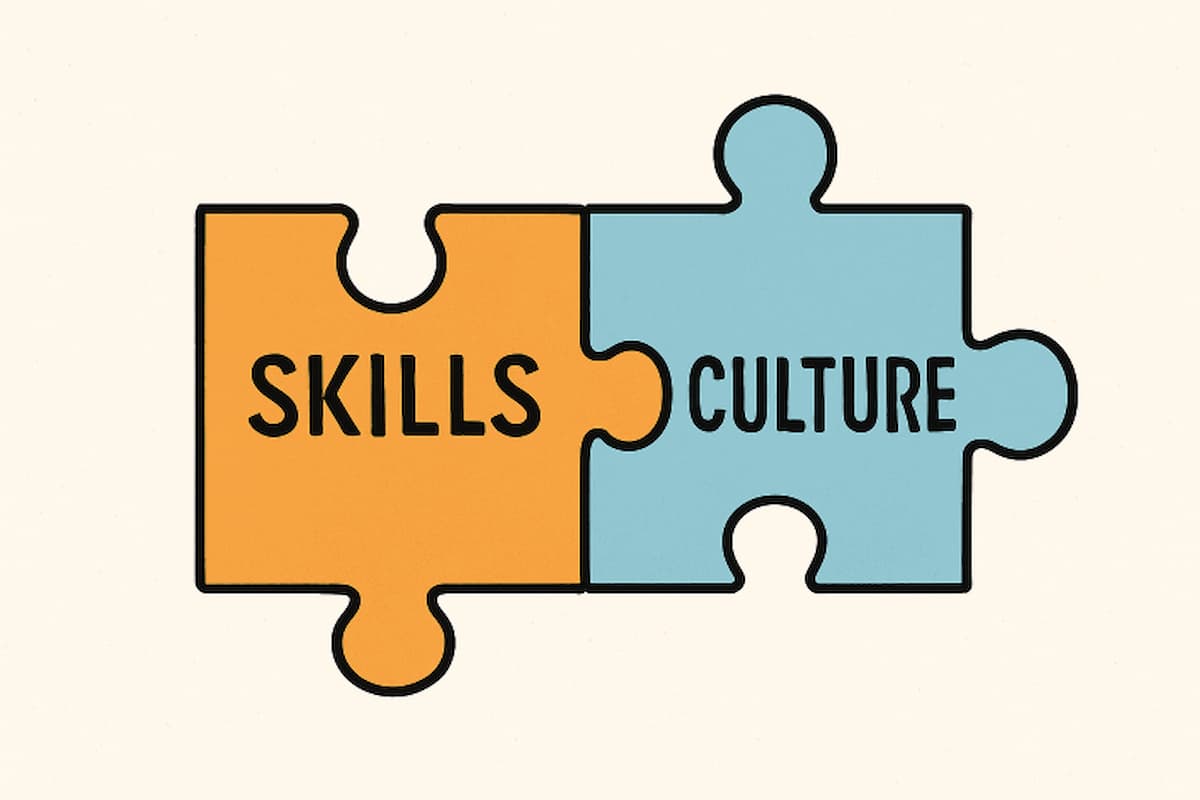
Not prioritizing this cultural alignment often leads to high turnover. Employees who feel out of place are likely to leave sooner, resulting in additional recruitment and training expenses, as noted by the Society for Human Resource Management (SHRM) in its recruitment best practices.
Neglecting Reference Checks
Passing over reference checks is a frequent, yet avoidable, hiring misstep. References can reveal important context about a candidate’s past roles, achievements, and workplace behavior, details that often do not surface in interviews. Contacting previous employers and colleagues helps verify a resume’s accuracy and assures the candidate’s potential fit, credibility, and long-term value to your team.
Relying Solely on Resumes
Resumes can present only a partial view of a candidate’s abilities, and some applicants may have overstated their achievements or skills. Instead of relying exclusively on what is written, introduce practical assessments or skills tests into your process. These tasks, tailored to your company’s needs, help you observe candidates in action and ensure their experience aligns with the demands of the role. This is particularly critical for technical positions or roles that require strong problem-solving abilities.
Ignoring Red Flags
The search for the ideal candidate can sometimes cloud judgment. Nevertheless, warnings such as frequent job changes, unclear career progression, or troubling interview behavior should not be ignored. Trust your evaluation process and address these issues openly during interviews. Discuss gaps or discrepancies with candidates directly to gain clarification and make more confident decisions on whom to advance.
Failing to Provide a Positive Candidate Experience
From the first impression onward, candidates judge organizations as much as organizations judge them. A poor, disorganized, or protracted recruitment experience can deter talented professionals from pursuing the role, and negative feedback can spread quickly through platforms like Glassdoor. Employers can stand out by being communicative, respectful, and clear. Providing regular updates and timely feedback, even to unsuccessful candidates, not only enhances your reputation but also increases your chances of attracting top-tier talent in the future.
Not Utilizing Modern Recruitment Tools
In an increasingly competitive talent marketplace, clinging to outdated recruitment methods limits both efficiency and diversity. Modern platforms and software can automate routine tasks, expand your candidate reach, and provide valuable analytics to optimize your hiring strategy. Embracing innovation in recruitment helps organizations remain agile, responsive, and competitive.
Conclusion
Every stage of the hiring process presents unique challenges that, if left unaddressed, can result in significant setbacks for teams and businesses alike. Clear communication, balanced timelines, careful evaluation of both skills and cultural fit, and strong reference checks can all reduce costly mistakes. Combine these efforts with a commitment to candidate experience and a willingness to adapt to new technologies, and you will foster a more resilient, high-performing organization prepared to thrive in the future.