Understanding the Core Components of Property Value
 Your home is likely your most significant investment. Understanding its true Property Value is essential, whether you are planning to sell, refinance, or simply want to maximize your asset’s potential.
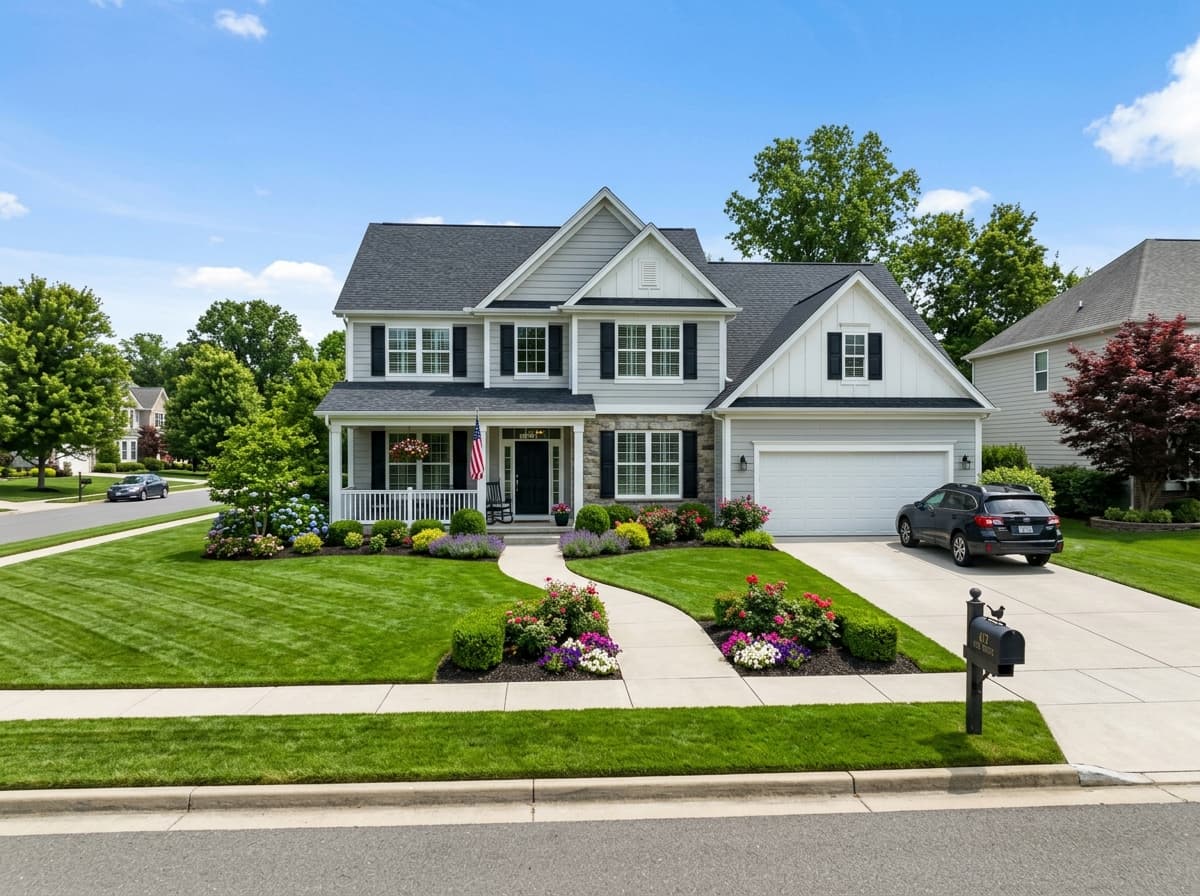
[IMAGE] of a well-maintained suburban home with high curb appeal
In this extensive guide, we will explore the intricate world of property valuation. We will break down the core components that define a home’s worth, distinguishing between the building structure and the land it sits upon. We’ll also examine how online tools estimate values, their accuracy, and when to seek a professional appraisal.
We will uncover the key factors influencing market value, from local amenities to economic trends, and provide actionable strategies to enhance your property’s appeal and financial worth. For those seeking comprehensive Data-driven property insights and listings, understanding these elements is crucial. Finally, we will discuss how external forces can lead to appreciation or depreciation, and how property value impacts critical areas like taxes and insurance.
Our goal is to equip you with the knowledge to navigate the real estate market with confidence and make informed decisions about your home.
When we talk about property value, it’s easy to assume it refers to the entire package – the house, the land, and everything in between. However, a deeper dive reveals distinct components that contribute to the overall worth. Understanding these differences is fundamental to grasping how a property is valued for various purposes, from sales to taxation.
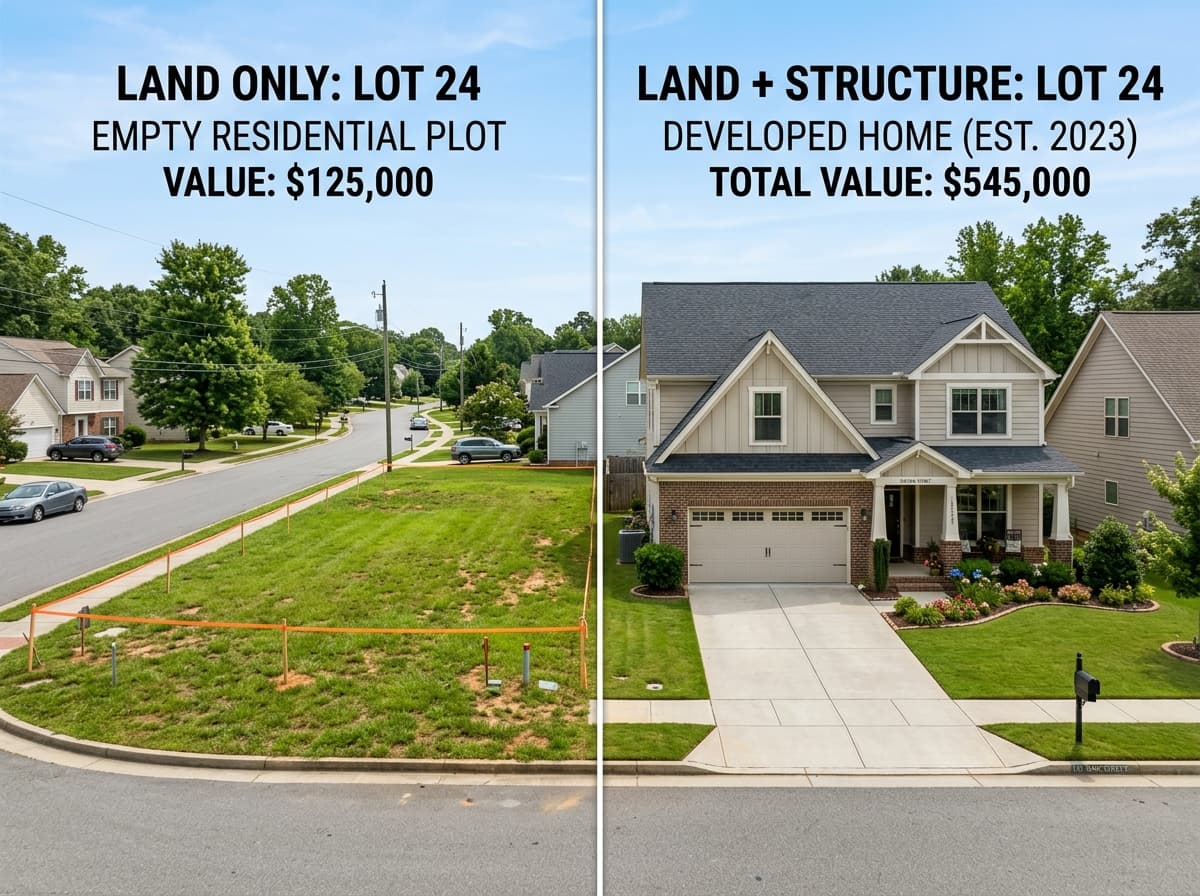 At its heart, property value represents the total worth of a piece of real estate, encompassing both the physical structure (the building) and the land it occupies. This holistic view considers everything a potential buyer would pay for. In contrast, building value specifically refers to the estimated cost of constructing or reconstructing the physical structure itself, excluding the land. This distinction becomes particularly important in scenarios like insurance, where only the structure might be covered, or in assessing flood risk, where damage estimates often focus solely on the building. For instance, an oceanfront property might have a relatively low building value compared to its land value, which could be exceptionally high due to its premium location. In some areas, the land alone can constitute as much as 50% of the total property value.
The “improvement percentage,” often used by county tax assessors, helps determine the portion of a property’s total value attributed to the building. This percentage is crucial for calculating building value separately from land value.
To further clarify, let’s look at how different valuation terms apply:
Valuation Type Definition Market Value The most probable price a property would bring in a competitive and open market under all conditions requisite to a fair sale. This is what a buyer is willing to pay. Based on current market conditions, recent comparable sales, property features, and demand. Assessed Value The value assigned to a property by a public tax assessor for the purpose of calculating property taxes. Often a percentage of the market value. Determined by local government tax assessors, using mass appraisal techniques and aiming for uniformity. Often subject to caps on annual increases (e.g., California’s Prop 13). Appraised Value An opinion of value for a specific property as of a specific date, determined by a licensed, independent appraiser. Required for most mortgage lending. Performed by a certified appraiser who conducts a thorough inspection, analyzes comparable sales, and applies various valuation methodologies. More detailed and specific than online estimates. We can see how official bodies like BC Assessment in British Columbia or the Alabama Department of Revenue for property tax assessment in Alabama, play a critical role in establishing these values for tax purposes. These entities ensure that assessments are independent, uniform, and efficient across their jurisdictions.
Distinguishing Building Value from Total Property Value
As mentioned, building value focuses solely on the physical structure. This includes the foundation, walls, roof, and interior finishes. It’s essentially the cost to replace the home if it were destroyed, excluding the land. This figure is critical for insurance purposes, ensuring adequate coverage for rebuilding.
Property value, on the other hand, is the sum of the building value and the land value. Land value is influenced by factors like parcel size, topography, accessibility, and potential for development. It’s often the most dynamic component, especially in desirable locations. For example, when exploring properties in specific regions, such as those found through a Mobile County Property Search, you’ll notice how the land’s desirability significantly impacts the overall asking price, sometimes eclipsing the value of the structure itself.
The Role of Location in Determining Property Value
It’s a real estate mantra for a reason: “location, location, location.” The geographical placement of a property is arguably the single most influential factor in its market value. A prime location can command significantly higher prices, even for properties that are otherwise modest.
Key aspects of location that drive value include:
- Neighborhood Quality: This encompasses safety, cleanliness, and the overall aesthetic appeal of the surrounding area.
- School Districts: Access to highly-rated public schools is a major draw for families and can substantially boost property values.
- Local Infrastructure: Proximity to essential services like hospitals, shopping centers, parks, and recreational facilities adds convenience and desirability.
- Commutability: Easy access to major roadways, public transportation, and employment hubs is a significant value driver.
- Future Development: Planned infrastructure projects, commercial developments, or rezoning can either positively or negatively impact future property values.
Even distressed properties like Short Sale Properties in Hollywood, FL or Foreclosure Houses in 30071, GA will see their underlying value heavily influenced by their location, making them potentially attractive investments despite their current status. The enduring appeal of a good location often provides a floor for property values, even in challenging market conditions.
How Online Estimators and Professional Appraisals Differ
Homeowners have instant access to automated valuation models (AVMs) that promise quick estimates of their property’s worth. While incredibly convenient, it’s crucial to understand how these tools operate, their accuracy, and when a professional appraisal is indispensable.
Online home value estimators, such as those offered by popular real estate platforms, leverage sophisticated algorithms and vast datasets to generate their figures. These algorithms analyze publicly available real estate information, recent sales data, local market trends, and property characteristics like square footage, number of bedrooms/bathrooms, and property type. They are designed to provide a rapid, data-driven estimate, making them excellent starting points for homeowners curious about their property’s potential worth. Resources like ARCountyData.com provide the kind of public data that feeds these systems.
Accuracy and Limitations of Online Property Value Tools
The accuracy of online home value estimators can vary significantly depending on several factors, primarily the availability and quality of data. For instance, a leading platform reports a nationwide median error rate of 1.74% for homes currently on the market. This means that for active listings, the estimate is typically quite close to the eventual sales price. However, for homes that are “off-market” (not actively listed for sale), the median error rate jumps to 7.20%. This discrepancy highlights a key limitation: online tools rely heavily on current, verified sales data. When a home isn’t actively being marketed, the data points might be older or less comprehensive.
For example, in a dynamic market like Atlanta, on-market Zestimates are within 5% of the sales price 88.34% of the time, and within 10% 96.58% of the time. This demonstrates a high degree of reliability for active listings. However, these tools cannot account for every unique detail of a property, such as recent unrecorded renovations, specific interior upgrades, or unique aesthetic features that might influence a buyer’s perception. They also don’t typically perform physical inspections. Furthermore, public data, such as that found on sites like Montgomery County Property Taxes, though extensive, might not always reflect the most recent, granular property improvements.
Therefore, while online estimators provide a valuable baseline and can help track general market trends, they are not a substitute for a professional, in-person evaluation.
When to Seek a Professional Appraisal
Despite the convenience of online tools, there are critical situations where a professional appraisal is not just recommended, but often required. A licensed appraiser provides an impartial, expert opinion of a property’s value based on a thorough inspection and a detailed analysis of comparable sales, market conditions, and property-specific characteristics.
You should opt for a professional appraisal when:
- Securing a Mortgage or Refinancing: Lenders almost always require an appraisal to ensure the property’s value supports the loan amount. This protects their investment.
- Selling Your Home: While a real estate agent can provide a Comparative Market Analysis (CMA), an appraisal offers an unbiased valuation that can help set a realistic listing price and justify it to potential buyers.
- Disputing Property Tax Assessments: If you believe your property’s assessed value for tax purposes is too high, an appraisal can provide evidence to support an appeal.
- Estate Planning or Divorce Proceedings: Appraisals are necessary to establish a fair market value for equitable distribution of assets.
- Private Sales: For transactions between individuals without a lender, an appraisal protects both buyer and seller by providing an objective valuation.
The cost of a home appraisal typically ranges between $300 and $400 on average, a small investment compared to the financial decisions it informs. It’s also important to note that appraisals are time-sensitive; they often expire after 90 days due to potential market fluctuations. For a detailed understanding of a specific property’s valuation, such as Chicago Property – 2624 Albany Avenue, a professional appraisal would provide the most accurate and legally recognized assessment.
Strategic Improvements to Enhance Your Property Value
Homeowners often wonder how they can actively contribute to their property’s financial growth. Strategic improvements, rather than mere cosmetic changes, can significantly boost a home’s market value and offer a substantial return on investment (ROI). The key is to focus on upgrades that enhance functionality, appeal, and energy efficiency, aligning with what modern buyers seek.
When considering renovations, it’s wise to prioritize projects that address core components of the home or dramatically improve living spaces. For example, properties like Short Sale Houses in Tifton, GA or Foreclosure Houses in 76258, TX often present opportunities for significant value adds through targeted renovations. These types of properties, acquired at a lower price, can see substantial appreciation with the right improvements.
High-impact improvements generally include:
- Kitchen and Bathroom Remodels: These areas are often considered the heart of a home and can yield some of the highest ROIs. Updates to fixtures, countertops, cabinetry, and appliances can transform these spaces.
- Adding Square Footage: Expanding living areas, adding a bedroom, or finishing a basement can directly increase the usable space and, consequently, the property’s value.
- Energy-Efficient Upgrades: Installing new windows, improving insulation, or upgrading to energy-efficient appliances not only saves on utility bills but also appeals to environmentally conscious buyers.
- Curb Appeal Enhancements: First impressions matter. Landscaping, a fresh coat of paint, and a well-maintained exterior can significantly increase perceived value.
Interior Renovations and Functional Upgrades
Focusing on the interior, certain renovations consistently deliver strong returns. A modern, well-equipped kitchen can be a major selling point. Think about replacing outdated appliances with energy-efficient models, upgrading to granite or quartz countertops, and installing new cabinetry. Similarly, bathroom updates, even minor ones like new vanities, lighting, and tiling, can make a big difference. Hardwood floors are also a highly desirable feature, offering durability and a classic aesthetic that appeals to a broad range of buyers. Smart home technology, such as smart thermostats, lighting systems, and security features, can also add a contemporary edge and convenience that buyers appreciate. Even for specific listings, such as Oak Lawn Property – 11016 Keating Avenue, thoughtful interior updates can significantly enhance its market appeal.
Exterior Maintenance and Window Care Property Value
Beyond the interior, a property’s exterior maintenance and curb appeal play a pivotal role in its valuation. The exterior is the first thing prospective buyers see, and a well-maintained façade signals a well-cared-for home. This includes regular landscaping, a fresh coat of exterior paint, and the condition of the roof.
One often-overlooked aspect of exterior maintenance that profoundly impacts both aesthetics and energy efficiency is window care. Sparkling clean windows enhance natural light, making interior spaces feel brighter and more inviting. Beyond cleanliness, the quality and condition of your windows contribute significantly to the home’s insulation and overall energy performance. Drafty, old windows can be a major source of heat loss in winter and heat gain in summer, leading to higher utility bills. Upgrading to energy-efficient glazing, such as double or triple-pane windows, can be a smart investment, offering long-term savings and increasing the home’s appeal to buyers. For comprehensive information on how professional Window care property value can be enhanced, exploring specialized services is highly recommended. Even undeveloped parcels like Short Sale Land in Draper, UT will eventually require these considerations once a structure is built.
External Factors Influencing Market Appreciation and Depreciation
Property values are not static; they are dynamic and constantly influenced by a myriad of external forces. These forces can lead to periods of significant appreciation, where values rise steadily, or depreciation, where values decline. Understanding these broader market trends and economic indicators is crucial for homeowners to anticipate changes and make informed decisions.
Key external factors include:
- Economic Health: A strong economy with low unemployment rates and stable job growth typically fuels housing demand and appreciation. Conversely, economic downturns can lead to depreciation.
- Interest Rates: Lower interest rates make mortgages more affordable, increasing buyer demand and pushing prices up. Higher rates have the opposite effect.
- Supply and Demand: A limited supply of homes coupled with high buyer demand will drive prices up. An oversupply of homes or a drop in demand can lead to price reductions.
- Demographic Shifts: Population growth, migration patterns, and changes in household formation can all impact local housing markets.
- Government Policies: Tax incentives, zoning changes, and infrastructure spending can significantly influence property values.
Even properties that might be considered distressed, such as Short Sale Land in 35983, GA or Foreclosure Condos in 92562, CA, are ultimately subject to these overarching market dynamics. Their potential for recovery and appreciation is tied directly to the health and trajectory of the broader real estate market.
Impact of Local Sales and Economic Trends
The most immediate external influence on a property’s market value comes from local sales activity, often referred to as “comparable sales” or “comps.” When similar homes in your neighborhood sell for higher prices, it tends to pull up the value of surrounding properties. Conversely, a series of lower sales can exert downward pressure. Real estate agents use these recent sales data extensively to perform comparative market analyses (CMAs) and help sellers price their homes competitively.
Beyond individual sales, broader economic trends at the local and regional levels play a significant role. Strong local employment rates, the presence of major employers, and ongoing economic development all contribute to a robust housing market. For example, a property like Washington DC Property – 2838 Hartford Street is inherently tied to the economic stability and growth of the nation’s capital. A thriving job market attracts more residents, increasing housing demand and leading to appreciation. Conversely, job losses or economic stagnation can reduce demand and lead to depreciation.
Tax Assessments and Legislative Impacts
Property values are also heavily influenced by how they are assessed for taxation, which can be shaped by specific legislation. In some regions, like California, unique laws significantly impact how property values change over time for tax purposes. For example, under Proposition 13 in California, a property’s “Factored Base Year Value” (FBYV) is established at its 1975 market value or when it was last purchased or new construction was completed. This FBYV can increase by no more than 2% each year, regardless of how much the actual market value appreciates. This provides homeowners with predictable, often lower, property tax increases compared to rapidly rising market values.
However, Proposition 8 comes into play during market downturns. It mandates that if a property’s current market value falls below its FBYV, the assessor must enroll the lower market value for tax purposes. This temporary reduction protects homeowners during depreciation. Once the market recovers, the assessed value can revert to the FBYV, with subsequent increases again capped at 2%. Understanding these nuances is vital, especially for properties in specific areas, such as Short Sale Houses in West Point, UT, where local tax laws can have a profound effect on the long-term financial implications of ownership. These legislative frameworks can create a disconnect between a property’s market value and its assessed value, impacting tax bills and long-term financial planning.
Frequently Asked Questions about Property Value
Understanding property value involves more than just knowing its current worth; it also means comprehending how that value evolves and impacts various aspects of homeownership. Here, we address some common questions.
How often do property values change?
Property values are in a constant state of flux, influenced by daily market activity, economic shifts, and local trends. While online estimators may update their figures frequently (some daily or weekly), official assessments for tax purposes typically occur annually, as seen with local tax authorities. Significant changes in value are often tied to economic cycles, such as periods of boom or recession, and local market fluctuations driven by supply and demand. For example, a property listed as Short Sale Land in Wheeler, TX might see its value shift more rapidly in a volatile market compared to a stable, high-demand area. Homeowners should monitor their property’s value periodically, especially when considering selling, refinancing, or making major financial decisions, as market conditions can change quickly.
Can a home’s value depreciate over time?
Yes, a home’s value can certainly depreciate. While real estate is often considered a solid long-term investment, it’s not immune to declines. Depreciation can be caused by several factors:
- Age and Condition: Over time, homes naturally age, and their components (roof, HVAC, plumbing) wear out. If not adequately maintained or updated, a home’s condition can deteriorate, leading to a decrease in value.
- Neighborhood Decline: If a neighborhood experiences a rise in crime rates, a decline in school quality, or a lack of investment in infrastructure, property values can suffer.
- Market Downturns: Broader economic recessions, high unemployment, or a surge in interest rates can reduce buyer demand across an entire region, leading to widespread property value depreciation.
- External Obsolescence: Factors outside the property boundaries, such as the construction of an undesirable commercial facility nearby or increased noise pollution, can negatively impact value.
Even properties that are considered foreclosures, such as Foreclosure Houses in 75692, TX, might be experiencing depreciation due to a combination of these factors, making their eventual market value dependent on both the extent of the issues and the overall market recovery.
How is property value used for insurance and taxes?
Property value plays a critical role in both insurance coverage and tax calculations:
- For Insurance: Insurers use property value to determine the appropriate coverage limits for your home. This typically focuses on the “replacement cost” or “building value” – the amount it would cost to rebuild your home from the ground up after a total loss. It generally does not include the land value, as land cannot be destroyed. Underinsuring your home can leave you financially vulnerable after a disaster, while overinsuring means paying unnecessary premiums.
- For Taxes: Local governments use the “assessed value” of your property to calculate your annual property taxes. As discussed earlier, this assessed value might be a percentage of the market value and is often subject to specific legislative caps on annual increases. The assessed value is tied to a specific “lien date,” typically January 1st, which determines the value used for the tax year. Property taxes are a primary source of funding for local services like schools, police, and fire departments.
Understanding these applications helps homeowners manage their finances and ensure they are adequately protected and compliant with local regulations.
Conclusion
Understanding the nuances of property valuation is essential for any homeowner looking to protect their investment and make informed decisions. From distinguishing between building and land value to appreciating the role of location and the impact of market trends, a comprehensive grasp of these concepts empowers you as a property owner.
While online estimators offer convenient starting points, we’ve seen their limitations and the irreplaceable value of a professional appraisal for critical transactions. Furthermore, strategic home improvements, both interior and exterior, including diligent window care, can significantly enhance your property’s appeal and financial worth.
By combining data-driven insights with consistent maintenance and strategic upgrades, owners can better navigate the complexities of the real estate market. For those ready to take the next step, exploring local market trends or connecting with a local expert can provide the clarity needed for a successful sale or refinance.