Table of Contents
- Biophilic Design: Connecting with Nature
- Seamless Indoor-Outdoor Transition
- Smart Technology Integration
- Sustainable Materials and Practices
- Wellness-Focused Spaces
- Climate-Responsive Design
- Conclusion
Outdoor living spaces have become integral to modern homes, serving as places for relaxation, entertainment, and wellness. As these spaces have evolved, more homeowners are seeking expert landscape design services to create environments that are both beautiful and highly functional. By weaving together principles from design, technology, and sustainability, you can transform even the most basic patio into a dynamic extension of your home. Well-designed outdoor spaces enhance daily living, offering aesthetic value while fostering human connection with the natural world.
The evolution from utilitarian yards to thoughtfully planned outdoor living rooms has been driven by a deeper understanding of what makes an environment enjoyable and healthful. Incorporating elements such as water features, lush plantings, and technological solutions can dramatically enhance a space’s comfort and visual appeal. With the right approach, homeowners can maximize their property’s potential while promoting their own well-being. Increasingly, families are seeking new ways to blend comfort, convenience, and sustainability in their backyards, decks, and gardens. This article explores six essential factors shaping the science of modern outdoor living design.
Biophilic Design: Connecting with Nature
Biophilic design centers on reconnecting people with the natural environment. By integrating organic materials, native foliage, and elements such as water features and natural stone, outdoor spaces can appeal to our innate love of nature. According to Architectural Digest, such designs not only beautify spaces but also help minimize stress, improve mood, and foster creativity. Sensory experiences like the sound of flowing water, the textures of different plants, and the interplay of natural light all work together to make these environments deeply restorative.
To further deepen this connection, designers sometimes add wildlife-friendly features, such as butterfly gardens, birdhouses, or bee hotels, to invite beneficial pollinators right into the heart of the property. Creating secluded nooks with seating or hammocks sheltered by greenery provides a sanctuary for solitary reflection or reading. By layering vegetation at multiple levels, ground cover, shrubs, and trees, outdoor spaces not only increase biodiversity but also provide year-round beauty and interest through seasonal displays. Strategic lighting can highlight textural contrast and movement after sunset, further extending the enjoyment of an outdoor retreat well into the evening hours.
Seamless Indoor-Outdoor Transition
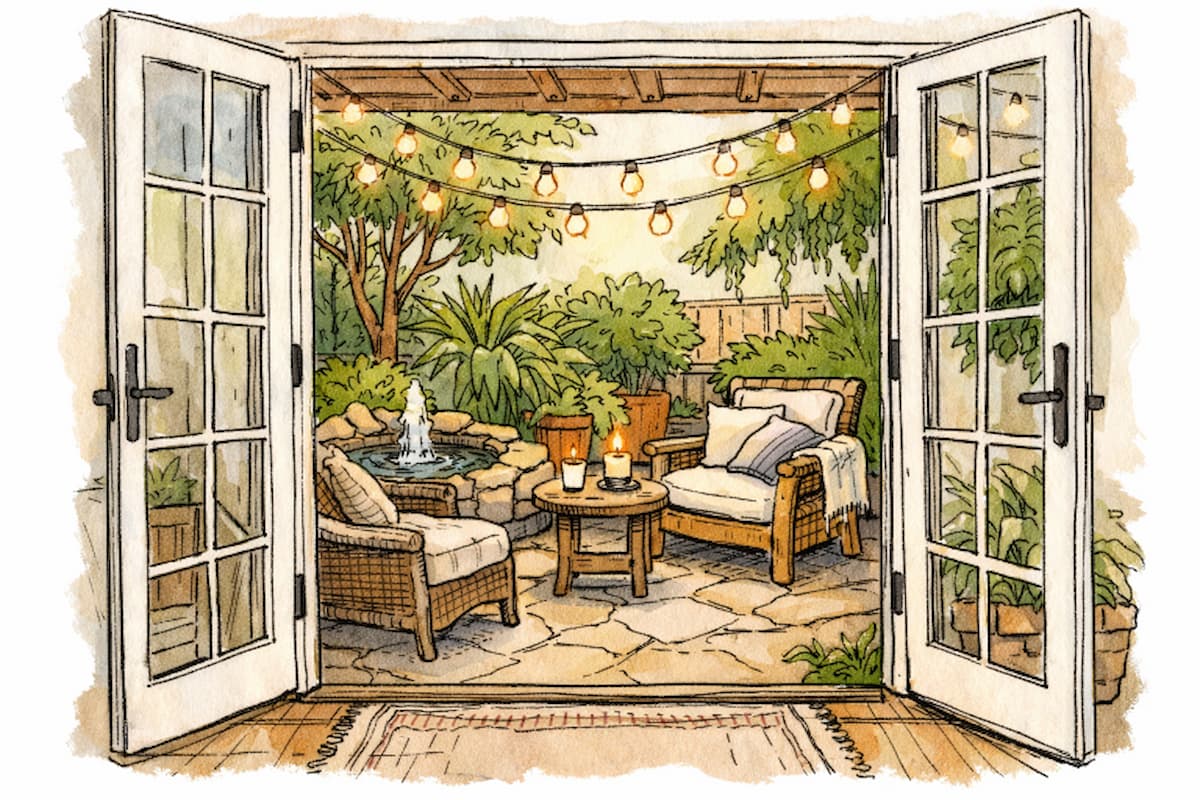
Effective transitions between indoor and outdoor areas create a sense of continuity, making the entire home feel larger and more inviting. Architectural features such as oversized glass doors or accordion windows eliminate barriers between the inside and the outside. Layout consistency, created by matching flooring materials and color palettes, further enhances this flow. These design strategies increase the usability of both indoor and outdoor zones, encouraging frequent gatherings and year-round enjoyment. Functional outdoor kitchens, dining areas, and living zones that mirror the comforts of indoor spaces can redefine how homeowners entertain guests and spend daily downtime. To ensure visual unity, designers may coordinate soft furnishings, cabinetry, and even art, using weather-resistant versions for outdoor use. This thoughtful level of design detail blurs boundaries while making both zones equally appealing and usable. The result is a seamless spatial experience that feels intentional and elevates the perception of the entire home, fostering relaxation and a sense of retreat even in a suburban setting.
Smart Technology Integration
Incorporating smart technology transforms outdoor living spaces for modern lifestyles. Automated lighting systems enable users to adjust brightness and mood remotely, while weatherproof sound systems turn patios into entertainment hubs. App-controlled irrigation optimizes plant care and water usage. Together, these technologies minimize energy consumption and enhance convenience by allowing homeowners to manage features even when they are not home. The fusion of functionality and entertainment possibilities brought by smart tech means outdoor areas are now as connected and dynamic as their indoor counterparts.
Recent advancements go beyond the basics; homeowners can now install outdoor monitors that display weather stats and pool temperature, or even integrate security features such as motion-sensor cameras and smart locks for gates and storage. A whole-home smart system enables effortless syncing of indoor and outdoor lighting scenes, so users can create inviting ambient settings with a tap on their smartphone. These innovations positively impact safety, comfort, and the space’s versatility, supporting greater design creativity and maximizing potential uses for every household member.
Sustainable Materials and Practices
Choosing sustainable materials is a cornerstone of responsible outdoor design. Composite decking made from recycled plastics, permeable pavers that allow water to be absorbed, and repurposed natural stones all reduce environmental impact. Incorporating native plant species provides drought resistance and ecosystem support while requiring less maintenance and fewer resources. These choices result in spaces that are durable, low-maintenance, and environmentally beneficial, supporting the broader trend toward green living.
Additionally, rainwater harvesting systems can be integrated into the landscape to reduce reliance on municipal water for irrigation. Solar-powered lighting and low-voltage fixtures ensure nighttime illumination is both eco-friendly and cost-efficient. Designers often recommend fewer chemical fertilizers or pesticides, instead supporting composting and organic gardening methods. All of these sustainable choices contribute to local habitat health while also lowering utility bills and ongoing maintenance obligations, making them popular with eco-conscious homeowners.
Wellness-Focused Spaces
There is a growing movement to design outdoor environments with wellness at the forefront. Features such as meditation gardens, yoga decks, and outdoor fitness installations invite users to engage in relaxing or health-promoting activities without leaving home. These dedicated zones help reduce stress and improve physical and mental health. The American Society of Landscape Architects notes that wellness gardens and other purposeful outdoor spaces provide vital respite from overstimulation and digital fatigue, supporting resilience and balance in daily life.
Wellness can also be promoted through sensory gardens with fragrant herbs, soft ground covers, and water installations that soothe with sight and sound. Comfortable furnishings, shade solutions, and improved air quality via strategic planting help residents feel at ease, turning outdoor living into a daily ritual. Gathering spaces with fire pits or soothing lighting provide warmth and calm, encouraging meaningful time with loved ones or peaceful solitude, both of which are vital for maintaining well-being in a fast-paced world.
Climate-Responsive Design
Adaptability is crucial to ensuring outdoor spaces remain comfortable regardless of seasonal changes. Climate-responsive design employs techniques such as carefully placed shade structures, windbreaks, and heat-reflective surfaces to mitigate temperature extremes. For instance, selective planting of trees or installing pergolas can create cool retreats in summer, while using wind barriers or fire features can make outdoor living viable in cooler months. Cutting-edge research continues to produce innovative solutions, such as radiant cooling structures developed by UCLA that can significantly lower ambient temperatures; learn more about these advances from the University of California.
Passive design principles, such as orienting outdoor rooms to offer shade during hot afternoons or openness to capture gentle breezes, help conserve energy and keep spaces enjoyable with minimal intervention. Designers may introduce materials that naturally stay cool to the touch or use retractable awnings for adjustability as the weather shifts. Combining technology with regional knowledge creates environments uniquely suited to their location, ensuring comfort no matter the forecast and empowering year-round outdoor living.
Conclusion
Designing exceptional outdoor living spaces is both an art and a science. By embracing biophilic principles, seamless transitions, smart technology, sustainable materials, wellness-centric features, and climate-responsive strategies, homeowners can create outdoor areas that enrich daily living and increase property value. These thoughtfully planned environments provide vital connections to nature, comfort, and community, making outdoor space a rewarding investment in well-being and real estate.
Ultimately, the best outdoor living designs are those that reflect the unique personalities, needs, and aspirations of their users. As society increasingly seeks tranquility, community, and nourishment within the domestic realm, outdoor spaces offer an unmatched opportunity. Whether your goal is a quiet reading nook by a bubbling fountain, an expansive kitchen for family barbecues, or a high-tech oasis with eco-friendly features, today’s landscape design principles and technology make anything possible. Investing in your outdoor environment is not only a way to improve your property, but it’s also a commitment to a more connected, balanced, and joy-filled way of living that pays dividends in both health and happiness for years to come.