Defining the Core Structures of Outdoor Living Spaces
The foundation of any exceptional outdoor living area begins with its core structures. These elements define the space, dictate its primary function, and set the aesthetic tone for your entire backyard. From providing essential shade to creating intimate gathering spots, understanding the nuances of each structure is key to designing a cohesive and functional outdoor environment.
Let’s explore the most popular options:
- Pergolas: These open-sided structures, often with slatted roofs, offer partial shade and a sense of enclosure without fully blocking the sky. They are excellent for defining a dining area or a cozy seating nook, and can be adorned with climbing plants for added greenery and shade. Some contemporary designs feature remote-controlled louvered roofs, allowing for adjustable sun exposure and even rain protection.
- Pavilions: More substantial than pergolas, pavilions typically have solid, often gabled roofs supported by sturdy posts. They provide full protection from sun and rain, making them ideal for outdoor kitchens, dining rooms, or even private retreats. Their robust construction allows for integrated lighting, fans, and entertainment systems, transforming them into true outdoor rooms. We’ve seen elevated pavilions built twenty feet off the ground, complete with composite flooring and cable railings, offering breathtaking views.
- Gazebos: Traditionally hexagonal or octagonal with a solid roof and open sides, gazebos evoke a classic, romantic charm. They often serve as focal points in a garden, providing a shaded spot for relaxation or intimate conversations. Modern gazebos can include built-in seating, screens, or even gourmet kitchens, as exemplified by a six-sided stone gazebo with a full kitchen, fireplace, and television.
- Patios: The most common outdoor living space, patios are ground-level paved areas typically adjacent to the home. They offer a versatile platform for various activities, from dining and lounging to hosting large gatherings. Patios can be constructed from a wide range of materials, including natural stone, pavers, concrete, or even permeable surfaces. Their design flexibility allows for easy integration with landscaping and other structures.
- Screened Porches: These structures offer the best of both worlds: outdoor enjoyment without the nuisance of insects or harsh weather. Enclosed with screens, they provide a comfortable, breezy space for relaxation, dining, or reading. A three-season screened-in porch, for instance, can replace a tired deck, offering an inviting extension of the home for much of the year.
The choice of structure significantly influences the overall character and usability of your outdoor space. When considering structures for areas prone to intense sun and humidity, such as those in the Sunshine State, exploring specialized Florida outdoor living solutions can provide tailored designs and materials that excel in such challenging climates. Modern outdoor structures frequently utilize advanced materials like wood-plastic composites (WPC) for panels and heavy-gauge powder-coated aluminum for frames, ensuring both structural durability and aesthetic appeal.
Selecting Materials for Longevity and Low Maintenance
The longevity and aesthetic appeal of your outdoor living space depend heavily on the materials chosen for its construction and furnishings. Investing in high-quality, durable materials from the outset will save you time, effort, and expense in the long run, ensuring your outdoor sanctuary remains beautiful and functional for years to come.
For structural components, heavy-gauge powder-coated aluminum is an excellent choice. It offers superior resistance to rust, UV fading, chipping, and peeling, making it ideal for frames of pergolas, pavilions, and outdoor furniture. Wood-plastic composite (WPC) panels are another innovative material, perfect for walls, decking, or privacy screens. These composites resist cracking, warping, rot, and fading, eliminating the need for painting or sealing. Similarly, High-Density Polyethylene (HDPE) lumber, often made from recycled plastics, provides a sustainable and incredibly durable option for outdoor furniture, boasting resistance to splintering, rotting, cracking, chipping, or peeling.
When it comes to natural materials, certain woods stand out for their inherent durability. Teak and acacia, for example, offer natural, timeless appeal and are known for their resistance to moisture and insects, though they may require periodic sealing to maintain their original color. Stone and concrete are popular choices for patios and walkways, offering immense strength and requiring minimal upkeep.
For outdoor furnishings, performance fabrics are essential. These specialized materials are designed to be fade-resistant, quick-drying, and resilient against moisture and UV rays. They are often soft to the touch while maintaining their structural integrity and vibrant colors through various weather conditions. Pairing these fabrics with rust-resistant finishes on metal components ensures that every part of your outdoor setup can withstand the elements. Thoughtful weatherproofing, such as using furniture covers or storing cushions in dry places during harsh weather, further extends the lifespan of your investment.
Controlling Sunlight and Temperature in Outdoor Living Spaces
Optimizing comfort in outdoor living spaces often comes down to effectively managing sunlight and temperature. The right shade structures can transform an uncomfortably hot area into a cool, inviting retreat, extending the usability of your outdoor space throughout the day and into warmer seasons.
Louvered roofs represent a significant advancement in climate control for outdoor areas. These sophisticated systems feature adjustable slats that can be tilted to block direct sunlight, create partial shade, or even close completely to offer protection from rain. What makes modern louvered roofs particularly appealing is their integration with technology. Many systems are remote-controlled, allowing homeowners to adjust the louvers with the touch of a button. Some can even be integrated with home automation systems, enabling pre-set schedules or automatic adjustments based on weather conditions. This level of control provides unparalleled flexibility in creating the perfect outdoor ambiance.
Beyond louvered roofs, other shade structures play crucial roles. Traditional pergolas, with their open rafter designs, offer dappled shade, creating a pleasant, airy feel. Adding retractable canopies or sails to pergolas can provide more comprehensive sun protection when needed. Umbrellas, whether freestanding or integrated into dining sets, offer flexible, localized shade that can be moved or tilted as the sun shifts.
When selecting shade structures, consider their resilience to local weather conditions. Look for products rated for specific wind resistance and snow load ratings, especially if you live in an area with strong winds or heavy snowfall. For instance, some premium louvered pergolas are rated to withstand winds up to 82 MPH and snow loads of 17 lbs./sq. ft., ensuring they remain stable and functional even in challenging climates. By strategically deploying these shade solutions, we can create outdoor environments that are comfortable and enjoyable regardless of the weather.
Designing Functional Zones for Entertainment and Comfort
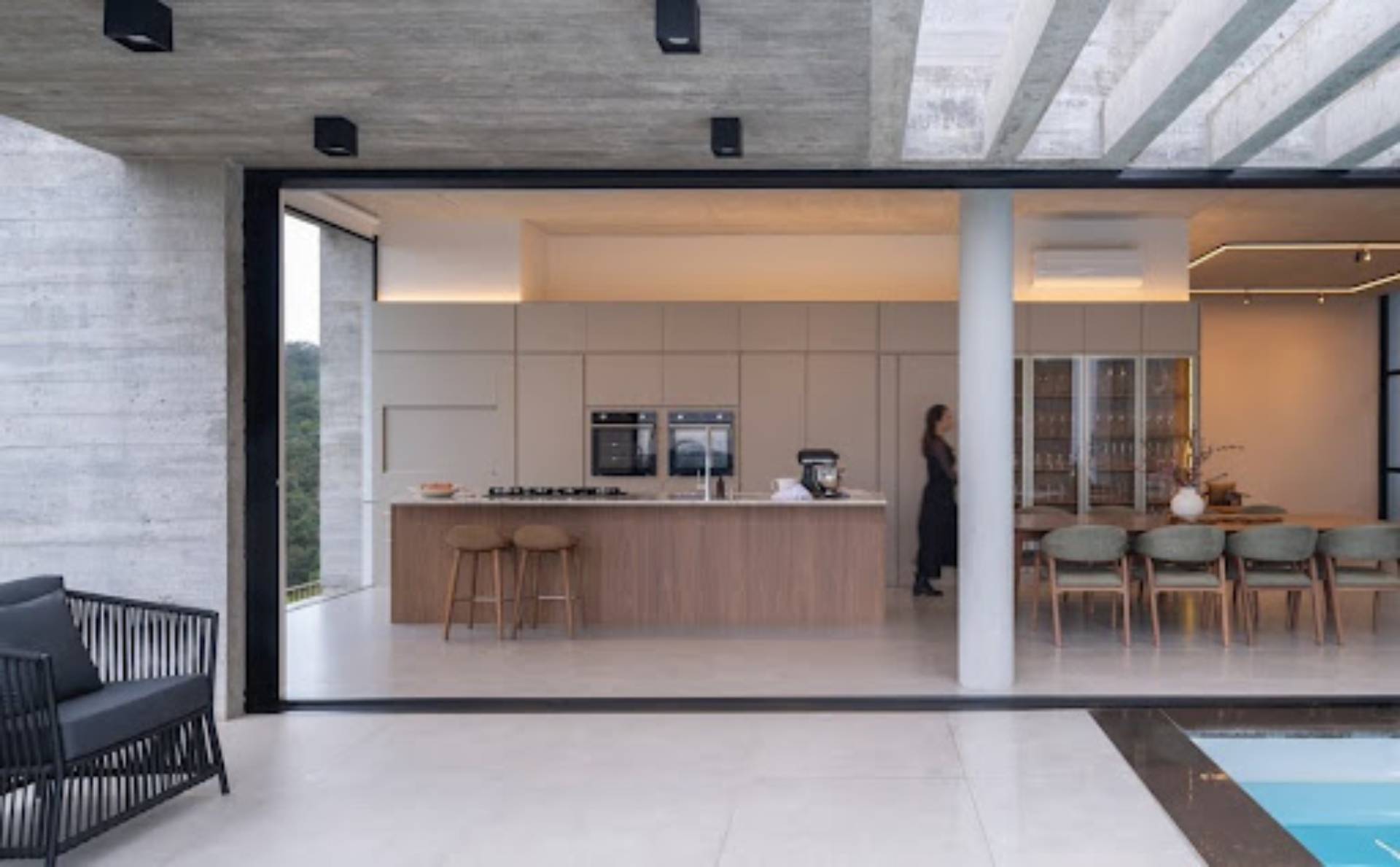
Transforming an undifferentiated backyard into a dynamic outdoor living space involves thoughtful design that creates distinct functional zones. Just as we organize rooms within a home for specific purposes, outdoor areas benefit immensely from deliberate zoning. This approach enhances usability, improves traffic flow, and maximizes the potential for both entertainment and relaxation.
Effective zoning begins with understanding how you intend to use the space. Do you envision a vibrant hub for social gatherings, a tranquil retreat for quiet contemplation, or a versatile area that accommodates both? By mapping out these intended uses, we can delineate zones for cooking and dining, lounging, conversation, and even play.
Traffic flow is a critical consideration in this process. Pathways should guide guests smoothly between zones, avoiding bottlenecks or awkward detours. For instance, a clear route from the indoor kitchen to an outdoor dining area, or from a lounge space to a fire pit, ensures a seamless experience. The placement of furniture, structures, and landscaping elements should all contribute to an intuitive and comfortable flow.
Incorporating key functional features like outdoor kitchens, fire pits, and landscape lighting within these zones further enhances their utility and appeal. An outdoor kitchen, for example, becomes the heart of an entertaining zone, while a fire pit anchors a cozy conversation area. Thoughtful landscape lighting extends the usability of these zones into the evening, creating ambiance and ensuring safety. In Seattle, Washington, where residential properties make up about two-thirds of the city’s land, well-planned outdoor spaces can become an important extension of the home. Seattle landscaping can help bring together planting, pathways, lighting, and gathering areas in a way that feels cohesive and functional.
To illustrate the options available for central outdoor features, consider the comparison between built-in masonry kitchens and modular pre-assembled kitchens:
![TABLE] comparing built-in masonry kitchens and modular pre-assembled kitchens]
This strategic approach to zoning, combined with the integration of essential features, allows us to craft outdoor living spaces that are not only beautiful but also highly functional and deeply comfortable.
Culinary and Social Hubs: Kitchens, Bars, and Fireplaces
The allure of outdoor living often culminates in the creation of dedicated culinary and social hubs. These areas transform a simple backyard into a vibrant extension of your home, perfect for entertaining guests or enjoying family meals al fresco.
Outdoor Kitchens: These are arguably the most sought-after outdoor feature, and for good reason. A well-designed outdoor kitchen allows for meal preparation, cooking, and cleanup without ever needing to step inside. They can range from simple grill stations to elaborate setups complete with pizza ovens, griddles, sinks, refrigerators, and even kegerators. The key is to design a layout that supports efficient workflow, much like an indoor kitchen. Some homeowners opt for separate kitchen pavilions to keep smoke away from guests and create better traffic flow, dedicating zones for cooking and food preparation distinct from the main seating areas. Modular outdoor kitchen systems, often featuring weather-resistant cast cement panels, offer rapid assembly (sometimes in a single day) and exceptional durability, making them a popular choice for those seeking a long-lasting, fully contained setup.
Outdoor Bars: Complementing the kitchen, an outdoor bar elevates the entertainment experience. Whether it’s a simple counter with bar stools or a full-service bar with built-in refrigeration and a pass-through serving window, it provides a convenient spot for drinks and casual conversation. Integrating dry storage into these areas is crucial for keeping outdoor plates, flatware, and serving items organized and protected from the elements.
Fire Features: Nothing creates ambiance quite like a fire feature. From traditional fire pits to modern linear gas fireplaces, these elements provide warmth, light, and a natural gathering point. Fire pits are excellent for roasting marshmallows and fostering convivial conversation. Linear gas fireplaces, often integrated into seating walls, offer a contemporary aesthetic and can be controlled remotely. When installing fire features, ensuring proper utility connections (gas lines, electrical) and adherence to local safety codes is paramount. Seating walls built around fire features not only define the space but also provide additional, low-maintenance seating. These hubs are designed to be centers of activity, drawing people together and creating memorable moments outdoors.
Creating Cozy Seating Areas in Outdoor Living Spaces
Beyond the functional aspects of cooking and dining, outdoor living spaces truly shine when they offer comfortable and inviting areas for relaxation and conversation. Crafting cozy seating zones transforms a patio or deck into an outdoor living room, a place where people naturally gravitate to unwind.
The selection of outdoor furniture is central to achieving this comfort. Options like classic Adirondack chairs, known for their relaxed recline, are perfect for individual lounging or gathering around a fire pit. For more expansive comfort, deep seating sectionals, complete with plush, supportive cushions, create an outdoor sofa experience ideal for extended lounging or entertaining guests. When choosing furniture, prioritize pieces made with high-performance fabrics that are soft to the touch yet resilient against moisture, UV rays, and general wear. These materials ensure that cushions remain comfortable and vibrant even after exposure to the elements.
Layout planning is crucial for maximizing both comfort and functionality. Consider creating distinct zones, such as a fire pit gathering area and a shaded lounge area, as demonstrated in successful backyard renovations. When arranging furniture, ensure there are adequate clearance zones for easy movement. A minimum of three feet of walking clearance around chairs, especially near a fire pit, is a good rule of thumb.
Focal points can anchor a seating area and draw the eye, enhancing the sense of coziness. This could be a striking outdoor fireplace, a unique water feature, or even a statement piece of art. Incorporating elements like outdoor rugs, throw pillows, and blankets adds layers of texture and warmth, mirroring the comfort of an indoor living room. String lights or lanterns draped above the seating area further enhance the ambiance, creating an intimate glow as evening falls. By thoughtfully combining comfortable furnishings, strategic layouts, and atmospheric touches, we can design outdoor seating areas that invite lingering and foster genuine connection.
Integrating Hardscaping, Landscaping, and Privacy Elements
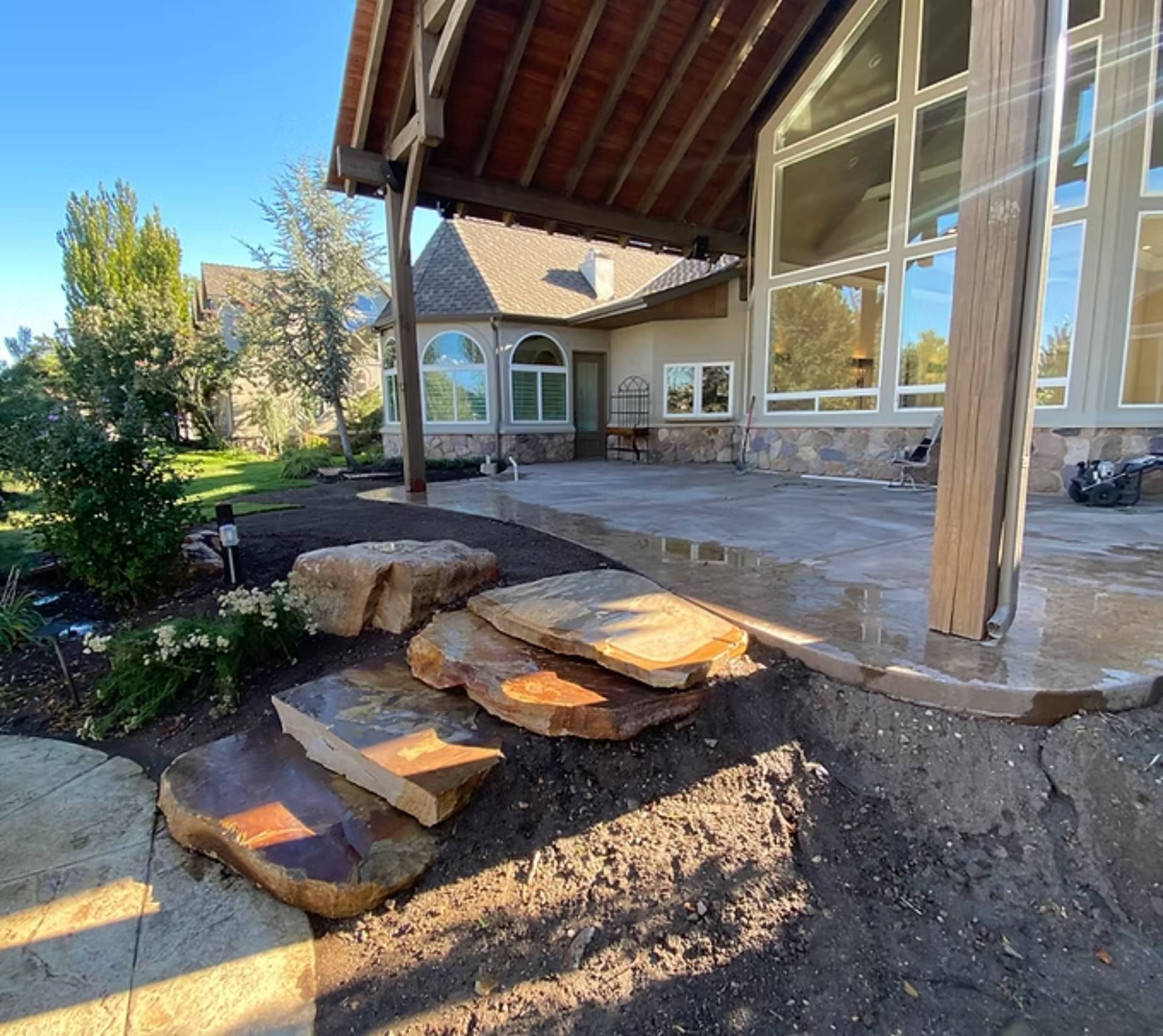
The true artistry of outdoor living space design lies in the seamless integration of hardscaping, landscaping, and privacy elements. These components work in concert to define the space, enhance its beauty, and create a sense of seclusion and tranquility. Hardscaping provides the structure and pathways, landscaping brings life and color, and privacy features ensure comfort and intimacy.
Hardscaping forms the backbone of any outdoor living area. This includes patios, walkways, retaining walls, and other non-living elements. The choice of materials for hardscaping significantly impacts both aesthetics and durability. Natural stone pavers offer timeless elegance and exceptional longevity, while concrete pavers provide a versatile and often more budget-friendly option. For properties with sloping terrain, well-designed Outdoor living space earth retaining systems are not only functional for managing erosion and creating usable flat areas but also add architectural interest and can define different levels within the landscape.
Effective drainage systems are paramount to protect your investment. Custom gutters on overhead structures, permeable pavers, and proper grading ensure that rainwater is managed efficiently, preventing erosion, protecting foundations, and keeping patios dry during storms.
Landscaping softens the hard edges of built structures, introducing organic forms, textures, and colors. It includes everything from trees and shrubs to perennial beds and groundcovers. Thoughtful plant selection can create visual harmony, provide shade, and attract local wildlife, enriching the overall outdoor experience.
Privacy elements are essential for creating a truly comfortable outdoor retreat. Hedges, privacy screens, and strategically placed trees can block undesirable views and shield your space from neighbors, transforming an open yard into a secluded haven. These elements, when combined judiciously, create outdoor living spaces that are both functional and aesthetically captivating.
Plant Selection and Water-Efficient Landscaping
In an era where environmental consciousness is increasingly important, plant selection and water-efficient landscaping have become cornerstones of sustainable outdoor living space design. Choosing the right plants not only enhances the beauty of your space but also significantly reduces maintenance and water consumption, particularly in regions prone to drought.
The most effective strategy is to prioritize native plants. These species are inherently adapted to the local climate, soil conditions, and rainfall patterns, meaning they require less water, fertilizer, and pest control than non-native alternatives. For example, in the Salt Lake City area, drought-tolerant natives like Rocky Mountain juniper and Utah honeysuckle thrive, offering both hardiness and visual appeal.
Xeriscaping, a landscaping method focused on water conservation, is an excellent approach for designing beautiful yet low-water outdoor areas. This technique involves grouping plants with similar water needs, using drought-resistant species, and employing efficient irrigation methods. In arid regions like the Southwest, xeriscaping can reduce water usage by up to 80%.
Beyond plant choice, implementing smart irrigation practices is crucial. Drip irrigation systems deliver water directly to the plant roots, minimizing evaporation and runoff. Smart irrigation controllers, such as those from Rachio or Hunter, utilize local weather data to adjust watering schedules automatically, ensuring plants receive only the water they need.
For privacy, dense privacy hedges or strategically placed evergreen shrubs can create natural screens that are both beautiful and effective. In smaller spaces, vertical gardens or green walls offer an innovative way to incorporate lush greenery while conserving ground space and potentially reducing water usage. By embracing these principles, we can design landscapes that are not only stunning but also environmentally responsible and easy to maintain.
Incorporating Water Features and Ambient Lighting
To truly elevate an outdoor living space from functional to enchanting, the strategic incorporation of water features and ambient lighting is indispensable. These elements engage the senses, create mood, and extend the usability of your outdoor areas into the evening hours.
Water features introduce a dynamic, sensory dimension. The gentle sound of flowing water from a recirculating fountain can mask unwanted neighborhood noise, creating a calming and private atmosphere. From simple birdbaths to elaborate garden ponds or modern linear water walls, water features add visual harmony, reflect light, and attract local wildlife. Recirculating fountains are particularly water-efficient, as they reuse the same water, making them an eco-friendly choice. The design of a water feature should complement the overall style of your outdoor space, whether it’s a Japanese-inspired tea house garden with a pond or a contemporary patio with a sleek, minimalist fountain.
Ambient lighting is critical for both functionality and aesthetics once the sun sets. It transforms the outdoor environment, highlighting key features, ensuring safety, and creating a warm, inviting glow. Low-voltage LED lighting is the preferred choice for outdoor applications due to its energy efficiency, longevity, and versatility.
Different types of lighting serve different purposes:
- Path lights illuminate walkways, guiding guests safely.
- Uplighting can dramatically showcase architectural elements, trees, or textured walls, adding depth and visual interest.
- String lights draped across pergolas or patio covers create a festive and cozy atmosphere, perfect for entertaining.
- Smart lighting systems allow for remote control, dimming capabilities, and even color changes, enabling you to adjust the mood with ease.
Beyond these, integrated LED lighting within structures like louvered pergolas or outdoor kitchens provides functional illumination for tasks while contributing to the overall ambiance. By thoughtfully combining the soothing presence of water with strategic, atmospheric lighting, we can craft outdoor living spaces that are captivating both day and night.
Year-Round Usability, Budgeting, and Project Execution
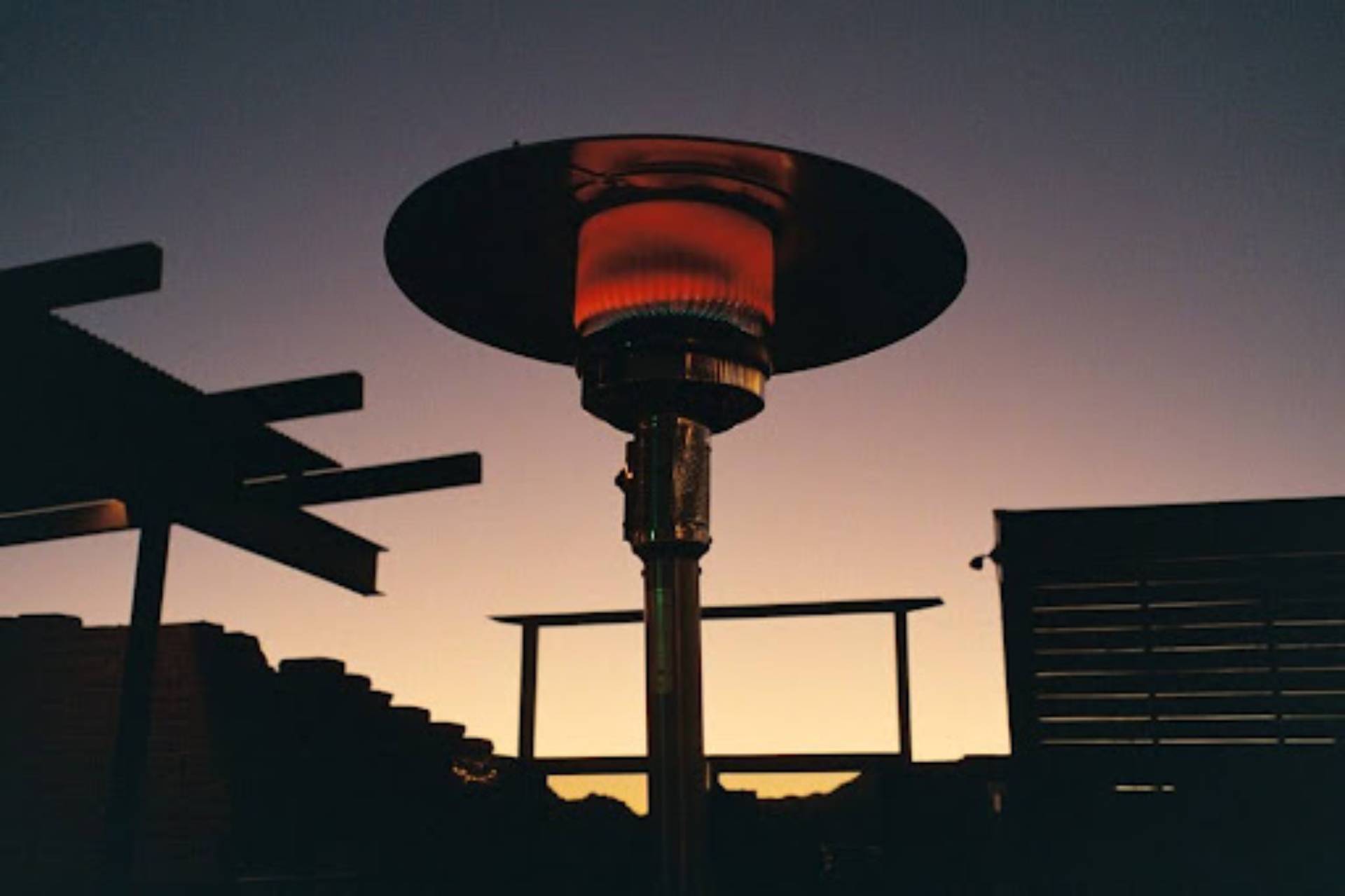
The goal for many homeowners today is to create outdoor living spaces that transcend seasonal limitations, offering comfort and enjoyment throughout the year. Achieving year-round usability requires careful planning, climate-specific adaptations, and strategic investments in heating, cooling, and weather protection.
For colder climates, innovations like heated concrete patios can extend the outdoor season well into autumn and even winter. Complementing these, infrared heaters or built-in outdoor fireplaces provide localized warmth, making cooler evenings pleasant. Enclosed structures like four-season rooms or screened porches with convertible windows offer complete weather protection, allowing for use even during inclement weather.
In warmer regions, cooling solutions become paramount. Ceiling fans integrated into pavilions or pergolas can create a comfortable breeze, while strategically placed shade structures, as discussed earlier, mitigate direct sun exposure. For homeowners in sun-ddrenched areas, designing Southern California outdoor living spaces often involves a strong emphasis on shade, cooling misters, and drought-tolerant landscaping to ensure comfort and sustainability.
Climate adaptation also extends to material choices. Selecting materials that can withstand extreme temperatures, moisture, and UV exposure without deterioration is crucial. For instance, WPC panels and powder-coated aluminum frames are designed for year-round resistance to cracking, warping, and fading, ensuring structural integrity through all seasons. By integrating these thoughtful design elements and technologies, we can transform outdoor spaces into truly versatile havens, usable regardless of the weather.
Budget Planning, Permitting, and Contractor Selection
Embarking on an outdoor living project is an exciting endeavor, but its success hinges on meticulous budget planning, navigating the necessary permits, and selecting the right professionals for the job. These foundational steps ensure a smooth process, quality construction, and a return on your investment.
Budget Planning: Start by defining your vision and then research the costs associated with your desired features. While outdoor living spaces can significantly increase a home’s value (up to 20%), understanding the potential return on investment (ROI) for specific features is beneficial. For example, high-end outdoor kitchens can yield a 50-80% ROI in sought-after neighborhoods. Allocate funds for both materials and labor, and always include a contingency fund (10-15% of the total budget) for unexpected expenses.
Permitting and Regulations: This is a crucial, often overlooked, step. Most permanent outdoor structures, such as pavilions, large pergolas, or outdoor kitchens with utility connections, will require building permits from your local municipality. Additionally, your homeowner’s association (HOA) may have specific regulations regarding design, materials, and placement. It’s essential to understand zoning setbacks—the required distance structures must be from property lines—before any construction begins. A professional contractor can often assist with permit acquisition, ensuring all plans comply with local codes and regulations. Ignoring these requirements can lead to costly delays, fines, or even the forced removal of structures.
Contractor Selection: Choosing the right contractor is paramount for quality construction. Look for experienced professionals with a strong portfolio of outdoor living projects. Request bids from multiple contractors, ensuring each bid is detailed and transparent, outlining materials, labor, and timelines. Verify licenses, insurance, and references. A reputable contractor will not only execute the build but also offer valuable insights into design, material selection, and navigating local regulations. They can help manage subcontractors for electrical, plumbing, and landscaping, ensuring a cohesive and high-quality final product. Construction timelines for high-end projects can vary, but typically range from 8-12 weeks from design to completion with an experienced team. By carefully managing these aspects, we can ensure our outdoor living vision becomes a well-executed reality.
Frequently Asked Questions about Outdoor Living Spaces
As homeowners increasingly recognize the value and joy that well-designed outdoor living spaces bring, several common questions arise. We’ve compiled answers to address some of the most pressing concerns.
How much value does an outdoor living space add to a home?
A thoughtfully designed outdoor living space can significantly enhance a home’s overall value and market appeal. Research indicates that these improvements can increase a home’s value by up to 20%. Homes with well-executed outdoor areas also tend to sell up to 20% faster than those without, attracting more buyers and potentially higher offers. Features like gourmet outdoor kitchens and custom fire pits are consistently among the most desired outdoor amenities, with 65% of homeowners prioritizing them. These elements often boast a strong return on investment (ROI), with high-end outdoor kitchens, for example, potentially yielding 50-80% ROI in competitive markets. The impact extends beyond monetary value, contributing to lifestyle benefits that are highly attractive to prospective buyers, essentially adding functional square footage to your property.
What are the best low-maintenance materials for outdoor structures?
For maximum durability and minimal upkeep, selecting the right materials is crucial. We recommend focusing on:
- Powder-Coated Aluminum: This heavy-gauge metal resists rust, UV fading, chipping, and peeling, making it ideal for structural frames (pergolas, pavilions) and furniture. It requires only occasional cleaning with mild soap and water.
- Wood-Plastic Composites (WPC): Used for decking, wall panels, or privacy screens, WPC materials are engineered to resist cracking, warping, rot, and fading. They eliminate the need for painting, staining, or sealing, offering year-round resilience.
- High-Density Polyethylene (HDPE) Lumber: Often made from recycled plastics, HDPE lumber is exceptionally durable for outdoor furniture. It won’t splinter, rot, crack, chip, or peel and maintains its color without special treatments.
- Performance Fabrics: For cushions and upholstery, choose solution-dyed acrylic fabrics that are fade-resistant, quick-drying, and resistant to mold and mildew. While they benefit from covers during harsh weather, they are designed to withstand outdoor conditions.
These materials ensure your outdoor structures and furnishings remain beautiful and functional with minimal effort over time.
Do I need a building permit for a pergola, pavilion, or patio?
The requirement for a building permit depends heavily on your local municipality’s building codes, zoning regulations, and any applicable homeowner’s association (HOA) rules. Generally:
- Patios: Ground-level patios, especially those made of pavers or concrete, often do not require a building permit if they are not covered or attached to the house’s foundation.
- Pergolas: Small, freestanding pergolas with open, slatted roofs may not require a permit. However, larger pergolas, those attached to the house, or those with solid or retractable roofs often do.
- Pavilions: Due to their solid roofs and more substantial construction, pavilions almost always require a building permit.
- Outdoor Kitchens: If your outdoor kitchen involves gas lines, plumbing, or electrical connections, permits for these utilities will be necessary, in addition to any structural permits for the kitchen’s framework.
It is always best practice to consult with your local building department or a licensed contractor before starting any project. They can provide specific guidance on setback requirements (how far structures must be from property lines) and assist with the permit acquisition process, ensuring your project complies with all local regulations and avoids potential issues down the line.
Conclusion
The evolution of outdoor living spaces reflects a profound shift in how we view and utilize our homes. No longer mere extensions, these areas are now integral components of our lifestyle, offering comfort, entertainment, and a deep connection to the natural world. From the robust elegance of a pavilion to the serene simplicity of a well-designed patio, each element contributes to a cohesive outdoor ecosystem.
We’ve explored how strategic design, durable materials, and thoughtful integration of features like outdoor kitchens and fire pits can transform a property. By understanding the nuances of shade structures, embracing water-efficient landscaping, and planning for year-round usability, we empower homeowners to create spaces that are not only beautiful but also highly functional and sustainable.
The investment in outdoor living spaces yields significant returns, both in terms of increased property value and an enriched quality of life. As we look towards July 2026 and beyond, the trend of enhancing our outdoor environments will only continue to grow. By applying the insights shared here, we can turn any backyard into a personalized oasis, a testament to thoughtful design and the enduring appeal of living well, both indoors and out.