Introduction
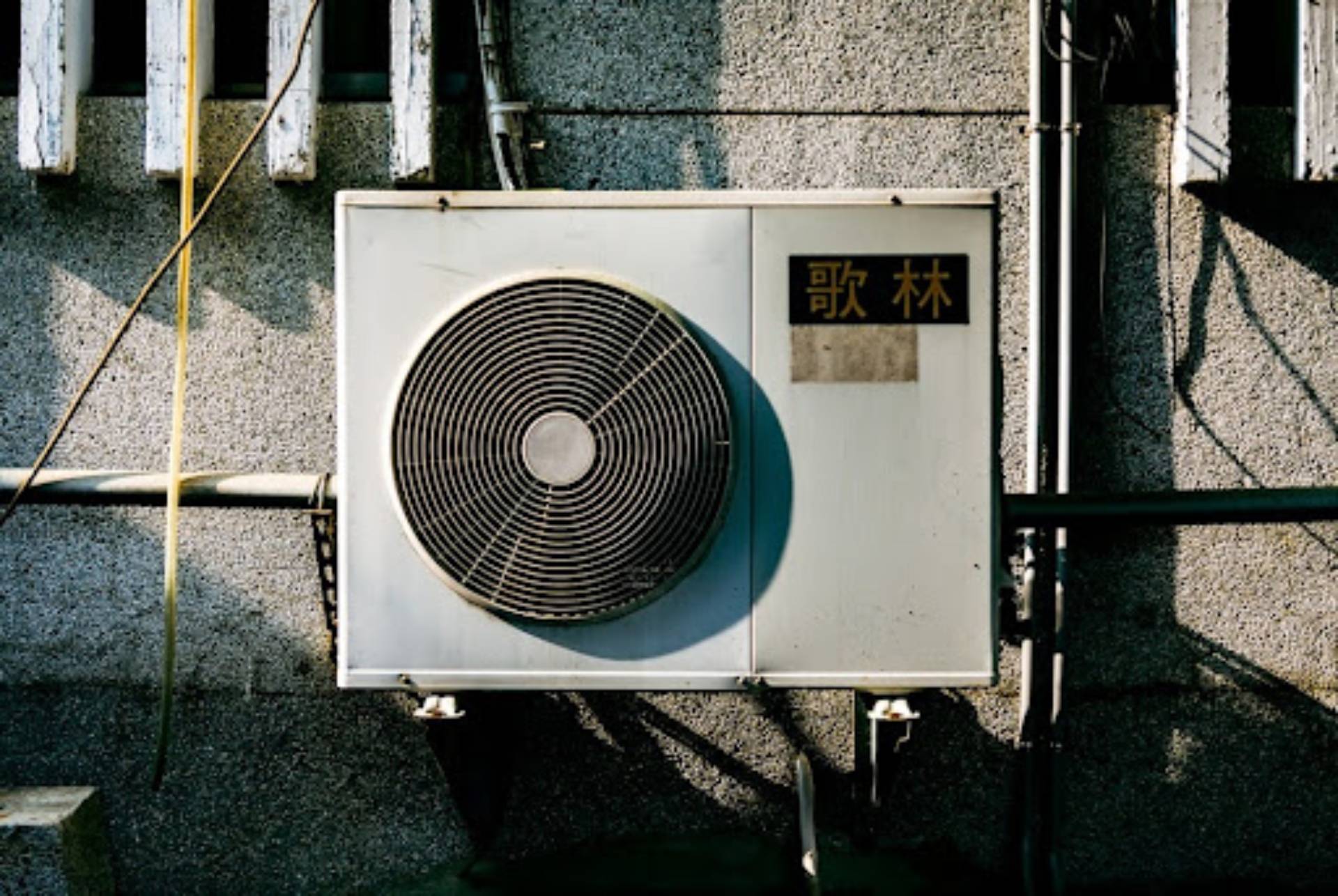
Imagine cutting nearly half of your home’s energy consumption. For most U.S. households, this isn’t just a dream; it’s a tangible reality. Heating and cooling systems account for the largest portion of annual home energy use. In July 2026, with energy costs continually fluctuating and environmental consciousness on the rise, optimizing how we regulate our indoor climate is more critical than ever.
Upgrading to energy-efficient heating and cooling not only shrinks your monthly utility bills but also significantly improves comfort, reduces your carbon footprint, and increases your home’s value.
This extensive guide will explore energy-efficient heating and cooling. We’ll delve into the latest technologies, understand how they work, and identify the significant benefits they offer. We’ll cover everything from advanced heat pumps and high-efficiency furnaces to smart thermostats and essential maintenance practices.
We’ll also discuss how to determine the right system for your specific needs, considering factors like home size, climate, and the benefits of Custom energy-efficient heating cooling solutions that perfectly match your lifestyle. Prepare to transform your home into a more comfortable, cost-effective, and environmentally friendly space.
The Core Pillars of Energy-Efficient Heating and Cooling
At its heart, energy-efficient heating and cooling is about achieving optimal indoor comfort with the least energy possible. This isn’t just about turning down the thermostat; it involves a sophisticated interplay of advanced technology, intelligent design, and precise control. The goal is to maximize the transfer of thermal energy while minimizing its generation, a fundamental shift from traditional systems.
Modern systems are engineered with key metrics in mind:
- SEER2 (Seasonal Energy Efficiency Ratio 2): This rating measures the cooling efficiency of air conditioners and heat pumps and reflects performance over an entire cooling season. Higher numbers indicate greater efficiency.
- HSPF2 (Heating Seasonal Performance Factor 2): Similar to SEER2, HSPF2 measures the heating efficiency of heat pumps over a typical heating season. A higher HSPF2 means more efficient heating.
- AFUE (Annual Fuel Utilization Efficiency): This applies to furnaces and boilers and indicates how efficiently they convert fuel into usable heat. An 80% AFUE furnace, for example, converts 80% of the fuel into heat, with the remaining 20% lost through the flue. High-efficiency furnaces boast AFUE ratings of 90% or higher.
The advent of variable-speed inverter technology has been a game-changer, allowing systems to precisely match heating or cooling output to demand, rather than operating at full blast or being completely off. This continuous, modulated operation leads to more consistent temperatures, better humidity control, and substantial energy savings.
How Heat Pumps Redefine Energy-Efficient Heating and Cooling
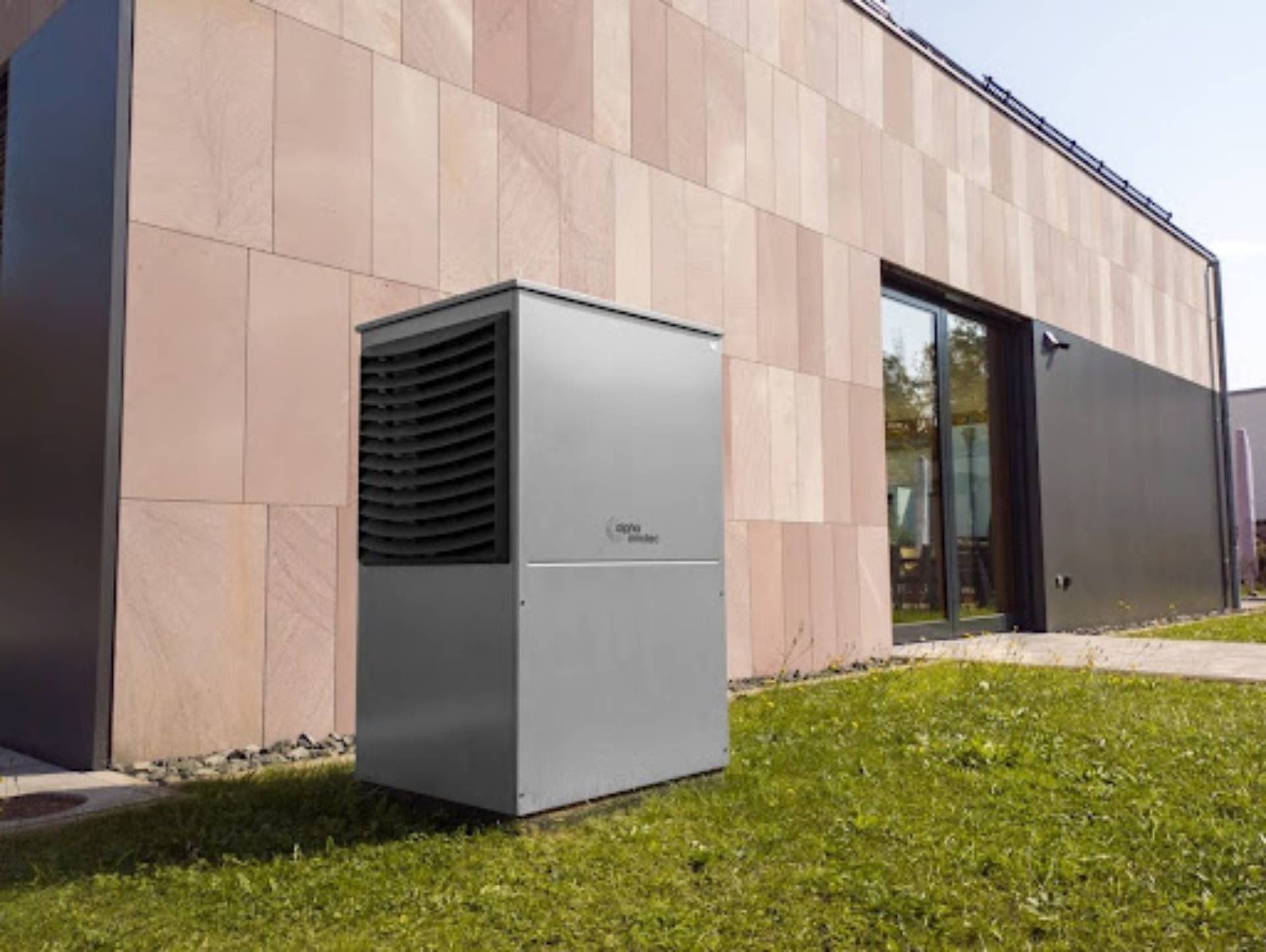
Heat pumps are arguably the most transformative technology in energy-efficient heating and cooling, redefining how we think about climate control. Unlike traditional furnaces that generate heat by burning fossil fuels or electric resistance, heat pumps transfer existing thermal energy from one place to another. This fundamental difference is why they are so efficient.
In heating mode, a heat pump extracts heat from the outdoor air (even in cold temperatures) and transfers it indoors. In cooling mode, it reverses the process, pulling heat from inside your home and releasing it outside, much like a refrigerator. This is made possible by a component called a reversing valve, which changes the direction of the refrigerant flow.
The efficiency of a heat pump is often measured by its Coefficient of Performance (COP), which compares the heat delivered to the electricity consumed. A COP of 3, for instance, means the system delivers 3 units of heat for every 1 unit of electricity it consumes. This makes modern heat pumps incredibly efficient, often three times more efficient than conventional oil, propane, or electric resistance heating.
The market has seen a significant shift towards this technology. In fact, more than 5 million heat pumps were sold in the U.S. in 2024, outselling traditional gas furnaces for the first time. This surge is driven by their dual functionality and impressive environmental benefits; air-source heat pumps can trim household carbon dioxide emissions by about 40 percent compared with gas furnaces.
For cold climates, advancements in “cold-climate” or “hyper-heat” heat pumps mean they can maintain significant heating capacity even when outdoor temperatures drop well below freezing, some operating efficiently down to -22°F. This expanded capability has largely debunked the myth that heat pumps are only suitable for milder regions.
High-Efficiency Furnaces and Hybrid Systems
While heat pumps are gaining prominence, high-efficiency furnaces and hybrid systems remain crucial components of energy-efficient heating and cooling, particularly in regions with very cold winters or where natural gas is readily available and affordable.
High-efficiency furnaces, typically with AFUE ratings of 90% or higher, are designed to extract more heat from the fuel they burn. For example, a 96% AFUE furnace converts 96% of the input gas into usable heat, losing only 4% through the venting system. These systems often feature two-stage burners, which allow the furnace to operate at a lower capacity on milder days, providing more consistent heat and saving energy. When temperatures drop, it can switch to full capacity.
Another key component is the Electronically Commutated Motor (ECM) blower motor. Unlike older single-speed motors, ECM motors can vary their speed, consuming significantly less electricity and providing better airflow control, enhancing both comfort and efficiency. High-efficiency furnaces also require plastic/PVC flue venting, as the exhaust gases are cooler and more corrosive than those from less efficient, metal-vented units.
Hybrid or dual-fuel setups combine the best of both worlds: a high-efficiency heat pump for moderate temperatures and a high-efficiency furnace as a backup for extreme cold. The system intelligently switches between the heat pump (which is more efficient in milder conditions) and the furnace (which provides robust heating when temperatures plummet), optimizing energy use based on outdoor conditions. This approach ensures year-round comfort and efficiency, giving homeowners flexibility and peace of mind.
Selecting the Right System for Your Climate and Home
Choosing the optimal energy-efficient heating and cooling system is a complex decision that requires careful consideration of your home’s unique characteristics and your local climate. It’s not a one-size-fits-all solution; what works perfectly for a home in a mild climate might be inadequate for one in a harsh winter region.
The primary step in this selection process is a professional system sizing analysis, often referred to as a Manual J load calculation. This detailed assessment considers numerous factors, including your home’s square footage, insulation levels, window types and orientations, air infiltration rates, and even the number of occupants and heat-generating appliances. Without an accurate load calculation, you risk installing a system that is either too small (leading to insufficient heating/cooling) or, more commonly, too large.
Oversized systems are a significant problem for efficiency and comfort. They tend to “short cycle,” meaning they turn on and off frequently without running long enough to dehumidify the air or distribute heat evenly properly. This leads to higher energy bills, reduced comfort, and premature equipment wear and tear.
Your climate zone will heavily influence the most suitable technology. In regions with moderate heating and cooling demands, an air-source heat pump might be sufficient as a standalone system. In areas with extreme temperature swings, a hybrid system or even a geothermal system might be more appropriate. For homes without existing ductwork or additions, ductless mini-splits offer a flexible, efficient solution, providing zoned heating and cooling without the energy losses associated with ducts. For homes with existing ducted infrastructure, central heat pumps or high-efficiency furnaces can seamlessly integrate.
| System Type | Primary Efficiency Metric | Typical Efficiency Range (2026) | Initial Cost (Relative) | Climate Suitability | Pros | Cons [TABLE] comparing air-source heat pumps, geothermal systems, and hybrid setups](/diagram.png)
Deciding Between Air-Source and Geothermal Technologies
When considering high-efficiency HVAC systems, air-source heat pumps and geothermal systems often rank among the top contenders. Both leverage the principle of heat transfer, but they differ significantly in their heat-exchange sources, installation requirements, and long-term costs.
As discussed, air-source heat pumps extract heat from the ambient air. They are generally less expensive to install than geothermal systems because they don’t require extensive ground excavation. Modern air-source heat pumps, particularly cold-climate models, perform exceptionally well even in freezing temperatures, making them a viable option for most regions.
Geothermal systems, also known as ground-source heat pumps, tap into the earth’s stable temperatures. Below a certain depth, the ground maintains a relatively constant temperature year-round, making it an excellent heat sink in summer and a heat source in winter. This inherent stability translates into superior efficiency, often outperforming air-source heat pumps, especially in extreme temperatures. However, the installation footprint for geothermal systems is substantial, requiring significant drilling or trenching for the underground loop system. This leads to higher upfront costs, ranging from $20,000 to $40,000 for a residential system. Despite the higher initial investment, geothermal systems offer exceptional long-term ROI due to their lower operating costs and extended lifespan, often 20-25 years for the indoor unit and 50+ years for the ground loop. Historically, federal incentives have played a significant role in making geothermal systems more accessible, with notable tax credits often reappearing for homeowners. The drilling costs and the soil thermal conductivity of your specific property are critical factors to assess during the planning phase.
The choice between air-source and geothermal often boils down to upfront budget, available land for installation, and long-term energy savings goals. Both represent excellent choices for reducing your environmental footprint and energy bills.
The Importance of Proper Sizing to Prevent Short Cycling
Proper system sizing is paramount for maximizing the efficiency and comfort of any HVAC system. An improperly sized system, particularly an oversized one, can lead to a phenomenon known as “short cycling.” This occurs when the heating or cooling unit turns on, quickly satisfies the thermostat’s temperature setting, and then shuts off, only to repeat the cycle shortly thereafter.
Short cycling has several detrimental effects:
- Reduced Efficiency: The most energy-intensive part of an HVAC cycle is startup. Frequent starts and stops consume more electricity than continuous, longer run times.
- Poor Humidity Control: Air conditioners and heat pumps remove humidity from the air as they run. If a system short-cycles, it doesn’t operate long enough to effectively dehumidify, leading to a clammy, uncomfortable indoor environment, even if the temperature is correct. This can also contribute to condensation issues and, over time, mold prevention challenges.
- Uneven Temperatures: Short cycling prevents air from circulating sufficiently throughout the home, resulting in hot and cold spots.
- Premature Wear and Tear: The constant starting and stopping puts undue stress on components like the compressor, shortening the system’s lifespan and increasing the likelihood of costly repairs. Improper installation, which often includes incorrect sizing, can reduce system efficiency by up to 30 percent, directly impacting your utility bills and shortening equipment life.
To avoid these issues, a professional HVAC contractor will conduct a thorough Manual J load calculation to determine the precise heating and cooling needs of your home. This ensures the chosen system is perfectly matched to your property, allowing it to run in longer, more efficient cycles that maintain consistent temperatures, manage humidity, and operate reliably for years to come.
Maximizing Efficiency Through Home Performance and Controls
Even the most advanced energy-efficient heating and cooling system can underperform if the home itself isn’t optimized for energy efficiency. A holistic approach that integrates HVAC upgrades with home performance improvements and intelligent controls is essential for achieving maximum savings and comfort.
The Role of Smart Thermostats in Energy-Efficient Heating and Cooling
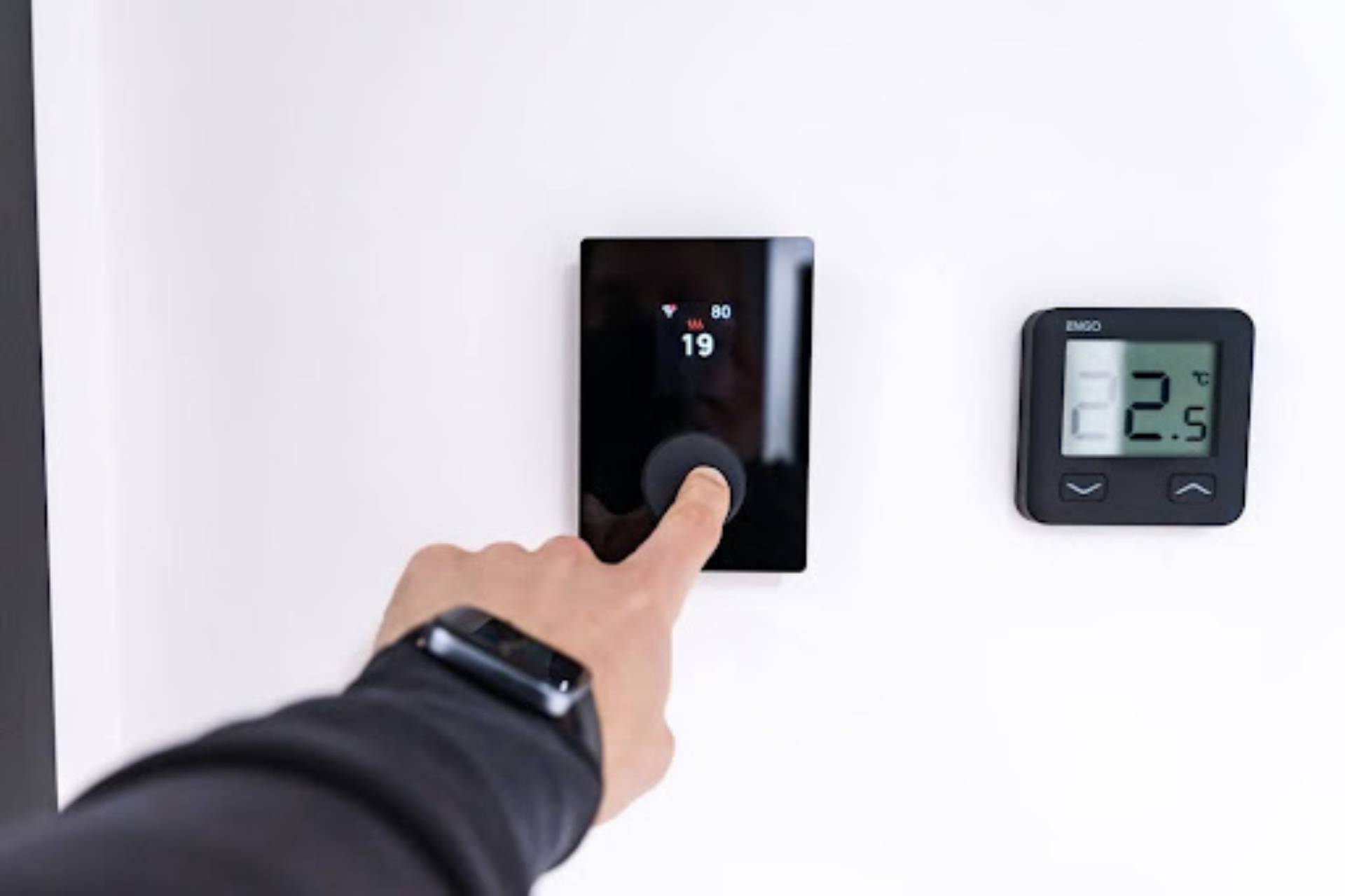
Smart thermostats are a cornerstone of modern energy-efficient heating and cooling systems, offering a level of control and optimization far beyond traditional programmable thermostats. These devices connect to your home’s Wi-Fi, allowing you to manage your heating and cooling settings remotely via a smartphone app.
Beyond remote control, smart thermostats incorporate advanced features like:
- Learning Capabilities: Many models “learn” your schedule and temperature preferences over time, automatically adjusting settings for optimal comfort and energy savings.
- Occupancy Sensors: Some smart thermostats can detect when you’re home or away and automatically switch to energy-saving setback temperatures when the house is empty.
- Geofencing: This feature uses your smartphone’s location to determine whether you’re approaching or leaving home, and adjusts your HVAC system accordingly.
- Energy Reporting: Smart thermostats often provide detailed reports on your energy usage, helping you identify patterns and areas for further savings.
- Integration with Smart Home Ecosystems: They can seamlessly integrate with other smart home devices, creating a cohesive and automated environment.
These intelligent controls can lead to significant savings. Homes with high heating and cooling bills, especially those unoccupied for much of the day, can save approximately $100 a year with an ENERGY STAR-certified smart thermostat. By optimizing schedules and responding to real-time conditions, smart thermostats ensure your system operates only when needed, at the most efficient settings.
Sealing and Insulating the Duct Network
The ductwork in your home is the circulatory system for your heating and cooling. If this system is leaky or poorly insulated, a significant portion of your conditioned air—and the energy used to heat or cool it—can be lost before it ever reaches your living spaces. This is a critical area for maximizing energy-efficient heating and cooling.
Studies show that duct leakage can be substantial, with many homes losing up to 20% of their heated or cooled air through gaps and poor connections. Sealing and insulating ducts can improve the efficiency of heating and cooling systems by as much as 20 percent, and sometimes even more. This makes duct sealing one of the most cost-effective home performance upgrades.
Key practices for optimizing your duct network include:
- Sealing Leaks: All seams and connections in the ductwork should be sealed. While duct tape (the cloth-backed variety) is commonly used, it is not an effective long-term solution. Professional contractors use mastic sealant or metal-backed (foil) tape to create durable, airtight seals. Special attention should be paid to ducts running through unconditioned spaces such as attics, crawl spaces, garages, or unheated basements, as these areas are prone to the greatest thermal losses.
- Insulating Ducts: Once sealed, ducts in unconditioned spaces should be properly insulated. This prevents heat gain in summer and heat loss in winter, ensuring that the conditioned air maintains its temperature as it travels through the system.
- Addressing External Static Pressure: A professional HVAC technician can measure the external static pressure (TESP) of your duct system. High TESP indicates excessive airflow resistance, often due to undersized or poorly designed ducts, forcing the blower motor to work harder and consume more energy. Addressing these issues can significantly improve efficiency.
By ensuring your ductwork is properly sealed and insulated, you guarantee that the energy-efficient heating and cooling your system delivers actually reaches your living spaces, resulting in lower energy bills and improved comfort.
Financial Incentives, Rebates, and Professional Installation
The journey to energy-efficient heating and cooling is not just about technology; it’s also about smart financial planning and ensuring expert execution. Fortunately, numerous incentives make these upgrades more affordable, and the quality of installation is paramount for realizing the full benefits.
Navigating Rebates and Tax Credits for Upgrades
Upgrading to energy-efficient HVAC systems can be a significant investment, but various financial incentives are available to help offset the costs. These can include federal tax credits, state-specific rebates, and local utility programs.
- Federal Tax Credits: The U.S. government frequently offers tax credits for qualifying energy-efficient home improvements, including heat pumps, high-efficiency furnaces, and geothermal systems. These credits can significantly reduce the net cost of installation. Homeowners should consult current IRS guidelines or a tax professional for the most up-to-date information on available credits and eligibility requirements.
- State and Local Rebates: Many states and local utilities offer their own rebate programs. For example, Massachusetts offers substantial rebates, with some homeowners qualifying for up to $8,500 for whole-house air-source heat pump systems. A Greenfield homeowner even received $10,000 in incentives after replacing his furnace and water heater with heat pump systems through a local program. These programs often target specific technologies, such as ENERGY STAR-certified equipment, which can cut annual energy bills by nearly $140.
- Decarbonization Programs and Income-Qualified Discounts: As part of broader decarbonization efforts, some regions offer specialized programs or enhanced incentives for homeowners switching from fossil fuels to electric heat pumps. Income-qualified customers may also have access to greater discounts, no-cost options, or low-interest financing, such as HEAT loans, to make these upgrades accessible to a wider range of households.
To navigate these opportunities, homeowners should:
- Check Eligibility: Confirm if the chosen equipment is ENERGY STAR certified and meets program-specific requirements.
- Research Local Programs: Use online databases (such as DSIREUSA.org) or contact local utilities and energy-efficiency organizations to identify all available incentives in their area.
- Work with a Qualified Contractor: Many rebate programs require installation by a participating or certified contractor. They can often assist with filing documentation.
By strategically leveraging these incentives, homeowners can significantly reduce the upfront cost of energy-efficient heating and cooling upgrades, making the long-term savings even more impactful.
Why Professional Installation Dictates Real-World Efficiency
The performance of an energy-efficient heating and cooling system is only as good as its installation. Even the most technologically advanced and highly rated equipment can underperform, waste energy, and fail prematurely if not installed correctly. This is why professional installation by certified technicians is not merely a recommendation but a critical requirement.
Research indicates that 70-90% of heat pump installations have significant, measurable defects. Improper installation can reduce system efficiency by up to 30 percent, costing homeowners more on their utility bills and potentially shortening the equipment’s life.
Key aspects of professional installation that impact real-world efficiency include:
- Accurate Sizing: As discussed, a Manual J load calculation is essential to ensure the system is perfectly matched to your home’s needs.
- Refrigerant Charge: The precise amount of refrigerant in a system is crucial for optimal performance. An undercharged or overcharged system will operate inefficiently and can damage the compressor. Professional technicians use specialized tools to ensure the charge is correct.
- Airflow Verification: Proper airflow through the ductwork and across the coils is vital. Technicians will verify adequate airflow and address any restrictions or leaks in the duct system.
- System Commissioning: This involves a series of tests and adjustments after installation to ensure all components work together optimally and that the system operates according to manufacturer specifications.
- Electrical and Safety Compliance: Ensuring all electrical connections meet code and safety standards is paramount.
- Warranty Registration: Many manufacturers require professional installation and subsequent registration of the unit to validate the warranty. Without it, costly repairs could fall solely on the homeowner.
Choosing a NATE-certified (North American Technician Excellence) or similarly qualified contractor ensures that your installers have undergone rigorous training and testing. Their expertise ensures your energy-efficient heating and cooling system is installed to the highest standards, enabling you tto realize the promised savings, comfort, and longevity fully
Frequently Asked Questions About Energy-Efficient HVAC
How much can I save by upgrading to an ENERGY STAR certified system?
Upgrading to an ENERGY STAR-certified heating and cooling system can lead to substantial annual savings. Replacing old heating and cooling equipment with ENERGY STAR-certified models can cut your annual energy bills by nearly $140. Furthermore, homes with high heating and cooling bills can save approximately $100 a year with an ENERGY STAR-certified smart thermostat. These savings compound over the equipment’s lifespan, providing a significant return on your investment while enhancing home comfort and reducing your carbon footprint.
Can a heat pump operate effectively in extreme cold climates?
Yes, modern heat pumps, particularly those designed for “cold climates” or featuring “hyper-heat” technology, are highly effective even in extreme cold. Unlike older models, these advanced heat pumps incorporate inverter technology that allows them to maintain a significant portion of their heating capacity down to very low temperatures, sometimes as low as -22°F. For instance, some units boast 93% efficiency at 0°F. In regions with consistently frigid winters, a hybrid system that pairs a heat pump with a high-efficiency furnace can deliver optimal efficiency and comfort, intelligently switching to the furnace only when temperatures drop below the heat pump’s most efficient operating range.
How often should I perform maintenance on my high-efficiency system?
Regular maintenance is crucial for keeping your energy-efficient heating and cooling system running optimally and preserving its efficiency and lifespan. We recommend checking your air filter monthly, especially during heavy use seasons (winter and summer), and replacing it if it appears dirty. At a minimum, change the filter every three months. Beyond filter changes, an annual professional tune-up by a qualified HVAC technician is essential. This tune-up typically includes cleaning coils, checking refrigerant levels, inspecting electrical connections, lubricating moving parts, and verifying system operation, all of which ensure peak performance. It can prevent minor issues from becoming costly repairs.
Conclusion
Embracing energy-efficient heating and cooling is a pivotal step toward a more sustainable and comfortable home. From the heat pump technology that transfers thermal energy rather than generating it, to the precision of high-efficiency furnaces and the intelligence of smart thermostats, the options available today are more powerful and accessible than ever before.
We’ve explored how proper system sizing, meticulous duct sealing, and comprehensive home weatherization are critical to maximizing the efficiency of these advanced systems. Furthermore, understanding the array of federal, state, and local incentives can significantly reduce the financial barrier to entry, making these upgrades a sound investment.
The real-world performance of any energy-efficient heating and cooling system hinges on professional installation and ongoing maintenance. By integrating these cutting-edge technologies with expert guidance, homeowners can achieve unparalleled comfort, drastically lower their long-term energy costs, and make a substantial contribution to reducing their environmental footprint. The future of home climate control is here, and it’s remarkably efficient.