Key Indicators That You Need Residential HVAC Services

For families in Salt Lake City, UT, a comfortable and healthy home is essential. Our residential HVAC systems work hard all year, providing warmth in winter and cool air in summer. But when these systems fail, our comfort quickly disappears. Unexpected breakdowns, high energy bills, or uneven temperatures can be frustrating and costly. Sometimes, these problems even require emergency HVAC repairs. This guide will teach you about residential HVAC services. We will cover signs your system needs attention, how to decide between repair and replacement, and tips for choosing a reliable HVAC contractor. We will also explain why regular maintenance and good indoor air quality are key to a comfortable home.
For comprehensive home comfort solutions, see our main HVAC guide or schedule service now.
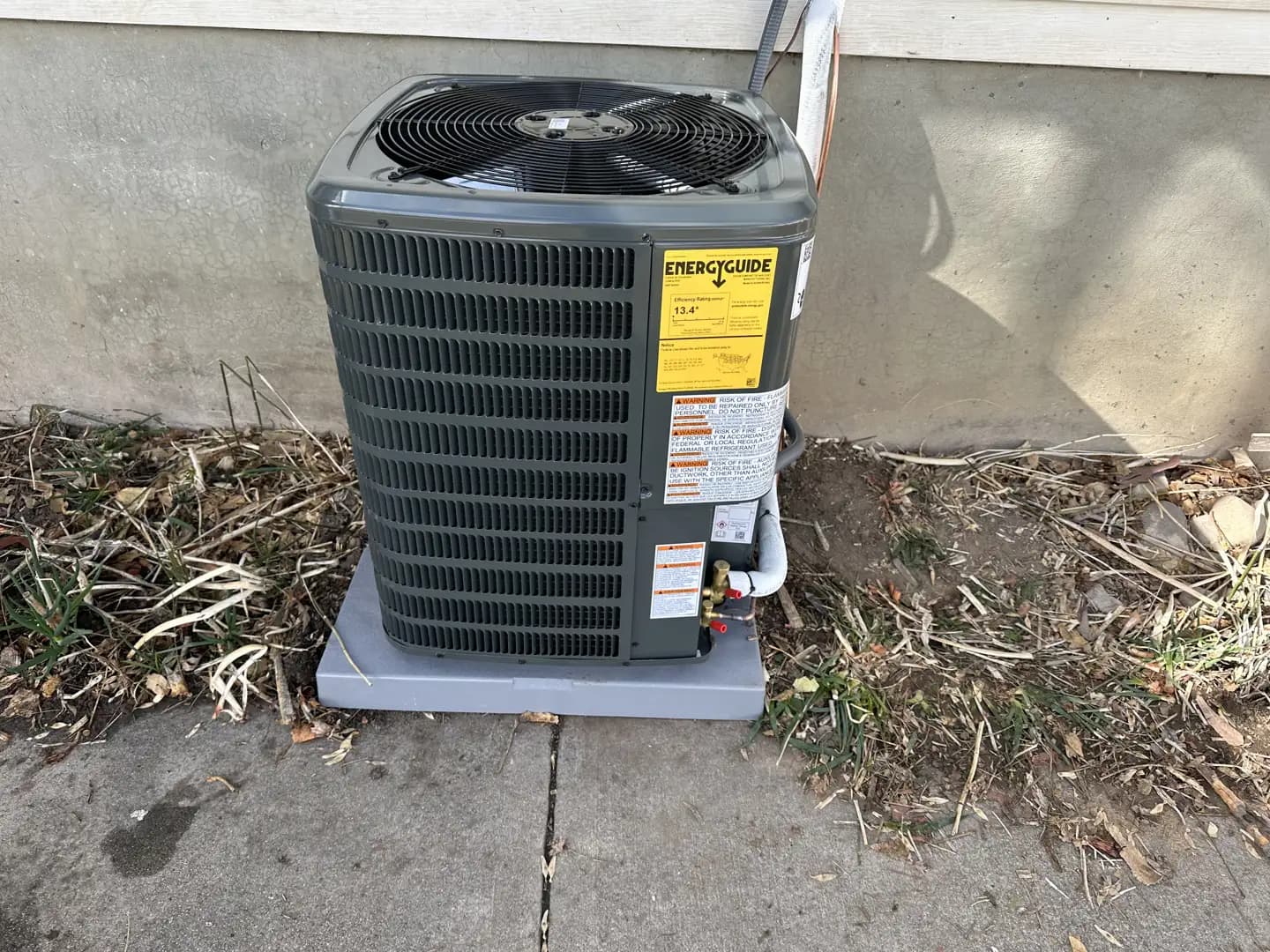
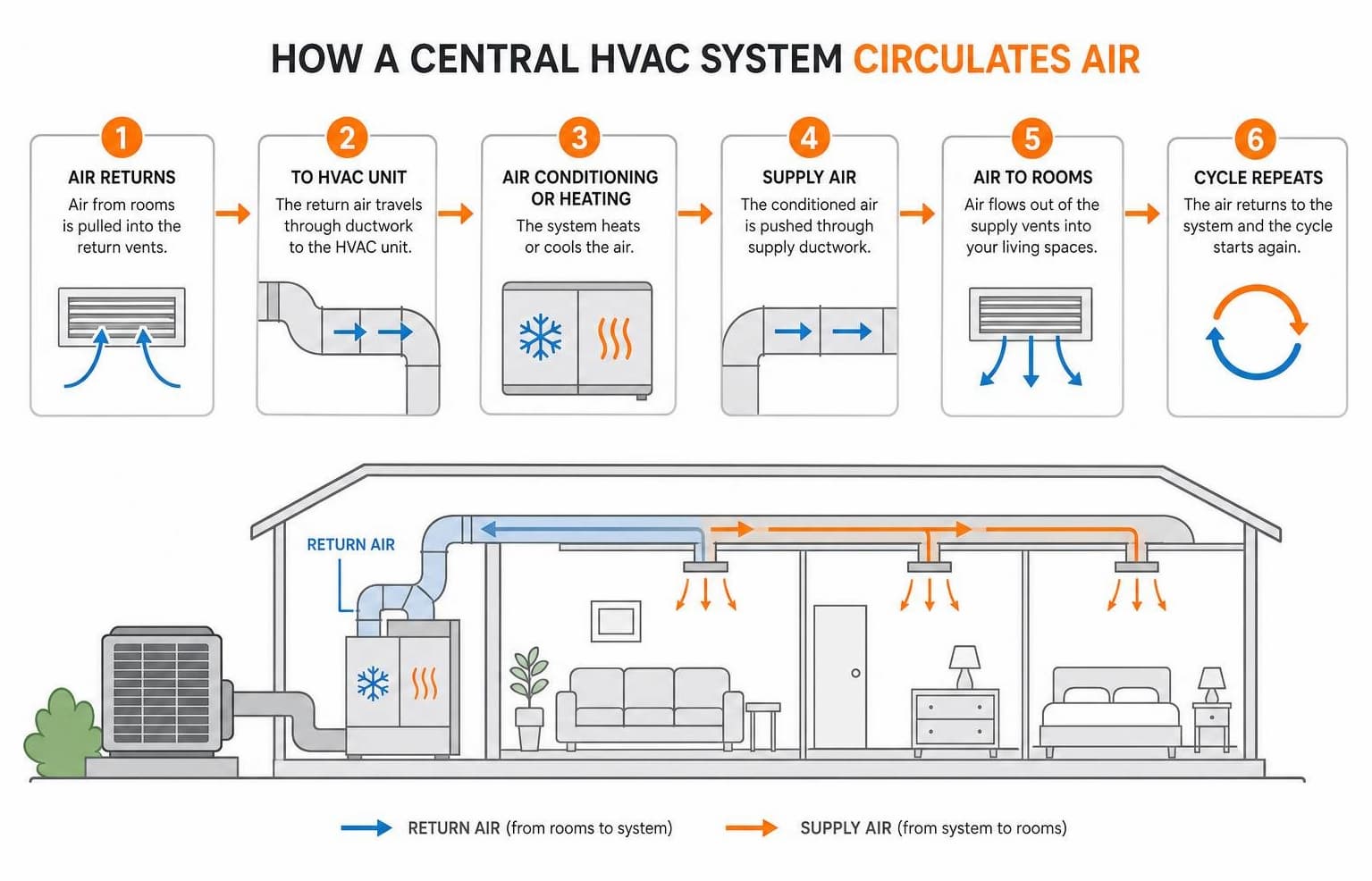
Your home’s heating, ventilation, and air conditioning (HVAC) system is crucial for maintaining indoor comfort. However, like any complex machinery, it can develop issues over time. Recognizing the early signs of trouble can save you from more extensive and costly repairs down the line. We understand the frustration of a malfunctioning system, and knowing what to look for empowers you to act quickly.
One of the most immediate indicators of a problem is weak airflow from your vents. If you notice that air isn’t coming out with the usual force, or if some rooms feel stuffy while others are comfortable, it could signal an issue. This might be due to anything from clogged filters and blocked ducts to a failing blower motor. Reduced airflow not only compromises comfort but also forces your system to work harder, leading to increased energy consumption and premature wear.
Uneven temperatures throughout your home are another common complaint. If one floor is consistently too hot or too cold compared to another, or if certain rooms never seem to reach the thermostat setting, your HVAC system might be struggling with proper distribution or capacity. This could point to ductwork issues, poor insulation, or a system that is improperly sized for your home. Addressing these discrepancies is vital for consistent comfort and efficiency.
Perhaps the most alarming signs are strange noises emanating from your HVAC unit. While some operational sounds are normal, rattling, squealing, banging, or grinding noises are clear indicators of mechanical problems. A rattling sound might suggest loose parts, while a high-pitched squeal often points to a worn-out belt or motor bearing. Banging or grinding noises are more serious and could indicate a failing compressor or other major components. Ignoring these sounds can lead to catastrophic system failure.
Short cycling is when your HVAC system turns on and off frequently, running for only brief periods. This is inefficient, wastes energy, and puts immense strain on your compressor, significantly shortening its lifespan. Short cycling can be caused by various factors, including an oversized unit, a dirty air filter, low refrigerant levels, or a faulty thermostat. Diagnosing and correcting short cycling promptly is essential to prevent further damage.
Finally, a general decline in system performance, such as increasingly high energy bills without a change in usage patterns, or your system struggling to maintain desired temperatures, suggests that it’s time for a professional inspection. These subtle changes can indicate underlying inefficiencies or impending component failures that a trained technician can identify and resolve.
Recognizing When to Schedule Emergency HVAC Repairs
While many HVAC issues can wait for a scheduled appointment, some situations demand immediate attention to protect your home and family. Knowing when to call for emergency service is crucial. We consider a situation an emergency if it poses a safety risk or significantly compromises your home’s habitability, especially during extreme weather.
A complete system failure during the peak of winter or the height of summer is a prime example. Losing heat in freezing temperatures or air conditioning during a heatwave can be dangerous, particularly for vulnerable individuals like the elderly or young children. In such cases, a rapid response from a qualified technician is not just a convenience but a necessity.
Safety hazards are another clear trigger for emergency service. If you smell gas near your furnace, suspect a carbon monoxide leak (especially if you have detectors alarming), or notice sparking or burning odors from electrical components, turn off your system immediately and call for professional help. These situations can quickly escalate into serious risks.
Emergency services typically include a technician arriving promptly, often within a few hours, to diagnose the problem and perform immediate repairs if possible. They come equipped with common parts and tools to address urgent issues, aiming to restore basic functionality and ensure safety. Understanding that not all repairs can be completed on the first visit, they will at least provide a temporary solution or a clear plan for restoration.
Common Signs of Airflow and Thermostat Issues
Beyond the general indicators, specific problems with airflow and your thermostat can often be diagnosed with a bit more detail. These issues can drastically impact comfort and energy efficiency.
A common culprit behind inconsistent heating or cooling is thermostat calibration. If your thermostat isn’t accurately reading the room temperature, it can cause your system to run too much or too little. Simple checks, like comparing the thermostat reading to an independent thermometer, can reveal if recalibration or replacement is needed.
Clogged filters are perhaps the easiest and most frequently overlooked cause of poor airflow. A dirty filter restricts the movement of air, forcing your system to work harder and reducing its efficiency. This can lead to frozen evaporator coils in AC units or overheating in furnaces. We recommend checking and replacing your air filters every one to three months, depending on usage and household conditions.
Duct blockages are more complex. Over time, dust, debris, and even pests can accumulate within your ductwork, creating obstructions that impede airflow. Leaky ducts, where conditioned air escapes into unconditioned spaces like attics or crawl spaces, also contribute to poor airflow and uneven temperatures. A professional inspection can identify and resolve these issues through cleaning, sealing, or repair.
For homes with zoning systems, which allow different areas to be heated or cooled independently, problems can arise with dampers or controls. If one zone isn’t responding correctly, it might indicate a wiring issue, a faulty zone damper, or a problem with the zone control panel itself. These systems are designed to enhance comfort and efficiency, but they require proper maintenance to function optimally.
Finally, proper airflow balancing is essential for consistent comfort. In some cases, even with a perfectly functioning system, air distribution might be uneven due to the original duct design or changes to the home’s layout. A professional can perform an airflow balance, adjusting dampers and registers to ensure that conditioned air reaches all areas of your home effectively.
Repair vs. Replacement: Making the Right Decision
Deciding whether to repair an existing HVAC system or invest in a new one is a common dilemma for homeowners. It’s a decision that balances immediate costs with long-term savings and comfort. We approach this choice by considering several key factors to help you make the most informed decision for your home and budget.
The age of your system is often the first indicator. Most residential HVAC systems have a lifespan of 10 to 15 years with proper maintenance. If your system is nearing or has surpassed this age, replacement often becomes a more financially sound option, especially if repairs are becoming frequent or expensive.
Energy efficiency is another critical factor. Older systems, even when functioning, are significantly less efficient than modern units. Advancements in technology mean new systems come with higher Seasonal Energy Efficiency Ratio (SEER) for air conditioners and Annual Fuel Utilization Efficiency (AFUE) for furnaces. Upgrading can lead to substantial reductions in your monthly utility bills, offsetting the initial investment over time.
Operational costs are directly tied to efficiency and the frequency of breakdowns. If your system requires annual, or even more frequent, repairs, the cumulative cost can quickly approach that of a new unit. We often advise homeowners to consider the “50% rule”: if the cost of a repair is 50% or more of the cost of a new system, replacement is generally the more economical choice in the long run. Constant breakdowns also mean more downtime and discomfort, which can be a significant hidden cost.
To help visualize these considerations, here’s a table comparing factors for repair versus replacement:
Factor Repair Consideration Replacement Consideration System Age Typically under 10 years old. Nearing or exceeding 10-15 years old. Energy Efficiency System still operates efficiently, minor issues. Older, less efficient model leading to high utility bills. Operational Costs Infrequent, minor repairs; current utility bills are manageable. Frequent, costly repairs; utility bills are consistently rising. Frequency of Breakdowns Rare or isolated incidents. Multiple breakdowns per year, especially for the same issue. Refrigerant Type Uses older, phased-out refrigerants (e.g., R-22) that are expensive to recharge. Uses modern, environmentally friendly refrigerants (e.g., R-410A). Home Comfort System adequately heats/cools the home; consistent temperatures. Inconsistent temperatures, poor humidity control, or excessive noise. Warranty Existing warranty covers parts or labor. Warranty has expired, leaving you fully responsible for repair costs. Evaluating the Lifespan of Different Residential HVAC Services Systems
Understanding the typical lifespan of different HVAC components can further aid your repair-vs.-replacement decision. While regular maintenance can extend these timelines, every system eventually reaches the end of its functional life.
Furnaces generally have the longest lifespan among common HVAC components, often lasting 15 to 20 years. This longevity depends heavily on consistent annual maintenance, proper sizing, and the quality of the initial installation. Furnaces that are neglected or improperly maintained may fail much sooner.
Air conditioners typically last between 10 and 15 years. Factors like the intensity of summer use, the local climate, and the frequency of professional tune-ups significantly influence this range. In hotter climates with prolonged cooling seasons, AC units tend to experience more wear and tear, potentially shortening their lifespan.
Heat pumps, which provide both heating and cooling, also have an average lifespan of 10 to 15 years. Because they work year-round, they accumulate more operational hours than a furnace or AC unit used seasonally. This continuous operation means that regular bi-annual maintenance is particularly critical for extending their service life.
Regardless of the system type, system longevity is greatly impacted by the quality of installation, the consistency of preventative maintenance, and how often the system is used. Neglecting routine service allows minor issues to escalate into major problems, accelerating wear and tear and leading to premature failure. Investing in professional maintenance is the best way to maximize your system’s lifespan and efficiency.
How to Choose a Reliable HVAC Contractor
When your home’s comfort is on the line, selecting the right HVAC contractor is paramount. A reliable professional ensures not only effective repairs and installations but also provides peace of mind. We believe that an informed homeowner is better equipped to make this critical choice.
The first and most non-negotiable criteria are licensing and insurance. A licensed contractor has met the state’s requirements for skill and knowledge, while insurance protects you from liability in case of accidents or damage during the service. Always ask for proof of both before allowing any work to begin.
Beyond basic credentials, look for technicians with industry-specific NATE certification (North American Technician Excellence). NATE-certified technicians have passed rigorous exams demonstrating their expertise in various HVAC specialties. This certification signifies a higher level of competence and commitment to quality workmanship. Other certifications, such as EPA certification for handling refrigerants, are also important indicators of professionalism.
Customer reviews offer invaluable insights into a contractor’s reputation. Look for companies with a consistent track record of positive feedback on multiple platforms. Pay attention to comments regarding responsiveness, professionalism, transparency in pricing, and the effectiveness of their solutions. While a few negative reviews are normal, a pattern of complaints should be a red flag.
Finally, a reputable contractor will stand behind their work with workmanship guarantees. This demonstrates confidence in their services and provides you with recourse if issues arise after the job is completed. A strong guarantee reflects a company’s commitment to customer satisfaction and long-term relationships.
Finding Reliable Heating and Cooling Solutions
Beyond just fixing what’s broken, a truly excellent HVAC contractor offers comprehensive solutions that enhance your home’s overall comfort and efficiency. When seeking reliable heating and cooling services, consider contractors who prioritize a holistic approach to your home’s climate control.
Proper system sizing is fundamental. An HVAC system that is too large will short cycle, leading to uneven temperatures and increased wear. A system that is too small will struggle to keep up during peak demand, running constantly and inefficiently. A professional contractor will perform a load calculation to determine the precise heating and cooling needs of your home, ensuring the new system is perfectly matched.
In older homes or those with unique architectural features, custom ductwork may be necessary. A skilled contractor can design and install duct systems that optimize airflow and distribution, eliminating hot and cold spots. This is especially important for maximizing the efficiency of energy-efficient upgrades, such as high-SEER air conditioners or high-AFUE furnaces. Modern systems often require specific duct configurations to perform at their best.
The goal is to achieve superior home comfort. This isn’t just about temperature; it encompasses humidity control, air quality, and consistent performance across all seasons. A reliable contractor will discuss your specific comfort concerns and offer solutions tailored to your household’s needs, ensuring your living space is always a sanctuary.
What to Expect from Professional Residential HVAC Services
When you entrust your home’s comfort to a professional HVAC service, you should expect a thorough and transparent process from start to finish. We believe in setting clear expectations for what constitutes excellent service.
A professional service call typically begins with a comprehensive inspection. Many reputable companies perform a “30-point inspection” or similar detailed check, examining everything from electrical connections and refrigerant levels to blower components and safety controls. This meticulous approach helps identify not only the immediate problem but also potential future issues.
Following the inspection, technicians conduct performance checks to ensure all components are operating within manufacturer specifications. This includes measuring temperature differentials, checking static pressure, and verifying proper system cycling. These checks confirm that your system is running efficiently and effectively.
Transparent communication is a hallmark of professional service. Your technician should clearly explain their findings, detail the proposed solutions, and answer any questions you may have. They should present a clear diagnostic report outlining the issues, recommended repairs, and any options for replacement. This allows you to make an informed decision without feeling pressured.
Finally, adherence to safety standards is paramount. Professional technicians follow all local codes and industry best practices, especially when dealing with gas lines, electrical components, and refrigerants. They ensure that any repairs or installations are performed safely, protecting your home and family from potential hazards.
Maximizing Comfort with Preventive Maintenance and Indoor Air Quality
Beyond addressing immediate repairs, a proactive approach to your HVAC system through preventive maintenance and attention to indoor air quality can significantly enhance your home’s comfort, health, and efficiency. We view these as interconnected elements crucial for a truly comfortable living environment.
Seasonal tune-ups are the cornerstone of preventive maintenance. Scheduling an AC tune-up in the spring and a furnace inspection in the fall ensures your system is ready for the demands of extreme temperatures. These check-ups catch minor issues before they escalate, optimize efficiency, and extend the lifespan of your equipment.
However, comfort isn’t just about temperature; it’s also about the air you breathe. Air purifiers and humidifiers play a vital role in indoor air quality. Air purifiers, especially whole-home systems, can remove allergens, dust, pet dander, and even microscopic pathogens, making the air cleaner and healthier. Humidifiers, particularly in dry climates like Salt Lake City, add much-needed moisture during winter, preventing dry skin, static electricity, and protecting wood furnishings.
Duct cleaning is another critical aspect of maintaining healthy indoor air. Over time, ducts can accumulate significant amounts of dust, mold spores, pet hair, and other debris. Professional duct cleaning removes these contaminants, improving airflow and reducing the circulation of allergens throughout your home.
Finally, ventilation upgrades can significantly enhance indoor air quality by ensuring a regular exchange of stale indoor air with fresh outdoor air. This helps to dilute pollutants, control humidity, and prevent the buildup of odors. From exhaust fans to energy recovery ventilators, modern solutions can provide optimal air exchange without sacrificing energy efficiency.
The Benefits of Enrolling in a Preventive Maintenance Plan
Enrolling in a preventive maintenance plan is one of the smartest investments a homeowner can make for their HVAC system. These plans offer a host of advantages that extend far beyond a simple tune-up. We encourage homeowners to consider these plans for long-term savings and peace of mind.
One of the most valuable benefits is priority service. Maintenance plan members often receive expedited scheduling for repairs, ensuring that your system gets attention quickly, especially during peak seasons when technicians are in high demand. This can be a lifesaver during an unexpected breakdown.
Regular maintenance is directly linked to system longevity. Just like a car, an HVAC system that receives routine care will last longer and perform better throughout its lifespan. Technicians can identify and address small issues, such as loose connections or worn belts, before they cause major damage to critical components.
By keeping your system in peak operating condition, maintenance plans also lead to lower utility bills. An efficiently running system doesn’t have to work as hard to maintain your desired temperature, consuming less energy. Over the course of a year, these savings can be substantial.
Most plans include bi-annual inspections, typically a spring check for your AC and a fall check for your furnace. These comprehensive tune-ups ensure that both your heating and cooling components are ready for the upcoming season, preventing unexpected failures.
A preventive maintenance plan offers invaluable peace of mind. Knowing that your system has been professionally inspected and is running optimally reduces the stress and worry associated with potential breakdowns. It allows you to enjoy consistent home comfort without constantly fretting over your HVAC system.
Frequently Asked Questions About Residential HVAC Services
We often encounter common questions from homeowners seeking to understand their HVAC systems better. Here, we address some of these frequently asked questions to provide clarity and guidance.
How often should my home HVAC system be professionally serviced?
For optimal performance, efficiency, and longevity, we recommend bi-annual maintenance for your residential HVAC system. This means scheduling a professional tune-up twice a year: once in the spring for your air conditioning unit and once in the fall for your furnace or heating system.
A spring AC tune-up prepares your cooling system for the hot summer months, ensuring it operates efficiently and reliably when you need it most. Similarly, a fall furnace inspection makes sure your heating system is ready to provide safe and effective warmth throughout the colder season. This consistent care helps maintain system efficiency, prevents unexpected breakdowns, and can extend the overall life of your equipment.
What indoor air quality solutions can HVAC contractors install?
HVAC contractors offer a variety of indoor air quality (IAQ) solutions designed to improve the health and comfort of your home environment. These solutions can address common indoor pollutants, allergens, and humidity issues.
Some popular options include:
- UV lights (Germicidal UV Lamps): Installed within your HVAC system, these lights kill airborne bacteria, viruses, mold spores, and other pathogens as air passes through.
- HEPA filters (High-Efficiency Particulate Air filters): These advanced filters capture a much higher percentage of microscopic particles, including dust, pollen, pet dander, and mold spores, compared to standard filters.
- Whole-home dehumidifiers/humidifiers: Dehumidifiers remove excess moisture from the air, preventing mold growth and creating a more comfortable environment in humid climates. Humidifiers add moisture, which is beneficial in dry climates to alleviate dry skin, respiratory issues, and protect wood furnishings.
- Air purifiers (Whole-Home Air Cleaners): These systems integrate with your HVAC unit to filter and clean all the air circulating through your home, removing a wide range of contaminants.
- Allergen reduction systems: Specifically designed to target common allergens, these solutions often combine advanced filtration with other purification technologies to create an allergen-free zone.
What financing options are typically available for new installations?
Investing in a new HVAC system is a significant decision, and many homeowners require flexible payment solutions. We understand this need and find that reputable HVAC contractors typically offer various financing options to make new installations more accessible.
Common options include:
- Flexible payment plans: These plans allow homeowners to spread the cost of a new system over several months or years, often with manageable monthly payments.
- Promotional financing: Contractors may offer special financing deals, such as 0% APR for a specific period (e.g., 12, 24, or 36 months), or deferred interest options. These promotions can make a new system more affordable in the short term.
- Energy-efficiency rebates: Many local utility companies and government programs offer rebates or tax credits for installing high-efficiency HVAC systems. These incentives can significantly reduce the overall cost of your system upgrades. A good contractor will be knowledgeable about available rebates and help you navigate the application process.
It’s always advisable to discuss financing options with your chosen contractor early in the process to understand what’s available and select a plan that best fits your financial situation.
Conclusion
Choosing the right residential HVAC services is fundamental to maintaining a comfortable, healthy, and energy-efficient home in Salt Lake City, UT. From recognizing the subtle signs of a struggling system to making informed decisions about repairs versus replacement, your proactive engagement can save you time, money, and discomfort.
We’ve explored how understanding key indicators like weak airflow, strange noises, and short cycling can prompt timely intervention. We’ve also highlighted the critical factors in deciding whether to repair or replace, emphasizing system age, energy efficiency, and the frequency of breakdowns. Furthermore, we’ve outlined the essential qualities to look for in a reliable HVAC contractor, ensuring you partner with licensed, certified, and customer-focused professionals.
Maximizing your home comfort hinges on proactive care through regular preventive maintenance and addressing indoor air quality concerns. By fostering trusted partnerships with experienced HVAC providers, you can ensure your system’s reliability and seasonal readiness for years to come.