The Critical Role of Heating Repair and Maintenance
As homeowners in Kent, WA, we understand that our heating system is more than just a convenience; it’s a critical component for comfort, health, and safety, especially when the Pacific Northwest weather turns cold. Neglecting your heating system can lead to significant problems, from minor inefficiencies to complete breakdowns at the most inconvenient times. Regular heating repair and maintenance are not just about fixing things when they break; they are about proactive care that ensures system longevity, maximizes energy efficiency, and prevents potentially dangerous safety hazards. By addressing small issues before they escalate, we can avoid emergency situations and ensure our homes remain warm and secure throughout the winter. For comprehensive information on how to keep your system in top shape, including heating repair maintenance and installation services, exploring reliable resources can provide invaluable insights into preventative care.
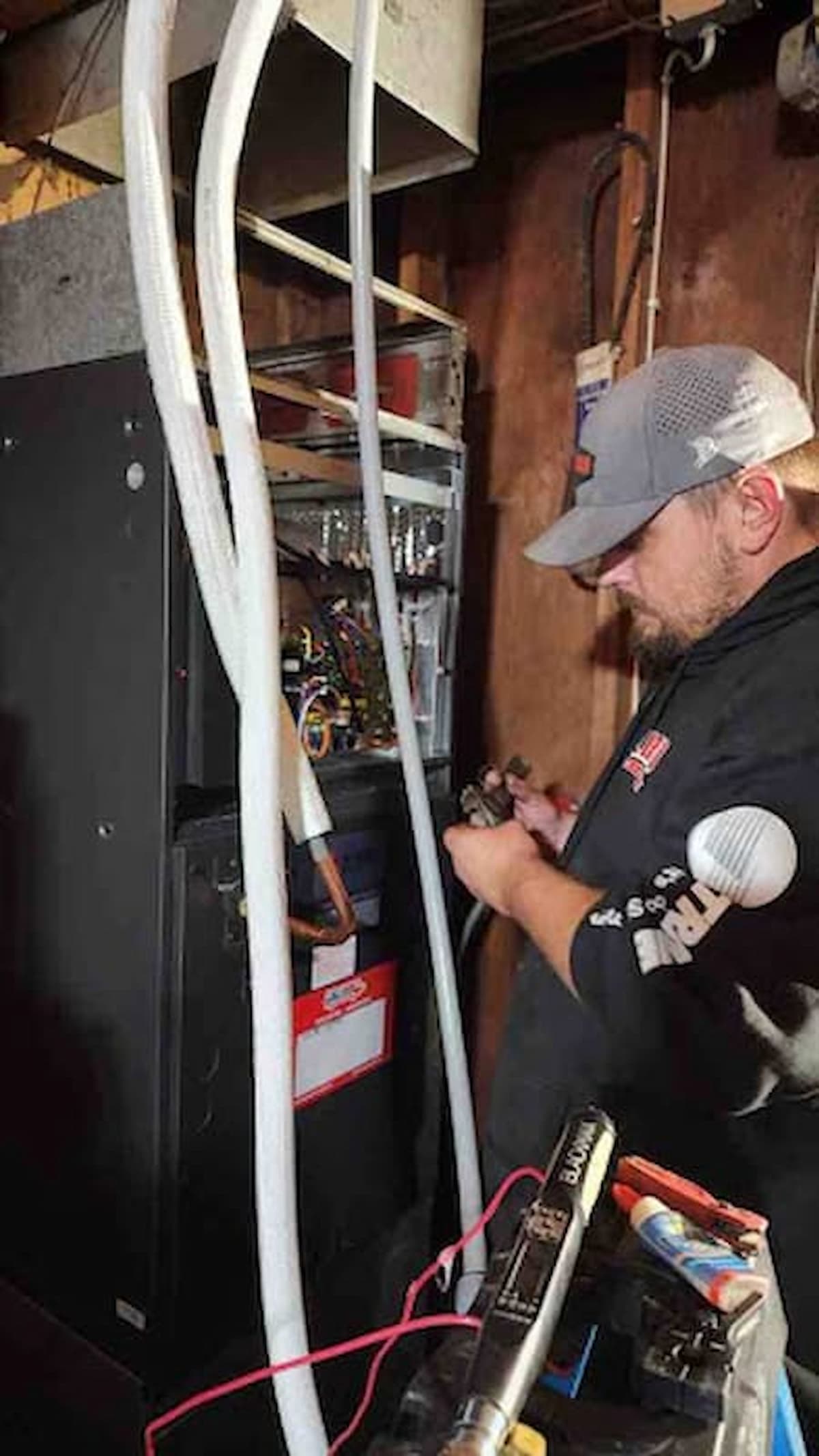
Why Heating Repair and Maintenance Saves Money
Investing in regular heating repair and maintenance might seem like an added expense, but it’s a strategic financial decision that pays off in the long run. One of the most significant benefits is the potential for substantial savings on your energy bills. A well-maintained HVAC system operates more efficiently, consuming less energy to achieve the desired temperature. In fact, regular HVAC maintenance can reduce energy bills by up to 30%, a considerable saving over the course of a year, especially during peak heating seasons.
Beyond energy savings, consistent maintenance can dramatically extend your system’s lifespan. An HVAC system is a significant investment, and protecting that investment means ensuring it runs smoothly for as long as possible. A well-maintained system can extend its life by up to 15 years, delaying the need for costly replacements. Addressing minor repairs promptly prevents them from escalating into major breakdowns that can be far more expensive to fix. Furthermore, many manufacturer warranties require proof of regular professional maintenance to remain valid. Without it, you could be left footing the entire bill for a major component failure. Preventative care means fewer emergency calls, lower utility costs, and a longer-lasting heating system, all contributing to significant long-term savings.
Key Components of Heating Repair and Maintenance
A thorough heating tune-up involves a series of critical checks and adjustments designed to optimize performance, enhance safety, and extend the life of your system. When a professional technician performs an emergency or routine tune-up, they meticulously inspect various components to ensure everything is functioning correctly.
Here are some essential tasks typically included in comprehensive heating repair and maintenance:
- Filter Replacement/Cleaning: A dirty air filter restricts airflow, forcing your system to work harder and reducing efficiency. Technicians will replace or clean filters to ensure optimal airflow and indoor air quality.
- Thermostat Calibration: Ensuring your thermostat is accurately calibrated is crucial for maintaining consistent temperatures and preventing unnecessary energy consumption.
- Electrical Connections Check: Loose or corroded electrical connections can be dangerous and lead to system malfunctions. Technicians will inspect and tighten all connections to ensure safe and reliable operation.
- Lubrication of Moving Parts: Proper lubrication reduces friction on moving parts, preventing wear and tear and extending the life of your system’s components.
- Burner and Heat Exchanger Inspection: For furnaces, a clean burner ensures efficient combustion, while a thorough inspection of the heat exchanger is vital to detect any cracks or damage that could lead to dangerous carbon monoxide leaks.
- Safety Control Checks: All safety controls, including limit switches and flame sensors, are tested to ensure they are functioning correctly, protecting your home from potential hazards.
- Condensate Drain Cleaning: For heat pumps and high-efficiency furnaces, clearing the condensate drain prevents blockages that can cause water damage or system shutdowns.
- Refrigerant Level Check (for Heat Pumps): Ensuring the correct refrigerant charge is essential for a heat pump’s efficient heating and cooling capabilities.
- Ductwork Inspection: Checking for leaks or obstructions in ductwork helps ensure heated air is effectively distributed throughout your home without loss.
These detailed checks are fundamental to maintaining a reliable and efficient heating system, whether it’s a preventative measure or part of an urgent repair.
Identifying Heating Emergencies and Urgent System Issues
Understanding when your heating system’s issues cross the line from minor inconvenience to a full-blown emergency is crucial for the safety and comfort of your household. While some problems can wait for a scheduled appointment, others demand immediate, 24/7 attention. An HVAC emergency is generally defined as any situation that creates a health or safety risk, or causes severe discomfort due to a complete loss of heating during extreme cold. This could include a complete system shutdown on a freezing night, the presence of dangerous gas smells, or electrical issues that pose a fire hazard.
To help differentiate, consider this comparison between normal system sounds and emergency warning signs:
Normal System Sounds/Behavior Emergency Warning Signs Soft hum of fan/motor Loud banging, grinding, or screeching noises Gentle click of thermostat Tripping circuit breakers frequently Slight air movement Strong gas or sulfur-like odors Minor temperature fluctuations Smell of burning plastic or electrical components Occasional drip from condensate line Visible smoke or sparks from unit Warm air from vents No heat whatsoever during cold weather Standard operational cycling Carbon monoxide detector alarm sounding Refrigerant leak (hissing sound, ice on coils)
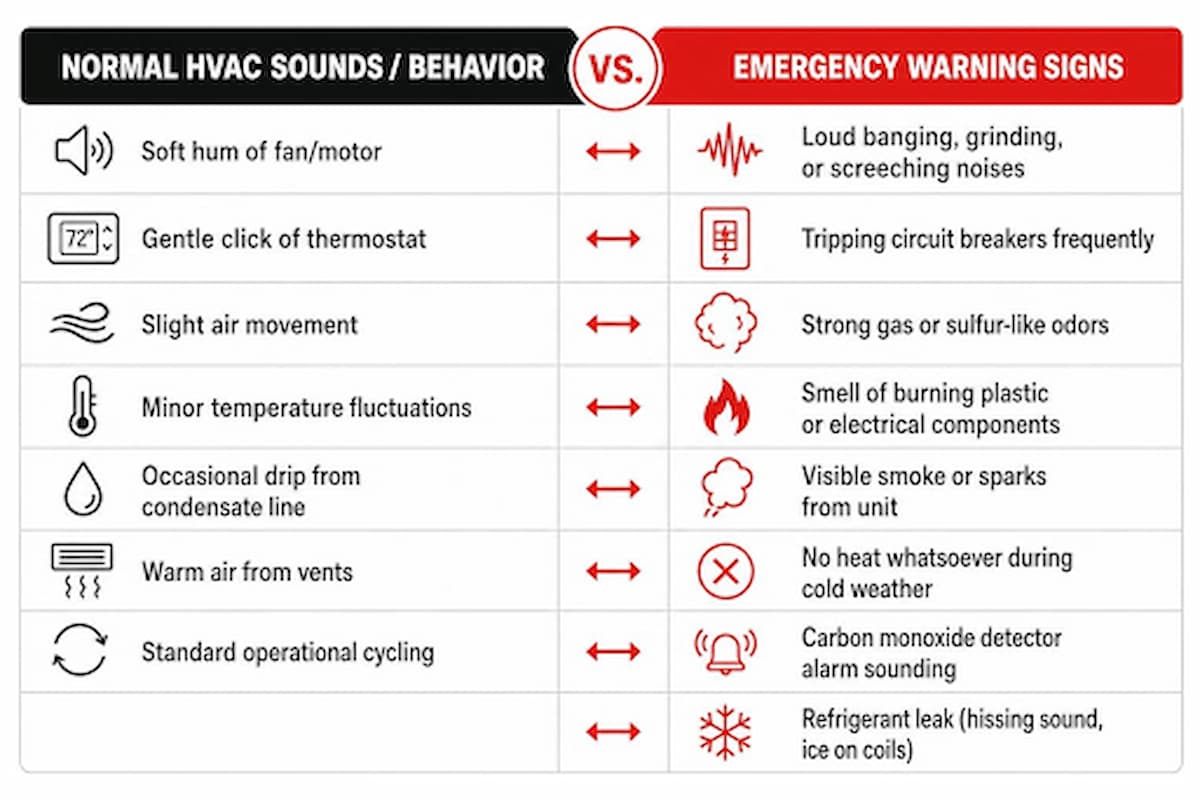
Emergency indicators like a strong gas smell, which could signal a gas leak, require immediate evacuation and a call to your gas provider and an emergency HVAC service. Electrical failures, such as frequently tripping breakers or the smell of burning wires, are serious fire risks. And, of course, the alarm of a carbon monoxide detector indicates an invisible, odorless, and potentially fatal threat that necessitates immediate action. In any of these scenarios, a rapid response from a qualified technician is not just convenient, but essential for safety.
Common Heating System Problems Requiring Immediate Attention
When your heating system falters, certain issues signal an urgent need for professional intervention, especially in the cold Kent, WA, climate. Recognizing these common problems can help you act quickly and prevent further damage or safety risks.
- No Heat Production: This is perhaps the most obvious emergency. If your furnace or heat pump completely fails to produce heat, particularly during freezing temperatures, it’s a critical situation. This could be due to a faulty ignitor, a broken thermostat, a tripped circuit breaker, or a more complex internal component failure.
- Pilot Light Issues (for Furnaces): If your furnace has a pilot light that repeatedly goes out, or if you can’t get it to light, it could indicate a problem with the gas supply, thermocouple, or gas valve. This is not only an inconvenience but can also be a safety concern if gas is escaping without igniting.
- Cold Air Blowing: If your system is running but only circulating cold air, it’s not doing its job. For a furnace, this might mean an issue with the burner or gas supply. For a heat pump, it could indicate a problem with the defrost cycle or a refrigerant leak.
- Strange Noises: While some operational sounds are normal, loud banging, grinding, screeching, or whistling noises are red flags. These often point to mechanical failures like a failing motor, a loose fan belt, or issues with the blower assembly, which can lead to more extensive damage if ignored.
- Short Cycling: When your heating system turns on and off frequently without completing a full heating cycle, it’s called short cycling. This can be caused by an oversized unit, a clogged filter, or a faulty thermostat, and it puts immense strain on the system, leading to premature wear and higher energy consumption.
- Strong Odors: A strong smell of gas or burning plastic/electrical components is an immediate emergency. Gas smells indicate a potential leak, while burning odors could signal an electrical problem or overheating components, both of which are fire hazards.
In any of these situations, contact a 24-hour HVAC service in Kent, WA, promptly.
Common Air Conditioning Problems to Address Before Winter
While our primary focus shifts to heating as winter approaches, many homes in Kent, WA, rely on heat pumps for year-round comfort, meaning the “AC” component is also crucial for heating. Even if you have a traditional furnace, addressing potential AC issues before winter can prevent problems when you switch back to cooling or if your heat pump is struggling.
- Frozen Coils: If you notice ice buildup on your outdoor unit’s coils (for a heat pump) or indoor evaporator coils (for central AC), it’s a sign of restricted airflow or low refrigerant. This reduces efficiency and can damage the compressor. Addressing this before winter ensures your heat pump can operate effectively in heating mode.
- Refrigerant Leaks: A hissing sound, reduced cooling/heating capacity, or ice on the coils can indicate a refrigerant leak. Refrigerant is essential for both cooling and heating cycles in a heat pump. Leaks are not only bad for performance but also harmful to the environment and require professional handling.
- Compressor Failure: The compressor is the heart of your AC or heat pump. If it’s failing, you might hear grinding noises, or the unit may not turn on at all. A failing compressor can lead to a complete system breakdown and is often one of the most expensive repairs.
- System Transition Issues: For heat pump owners, ensuring a smooth transition between heating and cooling modes is vital. If your heat pump struggles to switch, or if it’s not providing adequate heat, it might be due to a faulty reversing valve or electrical issues that need attention before winter’s peak.
- Poor Airflow: Weak airflow from your vents, regardless of the system’s mode, can indicate clogged filters, blocked ducts, or a failing blower motor. Addressing this ensures efficient distribution of warm air during winter.
Taking care of these “AC” related problems, especially for heat pump systems, before the deep cold sets in ensures your entire HVAC system is ready to handle the demands of winter heating efficiently and reliably.
What to Expect During a 24-Hour Heating Tune-Up
When you call for a 24-hour heating tune-up in Kent, WA, especially in an emergency, the process is geared towards rapid diagnosis and restoration of comfort and safety. Unlike a routine preventative tune-up, an emergency tune-up focuses on identifying the immediate cause of failure and implementing a swift, effective repair. We understand that when your heating system fails, time is of the essence.
Upon arrival, a professional technician will conduct a rapid diagnostic assessment of your system. This involves using specialized tools and their extensive experience to pinpoint the problem quickly. They’ll perform essential safety checks, ensuring there are no gas leaks, electrical hazards, or carbon monoxide risks. Their goal is not just to fix the immediate issue but also to ensure the system can operate safely. They’ll check critical components, verify electrical connections, and assess airflow optimization to get your system back up and running efficiently. Our local expertise means we’re familiar with the common issues faced by homes in the Kent area, allowing for more efficient troubleshooting and repair.
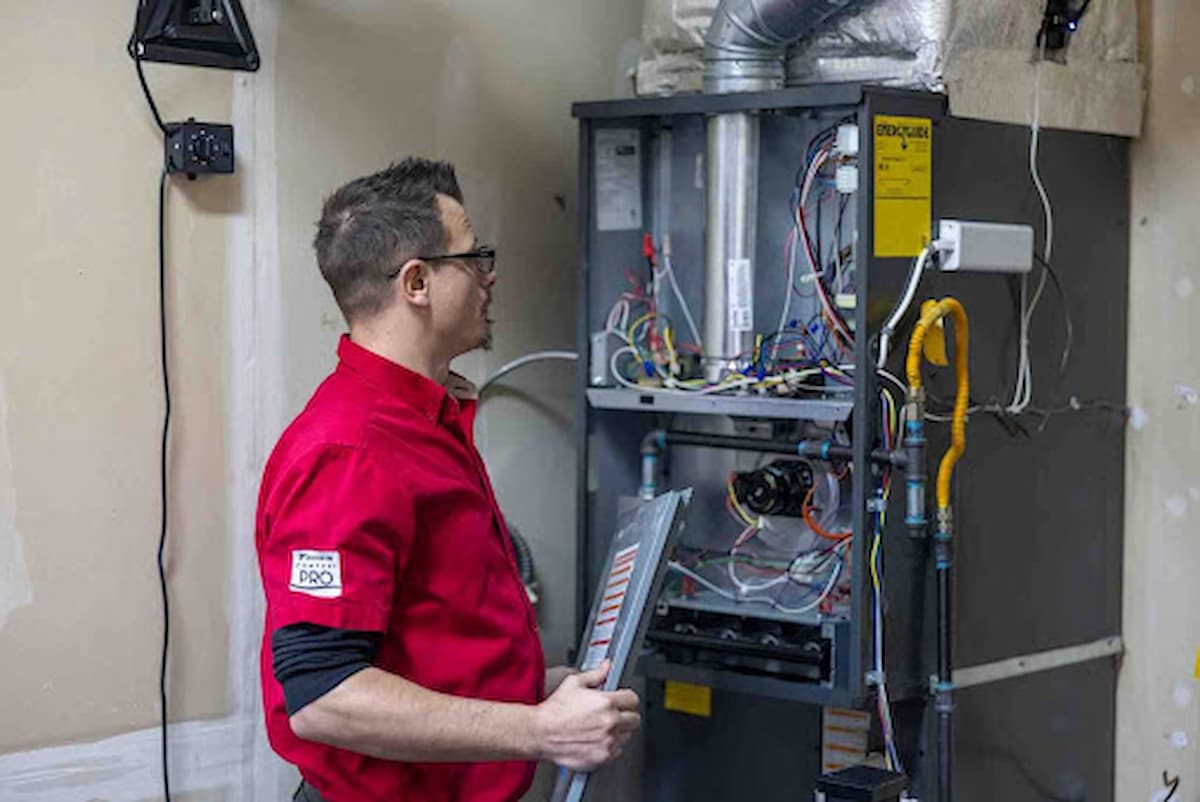
Step-by-Step: Preparing for Your Emergency Technician’s Arrival
When an emergency HVAC technician is en route to your Kent, WA, home, there are several steps you can take to facilitate a quicker and smoother repair process. Being prepared not only helps the technician but can also reduce the overall time your home is without heat.
- Clear Access to Your HVAC Units: Ensure that both your indoor furnace/air handler and outdoor unit (if you have one) are easily accessible. Remove any clutter, furniture, or debris that might impede the technician’s path or ability to work around the equipment.
- Secure Pets: For the safety of your technician and your beloved animals, please secure any pets in a separate room or area away from the work zone. This prevents distractions and potential hazards during the repair.
- Document Symptoms and Observations: Before the technician arrives, make a note of specific symptoms you’ve observed. When did the problem start? What sounds or smells did you notice? Is it blowing cold air, or not turning on at all? The more detailed information you can provide, the faster the technician can diagnose the issue.
- Check Thermostat Settings: Double-check that your thermostat is set to “Heat” and that the temperature setting is higher than the current room temperature. Also, ensure the fan setting is on “Auto” unless you specifically want continuous airflow. A simple thermostat error is a common, easily fixable issue.
- Inspect Your Circuit Breaker Panel: Locate your home’s electrical panel and check if the breaker corresponding to your furnace or HVAC system has tripped. Sometimes, simply flipping the breaker off and then back on can resolve the issue. If it trips again immediately, do not force it, as this indicates a more serious electrical problem requiring professional attention.
Taking these proactive steps can significantly assist your emergency HVAC technician, allowing them to diagnose and resolve your heating issue more efficiently, restoring comfort to your home as quickly as possible.
Frequently Asked Questions about Heating Repair and Maintenance
We often encounter common questions from homeowners in Kent, WA, regarding their heating systems, especially when facing an unexpected breakdown or considering preventative care. Here, we address some of these frequently asked questions to provide clarity and peace of mind.
What constitutes an HVAC emergency in Kent, WA?
An HVAC emergency in Kent, WA, is generally defined by any situation that compromises the safety, health, or extreme comfort of your household. This includes:
- No Heat During Extreme Cold: A complete loss of heating when outside temperatures are dangerously low, posing a risk of hypothermia or frozen pipes.
- Gas Smells: A distinct odor of natural gas (often described as rotten eggs or sulfur) near your furnace or gas lines. This is a critical safety hazard requiring immediate evacuation and a call to your gas provider and an emergency HVAC service.
- Electrical Hazards: Visible sparks, burning smells from the unit, or frequently tripping circuit breakers associated with your HVAC system, indicating a potential electrical fire risk.
- Carbon Monoxide Alarms: If your carbon monoxide detector sounds, it signals the presence of this odorless, colorless, and highly toxic gas, necessitating immediate evacuation and professional assistance.
- Refrigerant Leaks: For heat pump owners, a noticeable hiss, reduced heating, or ice buildup on coils can indicate a refrigerant leak, which is harmful to the environment and requires specialized handling.
In any of these scenarios, it’s crucial to seek immediate, 24/7 professional HVAC assistance to ensure safety and restore proper function.
What is the difference between a heat pump and a furnace?
While both heat pumps and furnaces are designed to provide warmth to your home, they operate on fundamentally different principles, making them suitable for varying climates and energy preferences.
- Furnace: A furnace generates heat through fuel combustion (typically natural gas, propane, or oil) or electric resistance. It burns fuel to create hot gases, which then pass through a heat exchanger. Air is blown over this hot exchanger, absorbing the heat, and then distributed throughout your home via ductwork. Furnaces are generally very effective in extremely cold climates where temperatures consistently drop below freezing.
- Heat Pump: A heat pump, on the other hand, does not generate heat by burning fuel. Instead, it works by transferring heat. In winter, it extracts heat from the outside air (even cold air contains some heat) and transfers it indoors. In summer, the process reverses, and it extracts heat from inside your home and releases it outdoors, effectively cooling your space. Heat pumps are highly energy-efficient, especially in the mild Pacific Northwest climate of Kent, WA, where they can provide year-round comfort for both heating and cooling with a single system. They are often more efficient than furnaces in moderate temperatures but may require a supplementary heating source (like electric resistance coils or a furnace, in a dual-fuel system) during very cold spells.
Understanding this distinction is important when considering energy efficiency, environmental impact, and the best heating solution for your Kent home.
How quickly will an emergency HVAC technician arrive?
When facing an HVAC emergency, knowing how quickly help can arrive is a primary concern. For 24/7 HVAC repair services in Kent, WA, you can generally expect a rapid response, though exact response times can vary based on several factors.
Most reputable emergency HVAC companies prioritize urgent calls, aiming to dispatch a technician as quickly as possible. Factors influencing arrival time include:
- Local Dispatch: Companies with local dispatch centers and technicians strategically located in and around Kent can often respond faster.
- Time of Day/Week: While 24/7 services are available, response times might be slightly longer during peak overnight hours, weekends, or major holidays due to higher demand and fewer available technicians.
- Weather Conditions: Severe weather, such as heavy snow or ice, can impact travel times for technicians, potentially delaying their arrival.
- Severity of Emergency: Life-threatening emergencies, such as gas leaks or carbon monoxide alarms, typically receive the highest priority for rapid service.
Many companies aim for same-day or within-a-few-hours service for urgent breakdowns. When you call, the dispatcher should be able to provide an estimated arrival window, giving you a clear expectation of when help will arrive to restore your home’s comfort and safety.
Conclusion
As we look ahead to the colder months in Kent, WA, the message is clear: proactive maintenance of your heating system is not merely a recommendation but a necessity for ensuring year-round comfort and safety. From understanding the critical role of regular tune-ups in saving money and extending system life to recognizing the urgent signs of an HVAC emergency, being informed empowers you to make the best decisions for your home and family.
A well-maintained heating system is a reliable heating system, offering you invaluable peace of mind through every season. By choosing an HVAC partner with local expertise and a commitment to prompt, professional service, you’re investing in the longevity of your equipment and the continuous comfort of your living space. Don’t wait for a breakdown to realize the importance of your heating system. Embrace winter readiness now, and ensure your home remains a warm, inviting sanctuary, no matter what the weather brings.
Schedule HVAC Maintenance today and give yourself peace of mind knowing your system is ready for whatever weather comes next. And if an emergency does strike, remember: we’re just a phone call away, ready to help.