Why Integrated Home Mechanical Services Prevent Indoor Air Quality Issues
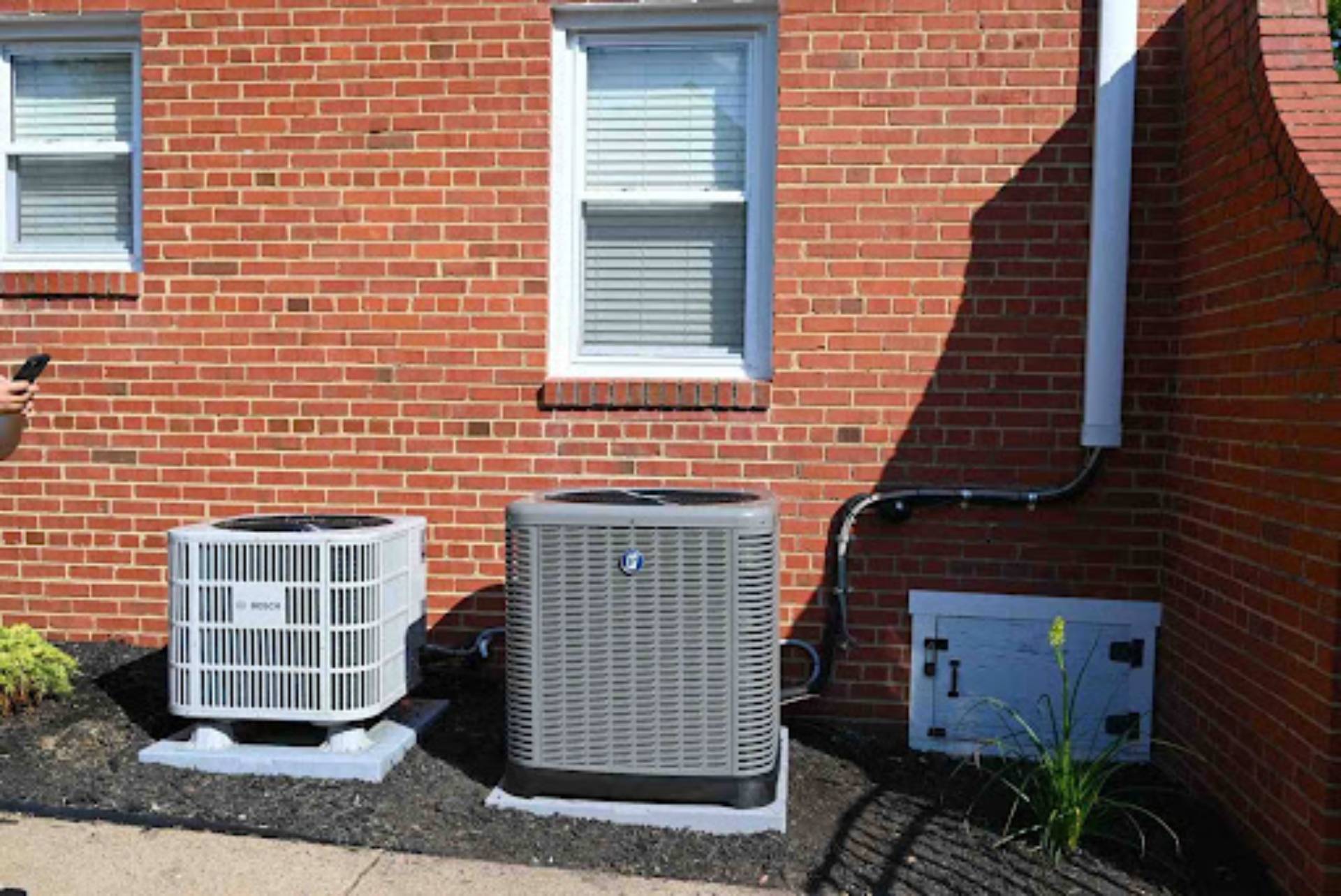
For homeowners in Central Virginia, dealing with humidity is a big challenge all year. Our area has a special mixed-humid climate, classified as IECC Climate Zone 4A. This weather, especially in warm, wet times, makes it easy for mold to grow. Specifically, the mold risk from HVAC problems in Central Virginia homes is a serious concern for many people. When your home’s heating and cooling system doesn’t work right, it can become a place where mold thrives. Then, mold spores can spread through your entire home. This guide will show how common HVAC issues lead to mold. We will also look at how Central Virginia’s climate adds to this problem. Finally, we will cover what we can do to keep our homes and our health safe from mold.
Our homes are complex ecosystems, and the various mechanical systems within them—HVAC, plumbing, and even insulation—work in concert to maintain a healthy indoor environment. When one system falters, it can create a ripple effect, particularly concerning indoor air quality and the pervasive threat of mold. Mold spores are ubiquitous; they exist naturally in the air around us, both indoors and out. They only require three things to flourish: moisture, a food source (like dust, drywall, wood, or fabric), and appropriate temperatures. In Central Virginia, with its frequently high humidity and fluctuating temperatures, moisture often becomes the missing link that allows dormant spores to activate.
An HVAC system that isn’t performing optimally can inadvertently become a primary source of this moisture. From leaky ducts pulling in humid air from attics or crawl spaces to clogged condensate drains creating standing water, these issues create ideal breeding grounds for mold. Once mold takes root in the HVAC system, its spores can be distributed throughout the entire home every time the system runs, impacting indoor air quality and potentially affecting the health of occupants. Similarly, plumbing issues, even minor leaks, introduce unwanted moisture into building materials, often in hidden spaces where mold can grow undetected for extended periods.
Understanding this intricate relationship is key to effective mold prevention. It’s not just about fixing a single problem; it’s about adopting a holistic approach to home maintenance that considers how all these systems interact. This integrated perspective is what allows us to proactively control moisture and prevent mold before it becomes a significant issue. For comprehensive insights into maintaining your home’s critical systems and mitigating risks, consulting an expert HVAC and plumbing professional can provide invaluable guidance tailored to our region’s unique challenges.
The Role of Home Mechanical Services in Controlling Humidity
One of the most critical functions of your HVAC system in Central Virginia is humidity control. The EPA recommends keeping indoor relative humidity between 30% and 50% to effectively prevent mold growth. When humidity levels consistently rise above 60%, the risk of mold development increases significantly, especially in areas like coils, drain pans, and ductwork. Our region’s climate often sees average relative humidity exceeding 70% in the summer, making active dehumidification essential.
The evaporator coils within your air conditioning system are designed to cool the air, and as they do, they also remove moisture through condensation. This is similar to how a cold glass of water “sweats” on a hot day. However, several HVAC problems can compromise this dehumidification process:
- Oversized Systems: An air conditioner that is too large for your home will cool the space too quickly, leading to “short-cycling.” While it might reach the desired temperature, it won’t run long enough to adequately remove humidity from the air. This leaves your home feeling damp and sticky, creating a prime environment for mold.
- Dirty Coils: Over time, evaporator coils can accumulate dirt and grime. This reduces their efficiency, making them less effective at cooling and, critically, at dehumidifying.
- Low Refrigerant: Insufficient refrigerant levels can cause your AC to run constantly but fail to cool or dehumidify properly, leading to high indoor humidity.
- Leaky Ductwork: Ducts running through unconditioned spaces like attics or crawl spaces can develop leaks. When the AC runs, these leaks can pull in warm, humid air from outside, distributing it throughout your home and negating the dehumidification efforts of the system. This can also lead to condensation inside the ductwork itself, a direct pathway for mold.
Modern HVAC technologies, such as variable-speed heat pumps, offer enhanced humidity control. Unlike traditional single-stage systems that are either “on” or “off,” variable-speed units can operate at different capacities. This allows them to run for longer periods at lower speeds, providing more consistent cooling and significantly better dehumidification without overcooling the space. Investing in and properly maintaining these systems is a proactive step toward maintaining optimal indoor humidity and preventing mold.
Coordinating Home Mechanical Services to Prevent Water Damage
Beyond humidity control, the physical management of water and moisture is paramount. This is where the coordination between your HVAC and plumbing systems becomes evident.
- Condensate Drain Lines: Your HVAC system produces a considerable amount of condensation during its operation, especially in humid Central Virginia summers. This water collects in a drain pan beneath the evaporator coil and is then routed away from your home through a condensate drain line. If this line becomes clogged with algae, dirt, or debris, the water will back up into the drain pan. Standing water in a dark, often cool environment is an ideal breeding ground for mold. The mold can then spread from the drain pan to the evaporator coil and into the ductwork. If the pan overflows, it can cause water damage to ceilings, walls, or flooring, leading to mold growth in those areas as well.
- Plumbing Leaks: Even seemingly minor plumbing leaks—a dripping pipe in a wall, a slow leak under a sink, or a faulty water heater—can introduce enough moisture to trigger mold growth. Mold can begin growing within 24–48 hours after water damage or moisture exposure if materials remain wet. These leaks often go unnoticed until a musty odor or visible mold appears, by which point significant damage may have occurred. Regular plumbing inspections and prompt repair of any leaks are crucial.
- Crawlspace Encapsulation: In our mixed-humid climate, crawl spaces are notorious for accumulating moisture. High humidity from the ground can seep into your home, affecting the air quality and contributing to mold growth, particularly in the lower levels and ductwork that runs through the crawl space. Crawlspace encapsulation, which involves sealing the crawl space from the outside environment and often includes a dehumidifier, is an effective way to prevent this moisture intrusion. This mechanical service directly impacts the humidity levels within your home and protects your HVAC system from drawing in damp, mold-laden air.
By ensuring your condensate drain lines are clear, promptly addressing any plumbing leaks, and considering solutions like crawlspace encapsulation, we can effectively prevent the water damage that provides mold with its essential lifeline.
Identifying and Preventing Mold Risks in Central Virginia HVAC Systems
Detecting mold in your HVAC system early can save you significant headaches and expenses. Because much of the system is hidden, you often won’t see mold until it’s already well-established. However, there are several warning signs homeowners should be vigilant about.
- Musty Odors: This is often the first and most common indicator. If you notice a damp, earthy, or stale smell when your HVAC system turns on, it’s a strong sign that mold or mildew is growing somewhere within the system or ductwork. This odor may be more pronounced in certain rooms or at specific times.
- Visible Spotting: While less common for hidden areas, you might see dark spots or discolored patches around vents, on registers, or on the surface of your air handler if mold has spread. Mold can appear in various colors, including black, green, brown, or white.
- Physical Allergy Symptoms: Mold spores circulating through your HVAC system can worsen allergies, asthma, and other respiratory symptoms. If you or your family members experience increased sneezing, coughing, itchy eyes, runny nose, congestion, skin irritation, or difficulty breathing, especially when the HVAC system is running, mold could be the culprit. These symptoms might be more pronounced indoors and improve when you leave the house.
- Excessive Condensation: Noticeable condensation on windows, walls, or inside ductwork can indicate high indoor humidity or a problem with your HVAC’s dehumidification function, creating conditions ripe for mold.
Preventing mold in your HVAC system in Central Virginia requires a multi-pronged approach, combining regular homeowner tasks with professional maintenance:
- Regular Filter Replacement: This is perhaps the easiest and most impactful DIY task. Air filters trap dust, dirt, and mold spores before they can enter your HVAC equipment and ductwork. A dirty filter restricts airflow, making your system work harder, and can also become a breeding ground for mold if it gets damp. We recommend changing your filters every 1-3 months, or more frequently (every 30 days) if you have pets, allergies, or a particularly dusty home. Upgrading to higher MERV (Minimum Efficiency Reporting Value) filters (MERV 8-13) can capture smaller particles, including mold spores, improving indoor air quality.
- Keep Indoor Humidity Between 30-50%: As discussed, this is crucial. Use a hygrometer to monitor humidity levels. If humidity consistently stays above 50%, consider using a whole-home dehumidifier integrated with your HVAC system or portable dehumidifiers in problem areas like basements.
- Clear Condensate Drain Lines: Homeowners can periodically pour a cup of distilled vinegar (not bleach) down the condensate drain line to inhibit algae growth. However, if you suspect a significant clog, professional clearing may be necessary.
- Professional HVAC Tune-Ups: Schedule professional maintenance twice a year—ideally in spring before the cooling season and in fall before heating. During these visits, technicians will clean evaporator coils, inspect drain pans and lines, check refrigerant levels, and ensure your system is operating efficiently, all of which are vital for mold prevention.
- Duct Cleaning and Sealing: If mold is found in ductwork, professional duct cleaning may be recommended. More importantly, sealing leaky ductwork prevents humid air from entering the system and creating condensation internally.
- Advanced Technologies: Consider installing UV-C lights within your HVAC system, typically near the evaporator coil. These lights destroy mold, bacteria, and virus DNA, preventing them from reproducing and circulating through your home. Whole-home air purifiers with HEPA filtration can also capture mold spores.
Here’s a comparison of DIY maintenance tasks versus when to call for professional HVAC services to manage mold risk:
Frequently Asked Questions About HVAC Mold and Moisture
Maintaining good indoor air quality and preventing mold is a top priority for Central Virginia homeowners. Here, we address some common questions regarding HVAC systems, moisture, and home health.
How often should Central Virginia home mechanical systems be inspected to prevent mold?
Given Central Virginia’s mixed-humid climate and the stress it places on HVAC systems, we highly recommend biannual professional inspections and maintenance. This means scheduling a tune-up in the spring before the cooling season begins and another in the fall before the heating season.
During these seasonal maintenance visits, technicians will:
- Clean and inspect evaporator coils: Ensuring they are free of dirt and mold, which directly impacts dehumidification.
- Check and clear condensate drain lines: Preventing clogs and standing water in drain pans.
- Inspect ductwork: Looking for leaks, condensation, or visible mold growth.
- Verify proper system operation: Ensuring the HVAC system is cooling and dehumidifying effectively, and that airflow is adequate.
- Assess overall system health: Identifying any potential issues that could lead to moisture problems down the line.
This proactive approach helps catch minor issues before they escalate into significant mold problems, ensuring your system runs efficiently and your indoor air quality remains healthy year-round.
What are the first signs of mold growing inside ductwork?
The earliest and most common indicator of mold growth within your ductwork is a persistent musty or earthy odor. This smell is often most noticeable when your HVAC system first kicks on, as the air movement pushes the mold spores and their volatile organic compounds (VOCs) into your living spaces.
Other early signs include:
- Visible residue or discoloration around air vents: While mold often hides within the ducts, sometimes it can be seen at the registers. Look for dark spots (black, green, brown) or even fuzzy growth.
- Worsening respiratory symptoms or allergy-like reactions: If family members experience unexplained sneezing, coughing, itchy eyes, a runny nose, or increased asthma symptoms, especially when indoors, it could be a reaction to mold spores circulating from the HVAC system. These symptoms may improve when you leave the house.
- Increased dust or dark particles coming from vents: While not always mold, an unusual amount of debris suggests a problem within the ductwork that warrants investigation.
If you observe any of these signs, it’s crucial to address them promptly, as mold can spread quickly and impact your home’s air quality and structural integrity.
What should I do if I suspect mold is already present in my HVAC system?
If you suspect mold is present in your HVAC system, taking immediate and appropriate action is essential to protect your health and prevent further spread.
- Do Not Attempt DIY Remediation on Extensive Mold: While small, surface mold on non-porous materials might be cleaned by a homeowner, mold within an HVAC system or ductwork often requires professional expertise. Attempting to clean it yourself can disturb spores, releasing them more widely into your home. Porous materials like fiberglass duct board, once contaminated with mold, typically need to be removed and replaced.
- Turn Off Your HVAC System: If you see visible mold or strongly suspect it, turn off your heating and cooling system immediately. This prevents the system from circulating mold spores throughout your home.
- Contact a Professional Mold Remediation Specialist: For mold in HVAC systems, it’s best to call a professional who specializes in mold inspection and remediation. They have the specialized equipment (like HEPA-filtered vacuums and negative air machines) and expertise to safely contain, remove, and clean mold-affected areas without cross-contaminating other parts of your home. They can also identify the source of the moisture problem and recommend permanent solutions.
- Consider Air Purifiers with HEPA Filtration: While waiting for professionals, using portable air purifiers with HEPA filters in affected rooms can help capture some airborne mold spores, but this is not a solution for the source of the problem.
- Address the Moisture Source: Professionals will not only remove the mold but also identify and fix the underlying moisture problem (e.g., a clogged condensate drain, leaky duct, or humidity issue) to prevent recurrence.
Mold can begin growing within 24–48 hours of moisture exposure, so prompt action is always the best course.
Conclusion
The unique climate of Central Virginia presents specific challenges for homeowners, particularly concerning the risk of mold growth fueled by HVAC problems. Our detailed exploration has highlighted how the region’s mixed-humid conditions, coupled with common HVAC issues like inefficient dehumidification, short-cycling, dirty coils, and clogged drain lines, create an environment where mold can thrive. We’ve also emphasized the critical role of integrated home mechanical services—HVAC and plumbing—in maintaining optimal indoor air quality and preventing moisture-related issues.
By understanding the early warning signs of mold, such as musty odors and worsening respiratory symptoms, and by implementing proactive prevention strategies, homeowners can safeguard their health and their property. Regular maintenance, including frequent filter changes, vigilant humidity control, and biannual professional HVAC inspections, are not just recommendations but necessities in our climate. When mold is suspected, prompt professional intervention is crucial to ensure effective remediation and prevent further spread.
Proactive care for your home’s mechanical systems translates directly into enhanced indoor comfort, improved air quality, and long-term home protection against the insidious threat of mold. Investing in the health of your HVAC and plumbing is an investment in the health of your home and everyone living in it.