In most home projects, there is a common stumbling block that occurs somewhere between the first swing of a sledgehammer and the last coat of paint. So where is all the junk going? Old drywall can pile up very quickly. Furniture is thrown away if it’s broken. Roofing scraps and yard debris accumulate rapidly, and just a couple of dump runs aren’t enough.
That’s where a dumpster comes in handy. It provides a single area where you can throw everything until it is finished. But booking one is not as simple as picking up the phone and hoping for the best. To get it right, you need to consider the size, timing, cost, and a few details that might catch the first-timer off guard.
Here are the five things that should be addressed before you sign anything:
1. Know Your Debris Type Before You Book

Before comparing quotes for a residential dumpster rental, figure out exactly what is being thrown away. Not all haulers take all materials. The incorrect item being mixed into a bin can result in rejected loads or unexpected charges. Buildings, yard waste, junk, and old items such as appliances typically require different bins or their own booking. This is more significant than most people would think.
More than 90 percent of the construction and demolition debris generated nationwide is from demolition alone, and many of the materials can be diverted from the landfill if they are sorted right from the beginning. Therefore, stroll through the project before calling anybody and make notes of what is actually leaving the house. This will save confusion later if a little prep work is done here.
2. Pick The Right Dumpster Size For The Job
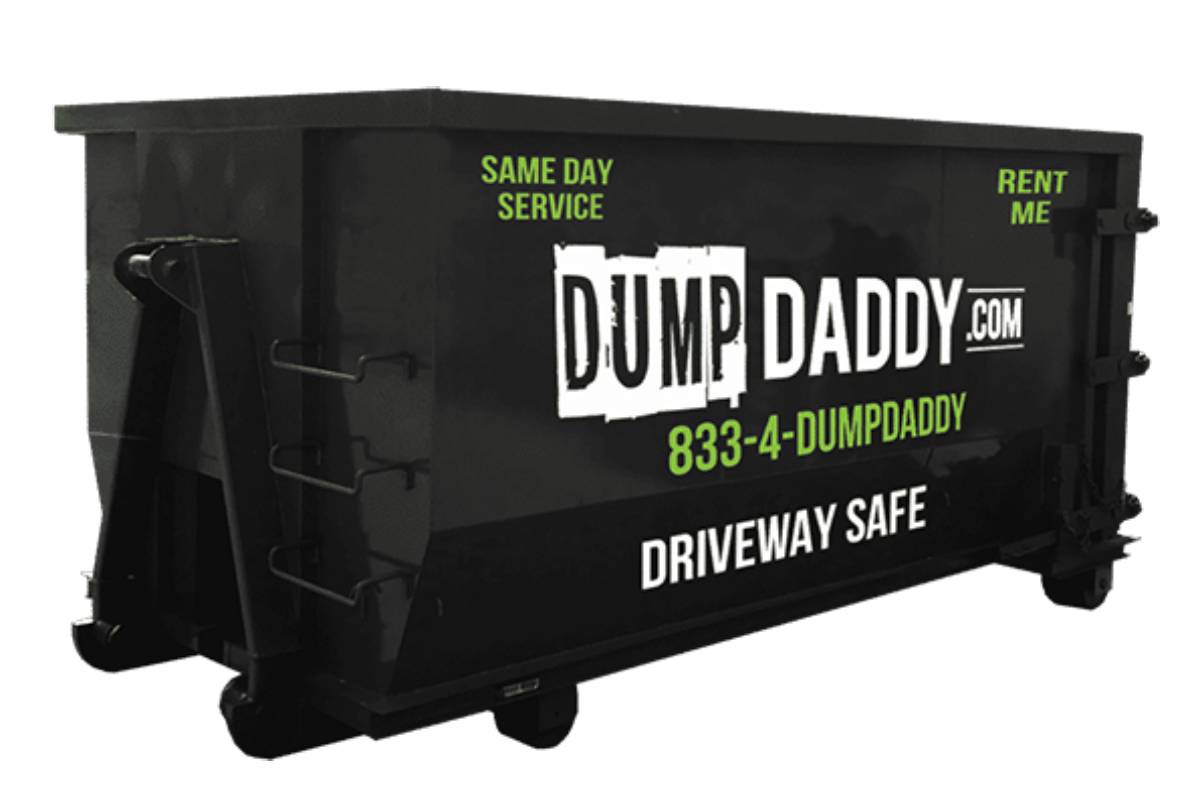
After the type of debris is identified, the next challenge is the size of the debris. Dumpsters come in various sizes, usually 10-40 cubic yards, and it costs you money to guess wrong either way. Go too small; it results in a second haul getting booked. Go large, and there’s still unused space that’s being charged for. However, it’s not all about size. It is better to ask the provider a couple of follow-up questions:
- Does this size have weight restrictions?
- Does the quoted price include delivery and pickup?
- Is the container replaceable during the project if it runs out of space?
- What is the usual rate you would pay for such an exchange?
Good answers at the beginning help to avoid the container being the costliest component of the task.
3. Understand Permit And Placement Rules
One detail that most people often miss is the legal placement of the dumpster, which refers to its actual location. If this is done on a private driveway, typically no documentation is required. Constructing one on a public street or curb is often a violation of law in itself, however, and requires a permit. The regulations differ greatly from city to city, and penalties for failure to do this outweigh the cost of the permit itself. Some points to consider prior to delivery:
- Does the municipality require a street placement permit?
- Can containers stay on public grounds for a certain period of time?
- Is there sufficient clearance in the driveway to prevent any problem?
This is easily sorted out with a call to public works, particularly in more built-up areas.
4. Compare Pricing Structures And Hidden Fees
The pricing seems straightforward until the final invoice comes with additional costs added on. Flat-rate quotes are usually for a fixed rental time and weight, but overages, excess rental days, and surcharges for certain items can quickly accumulate. That’s in harmony with the remodeling industry’s general trend. Homeowner spending on improvements and repairs remains a significant part of the housing market, making waste removal an easy line item to overlook when setting a remodeling budget. Before signing anything, ask providers to clearly spell out:
- Maximums and overage rates per ton of weight
- Daily charges for extending the rental
- Which items are deemed to be prohibited or restricted
Having these figures in writing prevents, for the most part, the surprises that occur later.
5. Confirm Your Booking Details Before Delivery
Before making a final decision, set the details that most people take for granted. One of the most common causes of homeowners overpaying is a mismatch between the project’s actual speed and the rental agreement. Confirm prior to the delivery date:
- How many days is the actual rental time?
- If the project is extended, what would the daily charge be?
- Does a delivery window have to be guaranteed, or could it change?
- Is it possible to reschedule pickup without the rebooking fee?
These questions take 5 minutes by phone. They help you avoid a lot of pain when the project begins, and deadlines begin to change.
Conclusion
Residential dumpster booking is not difficult if you know what to search for. Determine your debris type and nail it down. Proper container sizing. Be sure to review any local placement guidelines. Carefully read the pricing fine print. Make sure all rental conditions are verified prior to delivery day. Avoid these stages, and the prospect of delays, fines or unforeseen expenses arises. Take care of them first, and the dumpster is one less thing to worry about and more energy is available for the actual job, whether it be a kitchen remodel, a garage cleanout, or a home remodel.