Lawn care depends on the month of the year, and homeowners are not initially prepared for that transition. What was good in April usually does not work in August. Mowing, watering, and fertilizer requirements all vary with changes in temperature during the year.
Even with a genuine effort, it can be easy to get patchy, discolored, or even stressed-out grass without an actual plan.
The thing is, healthy lawns are not constructed with a single thrust. They are constructed out of little, season-specific activities done at the appropriate moment.
This guide simplifies the process of lawn care by season by season, so you never have to wonder what your lawn requires and when.
Here’s how your lawn’s needs change across spring, summer, fall, and winter, along with what to do about it.
1. Restore Your Lawn After Winter Damage in Spring
In spring, your lawn begins to revive after several months of cold and dormancy. After the snow has melted, grass frequently appears thin, pale, or matted down.
This is the appropriate moment to clear off debris, apply pre-emergent weed control, and initiate a light fertilization schedule to jump-start new growth. Practicing early intervention on bare patches is also important because the soil temperature in the spring is favorable to seed germination when compared to later in the year.
The local climate is a significant factor in the speed with which a lawn can recover in the wake of winter. In places such as Bloomfield Hills, the spring weather changes and the heavy clay soil may hamper recovery unless managed. That is the reason why early spring lawn care in Bloomfield Hills is so crucial before the other growing season starts.
2. Keep Your Lawn Green Through Summer Heat and Drought
Grass is put to the test in summer. The increase in temperature and irregular rainfall draw moisture out of the soil more quickly than it is restored, and this can be reflected in the dull color or slowed growth.
Deep, less frequent watering is better than shorter daily sessions, as deep watering induces roots to grow downwards seeking moisture. Early morning is the best time to water, as it reduces evaporation and gives grass blades time to dry before evening.
The height of mowing is also a big factor here. When grass is mowed too short in summer, it is robbing itself of the shade which shelters its own roots in the heat. When the mower blade is lifted a little, it assists the lawn in retaining moisture and preventing stress.
Warmer months also usually lead to an increase in weed pressure, and thus maintaining control over planned treatments ensures undesirable growth does not overtake weakened areas.
3. Strengthen Roots and Prep Your Lawn in Fall
Fall is often overlooked, but it plays a bigger role in lawn health than most people realize. Cooler temperatures and consistent moisture create ideal conditions for root development, which is why this season is considered a turning point for next year’s growth.
Aeration is especially valuable here. Removing small soil plugs relieves compaction and allows water, nutrients, and air to reach the root zone more effectively. Pairing aeration with overseeding fills in thin or bare areas before winter sets in.
Fertilizing in fall also matters. Applying the right nutrients now helps grass store energy that supports faster green-up the following spring. Skipping this step is one of the most common reasons lawns struggle to recover after winter.
4. Protect Your Lawn During Winter Dormancy

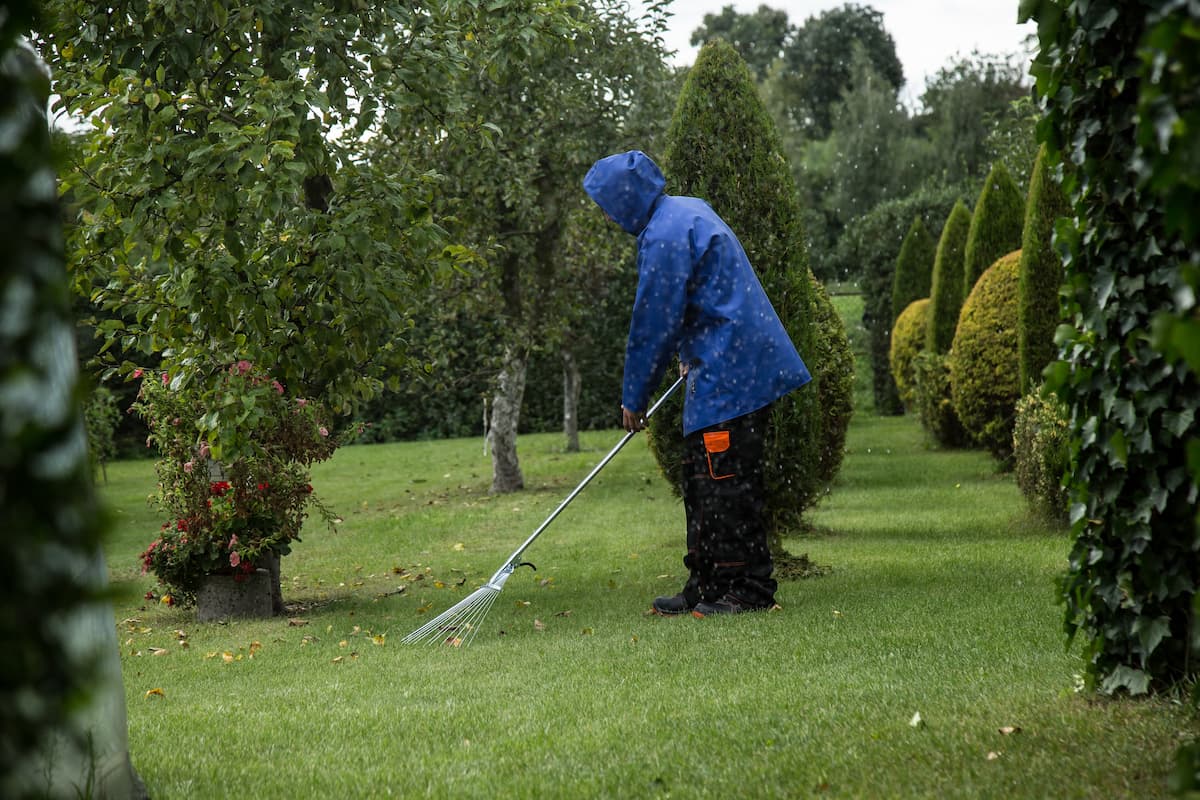
Grass growth slows significantly in winter, but that doesn’t mean it stops needing attention entirely. Dormant grass is more vulnerable to damage from foot traffic, heavy equipment, and piled-up snow, so limiting activity on the lawn helps prevent compaction and bare spots.
Clearing fallen leaves and debris before the first snowfall is equally important. Leaving organic matter on the lawn traps moisture underneath and creates conditions for fungal disease to develop once temperatures rise again.
Winter is also a good time to plan ahead. Reviewing what worked and what didn’t over the past year makes it easier to adjust fertilization and treatment schedules before spring arrives.
5. Maintain a Healthy Lawn All Year Long
Beyond seasonal tasks, a few consistent habits keep a lawn healthy no matter the time of year.
Regular mowing at the correct height matters most. Cutting too short weakens grass over time. Timely watering also plays a big role. Grass needs steady moisture, not just occasional deep soaks.
Routine soil checks help too. They show what’s happening beneath the surface before problems appear above it. Small adjustments made early often prevent bigger issues later.
Weed and pest control shouldn’t be treated as one-time fixes either. A single treatment rarely solves the problem for good. Staying consistent with seasonal treatments prevents small issues from turning into larger ones that take longer to correct.
Soil health deserves just as much attention as what happens above ground. Testing soil periodically helps identify nutrient gaps early. This way, fertilization efforts actually address what the lawn needs, instead of guessing and hoping for results.
Conclusion
Lawn care isn’t about reacting to problems after they show up. It’s about understanding what your grass needs at each point in the year and staying ahead of it.
Spring recovery, summer protection, fall strengthening, and winter care all work together to support the same goal: a lawn that stays healthy through every condition it faces.
Once these seasonal habits become routine, maintaining a strong, consistent lawn becomes far less complicated than it seems.