Table of Contents
- Why Year-Round Planning Matters
- Start With Home Energy Use
- Match Solar To The Home
- Choose The Right Battery Size
- Prepare For Seasonal Weather
- Add EV Charging With Care
- Review Grid And Utility Rules
- Build A Smart Installation Plan
- Common Questions
- Final Checklist
- Conclusion
Planning a home energy system is about more than adding panels to a roof. A well-designed setup considers how your family uses electricity in every season, what happens during outages, and which future upgrades may change demand. Local solar professionals such as https://gtconstruction.solar can help homeowners turn those priorities into a practical system design.
The strongest plans combine solar generation, battery storage, electrical-service capacity, and EV charging habits. Starting with clear goals can help you avoid undersizing equipment, paying for unnecessary capacity, or discovering late in the project that an electrical upgrade is needed.
Why Year-Round Planning Matters
Solar should be planned around annual electricity use rather than only peak summer production. Heating loads, air conditioning, a new heat pump, an electric water heater, a workshop, or an EV can substantially change the amount and timing of electricity a home needs. Batteries add flexibility by storing some daytime production for evening use, but they must be sized around realistic backup goals, not assumptions.
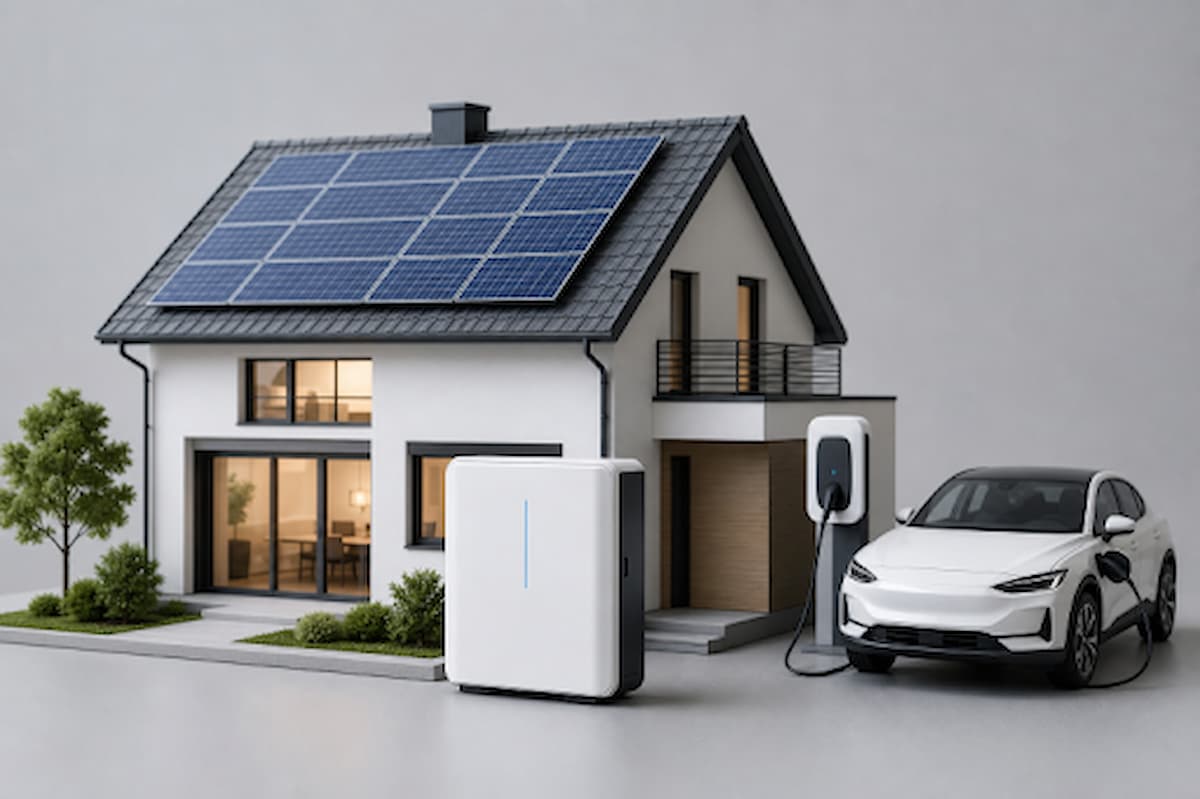
Solar panels are only one part of a complete system. The amount of electricity a system can produce depends on roof direction, sunlight, utility rates, system size, and the household’s consumption patterns.
Start With Home Energy Use
Before requesting quotes, collect at least 12 months of electric bills. Record both average monthly consumption and the highest-use months, then list major electrical loads and upcoming changes.
- Identify large loads such as HVAC equipment, pool pumps, water heaters, dryers, and tools.
- Note planned purchases, including an EV or electric appliances.
- Separate essential outage circuits from flexible loads.
- Consider when electricity is used, especially mornings, evenings, and overnight.
For example, two homes may currently use 900 kilowatt-hours per month. If one family plans to drive an EV 1,000 miles monthly, its future energy demand could be meaningfully higher. Designing solely around current bills may leave too little solar production or electrical capacity for charging.
Match Solar To The Home
Panel count does not tell the full story. Roof area, orientation, pitch, chimney or vent placement, tree shade, local weather, and panel output all affect production. A site assessment should also review roof condition and the main electrical panel, because aging roofs or limited service capacity can complicate installation.
The best design balances expected production, budget, equipment limits, and long-term needs. When possible, reserve physical and electrical space for future panels, a battery, or an EV charger instead of treating each upgrade as an unrelated project.
Choose The Right Battery Size
Battery sizing begins with the purpose of backup. A battery for short interruptions can be smaller than one intended to run refrigeration, lights, internet, a sump pump, and heating equipment through an overnight outage.
Key Battery Questions
- Which appliances and circuits must stay powered?
- How long should backup last?
- Can solar recharge the battery while the grid is down?
- How much power can the battery deliver at one time?
- Will hot or cold equipment conditions affect performance?
- Can storage capacity be expanded later?
Whole-home backup can cover more appliances, but it usually requires more battery capacity and careful management of high-demand loads. Critical-load backup focuses on selected circuits, often reducing upfront cost while preserving the essentials during an outage.
Prepare For Seasonal Weather
Every season changes the relationship between production and demand. Winter can bring shorter days, snow cover, and higher heating use. Spring may offer strong production but variable storms. Summer often produces more solar electricity while air conditioning increases demand. Fall brings earlier sunsets and cooler nights, which can shift more usage into battery-supported evening hours.
Weather-ready planning includes secure mounting, roof drainage, proper equipment clearances, sensible battery placement, and routine inspections. Ask how the system will operate during severe weather, extended cloud cover, and outages that last longer than a single night.
Add EV Charging With Care
Level 1 charging uses a standard household outlet and can work well for lower daily mileage. Level 2 charging uses 240-volt equipment and provides faster charging, but it may require added electrical capacity. The Department of Energy notes that home charging equipment should be matched to the home’s electrical capacity and installed in accordance with applicable codes.
Smart charging can schedule an EV to charge during solar-producing hours, lower-cost utility periods, or times when household demand is lower. Midday charging may use fresh solar production, while overnight charging may rely on the grid or battery. Vehicle-to-home capability can be useful in some designs, but compatibility, local rules, and equipment requirements should be confirmed early.
Review Grid And Utility Rules
Utility policies can affect system design, savings, and battery settings. Confirm interconnection requirements, export limits, net-metering or bill-credit rules, time-of-use rates, backup-system requirements, permits, and inspections before finalizing a proposal. These policies can change, so rely on current information from the utility and local permitting office rather than old estimates.
Build A Smart Installation Plan
- Gather records: Collect bills, roof details, panel information, and planned upgrades.
- Set priorities: Decide whether savings, resilience, EV charging, or a combination matters most.
- Compare designs: Review output estimates, battery capacity, inverter limits, warranties, and expansion options.
- Check electrical capacity: Confirm the service and panel can support the equipment.
- Define backup loads: Identify circuits that must operate during an outage.
- Read the agreement: Review payment terms, production assumptions, maintenance, monitoring, and warranty responsibilities.
Common Questions
Does Solar Work During Cloudy Weather?
Yes. Panels still generate electricity in cloudy weather, although output is lower than under clear skies. A battery and grid connection can help cover the difference.
Can A Battery Run The Whole House?
It depends on stored energy, power output, appliance demand, and outage duration. Larger systems may support most household loads, while smaller systems are designed for critical circuits.
Should A Battery Be Installed With Solar?
Installing both together can simplify design and wiring, but adding storage later may make sense when the budget, incentives, or future load growth remain uncertain.
What Happens During A Grid Outage?
Standard grid-tied solar generally shuts down during an outage for safety. A properly configured solar-and-battery system can isolate from the grid and power selected backup loads.
Final Checklist
- Review a full year of electricity use.
- Account for future EV, heating, and appliance loads.
- Check roof condition, shade, and electrical-service capacity.
- Choose backup circuits before selecting battery size.
- Plan for seasonal weather and outage conditions.
- Confirm current utility, permit, and inspection requirements.
- Compare warranties, monitoring, service, and expansion options.
Conclusion
A resilient home energy plan starts with real usage data and clear priorities. Solar, battery storage, and EV charging can work together effectively when each component fits the home, its weather patterns, its electrical system, and the family’s future plans. Careful planning at the start can prevent costly changes and create more reliable performance year-round.