Big, bold and impossible to ignore, 1980s hair was a statement in its own right. Tight perms, towering blowouts, crimped waves and the famous “business in the front, party in the back” mullet defined the decade as much as neon and shoulder pads. The 80s Hairstyles Comeback brings many of these memorable looks back into fashion with a fresh, wearable approach.
For years, these styles were the punchline of throwback photos. Now, updated versions are showing up again in salons, on social media and on the street. The difference is that today’s takes are softer, more textured and far easier to live with.
This guide covers the 1980s hairstyles making a comeback, how each one looked originally, how modern versions differ, and how to ask your stylist for a look that feels fresh rather than dated.
Why ’80s Hair Is Back
Trends tend to move in cycles, and the 1980s have become a rich source of inspiration for a new generation. Retro 80s Hair Trends are gaining attention as people rediscover bold volume, textured layers and expressive hairstyles. A few things are driving the return of ’80s-inspired hair:
- A move away from flat, sleek hair. After years of poker-straight styles, many people want volume, movement and texture again.
- Embracing natural texture. Modern cuts and products work with curls and waves rather than fighting them, which suits many ’80s shapes.
- Social media and nostalgia. Retro looks, throwback photos and AI-generated ’80s portraits keep the decade’s style visible.
- Individuality. Bold, slightly unconventional cuts like the mullet appeal to people who want a look that stands out.
The key point is that modern versions borrow the spirit of the ’80s, not the exact execution. Expect less hairspray, softer shapes and healthier-looking hair.
The Big Three: Perms, Mullets and Blowouts
1. The Perm
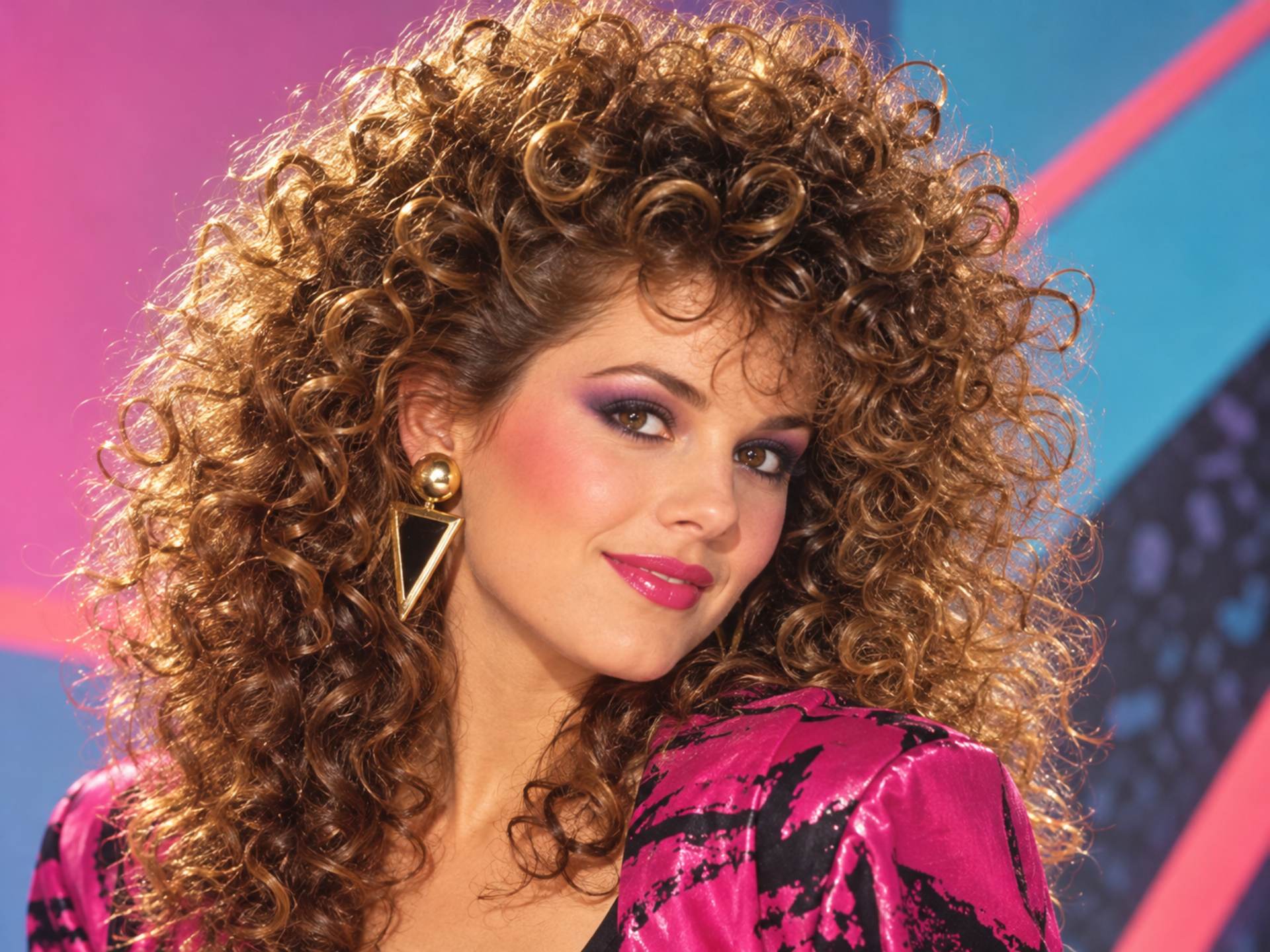
Then: The classic ’80s perm used chemicals and small rods to create tight, springy curls all over the head. Results were often dramatic, very voluminous and sometimes frizzy, with a crunchy finish from heavy styling products.
Now: Modern perms aim for loose, natural-looking waves or soft curls. Stylists use larger rods, gentler formulas and techniques such as root perms, which add lift only at the roots, or body waves for relaxed movement. The goal is hair that looks naturally textured rather than obviously permed.
Best for: Fine or flat hair that struggles to hold volume or curl.
2. The Mullet
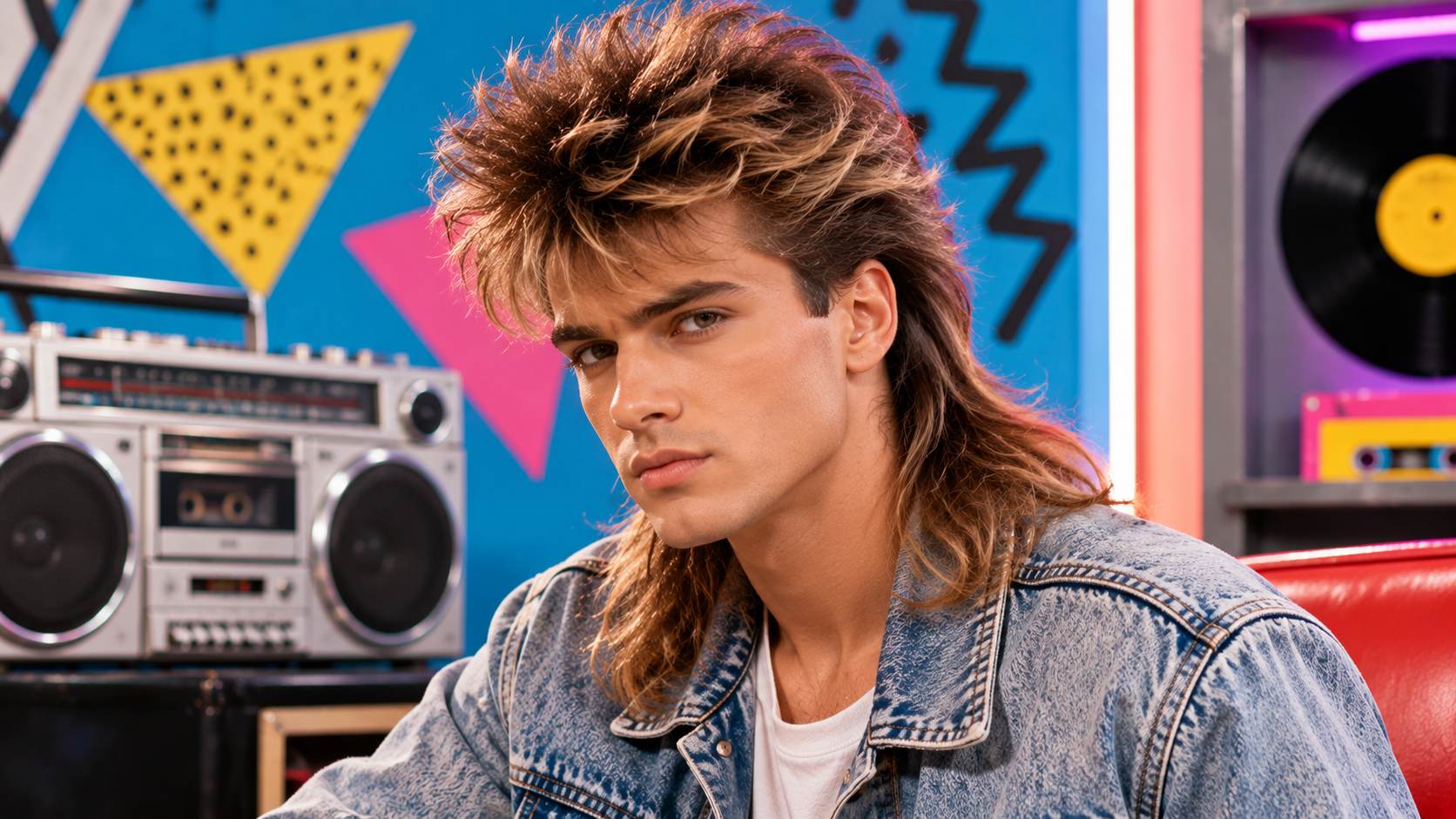
Then: Short on the top and sides, long at the back. The mullet became one of the Iconic 1980s Haircuts, recognised for its distinctive contrast between shorter front sections and longer hair at the back. The ’80s version often featured spiky or feathered layers on top and a long, straight tail behind.
Now: Today’s mullet is far more blended. Choppy layers, curtain bangs and textured ends soften the contrast between front and back. Variations include the shag-mullet hybrid, sometimes called the wolf cut, which combines heavy layering with a slightly longer back.
Best for: Thick, wavy or curly hair, which gives layers natural movement.
3. The Big Blowout
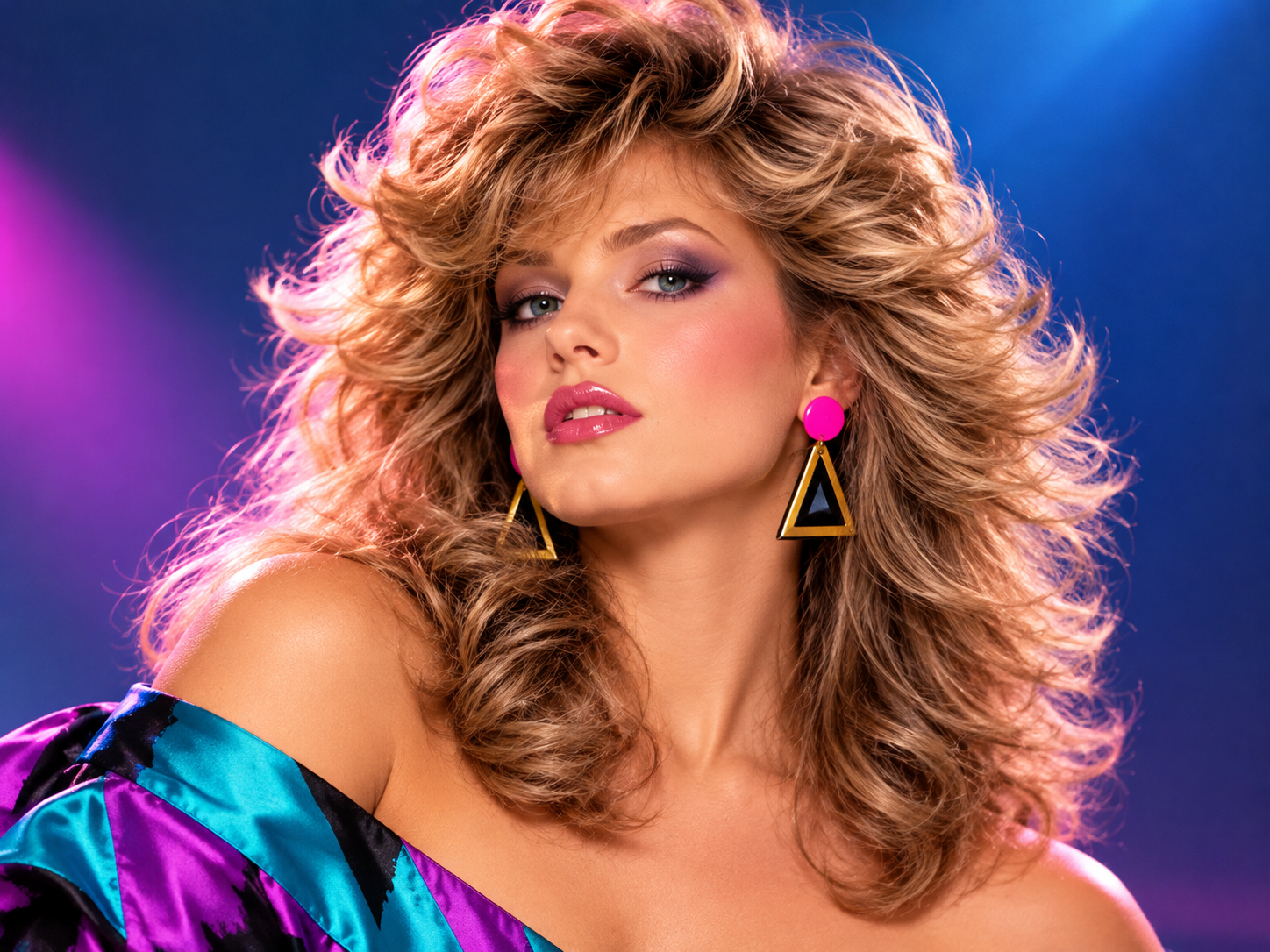
Then: Volume was everything. Hair was teased, backcombed, curled and set with generous amounts of hairspray to create large, rounded shapes with lift at the crown and sweeping fringes.
Now: The modern blowout keeps the bounce and movement but loses the stiffness. A voluminous blowout creates soft, glossy volume using a round brush or hot rollers, often combined with curtain bangs and face-framing layers. Hair should move freely and feel touchable.
Best for: Medium to long hair, especially with layers.
More ’80s Hairstyles Making a Return
4. The Side Ponytail
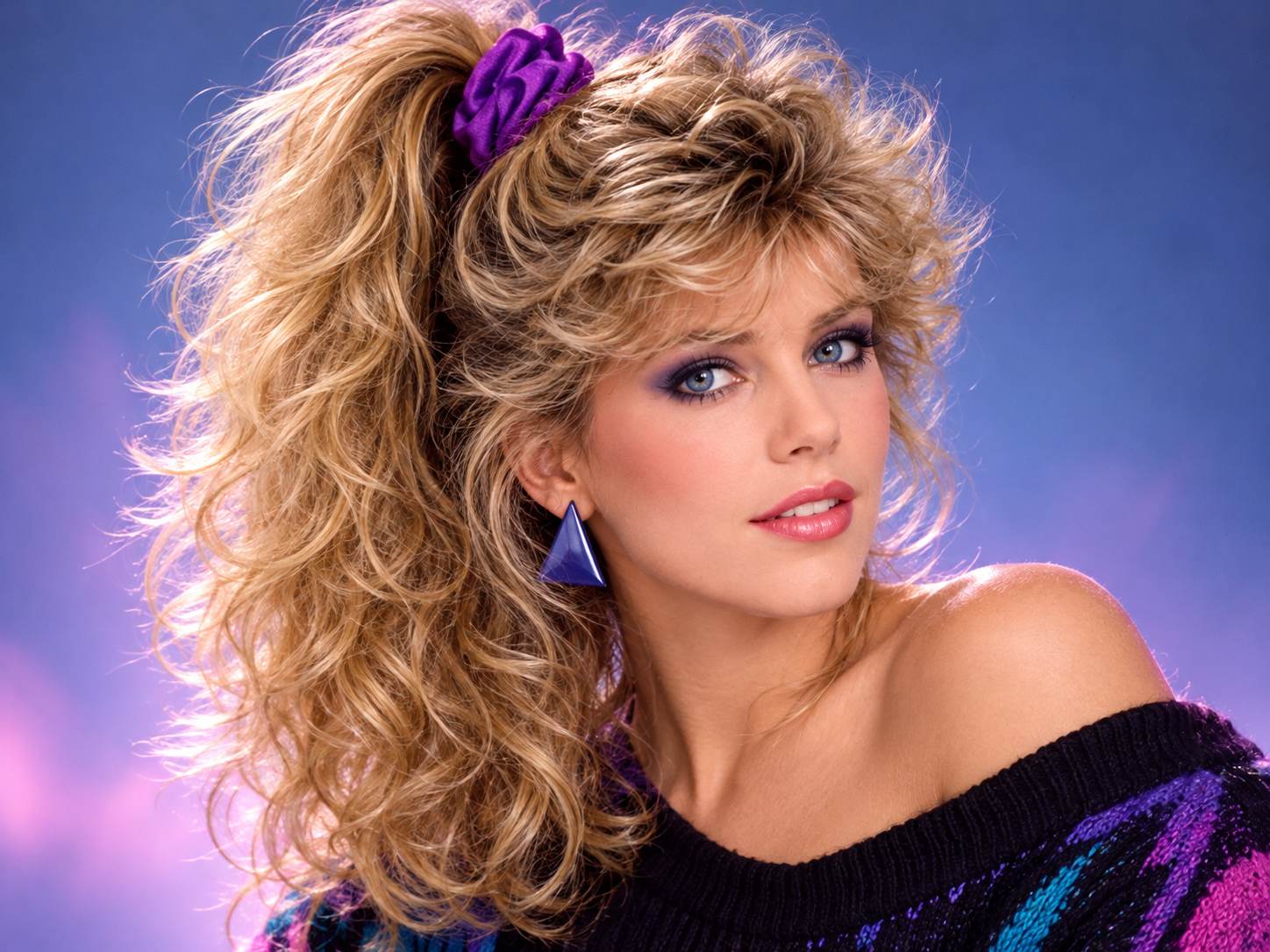
Then: Pulled high and to one side, often with a big, bright scrunchie and plenty of volume at the crown.
Now: A lower, looser side pony or a sleek side-swept ponytail feels playful without looking like a costume. Scrunchies have returned too, usually in velvet, satin or neutral colors.
5. Crimped Hair
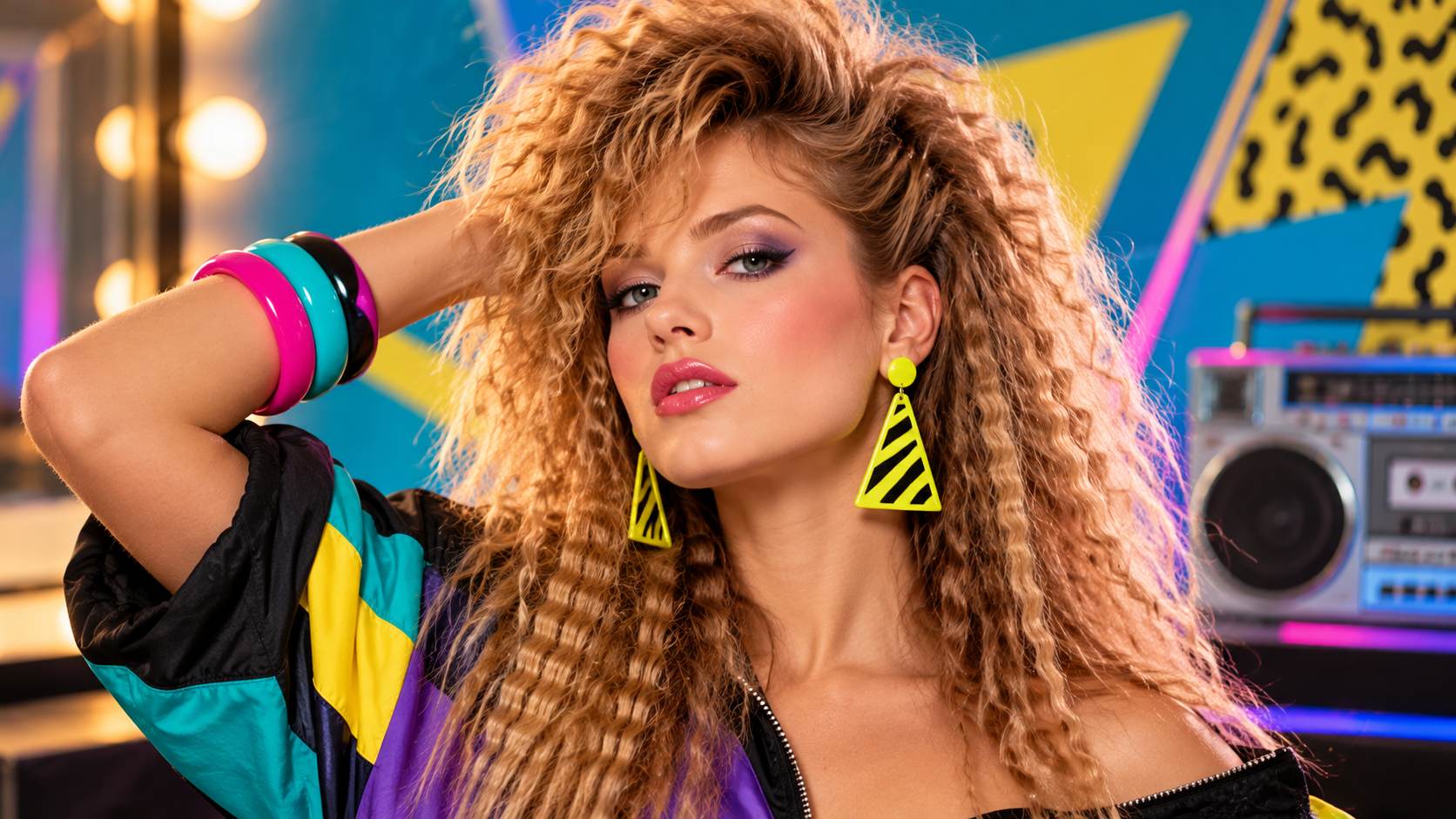
Then: Tight zigzag waves created with a crimping iron, often all over the head for maximum texture and volume.
Now: Crimping is used more selectively, perhaps on a few hidden sections or the lengths only, to add grip and texture. Modern tools tend to create softer, wider waves.
6. Feathered Hair
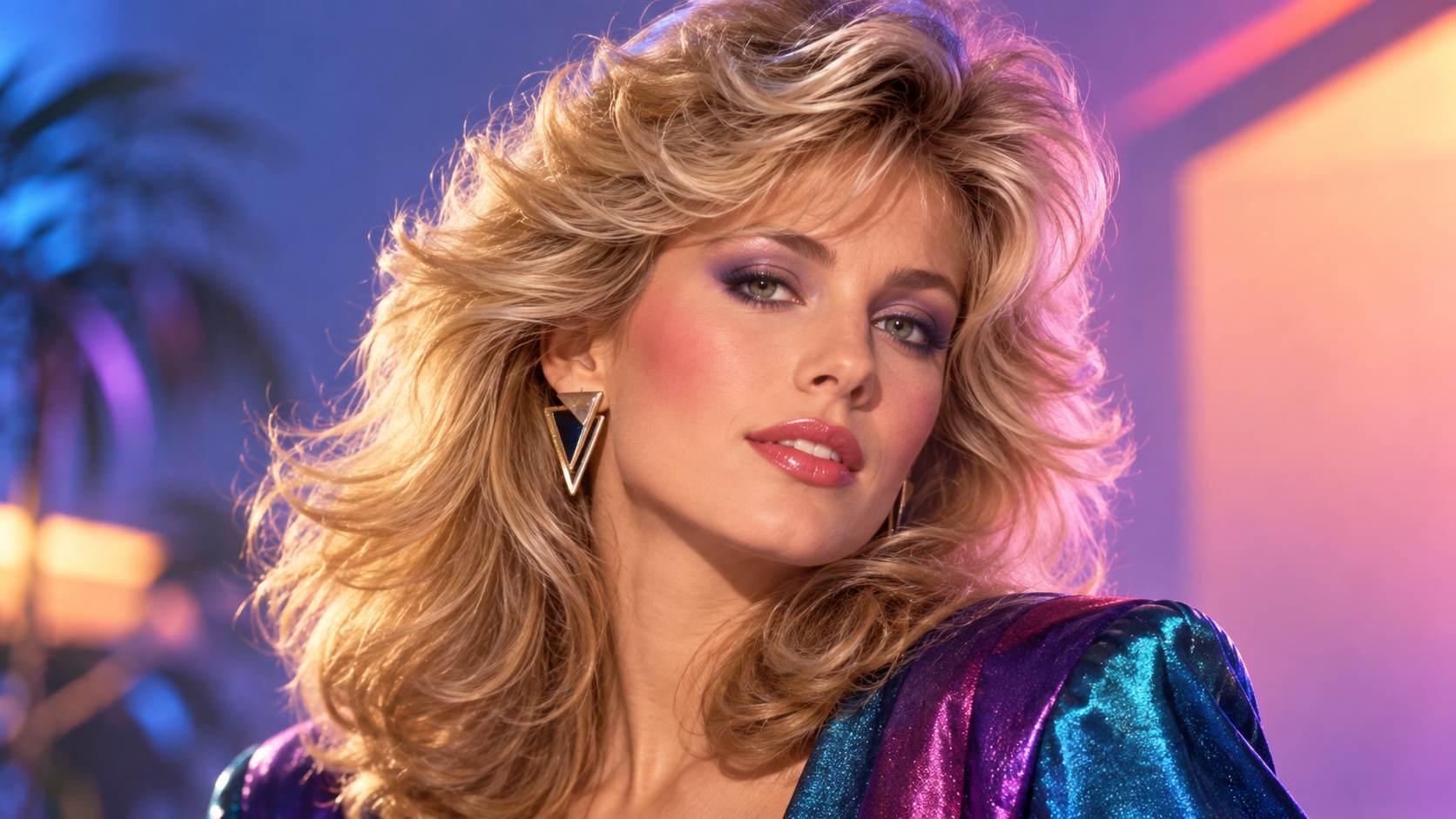
Then: Layers flicked back and away from the face, popular from the late 1970s into the early ’80s, styled with a round brush and hairspray.
Now: Feathered layers have evolved into curtain bangs and face-framing pieces with a soft outward flick. Among the Vintage Hairstyles Making a Comeback, feathered hair remains a versatile option because it suits many lengths and hair types while adding natural movement around the face.
7. The High-Top Fade
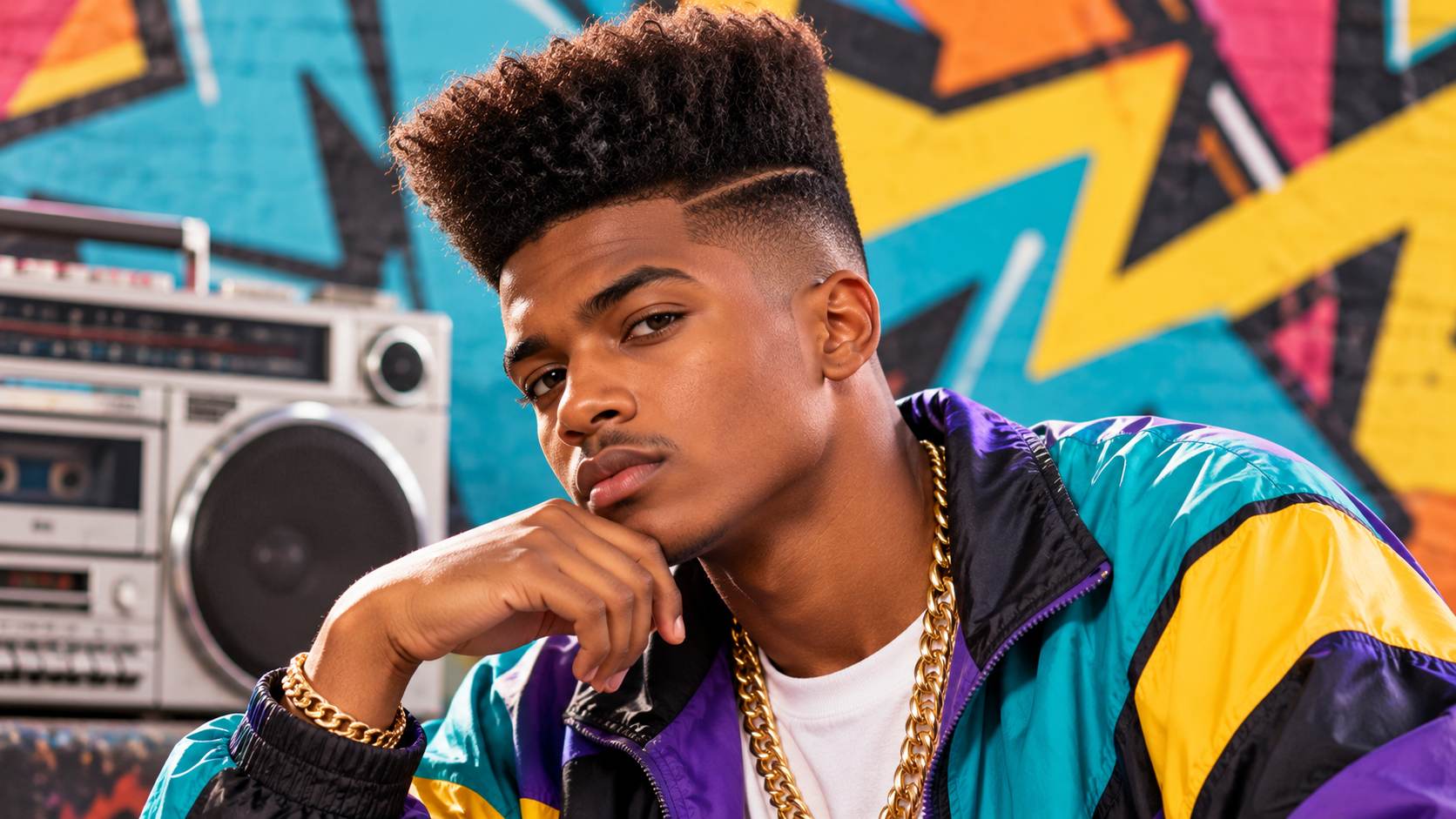
Then: Popularized by late-’80s hip-hop culture, the high-top kept natural, textured hair tall and flat on top, with sharply faded sides.
Now: Modern versions are often shorter and more sculpted, with crisp line-ups and creative fade patterns. Many barbers mix the classic high-top with contemporary textured tops.
80s Hairstyles: Then vs. Now
Many Popular 80s Hairstyles have evolved to suit modern styling preferences, with softer textures, more natural movement and less reliance on heavy styling products. Use this quick comparison to see how each style has been updated.
| Hairstyle | The original ’80s version | The modern version |
|---|---|---|
| Perm | Tight, uniform curls with lots of frizz | Loose waves, root lifts and natural-looking texture |
| Mullet | Sharp short-front, long-back contrast | Blended layers, curtain bangs and textured ends |
| Big blowout | Teased, stiff volume held with hairspray | Soft, bouncy volume that moves naturally |
| Side ponytail | High, voluminous, with a bright scrunchie | Lower, looser or sleek, with subtle accessories |
| Crimped hair | All-over zigzag texture | Selective sections or softer, wider waves |
| Feathered hair | Layers flicked back with hairspray | Curtain bangs and soft face-framing layers |
| High-top fade | Tall, flat top with faded sides | Shorter, sculpted tops with creative fade details |
How to Ask Your Stylist for a Modern ’80s Look
Choosing from the many Modern Takes on 80s Hair starts with finding a cut or styling technique that complements your natural texture, face shape and daily routine. A few simple steps can help you achieve a retro-inspired style that suits your lifestyle.
- Bring reference photos. Show both the ’80s original and a modern version you like. Pictures avoid misunderstandings, especially with words like “perm” or “mullet.”
- Use modern terms. Ask for “soft waves,” “a blended mullet,” “curtain bangs” or “a bouncy blowout” rather than simply saying ’80s.
- Talk about your hair type. Texture, density and thickness affect how a cut or perm will turn out. A good stylist will tell you honestly what will work.
- Be clear about maintenance. Ask how long styling will take each day and how often you will need a trim or touch-up.
- Consider a trial. Try a temporary version first, such as a crimped section, a blowout or hot rollers, before committing to a chemical treatment or a dramatic cut.
Caring for Your ’80s-Inspired Hair
- Protect against heat. Proper heat styling protection is important when recreating voluminous 1980s hairstyles. Use a heat protectant before blow-drying, curling or crimping.
- Treat permed hair gently. Follow your stylist’s aftercare advice, use products for chemically treated hair, and avoid stacking chemical treatments too close together.
- Choose flexible products. Many Classic 1980s Hair Trends relied on heavy hairspray and backcombing to maintain dramatic volume. Today, lightweight mousses, texture sprays and flexible-hold hairsprays can create similar lift without the stiff, crunchy finish of the past.
- Keep up with trims. Layered cuts like the mullet and shag keep their shape best with regular trims.
- Get advice if unsure. If you have sensitive skin or damaged hair, ask a professional before trying chemical treatments.
FAQs
What were the most popular hairstyles of the 1980s?
The most iconic ’80s hairstyles included perms, mullets, big teased blowouts, side ponytails, crimped hair, feathered layers and high-top fades. Many of these looks have influenced Trendy 80s-Inspired Hairstyles, which combine vintage shapes with softer layers, natural texture and more practical everyday styling.
Are perms back in style?
Modern perms have become popular again, but they look very different from the tight curls of the ’80s. Today’s perms usually create loose, natural-looking waves or add lift at the roots.
What is the difference between a mullet and a wolf cut?
A mullet is short at the front and sides and longer at the back. A wolf cut blends mullet and shag elements, with heavy, choppy layers throughout and a softer transition between lengths.
How do I get ’80s volume without damaging my hair?
Use a round brush, hot rollers or a volumizing mousse, and always apply heat protection. Light texture sprays create lift without the heavy backcombing and stiff hairspray used in the ’80s.
Can I try an ’80s hairstyle without cutting my hair?
Yes. Side ponytails, crimping, big blowouts and hot-roller curls are all temporary. You can also use AI image tools to preview how an ’80s look might suit you before visiting the salon.
Final Thoughts: Big Hair, Modern Attitude
The 1980s gave us some of the boldest hairstyles in history, and the Revival of 1980s Hairstyles is introducing these memorable looks to a new generation. Perms have softened into natural waves, mullets have become blended and textured, and blowouts now favor bounce over stiffness.
The best way to try an ’80s look today is to keep its confidence and volume while updating the technique. With good reference photos, honest advice from a stylist and modern products, you can wear a retro-inspired style that feels completely current.
For salons, barbers and beauty brands, nostalgic trends like these are a great way to attract new clients, but only if those clients can find you. At Megrisoft, we help businesses get discovered through local SEO, business listings and AI search optimization. If you want more people to find your salon when they search for their next look, get in touch with our team.