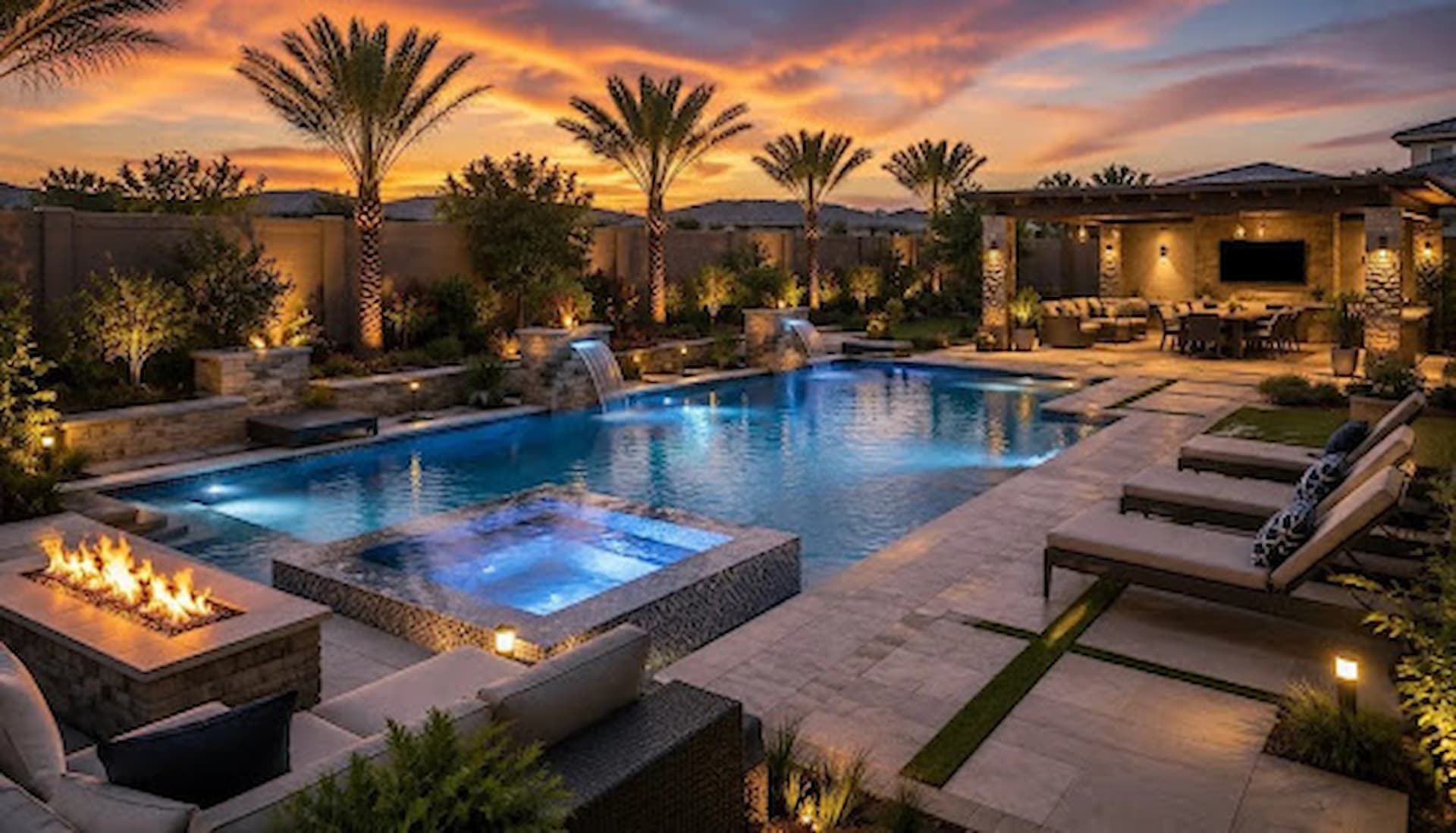
Popular Projects in Backyard Transformations and Outdoor Living
The desire to maximize home enjoyment has propelled backyard transformations to the forefront of home improvement. The year 2021 was famously dubbed the “year of the yard,” reflecting a significant surge in homeowners investing in their outdoor spaces. This trend has only continued, with many envisioning their backyards as true extensions of their indoor living areas.
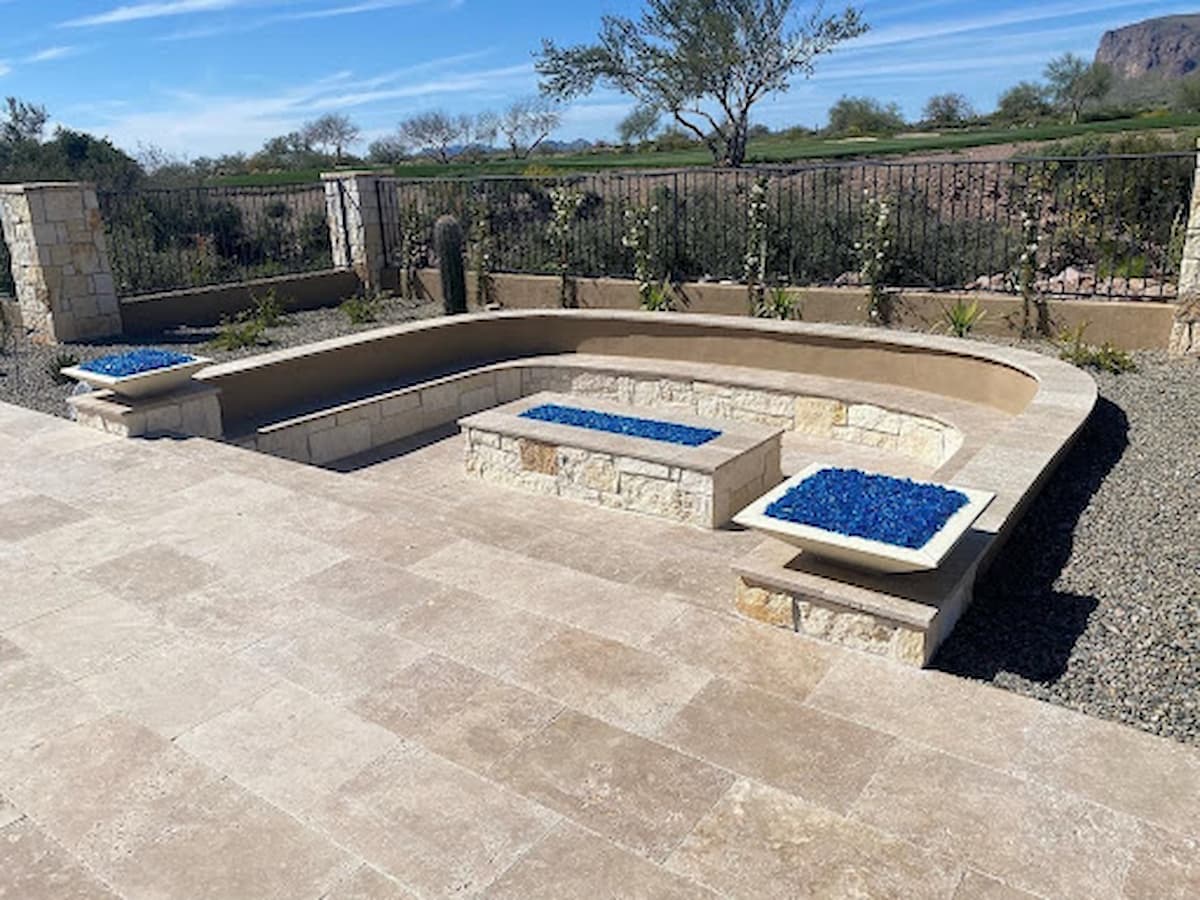
Among the most sought-after projects, we consistently see demand for:
- Paver Patios and Decks: These form the foundation of any outdoor living space, providing defined areas for dining, lounging, and entertaining. Materials like stamped concrete or various types of pavers offer diverse aesthetic options.
- Outdoor Kitchens and Dining Zones: Moving beyond simple grills, homeowners are integrating fully functional kitchens with sinks, refrigerators, and built-in cooking appliances, creating ideal spaces for al fresco dining and hosting.
- Fire Pits and Fireplaces: These features extend the usability of outdoor spaces into cooler evenings, offering warmth, ambiance, and a natural gathering point for family and friends.
- Pergolas and Other Outdoor Structures: Providing shade, privacy, and architectural interest, structures like pergolas, gazebos, and cabanas define outdoor rooms and enhance comfort.
- Water Features: From serene ponds and fountains to dynamic waterfalls, water features add sensory appeal, create a calming atmosphere, and contribute to a resort-like feel.
These elements, when thoughtfully combined, can transform an ordinary yard into a multi-functional haven.
Incorporating Custom Pools into Backyard Transformations and Outdoor Living
For many, the ultimate backyard transformation includes the addition of a swimming pool. A well-designed pool is more than just a place to swim; it becomes the centerpiece of a resort-inspired living experience. Modern pool design goes beyond a simple rectangle, integrating seamlessly with the surrounding landscape and hardscaping.
When planning for a pool, consider how it will interact with other features. Will there be a spacious patio for lounging poolside? How will the coping, the material surrounding the pool’s edge, complement your chosen patio materials? Integrating elements like built-in spas, tanning ledges, and even swim-up bars can elevate the experience. For those aspiring to create a truly bespoke aquatic environment, exploring options for custom in-ground swimming pools allows for unique shapes, depths, and finishes that perfectly match your vision and property’s specific contours. The goal is to create a cohesive layout where the pool feels like a natural, indispensable part of your outdoor retreat.
Designing Hardscape Elements for Backyard Transformations and Outdoor Living
Hardscaping forms the backbone of any durable and functional outdoor living space. It encompasses all the non-living elements, from patios and walkways to retaining walls and built-in seating. The right hardscape choices not only define the aesthetic but also contribute significantly to the longevity and low-maintenance appeal of your backyard.
Popular materials include:
- Pavers: Available in a vast array of colors, shapes, and textures, pavers offer design flexibility and a permeable surface that can aid in drainage.
- Stamped Concrete: This cost-effective option allows for concrete to be molded and colored to mimic natural stone, brick, or wood, providing a custom look without the higher material cost of natural stone.
- Natural Stone: Materials like bluestone, limestone, or flagstone offer timeless elegance and exceptional durability, though they often come with a higher price tag.
- Retaining Walls: Essential for managing sloped terrain, retaining walls can also serve as integrated seating, garden beds, or aesthetic dividers, adding both function and visual interest.
Choosing materials that complement your home’s architecture and the surrounding environment is key. For comprehensive guidance and expert execution in transforming your outdoor spaces with durable and beautiful foundations, consider consulting residential hardscaping services. Their expertise can ensure your patios, walkways, and structural elements are not only aesthetically pleasing but also built to last.
Key Steps in Planning and Executing an Outdoor Makeover
Embarking on a backyard transformation, whether large or small, requires careful planning and a systematic approach. A well-executed project begins long before the first shovel breaks ground.
The process typically involves:
- Initial Consultation and Visioning: This is where you define your lifestyle goals, aesthetic preferences, and budget. What activities do you envision taking place in your new space? What style resonates with you (e.g., modern, rustic, resort-inspired)?
- Site Analysis: Professionals will assess your property’s unique characteristics, including topography, sun exposure, soil conditions, existing vegetation, and views. This informs the practical aspects of the design.
- Conceptual Design & Master Planning: Based on your vision and the site analysis, a comprehensive master plan is drafted. This plan harmonizes outdoor living features with your home’s architecture, establishing distinct zones for dining, lounging, cooking, and play. This is also the stage where critical elements like water drainage, utility rough-ins (for gas lines, electricity, and water), and potential structural engineering requirements (for retaining walls or large pergolas) are considered.
- Permitting and Approvals: Depending on the scope of your project, you may need permits for structures, pools, or extensive hardscaping. Navigating local zoning regulations and obtaining necessary approvals is a crucial, often time-consuming, step that professional designers can manage.
- Material Selection: Choosing the right materials involves balancing aesthetics, durability, maintenance requirements, and budget. This includes everything from pavers and decking to plants and lighting fixtures.
- Construction and Installation: This phase brings the design to life, from grading and foundation work to the installation of hardscapes, softscapes (plants), and outdoor features. Streamlined project management, often consolidated under one contractor, can ensure a seamless build.
Professional Landscape Architect vs. Do-It-Yourself Approach
Deciding whether to hire a professional landscape architect or tackle a backyard renovation yourself is a pivotal decision, often influenced by project complexity, budget, and your own skill set.
Professional Approach: Hiring a landscape architect or a full-service design-build firm offers numerous advantages, especially for complex projects involving structural elements, extensive hardscaping, or custom pool installations. They bring expertise in design principles, material selection, local regulations, and project management. A professional can bridge conceptual design directly with construction execution, managing permits, scheduling, and ensuring structural integrity. While the upfront cost is higher, it can prevent costly mistakes, ensure a cohesive design, and often lead to a higher return on investment. For large-scale transformations, professional guidance is invaluable.
For homeowners whose plans include a new patio, slab, retaining wall, or other poured-concrete work, Contractors for Concrete provides a way to describe the project and request a match with a screened local concrete contractor.
Do-It-Yourself (DIY) Approach: For homeowners with a knack for hands-on work and a tighter budget, a DIY approach can offer significant cost savings. One homeowner, for instance, saved over $10,000 by handling most of their backyard renovation, including landscaping, stone work, and deck building, while only hiring professionals for a specialized stamped concrete patio. DIY opportunities are abundant for smaller projects like painting and stenciling existing concrete patios, building custom outdoor seating from cinder blocks, or installing pea gravel fire pit bases. However, it’s crucial to be realistic about the time commitment, physical labor, and skill required. Major structural work, complex plumbing, or extensive electrical installations are generally best left to qualified tradespeople. A hybrid approach, where professionals handle the heavy lifting (like pouring concrete) and you manage the landscaping and finishing touches, can be a smart compromise.
Common Backyard Renovation Mistakes to Avoid
Even with the best intentions, backyard transformations can go awry if common pitfalls aren’t avoided. Being aware of these can save you time, money, and frustration:
- Ignoring Drainage: One of the most critical,, aspects is proper drainage. Failing to address water runoff can lead to pooling, erosion, foundation damage, and even pest problems. Installing French drains or ensuring proper grading during hardscaping is essential to protect your investment.
- Underestimating Utility Conflicts: Before digging, always identify the location of underground utility lines (gas, water, electricity, internet). Striking a line can be dangerous and extremely costly. Similarly, consider the placement of noisy HVAC units or electrical boxes that might interfere with aesthetics or comfort in your new living zones.
- Improper Sizing and Scale: Designing elements that are too large or too small for your space can make the backyard feel cramped or disproportionate. Use string or spray paint to lay out proposed structures and features on the ground to visualize their scale before construction.
- Skipping Permits: Many outdoor structures (pergolas, decks, pools, retaining walls) require permits. Building without one can lead to fines, forced demolition, or issues when selling your home. Always check local building codes and zoning regulations.
- Choosing High-Maintenance Materials Without Planning for Care: While certain materials like natural wood or lush gardens are beautiful, they often require significant upkeep. If you prefer low maintenance, opt for durable hardscaping, synthetic turf, or drought-tolerant native plants that align with your lifestyle. A large, lush garden property, for example, might require weekly visits in the summer (2-3 hours per visit) and monthly winter cutbacks, a commitment not every homeowner is prepared for.
Strategic Budgeting, Material Trends, and DIY Opportunities
A successful backyard transformation doesn’t always require an unlimited budget. Strategic planning, understanding cost-saving opportunities, and staying abreast of material trends can help you achieve your dream outdoor space efficiently.
One homeowner noted that their full backyard transformation, including a patio, deck, landscaping, and a fireplace, was estimated between $22,000 and $24,000 by professional landscape architects. By taking on much of the work themselves, they managed to complete a similar project for just $11,320, showcasing significant savings. This highlights the power of a hybrid approach: hiring professionals for high-skill tasks like stamped concrete, and tackling landscaping and fireplace assembly as DIY projects.
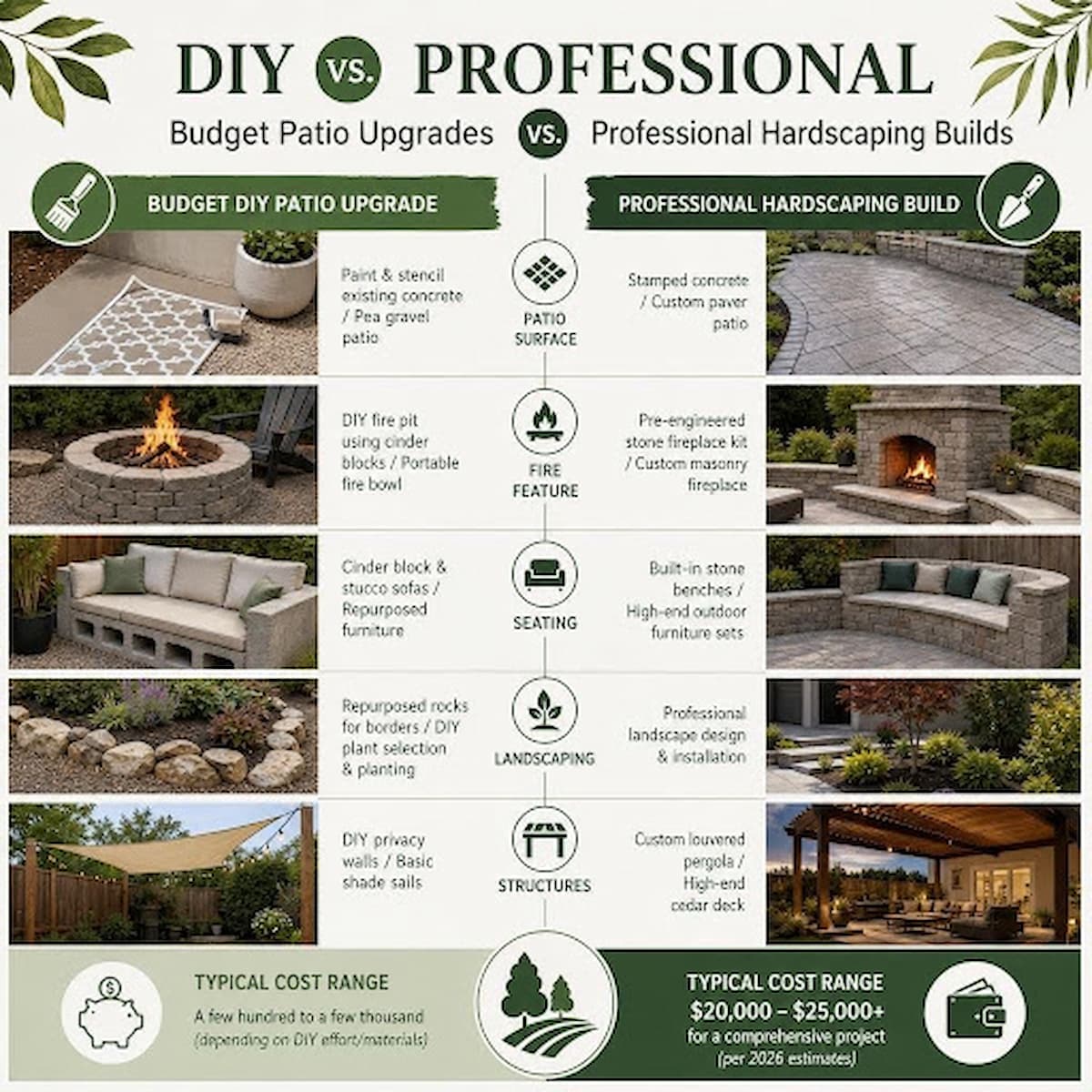
Here’s a comparison of budget DIY patio upgrades versus professional hardscaping builds:
Feature/Approach Budget DIY Patio Upgrade (Example) Professional Hardscaping Build (Example) Patio Surface Paint & stencil existing concrete ($85) / Pea gravel patio Stamped concrete ($2,800) / Custom paver patio ($5,000+) Fire Feature DIY fire pit using cinder blocks / Portable fire bowl Pre-engineered stone fireplace kit ($6,401) / Custom masonry fireplace Seating Cinder block & stucco sofas / Repurposed furniture Built-in stone benches / High-end outdoor furniture sets Landscaping Repurposed rocks for borders / DIY plant selection & planting Professional landscape design & installation ($1,954 for plants/soil) Structures DIY privacy walls / Basic shade sails Custom louvered pergola / High-end cedar deck Typical Cost Range A few hundred to a few thousand (depending on DIY effort/materials) $20,000 – $25,000+ for a comprehensive project (per 2026 estimates)
Phased construction is another excellent budgeting strategy. Instead of attempting a full overhaul at once, homeowners can break down the project into manageable stages over several years. For example, roughing in gas lines during initial patio construction can save significant money later when you decide to add an outdoor kitchen or fireplace.
Popular Materials and Structural Trends
The world of outdoor living design is constantly evolving, with new materials and structural innovations emerging to enhance aesthetics, functionality, and sustainability.
- Louvered Pergolas: These adjustable structures are a game-changer for climate control. Their movable slats allow homeowners to precisely control shade, sunlight, and even ventilation, making previously hot or exposed areas usable year-round.
- Rough-Sawn Cedar and Ipe Wood: Cedar offers natural beauty and durability for pergolas, decks, and fences, often stained to match architectural styles. Ipe, an exotic hardwood, is highly sought after for its exceptional durability and resistance to rot and insects, making it ideal for high-traffic decks and luxury applications.
- Composite Decking: A popular alternative to natural wood, composite decking offers low maintenance, long lifespan, and resistance to fading, staining, and mold, making it a practical choice for many.
- Permeable Pavers: These eco-friendly pavers allow rainwater to filter through, reducing runoff and replenishing groundwater, while still providing a durable and attractive surface for patios and driveways.
- Synthetic Turf: For those seeking a lush green lawn without the high water usage or maintenance, pet-friendly artificial turf is becoming increasingly popular, especially in drought-prone regions.
- Stock Tank Pools: A budget-friendly alternative to traditional in-ground pools, painted or customized stock tank pools offer a compact, stylish, and often DIY-friendly way to add a water feature for cooling off.
Designing a Luxury Outdoor Retreat: Balancing Aesthetics, Function, and Care
Creating a luxury outdoor retreat is about more than just installing expensive features; it’s about harmonizing aesthetics, ensuring seamless functionality, and planning for sustainable care. The goal is to design a space that looks stunning, serves your lifestyle needs, and remains enjoyable for years to come.
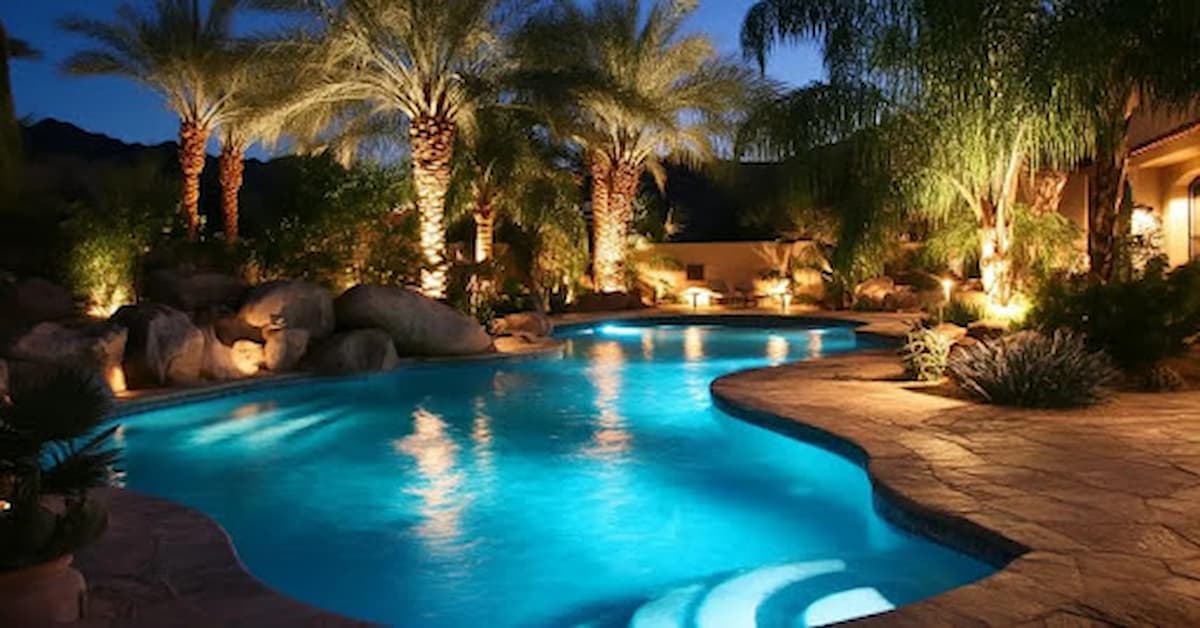
- Aesthetics: This involves creating visual appeal through cohesive design, material selection, and plant choices. Balance architectural structures with natural landscapes, using color, scale, and texture to add depth and interest. Nighttime aesthetics are equally important, with thoughtful outdoor lighting transforming the space after dark, highlighting features and creating ambiance.
- Functionality: A luxury retreat is highly functional, offering distinct zones for various activities. This means designing for comfortable flow between areas for dining, lounging, cooking, and recreation. Considerations like ambient heat (fire pits, outdoor heaters) and sound mitigation (water features, strategic planting) enhance comfort and usability.
- Maintenance: Even luxury spaces require care. Incorporating low-maintenance elements like durable hardscapes, drought-tolerant plants (xeriscaping in arid climates), and efficient irrigation systems can reduce the burden. Professional maintenance services can also ensure that lush gardens and complex water features remain pristine without homeowner effort. For instance, a property with a large garden might require weekly summer visits and monthly winter cutbacks to maintain its pristine condition.
Essential Elements for Comfort and Privacy
Privacy and comfort are paramount in crafting a true outdoor sanctuary. These elements allow you to fully relax and enjoy your space without external distractions.
- Privacy Solutions:Privacy Trees and Hedges: Fast-growing trees like hornbeams or dense hedges can create natural screens along property lines, blocking unwanted views and reducing noise.
- Slat Walls and Fencing: Modern slat walls or dark-stained fences provide contemporary privacy, often serving as a backdrop for vertical gardens or outdoor art.
- Pergolas with Screens: Adding retractable screens or climbing vines to a pergola can create a more enclosed, intimate “outdoor room” feeling.
- Custom Seating and Lounging:Built-in Seating: Stone or concrete benches integrated into retaining walls or around fire pits offer durable, space-saving solutions.
- Comfortable Furnishings: Prioritize deep-seated sofas, chaise lounges, and ergonomic bar stools made from durable, all-weather materials to encourage long, relaxed gatherings.
- Climate Control:Louvered Pergolas: As mentioned, these provide flexible shade and shelter.
- Outdoor Heaters and Fire Features: Extend the usability of your space into cooler months.
- Misting Systems and Fans: Offer relief in warmer climates.
- Natural Screening:Perimeter Plantings: Dense shrubs and climbing plants like star jasmine or bay leaf can effectively mask unsightly fences or walls, creating a lush, green barrier.
- Water Features: The gentle sound of a fountain or waterfall can help mask ambient neighborhood noise, contributing to a more peaceful environment.
By thoughtfully integrating these elements, you can create an outdoor retreat that is not only beautiful but also supremely comfortable and private, offering a true escape from the everyday.
Frequently Asked Questions about Backyard Makeovers
How much value does a backyard transformation add to a home?
A well-executed backyard transformation can significantly increase home value and appeal. While ROI varies based on location, quality of work, and specific features, projects like adding a deck or patio often recoup a high percentage of their cost. More comprehensive transformations, including custom pools, outdoor kitchens, and sophisticated landscaping, expand the usable square footage of your home, making it more attractive to potential buyers. A resort-style backyard can elevate a home’s valuation by creating a unique selling proposition and enhancing its luxury appeal.
Can a major backyard transformation be completed in phases?
Absolutely. In fact, many homeowners find that a phased approach is the most practical way to manage a major backyard transformation, especially for large-scale projects. This allows for better budget management, spreading costs over several years, and provides flexibility to adjust plans as your lifestyle needs evolve. For example, one homeowner successfully transformed their outdoor space over five years, tackling different zones and features incrementally. The key is to start with a comprehensive master plan, even if you only execute small portions each year. This ensures that each phase contributes to a cohesive final vision, with critical infrastructure like utility rough-ins planned early on.
How do homeowners balance outdoor aesthetics with ongoing maintenance?
Balancing beauty with practicality is crucial for long-term enjoyment. Homeowners can achieve this by:
- Choosing Durable Materials: Opt for hardscaping materials like pavers or stamped concrete that require less upkeep than natural grass or certain types of wood.
- Selecting Drought-Tolerant and Native Plants: These plants are often better suited to the local climate, requiring less water and maintenance once established.
- Investing in Smart Irrigation: Automated systems can ensure plants receive optimal water without waste, reducing manual effort.
- Applying Protective Sealants: For materials like concrete or natural stone, sealants can protect against stains and weathering, extending their lifespan and reducing cleaning needs.
- Designing for Low-Maintenance Zones: Consider replacing high-maintenance lawns with artificial turf, decomposed granite, or pea gravel in certain areas.
- Professional Maintenance: For lush gardens or complex features, budgeting for professional landscape and pool maintenance can ensure your outdoor retreat remains pristine without personal effort.
Conclusion
Backyard transformations and outdoor living are more than just trends; they represent a fundamental shift in how we view and utilize our home environments. From the initial spark of inspiration to the final flourish of a luxury retreat, each step in the process offers an opportunity to create a space that truly reflects your lifestyle and enhances your well-being.
Whether you’re envisioning a vibrant family hub, a serene sanctuary for relaxation, or a sophisticated entertainment zone, the possibilities are limitless. By understanding popular projects, meticulous planning, smart budgeting, and leveraging both professional expertise and DIY spirit, you can unlock the full potential of your outdoor space. The investment in a thoughtfully designed and beautifully executed backyard transformation not only provides immense personal enjoyment but also adds lasting value to your home.
As we look towards the future, the integration of indoor and outdoor living will only deepen. Your backyard is waiting to become the oasis you’ve always dreamed of—a place where memories are made, tranquility is found, and every day feels like a luxurious escape.