Introduction to Academic Temporary Housing
Relocating to Toronto for an academic term, sabbatical, or research fellowship can be an exciting opportunity. However, finding suitable housing often requires careful planning. For many academics, especially those with families or colleagues, a 3-bedroom rental offers the ideal balance of space, comfort, and a convenient location.
As of August 2026, Toronto’s rental market is dynamic. Understanding the options for multi-bedroom units is key to a smooth transition. We know that securing the right temporary home is crucial for a productive and enjoyable stay.
This comprehensive guide aims to simplify your search for a 3-bedroom rental in Toronto. We will explore current market trends and pricing, highlighting what to expect in different neighborhoods. We will also cover essential details about property types, amenities, and the application process. Our goal is to provide the insights you need to find your perfect temporary academic home. For those seeking specific longer-term academic home rentals, various options are available.
Navigating Property Types and Neighborhood Selection
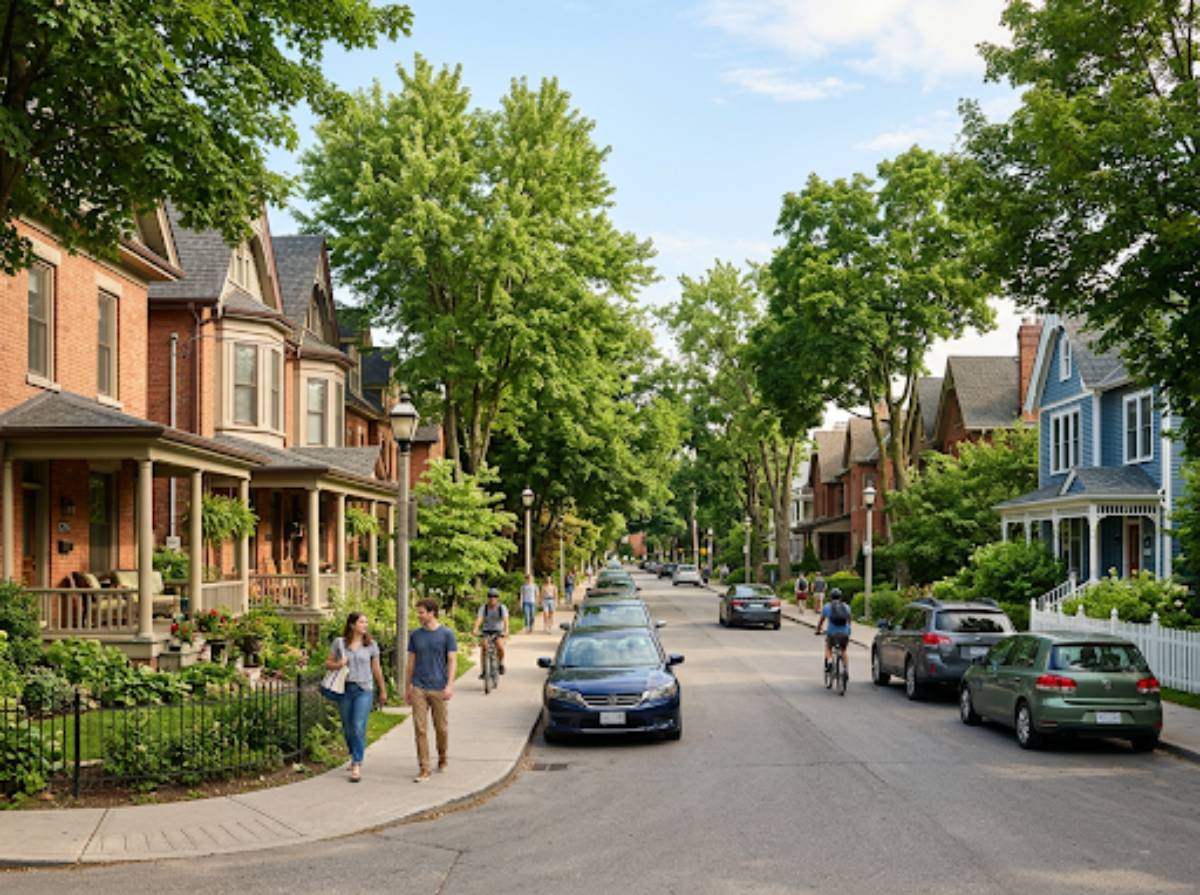
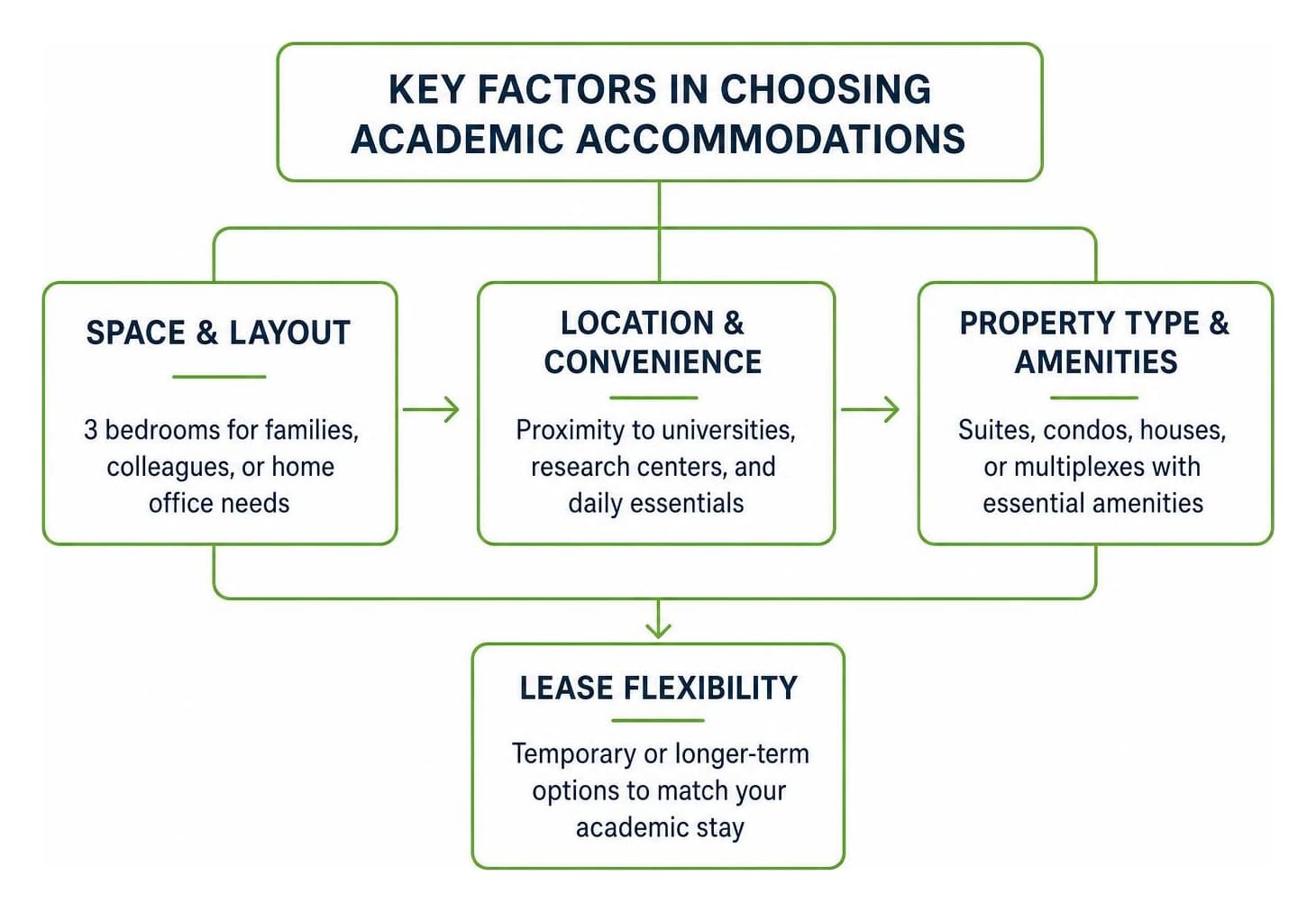
When planning an academic stay in Toronto, the type of housing and its location are paramount. A 3-bedroom rental provides ample space, often averaging around 1,102 square feet, which is ideal for families, shared academic housing, or those requiring dedicated home office space. The housing stock in Toronto is diverse, ranging from modern condominium towers to converted Victorian homes and multiplexes, each offering unique spatial characteristics and amenities. Understanding these variations is key to finding a rental that aligns with your needs.
Three-bedroom layouts can sometimes include “2+1” configurations, meaning two standard bedrooms plus a den or flexible space. These versatile units are frequently marketed as functional three-bedroom alternatives, allowing for an extra study, guest room, or even a smaller child’s bedroom. This adaptability is particularly valuable for academics who may need a quiet workspace separate from living areas.
Evaluating Academic Temporary Housing by Neighborhood and Transit
Toronto’s diverse neighborhoods offer distinct living experiences, and proximity to academic institutions and public transit is often a top priority for visiting scholars. Central neighborhoods like The Annex, Davisville Village, and Mount Pleasant consistently emerge as popular choices due to their excellent transit connectivity and vibrant communities.
The Annex, for instance, is highly sought after by those affiliated with the University of Toronto, boasting exceptional walk and transit scores. Its direct access to the Bloor-Danforth subway line makes commuting effortless. Similarly, areas around Davisville and Mount Pleasant provide convenient access to both the Yonge-University subway line and quick routes to institutions like York University (Glendon Campus) and Toronto Metropolitan University (TMU). These midtown areas often feature a blend of residential tranquility and urban amenities, with high walkability scores that make daily errands and leisure activities easily accessible on foot.
While central neighborhoods may present a higher demand, exploring options slightly further afield, or in areas like Scarborough Village, can offer more square footage for your budget. The key is to balance desired amenities, commute times, and spatial requirements with the available inventory.
Comparing Condominiums, Converted Homes, and Multiplexes
Toronto’s 3-bedroom rental market spans various property types, each with its own advantages for academic tenants. We can broadly categorize them as follows:
Condominium Towers:
- Pros: Often feature modern amenities like fitness centers, concierge services, and shared common spaces. Many are newer builds, offering contemporary finishes and layouts. Some luxury developments even include specialized facilities like virtual healthcare clinics or unique recreational offerings.
- Cons: Typically smaller square footage for the price compared to houses. Utility costs (hydro, water) are often separate from the base rent, though heat might be included. Parking can be an additional cost.
- Academic Fit: Ideal for those prioritizing modern conveniences, security, and a low-maintenance lifestyle.
Converted Homes (Victorian, Edwardian):
- Pros: Found in established, character-rich neighborhoods like The Annex. Often offer more spacious and adaptable layouts, with unique architectural features. Some main-floor conversions might include private outdoor spaces.
- Cons: May lack modern building amenities. Parking often requires a municipal street permit. Utilities may be separate or bundled differently.
- Academic Fit: Suited for those seeking a more traditional residential feel, larger living areas, and proximity to historic campuses.
Multiplex Suites (Duplexes, Triplexes):
- Pros: Offer a balance between the space of a house and the convenience of an apartment. Often feature private entrances, in-suite laundry, and sometimes private yards. Can be found in quieter residential pockets with good transit access.
- Cons: Amenities are typically limited to the unit itself. Soundproofing can vary.
- Academic Fit: Excellent for families or groups seeking more space and a residential feel without the full responsibility of a detached house.
Many listings categorized as 3-bedroom units, particularly in condos, are configured as “2+1” (two bedrooms plus a den). This den can serve as an invaluable home office, study, or even a small third bedroom, providing the flexible space often required by academics. When exploring options, consider how these configurations meet your specific spatial requirements. For those interested in a wider array of property types beyond apartments, including detached homes, it’s worth exploring dedicated resources for various academic home rentals which often include houses.
Lease Dynamics, Inclusions, and Relocation Logistics
Navigating the rental application and lease process in a new city, especially for an academic temporary stay, requires understanding local regulations and common practices. Toronto’s rental market operates under the Ontario Residential Tenancies Act (RTA), which outlines the rights and responsibilities of both landlords and tenants. While we cannot provide legal advice, familiarizing yourself with the general framework is a crucial first step.
The application process typically involves several key components designed to verify a prospective tenant’s reliability. Landlords will generally request a standard rental application, proof of employment or an official employment letter (often from your academic institution), a recent credit report, and references (both personal and from previous landlords, if applicable). For international academics, alternative proofs of financial stability or institutional sponsorship may be accepted.
Upon successful application, the standard practice in Ontario requires payment of first and last month’s rent as a deposit. This secures the unit and covers the initial and final months of your tenancy. It’s important to budget for this upfront cost as part of your relocation logistics.
Budgeting for Inclusions, Concessions, and Utilities
Understanding the total monthly cost of a 3-bedroom rental in Toronto goes beyond the advertised base rent. Various inclusions, exclusions, and potential concessions can significantly impact your budget.
Utilities: In many apartment and condo rentals, heat and water might be included in the base rent, while electricity (hydro) is often sub-metered and paid separately by the tenant. For converted homes or multiplexes, the arrangement can vary, with some landlords bundling more utilities or requiring tenants to set up accounts for all services. Always clarify which utilities are included before signing a lease.
Parking: In central Toronto, dedicated parking spots can be a premium. While some rentals, particularly in newer buildings or suburban areas, include a parking space, others may offer it for an additional monthly fee. For street parking in residential areas, tenants often need to apply for a municipal parking permit through the City of Toronto.
Move-in Incentives: To attract tenants, especially for larger units or in newer developments, landlords may offer incentives such as “months free” rent (e.g., one or two months free on a 12-month lease) or complimentary services like internet for a period. When evaluating these, calculate the “net effective rent” by spreading the discount over the entire lease term to get a true picture of the monthly cost. For example, one month free on a 12-month lease effectively reduces your monthly payment by approximately 8.3%.
Carefully reviewing the lease agreement for all inclusions and exclusions is vital to avoid unexpected expenses during your academic stay.
Securing Leases for Academic Temporary Housing Stays
Securing a 3-bedroom rental for an academic temporary stay requires a strategic approach, especially given the competitive nature of Toronto’s market. Here are essential steps and considerations:
- Plan Ahead: Begin your search well in advance of your intended move date. Popular units, especially those near academic institutions, can be leased quickly.
- Furnished vs. Unfurnished: Decide whether you require a furnished unit. Furnished options are ideal for shorter stays or those who prefer to avoid the logistics of moving furniture, common for sabbatical or visiting scholar arrangements. Unfurnished units offer more personalization but require furniture acquisition.
- Lease Term Flexibility: While a standard lease in Ontario is typically 12 months, some landlords or property management companies may offer more flexible terms, particularly for academic tenants or furnished units. Always inquire about options for shorter or longer durations if your academic schedule requires it.
- Prepare Documentation: Have all necessary application documents ready, including your academic appointment letter, financial statements, and references. Being prepared can significantly expedite the application process.
- Understand Tenant Rights: Familiarize yourself with basic tenant rights under the Residential Tenancies Act. This includes rules regarding maintenance, privacy, and rent increases.
- Deposit Handling: In Ontario, the first and last month’s rent deposit must be held in trust and can only be used for the first and last month of your tenancy. No other deposits (e.g., damage deposits) are permitted.
By following these steps and understanding the nuances of the Toronto rental market, you can confidently navigate your search and secure a suitable 3-bedroom rental for your academic journey.