Introduction to Aquarium Supplies and Care
Creating a captivating aquatic world within our homes is a truly rewarding endeavor, offering a serene escape and a vibrant display of life. However, cultivating a truly thriving home aquarium goes far beyond simply adding water and fish. It demands a thoughtful approach, meticulous planning, and a deep understanding of the delicate balance required for a flourishing underwater ecosystem. From selecting the foundational hardware to maintaining pristine water conditions, every element plays a pivotal role in the well-being of our aquatic inhabitants.
We understand that embarking on this journey can feel overwhelming, with countless choices for equipment and care. Whether you are considering sophisticated filtration systems, precise heating solutions, or even luxury fish tank sets that form the centerpiece of your living space, each decision contributes to the overall health and stability of your aquatic environment. Among these critical considerations, the nutrition we provide our fish stands out as a cornerstone of their vitality.
This comprehensive guide aims to demystify the process of setting up and maintaining a healthy aquarium. We will explore essential hardware, crucial water quality management techniques, and delve deep into one of the most vital aspects of fish care: feeding. Join us as we uncover the secrets to selecting the ideal aquarium fish food, ensuring our finned friends receive the optimal diet for vibrant health, robust growth, and a long, happy life.
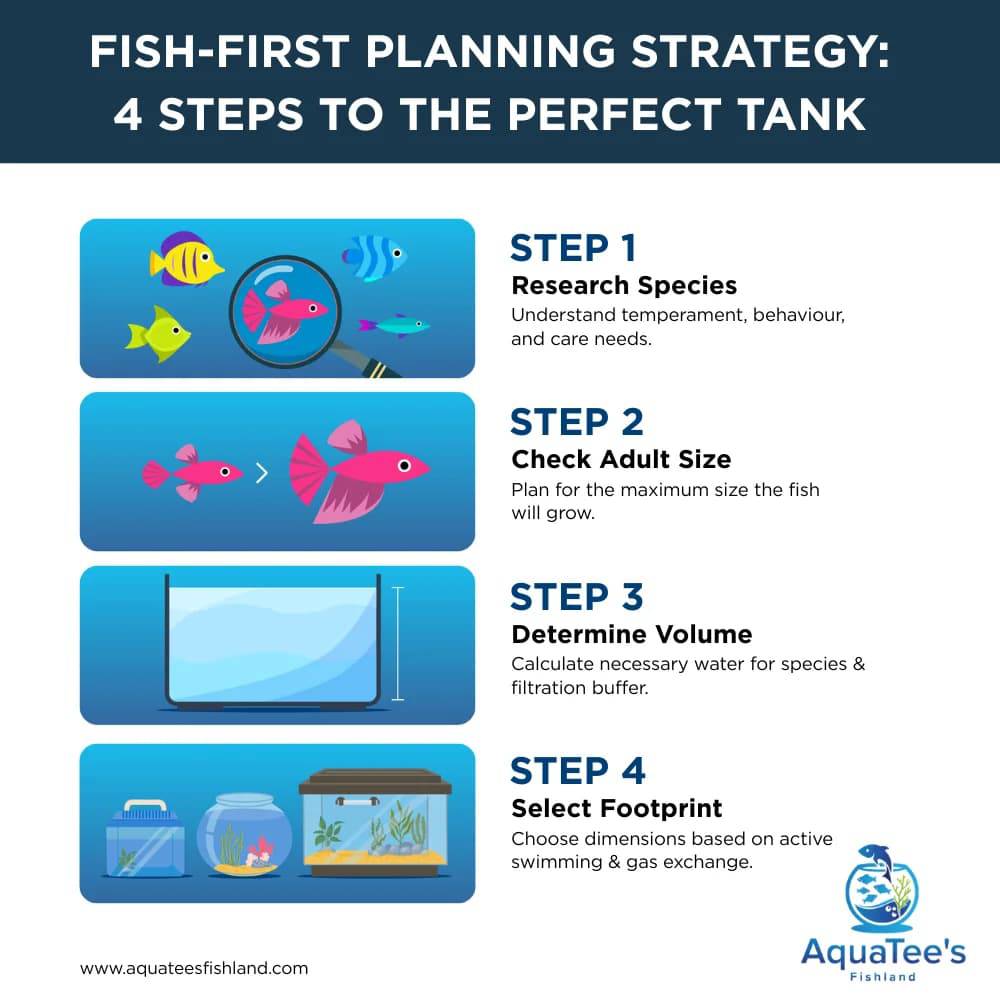
Setting up a successful aquarium begins with understanding it as a delicate, self-contained ecosystem. Just like any natural habitat, it requires balance. This balance is often referred to as bioload management—the total amount of organic waste produced by the fish and other inhabitants. Proper bioload management is crucial because it directly impacts water quality. A foundational step for any new aquarium is the “cycling” process, where beneficial bacteria establish themselves to convert toxic fish waste into less harmful substances. This biological filtration is the bedrock of a stable aquatic environment. Successful pet ownership in the aquatic world hinges on our ability to mimic and maintain these natural processes, paying close attention to water chemistry parameters like pH, ammonia, nitrite, and nitrate.
Essential Hardware and Habitat Configuration
The journey to a thriving aquarium starts with careful equipment selection and thoughtful habitat configuration. Every piece of hardware, from the tank itself to the smallest air stone, plays a role in creating a safe and stable environment. Spatial planning ensures adequate room for fish to swim and plants to grow, while electrical safety is paramount to prevent hazards. Proper tank placement, considering factors like sunlight exposure and structural support, is also key to long-term success.
Premium Enclosures and Aquarium Supplies and Care Essentials
The aquarium itself is the canvas for our underwater masterpiece. We often choose between glass and acrylic tanks, each offering distinct advantages. Glass tanks are generally more scratch-resistant and retain their clarity over time, while acrylic tanks are lighter, more impact-resistant, and offer greater design flexibility. For those seeking a truly bespoke aquatic display, investing in luxury fish tank sets can provide not only superior aesthetics but also integrated features that simplify maintenance and enhance the overall experience. Regardless of the material, ensuring the stand is robust and capable of supporting the immense weight of a filled aquarium is non-negotiable. Beyond the tank, the choice of aquascaping substrates and hardscape layouts (like rocks and driftwood) not only contributes to the visual appeal but also provides crucial hiding spots and territories for our fish, mimicking their natural environments.
Filtration Systems and Aeration Devices
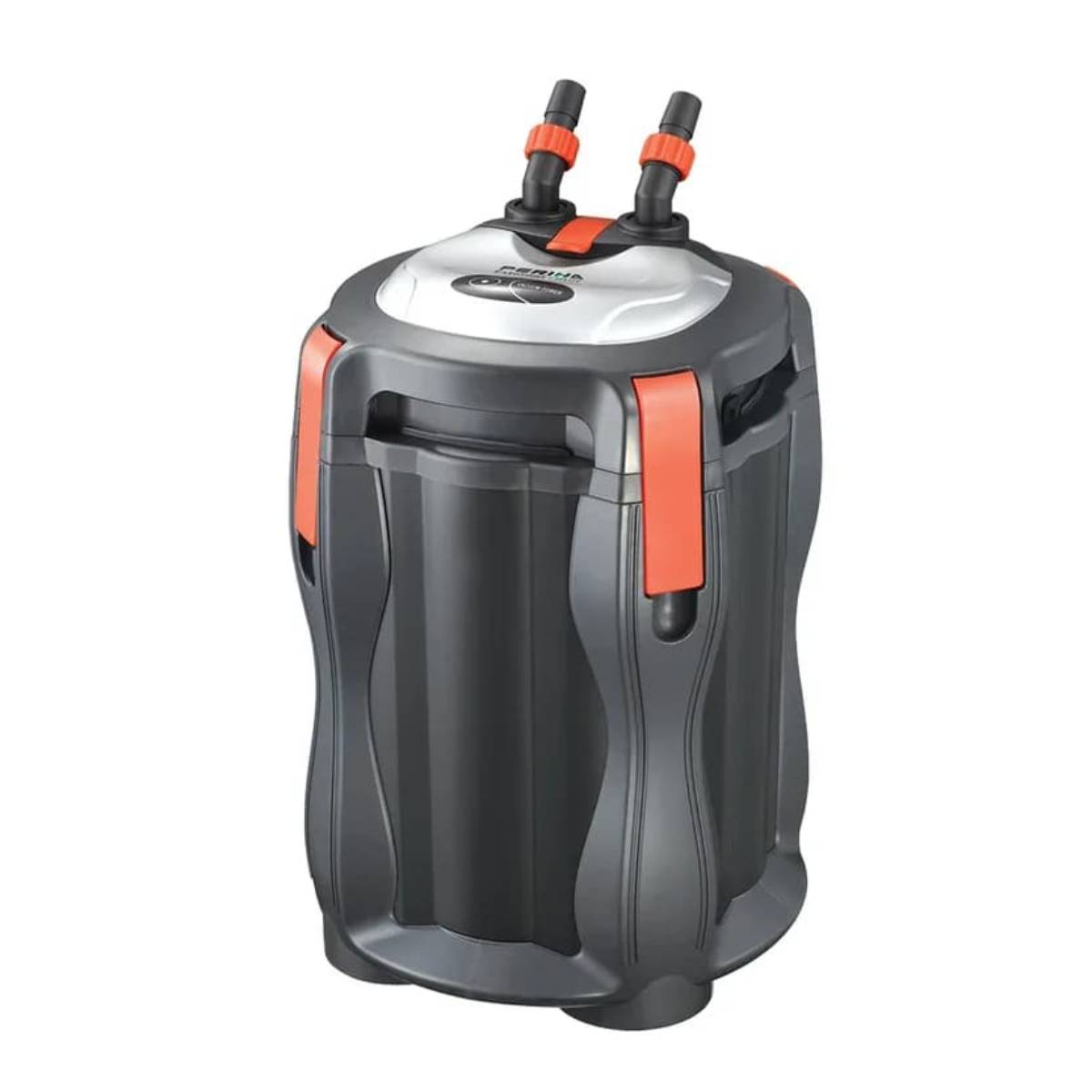
Maintaining pristine water quality is arguably the most critical aspect of aquarium care, and this responsibility largely falls to the filtration system. A comprehensive filtration setup typically involves three types of filtration:
- Mechanical filtration: This physically removes suspended particles like uneaten food and fish waste, often using sponges or filter floss.
- Biological filtration: This is the heart of the system, where beneficial bacteria colonize surfaces (like bio-rings or ceramic media) and convert toxic ammonia and nitrite into less harmful nitrate.
- Chemical filtration: Materials like activated carbon or specialized resins remove dissolved organic compounds, odors, and discolorations from the water.
Canister filters, hang-on-back filters, and internal filters are common choices, with multistage filtration systems offering robust cleaning capabilities. Alongside filtration, adequate aeration is vital for oxygen exchange. Air pumps driving air stones or simply ensuring good surface agitation (from filter outflow) help dissolve oxygen into the water, which is essential for fish respiration and the health of beneficial bacteria.
Heating and Illumination Requirements
Maintaining a stable water temperature is crucial for the health and metabolic functions of most aquarium fish. Submersible heaters, often paired with digital thermostats, ensure the water remains within the optimal temperature range for the specific species we keep. Consistent temperature prevents stress and disease, so checking heater functionality regularly is a key part of our routine.
Illumination serves multiple purposes in an aquarium. For planted tanks, LED lighting with a balanced spectrum supports plant photosynthesis, which in turn contributes to water quality by consuming nitrates. For fish-only tanks, appropriate lighting enhances the vibrant colors of our aquatic inhabitants and establishes a natural day-night cycle. Photoperiod control, often managed by a timer, ensures fish receive consistent periods of light and darkness, mimicking natural rhythms and reducing stress.
Water Quality Management and Feeding Protocols
The delicate balance of an aquarium ecosystem hinges on effective water quality management. This involves continuous parameter control, proactive waste mitigation, and vigilant disease prevention through biosecurity measures. Every aspect, from the initial tank setup to daily feeding, impacts the stability of this aquatic environment.
Daily Nutrition and Aquarium Supplies and Care Routines
Providing our fish with a balanced and appropriate diet is fundamental to their health, vitality, and color vibrancy. The global aquarium fish food market, valued at approximately $1.2 billion in 2023, reflects the vast array of options available to hobbyists. Understanding these options and how to feed correctly is paramount.
Types of Aquarium Fish Food:
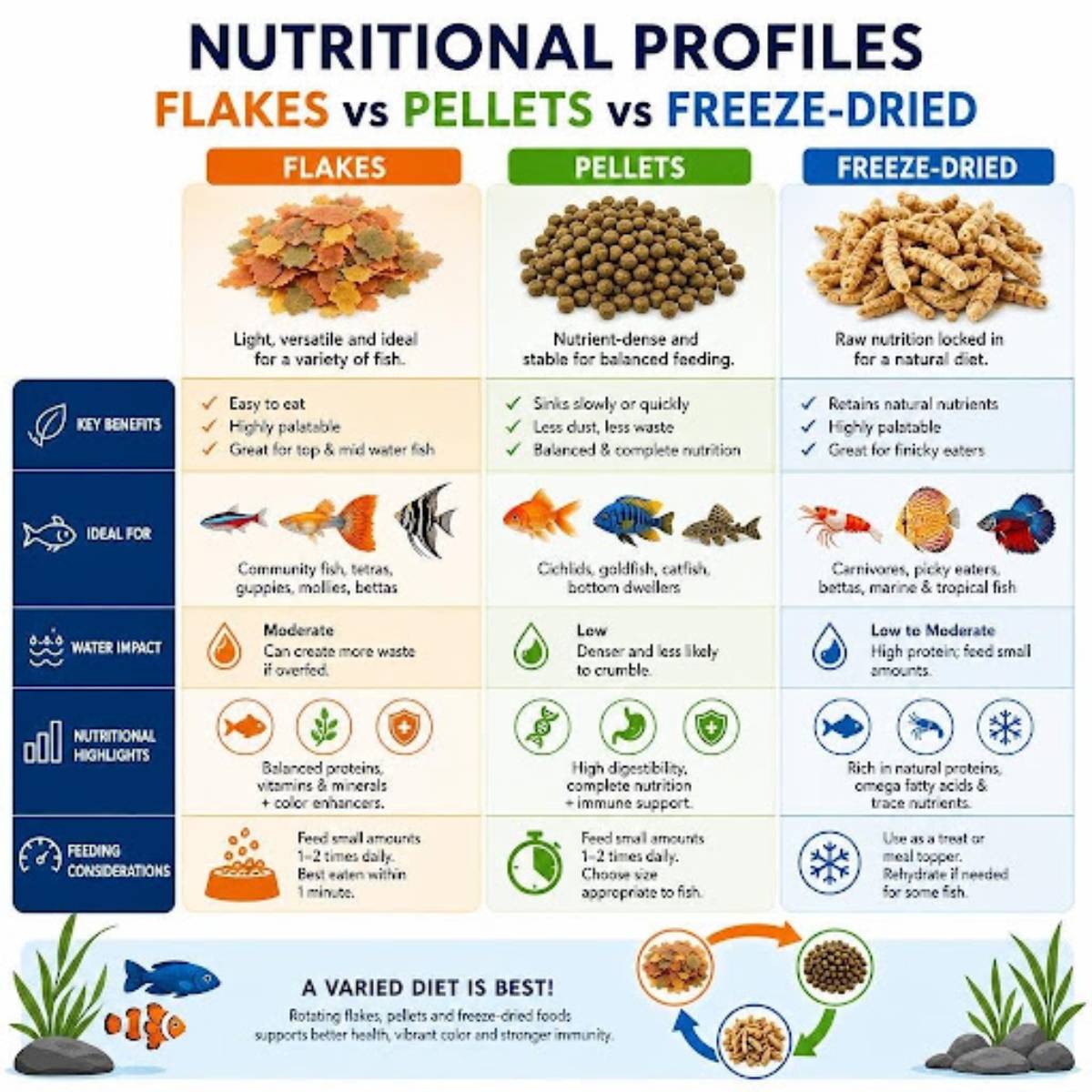
- Flakes: These are the most common and versatile, ideal for surface feeders and smaller fish. They are lightweight and float, making them easy for fish to consume. However, they can dissolve quickly, contributing to water pollution if overfed.
- Pellets: Denser than flakes, pellets come in various sizes (micro, small, medium, large) and sink at different rates. They are excellent for mid-water and bottom feeders, and their compact nature often means less waste and higher nutritional density. Many consider pellets a superior option to flakes for these reasons.
- Crisps: A newer innovation, crisps are often made through low-temperature processes to preserve nutrients. They typically float for a period before slowly sinking, making them suitable for mixed communities with fish feeding at different levels.
- Wafers & Sticks: These are designed specifically for bottom feeders like plecos, corydoras, and loaches. They are dense, sink quickly, and hold their shape for extended periods, allowing these slower eaters to graze.
- Freeze-Dried Foods: Offering natural prey items like bloodworms, brine shrimp, and tubifex worms, freeze-dried foods provide variety and enrichment. They are excellent for boosting protein and palatability but should be offered as a supplement rather than a staple.
- Frozen Foods: Similar to freeze-dried but kept frozen, these offer even more natural nutrition and can be particularly beneficial for finicky eaters or carnivores.
- Live Foods: While requiring more effort and posing potential disease risks if not sourced carefully, live foods (e.g., brine shrimp, daphnia) offer the ultimate natural feeding experience and can stimulate breeding behaviors.
Key Nutritional Ingredients and Additives: A high-quality fish food provides essential nutrients for growth, immune function, and vibrant coloration.
- Protein: Crucial for growth and tissue repair. Most quality foods contain 40-50% crude protein, often sourced from fishmeal, krill, or increasingly, insect protein.
- Spirulina & Chlorella: These algae are powerhouses of vitamins, minerals, and pigments. Chlorella, in particular, is lauded for its high protein content (around 45% dried) and Chlorella Growth Factor (CGF), which promotes faster growth and tissue repair. They boost immune systems and enhance natural colors.
- Krill: A highly palatable protein source that also acts as a natural color enhancer due to its astaxanthin content.
- Insect Protein: A rising star in fish nutrition, insect protein (e.g., from black soldier fly larvae, mealworms) is highly digestible and mimics the natural diet of many freshwater and marine species.
- Vitamins & Minerals: A complete spectrum of vitamins, especially Vitamin C, is vital for immune support, healing, and overall metabolic health. Minerals are also essential for various bodily functions.
- Probiotics & Prebiotics: These support gut health, improve digestion, and enhance nutrient absorption, leading to less waste and better water quality.
Advantages of Sustainable Fish Foods: With growing concerns about environmental impact, fish-free and sustainable fish foods are gaining popularity. Traditional fishmeal diets contribute to overfishing, straining ocean ecosystems. Insect-based and plant-based alternatives offer a compelling solution:
- Environmental Responsibility: By using sustainably grown insects (often fed on waste food) or plant proteins, these foods reduce reliance on wild-caught fish, lessening the burden on marine resources.
- Natural Diet: Many aquarium fish, including bettas and tropical species, naturally consume insects and invertebrates in the wild, making insect-based foods a highly natural and digestible option.
- Reduced Bioload: Often formulated for high digestibility, sustainable foods can lead to less waste in the tank, contributing to better water quality.
How Much and How Often to Feed: Overfeeding is the leading cause of poor water quality in home aquariums, contributing to up to 60% of ammonia spikes in beginner tanks. We must resist the urge to overfeed.
- Frequency: Most fish benefit from being fed once or twice a day. Younger, smaller fish or fry might benefit from more frequent, smaller meals.
- Portion Control: A general guideline is to feed only what your fish can consume within one minute. Any uneaten food after this time should be removed to prevent decay and water pollution. Some sources suggest fish require only 1-2% of their body weight in dry food per day.
- Risks of Overfeeding: Uneaten food decays, leading to ammonia spikes, bacterial blooms, cloudy water, and ultimately, fish stress and disease. Fish are cold-blooded and can safely go for up to two weeks without food, so a missed meal is far less detrimental than an overfed one.
Impact on Water Quality: The quality of fish food directly affects water parameters.
- Digestibility: Highly digestible foods mean more nutrients are absorbed by the fish and less waste is excreted, reducing the bioload on the filtration system.
- Low Leaching Formulas: Quality foods are often formulated to be “low leaching,” meaning they don’t quickly dissolve and release nutrients into the water before being eaten. This minimizes nutrient accumulation and filtration stress.
- Prebiotics and Probiotics: As mentioned, these aid digestion, leading to firmer, less polluting waste.
What to Look For When Buying Fish Food:
- Quality Ingredients: Prioritize foods with whole, identifiable ingredients (e.g., whole fish meal, krill, spirulina, insect meal) listed prominently. Avoid foods with excessive fillers or vague “fish meal” listings.
- Digestibility: Look for claims of high digestibility or ingredients like proteinates and hydrolysates, which make nutrients easier to absorb.
- Species-Specific Formulas: While many foods are general “tropical” or “community,” specialized diets for cichlids, bettas, goldfish, or marine fish cater to their unique nutritional needs.
- Color Enhancers: Ingredients like astaxanthin (found in krill and some algae) naturally boost fish coloration.
- Immune Support: Look for added vitamins (especially C), beta-glucans, and probiotics to bolster fish immunity.
- Freshness: Small-batch production can ensure fresher, more potent nutrition. Always check the expiration date.
- Varied Diet: Research indicates that fish fed a varied diet, including flakes, pellets, and freeze-dried foods, show up to 30% better color vibrancy and immune response compared to single-food diets.

When selecting foods, consider the specific needs of your aquarium inhabitants. For example, a community tank with surface and mid-water feeders might benefit from a mix of flakes and slow-sinking crisps. Bottom feeders will need wafers or pellets that sink quickly. Marine fish often require foods rich in marine proteins and specific algae.
Nitrogen Cycle and Water Testing Parameters
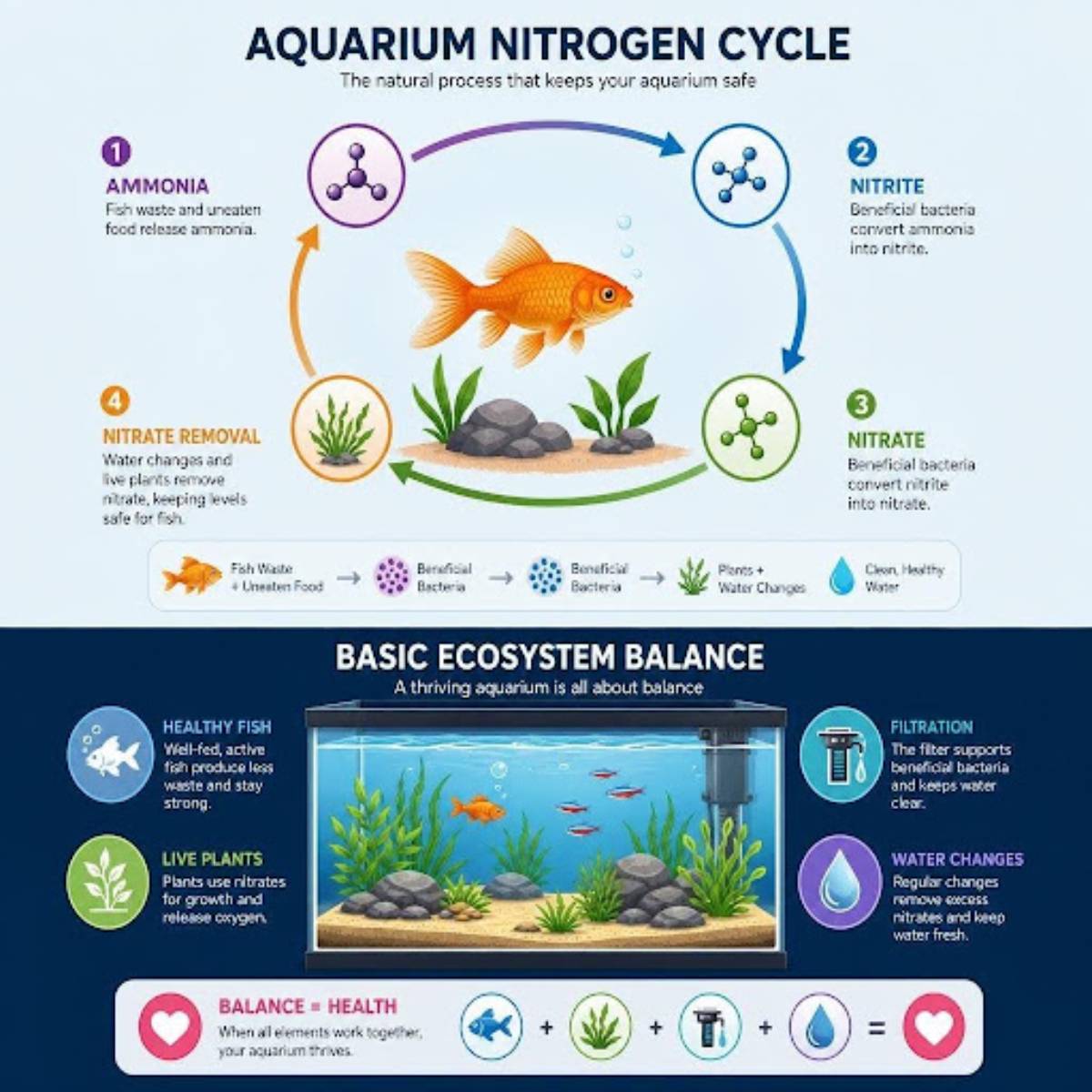
Understanding and managing the nitrogen cycle is the cornerstone of aquarium husbandry. This biological process, carried out by beneficial bacteria, converts toxic ammonia (from fish waste and decaying food) into less toxic nitrite, and then into even less harmful nitrate.
- Ammonia (NH3/NH4+): Highly toxic to fish, even in small concentrations. Should always be zero in a cycled tank.
- Nitrite (NO2-): Also very toxic, preventing oxygen uptake by fish. Should also be zero.
- Nitrate (NO3-): Less toxic than ammonia or nitrite but can accumulate and become problematic in high concentrations. Regular water changes are key to managing nitrate levels, ideally keeping them below 20-40 ppm.
Regular water testing using liquid reagents is essential to monitor these parameters, along with pH. pH stability is important, as rapid fluctuations can stress fish. Consistent monitoring allows us to identify and address issues before they become critical.
Waste Removal and Mechanical Maintenance
Even with excellent filtration and careful feeding, regular mechanical maintenance is indispensable for a healthy aquarium.
- Water Changes: Performing partial water changes (typically 10-25% weekly or bi-weekly) is crucial for removing accumulated nitrates and replenishing essential minerals.
- Gravel Vacuuming: Using a gravel vacuum or siphon tube during water changes helps remove detritus, uneaten food, and fish waste trapped in the substrate, preventing it from breaking down and polluting the water.
- Algae Scraping: Regular removal of algae from tank walls not only improves aesthetics but also prevents excessive nutrient consumption by algae.
- Filter Maintenance: Cleaning filter media (sponges, floss) and impellers regularly ensures optimal filter performance. Always clean biological media gently in old tank water to preserve beneficial bacteria.
- Water Conditioners: Using a quality water conditioner during water changes neutralizes chlorine and chloramines from tap water, which are harmful to fish and beneficial bacteria.
Weekly Water Maintenance Tasks:
- Test water parameters (ammonia, nitrite, nitrate, pH).
- Perform a 10-25% partial water change, using a gravel vacuum to clean the substrate.
- Clean algae from tank walls.
- Check filter flow and clean mechanical filter media if needed.
- Inspect fish for any signs of stress or disease.
- Ensure heater and thermometer are functioning correctly.
By diligently following these protocols, we can ensure our aquarium remains a stable, healthy, and beautiful environment for our aquatic companions.