

Table of Contents
- Why Tampa Sellers Need a Clear Plan
- Step One: Set a Realistic Selling Timeline
- Step Two: Check Tampa-Specific Property Issues
- Step Three: Decide Which Repairs Are Worth the Cost
- Step Four: Price for Today’s Competition
- Step Five: Compare a Traditional Listing and a Cash Sale
- Step Six: Prepare Documents Before Marketing
- Step Seven: Review Offers Beyond the Price
- Step Eight: Protect Yourself at Closing
- Common Questions Tampa Home Sellers Ask
- Final Checklist
Selling a home in Tampa takes more than putting a sign in the yard. A successful sale begins with a realistic schedule, an honest review of the property’s condition, and a plan for insurance, permits, flood exposure, buyer negotiations, and closing paperwork. Those details matter whether the home is in Seminole Heights, Town ‘n’ Country, Carrollwood, South Tampa, Brandon, or another nearby community.
Homeowners who need a different route can also compare a traditional listing with an as-is offer from Revival Homebuyer, a Tampa-based real estate solutions and investment firm that buys properties for cash. Its service area includes Tampa and communities throughout Hillsborough County, and its focus on as-is purchases can be relevant for owners facing repairs, relocation, inherited property, tenant concerns, or a short moving timeline.
Why Tampa Sellers Need a Clear Plan
Every property has its own timeline. A move-in-ready house priced in line with nearby competition may draw interest more quickly than a home with deferred maintenance, an aging roof, an unclear permit history, or insurance-related questions. Sellers should allow time to prepare the home, market it, negotiate an offer, complete inspections, resolve title issues, and move out. Owners who need a shorter or more predictable path can also review the as-is purchase option at https://www.revivalhomebuyer.com/ and compare it with a traditional listing before settling on a schedule.
Tampa’s coastal setting also makes property details especially important. Buyers may ask about prior water intrusion, drainage, wind protection, roof age, flood zones, and insurance claims. Addressing known concerns early helps a seller explain the property clearly instead of scrambling after an offer arrives.
Step One: Set a Realistic Selling Timeline
Think of the sale in four stages rather than one deadline:
- Property review and planning: Decide on the preferred sale date, evaluate the condition, and gather basic records.
- Preparation: Complete selected repairs, clean, remove clutter, and resolve obvious documentation gaps.
- Marketing and negotiations: List the home, accommodate showings, review offers, and negotiate terms.
- Contract to closing: Complete inspections, appraisal, and financing steps when applicable, title work, final walkthrough, and move-out.
Receiving an offer is not the same as closing. A financed buyer may need lender approval and an appraisal, while a cash transaction can avoid mortgage underwriting. Title defects, liens, estate documents, inspection disputes, or incomplete permits can still delay either path.
Step Two: Check Tampa-Specific Property Issues
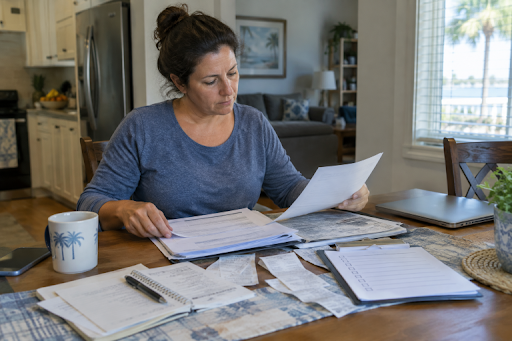
Before marketing the home, review the issues that are most likely to affect a buyer’s decision or a lender’s requirements. Check flood-zone information through the FEMA Flood Map Service Center, then gather any elevation certificates, insurance correspondence, and repair records that help explain the property’s history.
- Roof age, roof repairs, and wind-mitigation features.
- Past storm damage, water intrusion, and insurance claims.
- Hurricane shutters, impact-rated openings, drainage, and gutters.
- Air-conditioning age, service history, and warranties.
- Pool equipment, docks, seawalls, fences, or outdoor structures.
- Open permits, unpermitted work, code notices, liens, and tax balances.
- Homeowners association requirements and tenant lease obligations.
Keep surveys, permits, invoices, warranties, and maintenance receipts in one folder. For homes in unincorporated Hillsborough County, sellers can also review available building permit status records before a buyer discovers unfinished or unresolved work during due diligence.
Step Three: Decide Which Repairs Are Worth the Cost
Not every dated feature needs to be replaced before selling. Prioritize repairs that reduce safety concerns, prevent further damage, or make the home easier to evaluate. Active leaks, damaged electrical components, broken fixtures, hazardous flooring, and neglected air-conditioning service may deserve attention.
Improvements That Often Help
- Cleaning thoroughly and removing excess furniture.
- Repairing visible damage and basic safety issues.
- Touching up worn paint with neutral colors.
- Improving curb appeal with a simple yard cleanup.
- Making sure major systems are accessible for inspection.
Projects That Need Careful Math
- Full kitchen or bathroom renovations.
- Large landscaping upgrades.
- Major work on an older home with multiple unknown conditions.
- Replacing a roof or other major component before receiving professional guidance.
Compare the cost, disruption, and likely buyer response before committing. In some cases, an as-is sale with clear disclosures is more practical than months of construction.
Step Four: Price for Today’s Competition
Pricing should reflect recent comparable sales, competing listings, location, lot characteristics, updates, parking, flood exposure, and condition. A neighbor’s sale from years ago may be interesting, but it is not a complete pricing strategy.
A high asking price can limit early buyer interest and lead to a later reduction. Sellers should also calculate the cost of waiting, including mortgage payments, taxes, insurance, utilities, lawn care, and maintenance. A higher offer is not always the stronger offer if it brings longer delays or greater uncertainty.
- Review at least three comparable recent sales.
- Study active listings that buyers will see at the same time.
- Estimate net proceeds after payoff amounts and selling expenses.
- Set a date to reassess pricing if showings and offers are limited.
Step Five: Compare a Traditional Listing and a Cash Sale
Traditional Listing
A conventional listing may provide access to more buyers, including purchasers using financing. It can be a good fit for a well-maintained property when the seller has time for showings, inspections, negotiations, cleaning, and possible repair requests.
Cash Sale
A cash sale may suit a vacant home, inherited property, rental house, or residence needing substantial work. It may reduce financing-related delays and the need for extensive preparation, but sellers should still compare the written offer, closing costs, title process, possession date, and any contract contingencies.
Step Six: Prepare Documents Before Marketing
Missing paperwork can slow an otherwise straightforward transaction. Gather government identification, mortgage payoff information, tax records, surveys, insurance and repair documents, permit records, HOA contacts, leases, and any probate, trust, divorce, or estate paperwork that affects ownership.
Step Seven: Review Offers Beyond the Price
Compare the complete terms of every offer. Consider whether the buyer is paying cash or using financing, the earnest-money deposit, inspection period, appraisal and financing contingencies, requested repairs or credits, closing date, and possession terms.
For example, a lower cash offer could leave a seller with a similar net result if it avoids a large repair credit, several extra months of carrying costs, or a financing contingency. The best choice depends on the seller’s priorities, not the headline number alone.
Step Eight: Protect Yourself at Closing
Use a qualified title company or real estate attorney, review the settlement statement before signing, and confirm how keys, utilities, appliances, and remaining personal property will be handled. Resolve liens, judgments, unpaid taxes, and title concerns as early as possible.
Wire fraud is a real risk in property transactions. Independently call a known phone number for the title company before sending funds or acting on changed wiring instructions. Never sign unfamiliar documents or transfer a deed without understanding the purpose and receiving appropriate professional advice.
Common Questions Tampa Home Sellers Ask
How long does it take to sell a house in Tampa?
The timeline depends on preparation, price, condition, location, buyer demand, title status, and the sale method. A listed home may take time to prepare, market, contract, and close. A cash sale may move more quickly when the title is clear, and both parties agree on the terms.
Should a seller fix a house before listing it?
Address safety hazards and active damage first. For cosmetic or major renovation projects, compare the expected cost and disruption with the likely benefit. A full remodel is not automatically necessary to sell.
Can a Tampa home be sold with tenants inside?
Yes, but the lease, notice requirements, access provisions, tenant rights, and buyer plans all matter. Review the lease carefully and seek legal guidance before changing occupancy or access arrangements.
Final Checklist
- Choose a realistic target sale date.
- Review condition, flood, insurance, permit, tax, and title concerns.
- Gather records before marketing begins.
- Compare repair costs with the likely return.
- Price against current competition and recent sales.
- Compare listing and cash-sale options.
- Evaluate every term of the offer, not just the price.
- Use a trusted closing professional and verify all instructions.
Selling a home in Tampa is easier when the schedule, costs, and risks are clear from the start. A thoughtful plan helps owners choose the path that fits the property, their financial goals, and what comes next.