Understanding the Core Components of Residential HVAC Systems
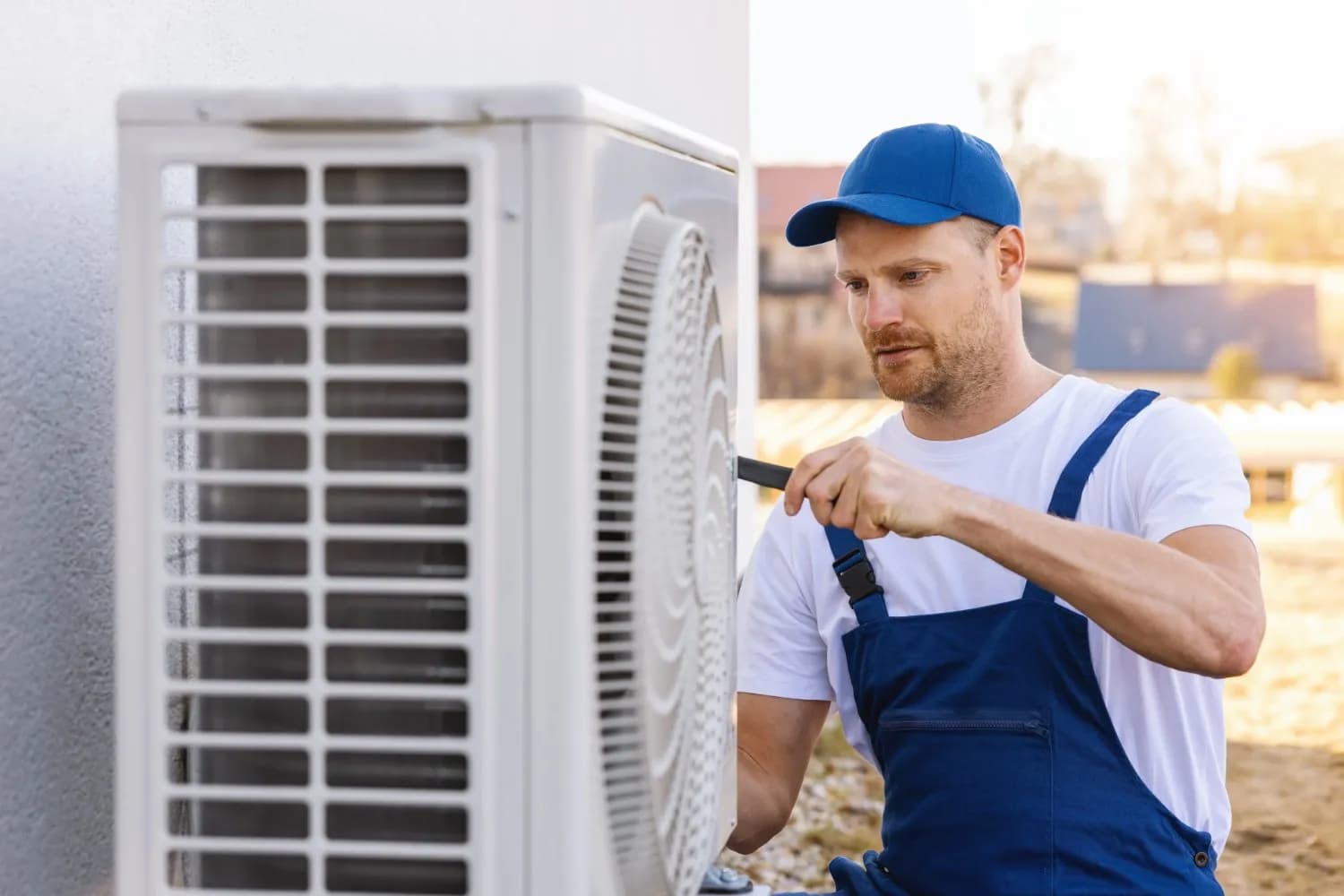
To truly appreciate the critical role of the AC contactor, we must first understand the fundamental components of a residential HVAC system. Our homes rely on these complex systems for consistent heating and cooling, ensuring comfort throughout the year. At the heart of the cooling cycle, the outdoor condenser unit houses several vital parts, including the compressor and the condenser fan. These components work in concert, guided by signals from your indoor thermostat, to regulate your home’s temperature. The thermostat acts as the brain, signaling when cooling is needed, and various electrical components in the outdoor unit then execute those commands.
The Role of the AC Contactor in Residential HVAC Units
Within this intricate network, the AC contactor functions as a pivotal electrical switch. It’s an electromechanical device designed to handle the significant power required to start and stop the high-power loads of your air conditioning system, primarily the compressor and the condenser fan motor. When your thermostat calls for cooling, a low-voltage signal (typically 24 volts AC) is sent to the contactor’s magnetic coil. This energizes the coil, creating an electromagnetic field that pulls a movable armature, causing the contact points to close. This closure completes the high-voltage circuit, allowing electricity to flow to the compressor and fan, initiating the cooling process. When the thermostat is satisfied, the signal to the coil is removed, the magnetic field collapses, the contact points open, and power to the outdoor unit’s main components is cut. Essentially, the contactor acts as a robust intermediary, safely controlling the flow of high current based on low-voltage commands from the control circuit.
Why Electrical Reliability Matters for Residential HVAC Performance
The continuous, reliable operation of your HVAC system hinges significantly on its electrical integrity. Voltage stability is paramount; consistent power prevents undue stress on components like the contactor and the compressor. Fluctuations, such as power surges or sags, can degrade electrical components over time, leading to premature failure. When the electrical system is compromised, the overall system efficiency suffers, resulting in higher energy consumption and increased utility bills. Moreover, a failing electrical component, especially one handling high voltage like the contactor, can have ripple effects throughout the entire system. For instance, a contactor that doesn’t make a solid connection can cause the compressor to struggle, draw excessive current, or even fail to start, leading to a cascade of issues that impact your home’s comfort and your wallet.
Warning Signs of AC Contactor Failure
Recognizing the warning signs of Affordable AC contactor failure early can save you from more extensive and costly repairs down the line. It’s crucial to approach any system diagnostics with a strong emphasis on electrical safety, always ensuring power is disconnected before inspection. While some symptoms are obvious, others can be subtle, requiring a keen ear or eye.
Unusual Noises: Humming, Buzzing, and Chattering
One of the most common indicators of a failing AC contactor is the presence of unusual noises emanating from your outdoor unit. A faint, low humming sound when the unit is operating is often normal, as it indicates the magnetic coil is energized. However, if this humming becomes noticeably louder, or if you hear a distinct buzzing or chattering sound, it’s a red flag.
- Humming/Buzzing: A louder hum or buzz can often be attributed to a weak coil that isn’t pulling the armature in firmly enough, or to loose connections within the contactor. It can also indicate a damaged shading ring—a small copper ring that helps maintain a stable magnetic field to prevent vibration. Without it, the armature can vibrate rapidly, causing the buzzing sound.
- Chattering: This rapid, repetitive clicking sound typically occurs when the contactor is attempting to engage but cannot maintain a steady connection. This might be due to low control voltage, a failing coil, or excessive vibration from other components. Each of these noises points to an unstable electrical connection or mechanical issue, which can lead to excessive heat and accelerated wear due to constant electrical arcing between the contacts.
System Operational Failures: Continuous Running or Failure to Start
A faulty AC contactor can manifest in two critical operational failures:
- Failure to Start: If your AC unit fails to turn on despite the thermostat calling for cooling, the contactor might be the culprit. This occurs if the magnetic coil is burnt out, the contact points are so severely worn or corroded that they cannot make electrical contact, or if there’s an open circuit preventing the coil from energizing. The compressor and fan simply won’t receive power.
- Continuous Running: Conversely, a contactor can fail by remaining engaged even when the thermostat is satisfied. This usually happens if the welded contacts are stuck together, preventing the high-voltage circuit from opening. The unit will run non-stop, leading to excessive energy consumption, accelerated wear on the compressor, and potential overheating. This constant operation can also lead to short-cycling, where the unit turns on and off too frequently, or it might just run indefinitely, ignoring thermostat signals entirely. Both scenarios put immense strain on the entire HVAC system. For more information on AC unit startup issues, you might find our guide on AC Won’t Turn On Solutions Santa Clarita helpful.
Visible Physical Damage: Pitting, Charring, and Overheating
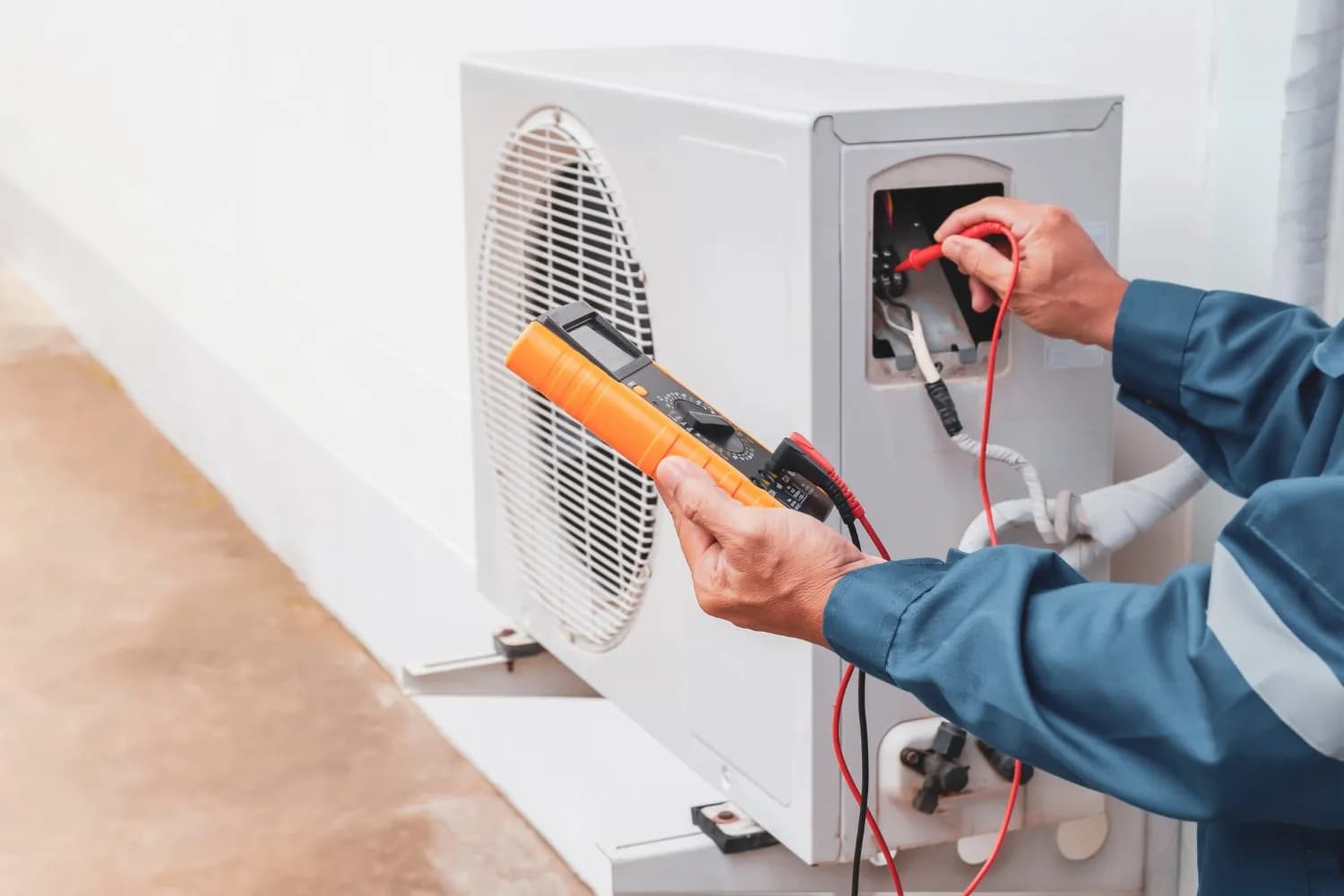
Visual inspection can reveal significant signs of a failing contactor. Over time, the repeated making and breaking of electrical connections cause electrical arcing between the contact points. This arcing can lead to contact erosion, where the metal surfaces become rough, uneven, and pitted.
- Pitting and Charring: Heavily pitted contacts lose their ability to conduct electricity efficiently, creating resistance and heat. In severe cases, this heat can lead to charring or blackening of the contact surfaces and surrounding plastic housing due to carbon deposits.
- Overheating: Excessive heat, or thermal stress, can also cause the contactor’s plastic casing to melt, warp, or show signs of burning. A distinct burning smell often accompanies this type of damage. Any visible signs of melting, discoloration, or a strong electrical burning odor indicate a contactor that has likely failed or is on the verge of catastrophic failure.
Here’s a quick comparison of what to look for:
Characteristic Normal Contactor Damaged Contactor Contact Points Smooth, clean, metallic finish Pitted, rough, discolored, carbon deposits, welded Casing/Housing Intact, no discoloration, firm plastic Melted, warped, burnt marks, brittle Coil Intact, no visible damage Swollen, discolored, burnt insulation Operation Sound Faint hum when engaged, quiet when disengaged Loud buzzing, chattering, no sound when it should engage Odor None Strong electrical burning smell Primary Causes of Contactor Degradation
Understanding the root causes of contactor degradation is crucial for both prevention and effective troubleshooting. While wear and tear are inevitable for any mechanical component, several factors accelerate this process, ranging from environmental factors to severe electrical overloads.
Electrical and Mechanical Stressors
The primary forces acting against the longevity of an AC contactor are often electrical and mechanical in nature:
- Voltage Fluctuations: Inconsistent power supply, including sags (under-voltage) or surges (over-voltage), can severely stress the contactor’s coil and contacts. Under-voltage can cause the coil to pull in weakly, leading to chattering and excessive arcing, while over-voltage can overheat and prematurely burn out the coil.
- Coil Burnout: The magnetic coil is designed for a specific voltage. Prolonged exposure to incorrect voltage, continuous operation in high ambient temperatures, or internal insulation degradation can lead to coil burnout, rendering the contactor inoperable.
- Short Circuits: While circuit breakers and fuses are designed to protect against short circuits, a direct short across the contactor’s load side can cause immense heat and arcing, severely damaging or welding the contacts.
- Inductive Loads: The compressor and fan motor are highly inductive loads. When power is applied or removed, they generate significant electrical spikes that cause intense arcing at the contactor’s points, accelerating contact erosion and pitting.
- Mechanical Jamming: Over time, the internal moving parts of the contactor can accumulate dirt, debris, or simply wear out, leading to mechanical jamming. This prevents the armature from moving freely, causing incomplete contact closure or failure to disengage.
Environmental and Installation Factors
External conditions and how the contactor is installed also play a significant role in its lifespan:
- Dust, Moisture, and Insects: Outdoor units are exposed to the elements. Accumulations of dust, dirt, and debris can interfere with the contactor’s mechanical movement and reduce the effectiveness of its contact points. Moisture ingress can lead to corrosion and short circuits, while insects (like ants or wasps) building nests inside the unit can obstruct moving parts or short out electrical connections.
- Loose Terminals: Improper installation or vibration over time can lead to loose terminals where the wires connect to the contactor. Loose connections create resistance, which generates heat, potentially melting wire insulation and contactor housing, and leading to intermittent operation or complete failure.
- Incorrect Selection: Using a contactor that is not adequately rated for the current draw or type of load of the AC unit can lead to premature failure. An undersized contactor will constantly operate at or beyond its limits, accelerating wear. Proper incorrect selection of the contactor’s specifications (e.g., amperage rating, coil voltage) is vital for its long-term reliability.
Troubleshooting, Testing, and Safe Replacement
When you suspect an AC contactor issue, safety protocols must be your top priority. Working with high-voltage electrical components carries significant risks, including electrical shock and fire. Always begin by ensuring complete power disconnection to your outdoor unit at the main electrical panel or breaker box before attempting any inspection or multimeter testing.
Step-by-Step Multimeter Testing
A multimeter is an invaluable tool for diagnosing a contactor. Here’s how to safely test it:
- Safety First: Turn off all power to the outdoor unit at the breaker. Use your multimeter to confirm zero voltage at the contactor’s terminals before proceeding.
- Visual Inspection: With power off, visually inspect the contactor for any obvious signs of damage (pitting, charring, melting, loose wires).
- Test Coil Voltage (with power on briefly, carefully): If you suspect the coil isn’t energizing, you can briefly restore power (ensuring no contact with high-voltage terminals) and use the multimeter to check for 24 volts AC across the coil terminals when the thermostat calls for cooling. If 24V is present but the contactor doesn’t pull in, the coil is likely bad. Immediately turn power off after this test.
- Test Coil Resistance (with power off): With power off, disconnect one wire from the contactor coil. Set your multimeter to measure resistance (Ohms). Place the probes on the two coil terminals. A good coil will show a specific resistance value (check the contactor’s specifications if available, typically in the range of 5-50 Ohms). An open circuit (infinity or “OL” on the multimeter) indicates a burnt-out coil, while a very low reading might suggest a shorted coil.
- Test Main Contact Continuity (with power off): This checks if the contacts are closing properly. Ensure the contactor is in its “open” (de-energized) position. Set your multimeter to continuity mode. Place one probe on a line-side terminal and the other on its corresponding load-side terminal. You should read an open circuit (no continuity). Now, manually depress the contactor plunger (if possible and safe to do so) to simulate it being energized. You should now read continuity (a beep or near-zero Ohms). Repeat for all sets of main contacts. If a contact shows continuity when open, it’s welded. If it doesn’t show continuity when manually closed, it’s failing to make contact.
- Check for Voltage Drop (with power on, carefully): After replacement or if testing a seemingly functional contactor, you can (with extreme caution and proper PPE) measure the voltage drop across the main contacts while the unit is running. Place one probe on the line side of a contact and the other on the load side of the same contact. A healthy contactor should show very little to no voltage drop (ideally less than 0.1-0.2V). A significant voltage drop (e.g., >1V) indicates high resistance due to pitted or dirty contacts.
Selecting and Installing a Replacement Contactor
When a contactor is deemed faulty, replacement is usually the most reliable solution.
- Selection: Always choose a replacement contactor that matches the OEM specifications of the original. Key parameters include the amperage rating (e.g., 30A, 40A), the number of poles (e.g., 1-pole, 2-pole), and crucially, the coil voltage (e.g., 24V AC). Ensuring the correct load rating is essential to prevent future failures. Many high-quality contactors feature silver alloy contacts, which offer superior resistance to arcing and prolong the contactor’s lifespan.
- Installation: While some experienced homeowners might attempt a DIY replacement, it involves working with high voltage and intricate wiring. For safety and to ensure correct operation, professional installation by a qualified HVAC technician is highly recommended. They possess the expertise to safely disconnect power, correctly wire the new contactor, and test the entire system to ensure proper function and prevent damage to other components. For assistance with any HVAC issues, including contactor replacement, you may find our page on HVAC Signs You Need Expert Help a valuable resource.
Frequently Asked Questions About HVAC Contactors
We often encounter common questions about HVAC contactors, ranging from troubleshooting concerns to critical safety risks. Here, we address some of the most frequently asked questions to provide clarity and guidance.
Can a bad AC contactor damage the compressor?
Absolutely, a failing AC contactor poses a significant threat to your compressor, which is often the most expensive component of your HVAC system. A contactor that is not making a firm connection can lead to a persistent voltage drop across its contacts. This reduced voltage reaching the compressor causes it to draw excessive current, leading to overheating and premature wear. In multi-phase systems, a common failure mode is single-phasing, where one set of contacts fails to close while others do. This sends power to only one or two phases of a three-phase motor, causing it to hum loudly, overheat rapidly, and ultimately fail. Statistics indicate that a large percentage of compressor failures can be traced back to issues with the AC contactor. Ignoring a faulty contactor is akin to neglecting a ticking time bomb for your compressor.
How often should an AC contactor be inspected?
For optimal performance and longevity of your HVAC system, we recommend regular annual maintenance that includes a thorough inspection of the AC contactor. In regions with high usage or extreme temperatures, biannual checks (e.g., once in spring before cooling season and once in fall before heating season) are even better. During these inspections, a technician will check for signs of wear, pitting, loose connections, and proper operation. This preventive care allows for early detection of degradation, enabling replacement before a complete breakdown occurs or before damage spreads to other components. Regular tune-ups, as outlined in guides like AC Tune-Up Maintenance in Canyon Country CA, are essential for catching these issues.
What are the safety risks of ignoring a failing contactor?
Ignoring a failing AC contactor is not just about potential repair costs; it carries serious safety risks for your home and its occupants. A contactor that is arcing excessively or has severely pitted contacts generates significant heat. This heat can melt surrounding wires, insulation, and even the unit’s plastic components, leading to electrical shorts. In the worst-case scenarios, these electrical shorts can escalate into fire hazards. Faulty contacts are a known contributor to a percentage of AC-related electrical fires, as reported by safety organizations. Furthermore, a contactor that fails to disengage (welded contacts) can cause components like the compressor to run continuously and overheat, potentially leading to component meltdown and further fire risks. Prioritizing the repair or replacement of a failing contactor is crucial for maintaining a safe home environment.
Conclusion
Understanding the nuances of AC contactor failure, from subtle noises to visible damage, is a powerful step toward maintaining an affordable and energy-efficient home. This small but critical component plays a monumental role in your HVAC system’s operation, directly influencing its system efficiency and overall long-term reliability. By recognizing the warning signs, understanding the underlying causes, and embracing proactive maintenance, you can prevent minor issues from escalating into costly breakdowns and safety hazards. Regular inspections, timely troubleshooting, and professional replacement ensure your AC system continues to provide consistent comfort, safeguarding both your investment and your peace of mind.