Table of Contents
- Traditional Loans
- Business Lines of Credit
- Revenue-Based Financing
- Merchant Cash Advances
- Equipment Financing
- Invoice Factoring
- Crowdfunding
- Government Grants and Loans
Securing the right financing is essential for small businesses striving to achieve growth and resilience in today’s dynamic economy. Business owners have more choices than ever before, giving them the opportunity to tailor financing solutions to their unique operational needs. One helpful benchmark in selecting the appropriate loan product is the debt service coverage ratio real estate , which provides valuable insight into a company’s ability to manage debt obligations effectively.
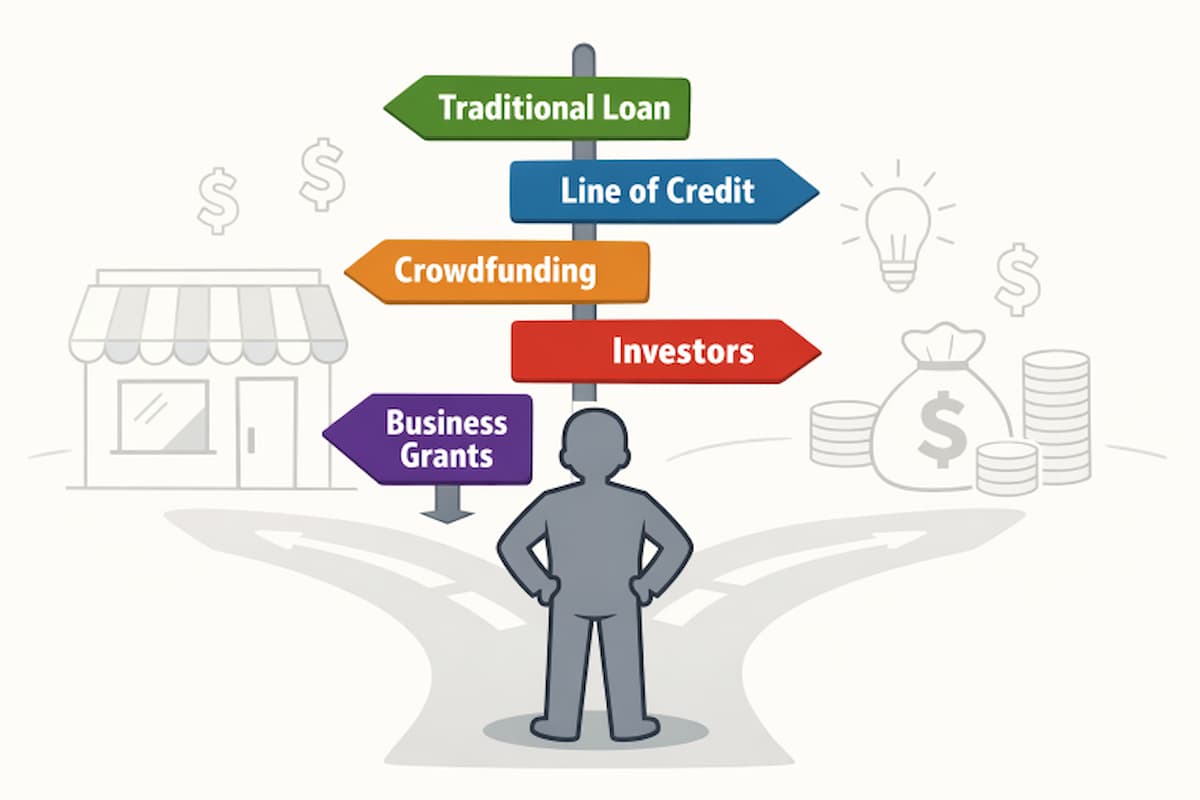
With so many options for tapping into capital, understanding the strengths and risks of each solution can empower entrepreneurs to make strategic financial decisions. The evolving landscape of small business funding now includes both traditional and innovative alternatives, reflecting the diverse goals and challenges facing companies across industries.
Startups and established companies alike need to consider their financial health, growth objectives, and risk tolerance before selecting a financing route. Having a solid understanding of the available options helps owners capitalize on opportunities while maintaining operational flexibility.
Many of today’s financing solutions can be combined to support seasonal needs, large investments, or to address cash flow gaps. By being proactive and diligent in research, business owners can secure the resources necessary for sustained growth and stability.
Traditional Loans
Traditional bank loans remain a cornerstone of small business finance. They provide businesses with lump-sum funding that is repaid in fixed installments, typically at competitive interest rates. Qualifying for these loans can involve a rigorous approval process, including a thorough review of credit history, cash flow statements, and sometimes the need for significant collateral. For businesses with established credit and assets, this can be a cost-effective way to access large sums for expansion, equipment purchases, or working capital.
Business Lines of Credit
Business lines of credit allow companies to draw from a set credit limit as needed, providing flexibility in managing short-term expenses or capitalizing on time-sensitive opportunities. This solution is particularly valuable for addressing gaps between accounts payable and receivable, managing inventory, or covering unexpected repairs. Providers such as ROK Financial have enhanced their offerings, making it easier for businesses to access a variety of funding tools alongside traditional credit lines.
Revenue-Based Financing
Revenue-based financing provides upfront capital in exchange for a fixed percentage of future revenues. The repayment amounts fluctuate with sales, making this a fitting option for businesses with variable income streams. It benefits companies with strong growth trajectories that may not have sufficient collateral but are confident in their revenue forecasts. Unlike traditional loans, payments automatically align with seasonal or cyclical revenue, helping to reduce financial pressure in slower periods.
Merchant Cash Advances
Merchant cash advances (MCAs) offer quick access to funds in exchange for a share of future credit and debit card sales. This approach can be appealing for retail or service-based businesses that handle frequent card transactions. While approval for MCAs is generally faster and less stringent than traditional loans, these advances come with higher costs and shorter repayment periods. Business owners should weigh the ease and speed of MCAs against the higher fees and their company’s ability to maintain adequate cash flow during repayment.
Equipment Financing
For businesses that need to invest in machinery, vehicles, or technology, equipment financing can be a direct and practical option. The purchased equipment itself serves as collateral, often resulting in more favorable rates and approval processes for borrowers with modest credit. Equipment financing allows companies to avoid substantial upfront expenditures, freeing up cash for other operational needs and enabling faster upgrades to stay competitive.
Invoice Factoring
Invoice factoring is especially useful for companies that experience long payment cycles. By selling their outstanding invoices at a discount to a third-party factoring company, businesses get immediate cash rather than waiting for customers to settle their accounts. While this improves cash flow and reduces the uncertainty of collections, it does come with fees and could affect customer relationships if the factor is not considerate in dealing with clients. Business owners need to carefully evaluate the terms offered and the reputation of the factoring partner they select.
Crowdfunding
Crowdfunding platforms such as Kickstarter and Indiegogo allow entrepreneurs to raise funds directly from a wide audience by presenting their products or business ideas online. This method offers more than just capital. It provides market validation and an opportunity to build an initial customer base. Crowdfunding success requires an engaging story, effective marketing, and regular communication with backers. The best campaigns demonstrate a compelling value proposition and clear milestones.
Government Grants and Loans
Government programs and incentives provide a wide range of financing opportunities for small businesses. These include grants that do not need to be repaid and low-interest loans with more favorable terms than many private lending sources. The U.S. Small Business Administration (SBA) is a chief resource for such programs, offering support tailored to specific industries, business stages, and project goals. Exploring government options can lead to significant cost savings and access to resources not available in the private market.
Successful small business financing is rooted in careful planning, a clear understanding of available options, and matching the right funding tool to specific operational needs. With a comprehensive approach, business owners can secure the necessary capital to thrive and scale in an ever-changing marketplace.