Key Takeaways
- Schedule your home inspection promptly after your offer is accepted.
- Attend the inspection to gain firsthand knowledge of the property’s condition.
- Focus on major structural and system issues rather than cosmetic flaws.
- Use the inspection report as a tool for negotiation and future maintenance planning.
Table of Contents
- Schedule the Inspection Promptly
- Attend the Inspection
- Focus on Major Issues
- Understand the Inspection Report
- Negotiate Repairs or Price Adjustments
- Plan for Future Maintenance
- Choose a Qualified Inspector
- Avoid Common Mistakes
Buying a home is one of the most important investments you will make, so a thorough home inspection is crucial to ensure your property is free from unexpected issues. Understanding the steps and purpose of the inspection process helps you avoid surprises and make decisions with greater confidence. Before closing on your new home, consider all aspects of the inspection, including specialty checks such as a mold inspection, to protect your long-term investment.
While it is tempting to get caught up in the excitement of buying a new home, a comprehensive inspection provides a valuable snapshot of the property’s actual condition. Inspections provide an opportunity to learn about the property’s strengths and weaknesses directly from a professional. Actively participating in this process ensures you encounter fewer setbacks after moving in.
Proactive planning can also help you avoid budgetary surprises once you move in. This is why it is essential to focus on the results of your inspection and ask clarifying questions whenever needed. Many homebuyers find themselves negotiating conditions after the inspection is complete, so staying informed is key to ensuring your investment is sound.
Along with understanding the technical aspects of a home inspection, it is wise to prepare yourself for negotiations and future upkeep. Using your inspection report as a maintenance planning tool will help you avoid future headaches, according to experts from sources like Consumer Reports.
Schedule the Inspection Promptly
After your offer is accepted, do not wait to book an inspection. Home inspectors may have full schedules, especially during peak buying seasons. Schedule your inspection promptly to allow time to address any findings or negotiate resolutions before closing. Early scheduling also increases your chances of booking the inspector of your choice, reducing the likelihood of rushed decisions.
Attend the Inspection
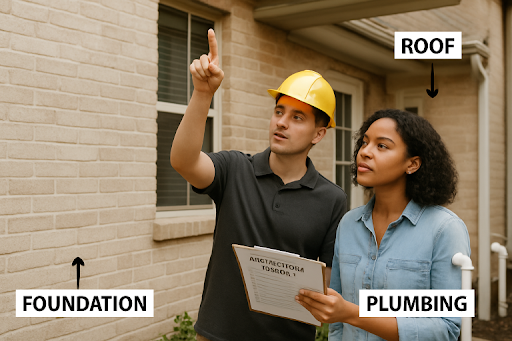
Attending the home inspection in person allows you to learn about the property firsthand from a trained professional. By being present, you can ask questions as issues arise and observe how the inspector evaluates key areas such as the roof, foundation, plumbing, and electrical systems. Your inspector may offer maintenance tips, point out necessary updates, and clarify which concerns are more urgent than others. According to a Consumer Reports guide, being present gives you a clear understanding of the home’s condition and empowers you in negotiations with the seller.
Focus on Major Issues
A home inspection often reveals minor imperfections, such as chipped paint or slightly worn floors, which are common in any lived-in property. However, focus on major structural and system issues, such as roofing integrity, foundation stability, outdated wiring, plumbing problems, or signs of water damage. These concerns can greatly impact safety, cost substantial amounts to repair, or even affect your decision to finalize the purchase. Addressing critical findings up front gives you leverage to request repairs or re-negotiate the price.
Understand the Inspection Report
After the inspection, your inspector will deliver a detailed property inspection report outlining the property’s condition, problems, and recommended actions. Review this document carefully for insights into the home’s current and future needs. If you find technical language confusing or do not understand specific findings, ask your inspector for clarification. This information is not only vital for the buying process but also a useful guide for setting future maintenance priorities.
Negotiate Repairs or Price Adjustments
The home inspection report serves as a powerful negotiating tool. If the inspection reveals significant problems, you have three options: request that the seller address the repairs, negotiate a lower home price, or ask for a financial credit toward future repairs. Be reasonable with your requests and focus on issues that affect safety or property integrity, rather than minor cosmetic flaws. Your real estate agent can help you prioritize concerns and strategize negotiations based on the report’s findings.
Plan for Future Maintenance
Inspection results are not solely for negotiations. Use the findings to develop a maintenance schedule for your new property. This practice can prevent small problems from becoming larger, more significant repairs down the road. By staying organized and proactive, you preserve your investment’s value and ensure your home remains safe and comfortable for years to come.
Choose a Qualified Inspector
A quality home inspection starts with a skilled, reputable inspector. Do your research by checking credentials, reading reviews, and asking for references. A good inspector has experience with homes similar to the one you are purchasing and can explain their findings in easy-to-understand terms. Consider using accredited home inspection associations, such as the American Society of Home Inspectors, to find top-rated professionals in your area.
Avoid Comhelpfulstakes
Many buyers make preventable errors during the home inspection process. One common mistake is skipping the inspection altogether in a highly competitive market in hopes of making their offer more attractive to sellers. Others may hire an inspector based purely on cost, rather than qualifications. Avoid disregarding the inspection report’s findings or failing to follow up on recommendations, as these oversights can lead to expensive or hazardous problems in the future.
By following these essential home inspection tips, you will be better equipped to navigate the process with confidence and secure a safe, reliable, and worthwhile investment.