Key Takeaways
- Preventive dental care is foundational for long-term oral and systemic health.
- Routine dental check-ups and cleanings are crucial for early detection of issues.
- At-home oral hygiene habits play a crucial role in preventing cavities and gum disease.
- Fluoride and dental sealants provide additional shields, especially for children.
- Technological advancements have made preventive care more comfortable and effective.
Optimal oral health is not achieved overnight—it is the result of consistent, thoughtful care and a proactive approach to dental health. Preventive dental care is the cornerstone of this approach, helping individuals of all ages avoid dental problems before they start. Whether for growing children or aging adults, adopting regular preventive habits and staying informed about the best strategies empowers families to protect their smiles. Discover the value of health-focused family dentistry Manotick to help ensure your dental care supports your whole family’s well-being now and for years to come.
Preventive dental care not only guards against cavities and gum disease but also amplifies confidence and quality of life. Scheduling regular visits with a trusted dentist enables the early identification and management of potential issues, thereby reducing the risk of complications and potentially lowering long-term costs. Simple daily practices reinforced with professional attention make an enormous difference in the long-term trajectory of your oral health.
Importance of Preventive Dental Care
Preventive dental care encompasses a combination of daily oral hygiene practices and professional dental services designed to maintain the health of teeth and gums. Its primary goals are to prevent the onset of dental problems such as tooth decay, gum disease, and enamel erosion—issues that, if left untreated, can escalate into more significant health concerns. According to the Centers for Disease Control and Prevention (CDC), hundreds of millions of people suffer from preventable oral diseases; yet, regular preventive care can dramatically reduce these risks. Oral health often reflects and impacts overall wellness, making this proactive care essential for total well-being.
Regular Dental Check-Ups and Professional Cleanings
Routine dental check-ups are crucial for the early detection of cavities, gingivitis, oral cancer, and other oral health concerns. Dentists use specialized tools to clean areas that regular brushing and flossing can miss, targeting plaque buildup and tartar deposits. The American Dental Association (ADA) recommends biannual dental visits as an industry best practice, although some patients may require more frequent check-ups depending on their individual circumstances. These regular visits address minor issues before they become urgent, more costly problems, and help promote a lifetime of oral health.
Daily Oral Hygiene Practices
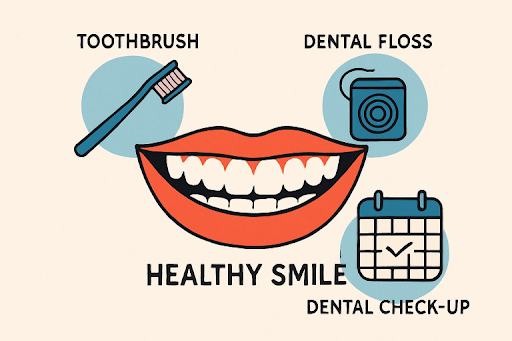
Effective at-home oral hygiene remains the bedrock of preventive dental care. Brushing your teeth thoroughly at least twice a day with fluoride toothpaste helps remove harmful bacteria and food particles. Flossing every day cleans the spaces between teeth that toothbrushes can’t reach, minimizing plaque buildup and reducing the risk of gum disease. Mouthwash offers an added layer of protection, reducing bacteria and freshening breath. Equally important is limiting sugar intake and maintaining a nutritious diet rich in fiber, which supports overall oral resilience.
Fluoride Treatments and Dental Sealants
For added defense against tooth decay, dentists often recommend fluoride treatments and dental sealants. Fluoride helps rebuild weakened tooth enamel and reverses early signs of decay. Dental sealants, thin protective coatings applied to the chewing surfaces of molars, help block food and bacteria from settling into the tooth’s intricate grooves. These approaches are especially effective for children but are also valuable for adults—particularly those at higher risk of cavities.
Technological Advances in Preventive Dentistry
Recent years have witnessed remarkable progress in dental technology, enhancing the accuracy and comfort of preventive dental care. Digital X-rays provide clear images with lower radiation exposure, enabling dentists to pinpoint cavities, bone loss, and the early stages of gum disease with precision. Laser tools have made leak-free, painless teeth cleanings and minimally invasive procedures possible, expediting patient recovery. Artificial intelligence is streamlining early detection, helping dental professionals assess oral conditions faster and more accurately than ever before. Technology not only ensures that dental visits are more efficient but also fosters a positive attitude toward long-term care in patients of all ages.
Preventing Common Dental Problems
Cavities and gum disease rank among the most prevalent yet preventable dental issues. Consistent preventive care disrupts the process by which bacteria produce acids that break down enamel and irritate gum tissue. If left unchecked, minor decay or gum inflammation can evolve into significant oral and systemic health problems. In addition to routine cleanings and hygiene, avoiding tobacco and moderating alcohol consumption further reduces risk. Encouraging healthy habits early in life sets a strong foundation—children who learn effective cleaning strategies from the start are far less likely to develop chronic oral diseases as adults.
The Mouth-Body Connection
Oral health is intimately linked with overall body health. Chronic gum infection has been shown to influence serious conditions like cardiovascular disease, diabetes, and even respiratory illnesses. Inflammation in the mouth can lead to systemic inflammation, making the entire body more vulnerable to illness. Preventing oral diseases is a crucial part of safeguarding wellness and quality of life at every stage.
Final Thoughts
Embracing preventive dental care is an investment in lifelong health. Combining regular dental check-ups, proper home hygiene, and modern preventive treatments minimizes illness, maximizes confidence, and can even contribute to greater well-being beyond your smile. Make preventive dentistry a family priority—your teeth and your future self will thank you.