Table of Contents
- Lower BAC Limits
- Expanded Definitions of Impairment
- Mandatory Ignition Interlock Devices
- Increased Penalties for Test Refusal
- Enhanced Enforcement Through Technology
- Federal Mandates and Future Implications
- Conclusion
In recent years, the landscape of driving under the influence (DUI) legislation has changed dramatically. Lawmakers have pushed for stronger safeguards to prevent drunk and impaired driving, prompting more rigorous enforcement practices and legislative updates. These changes affect not only individuals who drive but also the legal professionals who represent them. For those facing DUI-related charges, experienced legal counsel such as Phoenix DUI defense attorneys play a crucial role when navigating these evolving laws and protecting one’s rights.
Addressing impaired driving has evolved beyond solely policing alcohol consumption, as lawmakers are now focusing on all forms of impairment, including drug use and misuse of prescription medications. These legislative changes are significantly shaping the future of DUI regulation and enforcement nationwide, making it crucial for drivers, legal professionals, and community safety advocates to understand these shifts. The adjustments in law reflect a societal push for greater accountability and deterrence, empowering law enforcement with enhanced tools and powers. This includes initiatives to lower blood alcohol concentration (BAC) and incorporate technological advancements. Furthermore, individuals facing DUI charges or seeking information about their rights will encounter new rules that introduce additional obligations, potential penalties, and compliance requirements.
Lower BAC Limits
Traditionally, most states set the legal BAC limit at 0.08 percent. Recently, several states have reduced this threshold to 0.05 percent to align with international standards and research-backed recommendations. According to the Centers for Disease Control and Prevention, lower BAC limits are linked with a reduction in alcohol-related crashes and fatalities. This policy change means even small amounts of alcohol can result in significant legal consequences for drivers. Authorities hope that these lower limits will encourage more responsible choices and discourage driving after drinking altogether.
Expanded Definitions of Impairment
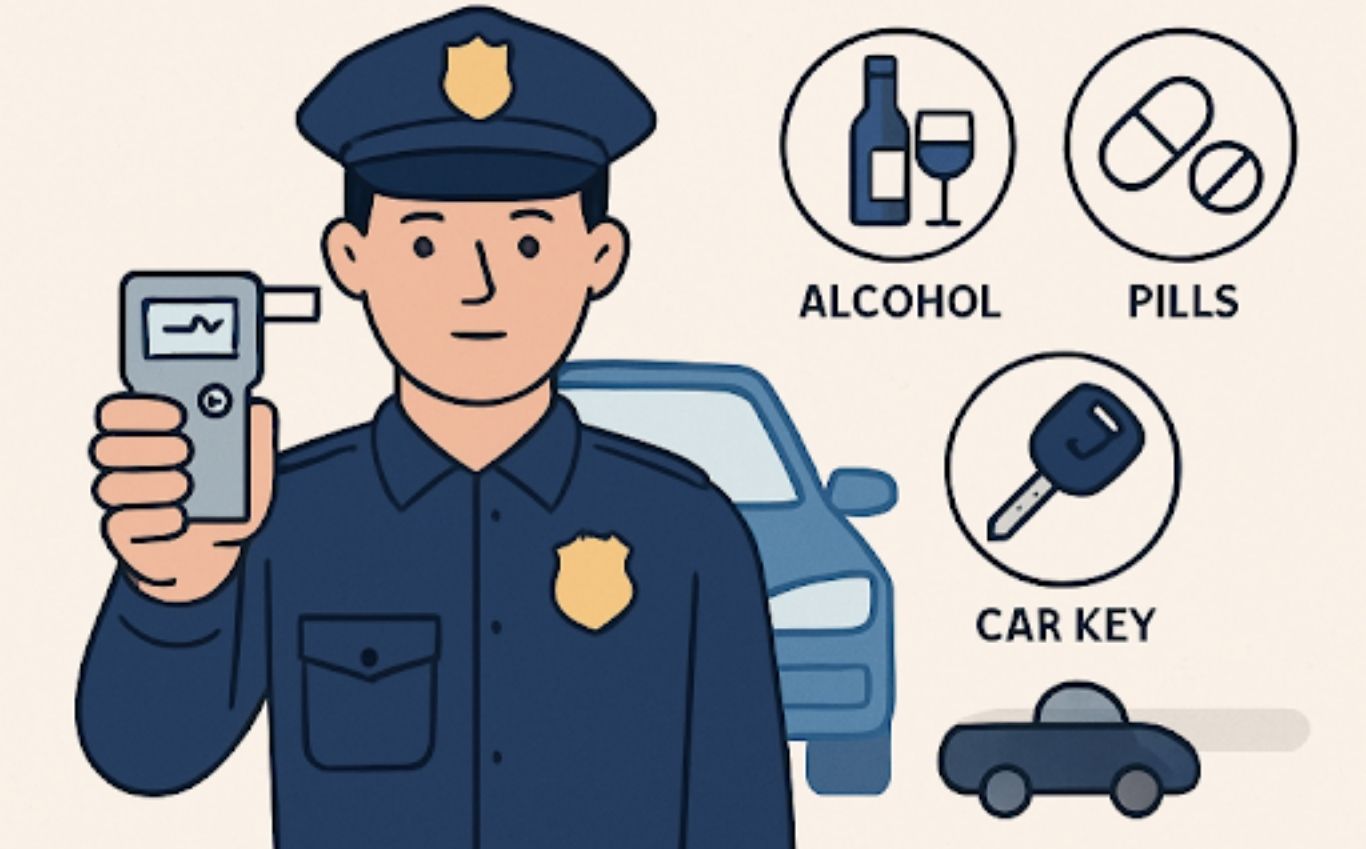
For example, Maryland DUI laws have expanded beyond alcohol impairment. In many states, the statutes now address impairment resulting from marijuana, prescription drugs, and even some over-the-counter medications. For example, drivers found under the influence of substances that may impair alertness, such as antihistamines or prescription painkillers, may be prosecuted under these broader definitions. Individuals are now required to be aware of any substance that can alter their capacity to safely operate a vehicle, not just alcohol or illegal drugs.
Mandatory Ignition Interlock Devices
A growing number of jurisdictions are adopting mandatory ignition interlock device (IID) requirements for first-time DUI offenders. These devices require a breath sample before the engine will start, helping prevent recidivism and safeguarding the public. The Centers for Disease Control and Prevention reports that ignition interlocks reduce driving while impaired (DWI) repeat offenses by about 70% while they are installed. The trend toward mandating IIDs for all offenders, instead of only repeat or high BAC cases, signals a preventative approach that many safety advocates support.
Increased Penalties for Test Refusal
Refusing to comply with chemical testing, such as breathalyzers or blood draws, now often results in the same penalties as a DUI conviction. Some states enforce license suspension periods of a year or more for refusals, along with hefty fines. In certain cases, refusal to test may be used as evidence of guilt in court proceedings. These stricter sanctions emphasize the seriousness with which states view cooperation with DUI enforcement efforts.
Enhanced Enforcement Through Technology
Law enforcement has begun deploying advanced tools in the campaign against impaired driving. These new approaches include passive alcohol sensors embedded in flashlights, AI-based monitoring of erratic driving patterns, and portable drug detection kits. Advanced analytics and digital surveillance can help officers identify high-risk drivers more efficiently during traffic stops and patrols, bolstering case-building for successful prosecution in court.
Federal Mandates and Future Implications
National leadership has stepped up efforts to limit impaired driving through forward-looking policies. The Infrastructure Investment and Jobs Act calls for integrating anti-drunk-driving technology into all new passenger vehicles as soon as 2026. This includes systems capable of detecting alcohol impairment and preventing vehicle operation if a driver is over the BAC limit. This federal action demonstrates a coordinated push to fundamentally reduce impaired driving incidents and permanently impact DUI law on a systemic level.
Conclusion
The evolution of DUI law highlights a growing societal commitment to road safety and public accountability. Modern DUI legislation incorporates broader definitions of impairment, harsher penalties, and cutting-edge enforcement tools. For drivers, staying informed and cautious is more important than ever to navigate this tightening legal landscape and to avoid potentially career-altering consequences. With both state and federal governments driving stricter standards, understanding your rights and obligations remains essential for every responsible driver.