Table of Contents
- Define Your Vision
- Choose the Right Videographer
- Understand Videography Styles
- Plan the Shot List
- Coordinate with Your Photographer
- Consider Audio Quality
- Budgeting for Videography
- Review and Revise
Capturing your wedding day on film is one of the best ways to hold onto the emotions, laughter, and memories of this extraordinary occasion for years to come. Modern couples are putting as much consideration into their wedding videos as their photography, seeking beautiful, story-driven films that evoke the essence of their celebration. If you want your video to tell your story authentically, it starts with planning and collaboration. To find inspiration and see what’s possible, browse the portfolio at Adam Gorham Films, where a commitment to artistry and storytelling sets a high standard for cinematic wedding films.
Knowing where to begin can feel overwhelming, but a clear strategy ensures your film meets your vision. Consider the desired emotions, look, and moments you want to relive. From selecting the right professional to communicating your style, each decision contributes to the final result. Investing your energy into these steps will help you create a video that is not only visually beautiful but personally meaningful as well.
As you explore your options, pay attention to the variety of filming and editing styles available. Today’s wedding videographers offer everything from dramatic movie-like edits to intimate, documentary-style accounts of the day. Your preferences should shape every discussion with your chosen professional.
Budgeting for videography and setting your expectations early on helps avoid stress and disappointment. Carefully reviewing timelines, shot lists, and package details makes it simple to enjoy your wedding day, knowing these precious moments are being preserved.
Define Your Vision
Begin your videography journey by considering how you want the video to feel. Would you like a romantic, cinematic narrative, a candid, fly-on-the-wall documentary, or perhaps a nostalgic vintage reel? Have an open conversation with your partner and write down a few adjectives that best describe what you want to remember most from your celebration. This foundation guides every decision you make in the process, from the professional you hire to the edit you receive.
Choose the Right Videographer
Choosing the ideal videographer is crucial. Take time to research and carefully review portfolios, judging not just video quality but the energy, storytelling style, and method of capturing emotions. Read reviews and talk to past clients, if possible, to understand how the videographer interacts during the event. Personal compatibility is just as important as technical skill, since they will be by your side during intimate moments.
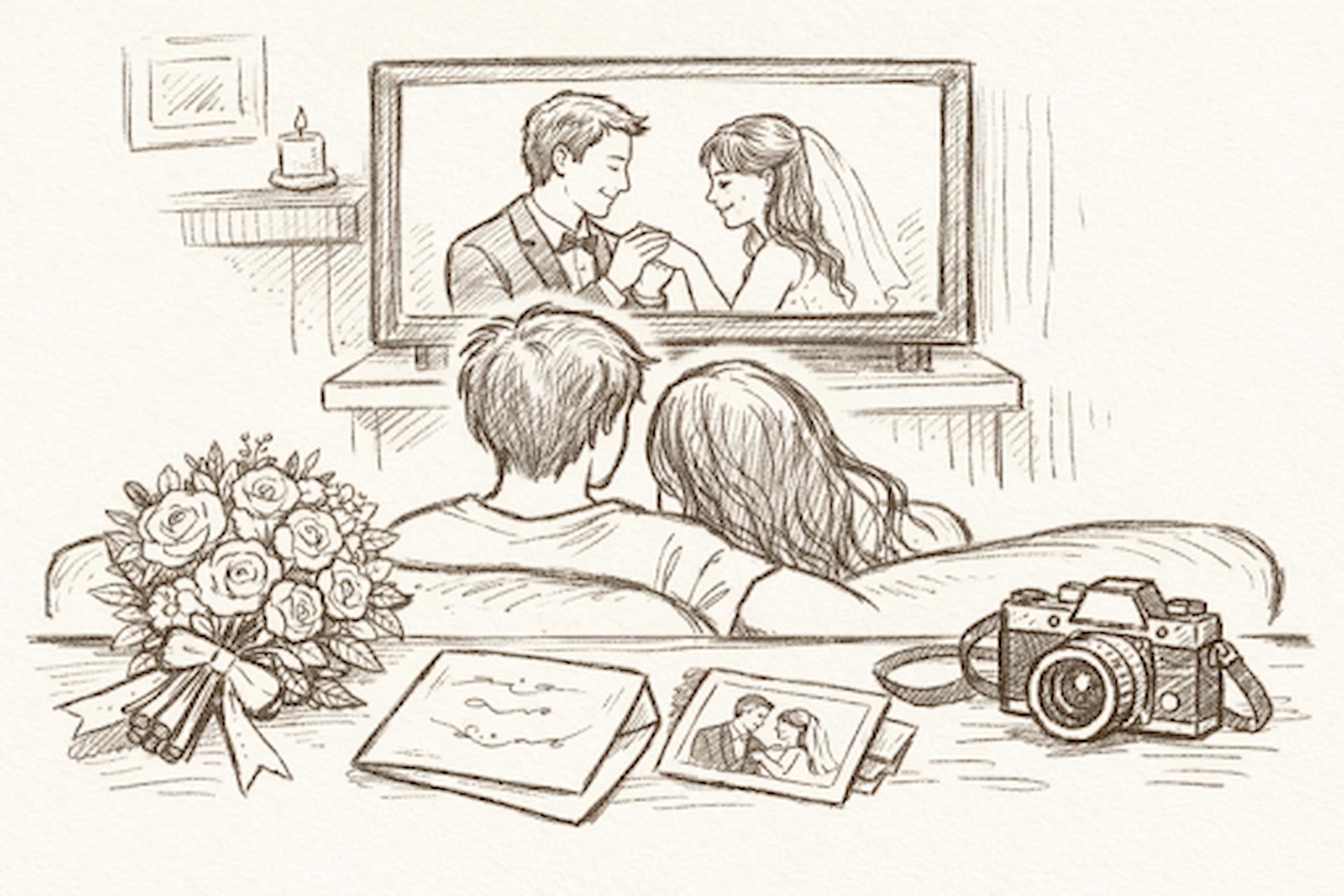
Understand Videography Styles
Style plays a defining role in how your wedding story is told. Here are three major styles:
- Cinematic: Focuses on creative editing, beautiful framing, and music for a movie-like experience.
- Documentary: Chronologically documents your wedding as events unfold, often using minimal editing for authenticity.
- Vintage: Incorporates nostalgic elements or film formats, such as Super 8mm, to invoke timeless emotion.
The popularity of cinematic storytelling has grown in recent years, as explained in this resource by Brides. Review video samples with your partner so both of you agree on the tone and flow you’d like for your video.
Plan the Shot List
Work collaboratively with your videographer to develop a list of must-have shots. These memorable moments generally include:
- Getting ready preparations
- The couple’s first look
- Ceremony processional and highlights
- First dance and special dances
- Toasts and speeches
- Reception festivities
A clear shot list ensures no important moment is overlooked. Your videographer will also help you anticipate candid moments that will add authenticity to the finished film.
Coordinate with Your Photographer
Collaboration between your photographer and videographer is essential for a seamless day. Share your event schedule, logistics, and shot lists in advance so both professionals can work together without competing for space or posing time. Joint planning ensures every magical moment is captured without disruption to you or your guests. This type of teamwork ultimately produces the best results for both photo and video memories.
Consider Audio Quality
High-quality audio preserves the emotional core of your video, including vows, toasts, and laughter. Discuss microphone placement and backup recording plans with your videographer. Most professionals employ wireless mics to capture vows and speeches, as well as redundant audio to ensure nothing is lost due to technical glitches. Make sure your priorities include crisp and clear sound, as muffled or missing audio can diminish your enjoyment for years to come.
Budgeting for Videography
A portion of your budget should be allocated to videography, as costs can fluctuate based on experience, regional demand, and package offerings. On average, couples invest between $1,800 and $3,500, representing about 8 to 12 percent of the total vendor budget. Before signing a contract, understand what each package includes and clarify extras like additional coverage, drone footage, or raw video files. This transparency helps you avoid surprises and make well-informed decisions regarding your investment.
Review and Revise
When you receive your initial video edit, set aside time with your partner to view it thoughtfully and provide feedback. Most reputable videographers offer a specific number of revision opportunities to make changes or corrections. Communicating honestly and promptly helps ensure that the finished film matches your expectations and becomes a timeless keepsake.
By prioritizing planning, communication, and collaboration at every stage, you will create a wedding video that beautifully honors your love story and preserves your wedding day memories for a lifetime.