Introduction
As someone deeply involved in commercial exterior maintenance, I often encounter a critical question: what to do with aging windows on historic commercial properties? Many believe replacement is the only option. However, I have learned that window restoration offers a far more sustainable, cost-effective, and historically appropriate solution.
Original windows are more than just panes of glass. They are key to a building’s architectural integrity and historical charm. Replacing them often means losing this irreplaceable character. Moreover, with the right approach, restored windows can meet and even exceed modern energy efficiency standards.
In this extensive guide, I will walk you through everything you need to know about commercial window restoration. I will cover the primary benefits of restoration versus replacement. We will explore essential tools, critical safety precautions for lead paint, and a step-by-step process for repairing damaged wood and reglazing sashes. I will also discuss improving energy efficiency and restoring hardware.
My goal is to show you how to preserve the beauty and functionality of your commercial property’s original windows for decades to come. This comprehensive approach to window care is a vital part of commercial exterior maintenance, working hand-in-hand with other services, such as professional high-rise window cleaning, to ensure your building’s longevity and curb appeal.
The Role of Window Restoration in Commercial Exterior Maintenance
For commercial properties, especially those with historical significance or located in bustling urban centers like New York City, Long Island, Westchester, or New Jersey, maintaining the exterior is paramount. This includes everything from facade restoration to the meticulous care of individual components like windows. When considering exterior maintenance, particularly for historic wood or steel windows, restoration isn’t just an aesthetic choice; it’s a strategic one.
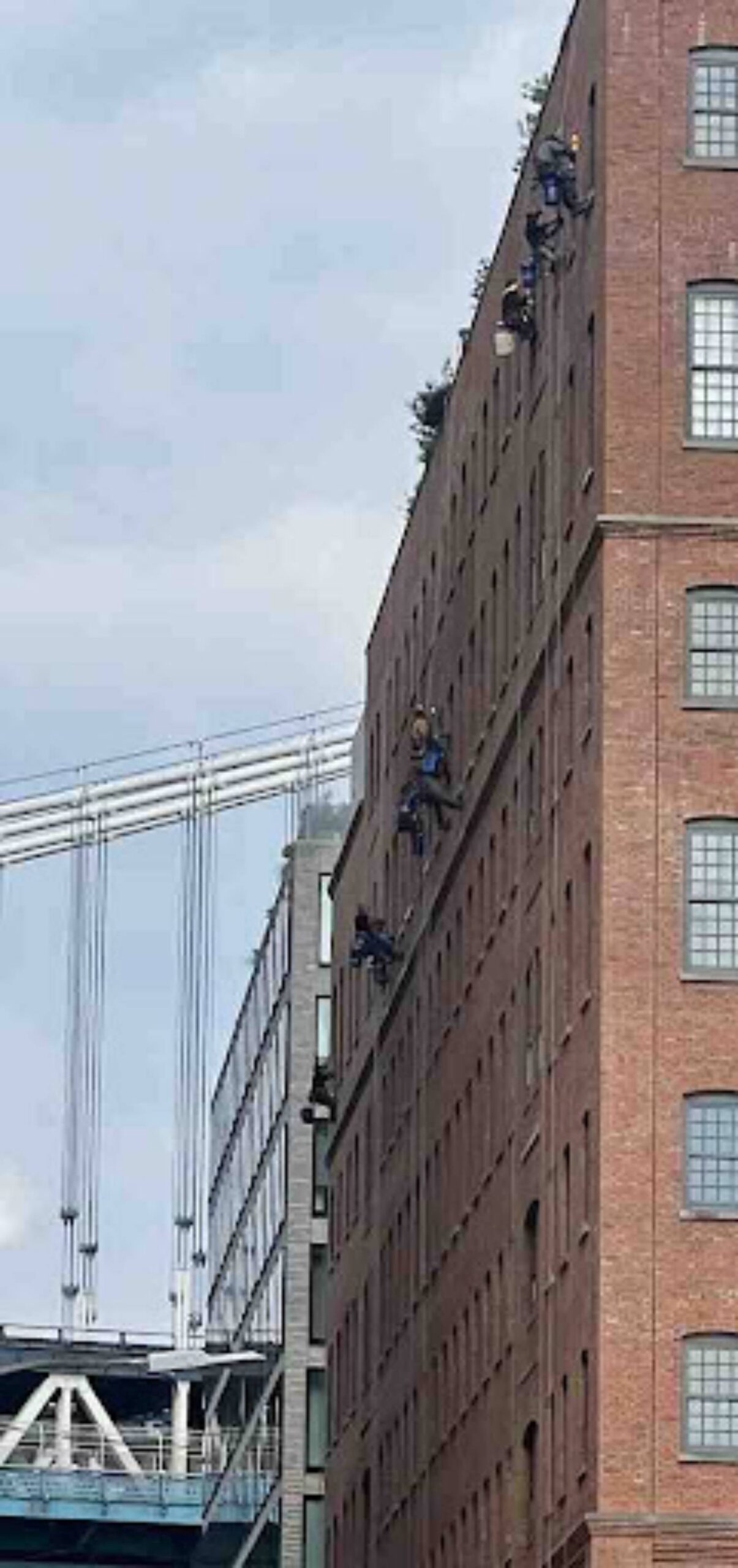
Unlike typical residential projects, commercial exterior maintenance often involves larger scales, stricter regulations, and a greater impact on public perception. Window restoration on these buildings contributes significantly to preserving architectural heritage, enhancing property value, and ensuring structural integrity. For instance, landmarks and heritage buildings in New York City rely on specialized techniques to maintain their original character, a task where window restoration plays a central role. The choice to restore also aligns with modern sustainability goals, reducing waste and conserving resources.
Cost-Effective Commercial Exterior Maintenance: Restore vs. Replace
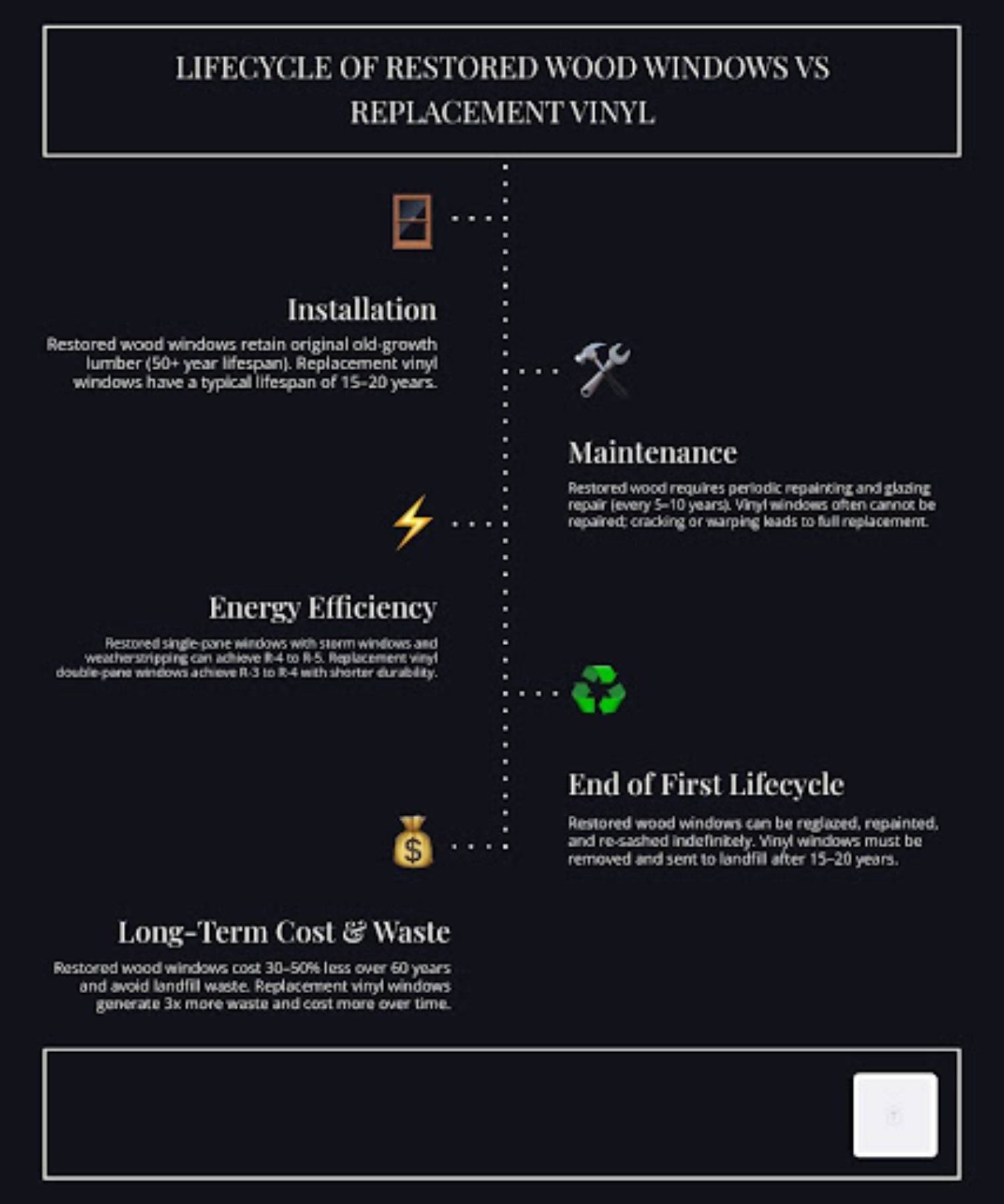
The debate between restoring and replacing windows is often framed by cost, but a deeper look reveals that restoration frequently offers superior long-term value, especially for commercial entities. While the upfront cost of restoration might seem comparable to or even higher than some replacement options, the environmental and economic benefits are substantial.
From an environmental perspective, window restoration is a champion of sustainability. It significantly reduces landfill waste, as original windows, even those in disrepair, are kept out of the waste stream. Furthermore, it conserves the “embodied energy” – the total energy consumed for the production, transport, and disposal of a product – that went into manufacturing the original windows. Historic windows are often crafted from old-growth wood, a material renowned for its dense grain and durability, qualities rarely found in modern, fast-growth lumber. This inherent strength means restored windows can easily outlast contemporary replacements, which are often designed with a finite lifespan, such as double-pane glass units that typically fail within 10-20 years.
The financial implications are also compelling. While professional restoration can range from $1,000 to $2,000 per window, DIY approaches can bring material costs down to less than $50 per window. This contrasts sharply with the cost of new commercial-grade replacement windows, which can easily climb into the tens of thousands of dollars for an entire building. The longevity of restored windows means avoiding the cyclical replacement costs associated with many modern units.
Here’s a simplified comparison:
Feature/Cost Aspect Window Restoration (Professional) Window Restoration (DIY Materials) Window Replacement (Commercial Grade) Initial Cost $1,000 – $2,000 per window < $50 per window $10,000+ for an entire building Lifespan Decades, potentially indefinite Decades, potentially indefinite 10-20 years (double-pane seals) Environmental Impact Low (reduces landfill waste, conserves embodied energy) Low (reduces landfill waste, conserves embodied energy) High (manufacturing, transport, disposal) Material Quality Utilizes durable old-growth wood Utilizes durable old-growth wood Often fast-growth wood or vinyl/aluminum with limited lifespan Historical Integrity Preserves original character Preserves original character Often compromises original aesthetics Energy Efficiency Can exceed 2012 energy codes with weatherstripping & storms Can exceed 2012 energy codes with weatherstripping & storms Varies, but often overhyped without considering embodied energy Safety and Lead Mitigation in Commercial Exterior Maintenance
Working on older commercial buildings, especially those constructed before 1978, almost guarantees the presence of lead paint. This presents significant health hazards that require stringent safety protocols during any window restoration project. For commercial properties, adherence to Environmental Protection Agency (EPA) Renovation, Repair, and Painting (RRP) guidelines is not just a recommendation but a legal requirement for certified firms.
My approach to lead mitigation is always comprehensive, prioritizing the safety of workers, building occupants, and the environment. This begins with thorough testing for lead paint, or, if testing is not feasible, assuming its presence and proceeding with maximum caution.
Key safety precautions include:
- Personal Protective Equipment (PPE): Workers must wear appropriate PPE, including P100 respirators, which filter out 99.97% of airborne particles, safety glasses or goggles, and disposable coveralls. Immediate showering after work is also crucial to prevent lead dust from spreading.
- Containment Zones: Establishing robust containment zones is essential. For outdoor work, this involves laying down 6-mil plastic sheeting that extends several feet from the work area, secured to prevent dust migration. Indoors, similar plastic sheeting is used, often combined with “zip walls” – temporary barriers with zippered entries – to isolate the work area. HVAC systems should be turned off, and vents taped over to prevent lead dust circulation.
- Low-Dust Techniques: Employing methods that minimize dust generation is critical. This includes wet scraping, where surfaces are misted with water before scraping, and using tools equipped with HEPA-filtered vacuums for dust collection. Low-heat infrared paint removers (operating below 1,000°F) are preferred over high-heat methods, which can vaporize lead and pose fire risks. Chemical strippers can also be used, though proper ventilation is key.
- HEPA Filtration: All vacuums used for cleanup must be HEPA-filtered to effectively capture microscopic lead particles. Regular cleaning of the work area and surrounding spaces with a HEPA vacuum and a lead-specific cleaning solution (like TSP or a commercial lead cleaner) is mandatory.
- Waste Disposal: All lead-contaminated debris, plastic sheeting, and PPE must be carefully collected, sealed in heavy-duty bags, and disposed of according to local and federal hazardous waste regulations.
By meticulously following these protocols, I ensure that commercial window restoration projects are not only successful but also conducted with the highest regard for health and safety.
Step-by-Step Commercial Window Sash Restoration
The restoration of a commercial window sash is a detailed process that, when executed correctly, breathes new life into aging windows. It’s a methodical journey from careful disassembly to meticulous reassembly, focusing on preserving the original material while enhancing functionality.
The process typically begins with the careful removal of the window sashes from their frames. This involves scoring any paint seals between the window stops and the jamb, then gently prying off the stops. Next, the bottom sash is removed, detaching its sash cords from the weights. The parting bead, a thin strip of wood separating the upper and lower sashes, is then carefully removed, often requiring a specialized tool or gentle chiseling. Finally, the top sash is freed from its cords and carefully extracted. Each component is labeled to ensure correct reinstallation.
Once the sashes are removed, the real work of restoration begins.
Wood Repair and Glazing Techniques
The integrity of the sash’s wood is fundamental to its longevity. Often, historic sashes exhibit areas of rot or severe damage. My preferred method for addressing this involves a two-part structural epoxy system, such as Abatron’s LiquidWood and WoodEpox. LiquidWood is a consolidant that penetrates and hardens deteriorated wood fibers, while WoodEpox is a filler that can be molded and shaped to replace missing sections, effectively rebuilding the sash’s structure. After curing for approximately 24 hours, the epoxy can be sanded, carved, and painted just like wood.
Next comes the critical process of deglazing and reglazing. Old, brittle glazing putty is carefully removed. For stubborn putty, a steam box can be used to soften the material, making it easier to scrape away. Alternatively, a low-heat infrared paint remover like the Speedheater Cobra can also soften both paint and putty, though extreme caution is necessary when dealing with lead paint. Once the old putty and glazing points are removed, the glass can be carefully extracted. On larger projects, it’s realistic to expect a small percentage of glass breakage, perhaps around 20%, especially with historic wavy glass.
Before reinstalling the glass, the sash is scraped bare of old paint using specialized tools like Bahco scrapers with carbide blades, ensuring a clean surface for new finishes. Any exposed wood is then primed with an oil-based primer to seal it and provide a good adhesion surface for the new glazing.
For reglazing, I rely on high-quality glazing putty, such as Sarco Type M. This linseed oil-based putty is kneaded to a workable consistency, and a thin bed of putty is applied to the sash rabbet. The glass is then carefully pressed into this bed, ensuring a tight seal. Glazing points are inserted to hold the glass securely in place. Finally, a finishing bead of putty is applied, carefully beveled at a 45-degree angle to shed water effectively, working from top to sides to bottom. It’s crucial to allow the putty to cure for at least two weeks before painting, ensuring its durability.
For commercial properties seeking enhanced energy performance without sacrificing historical aesthetics, integrating modern low-E glass into historic sashes is an option. While challenging, this can be achieved by carefully modifying the rabbet to accommodate the slightly thicker glass, ensuring the new glazing system maintains the sash’s structural integrity and appearance.
Advanced Weatherization and Hardware Restoration
Optimizing the performance of restored windows goes beyond structural repairs; it involves enhancing their energy efficiency and restoring their original hardware. These steps are crucial for commercial properties aiming for both historical accuracy and modern operational standards.
Improving Energy Efficiency: One of the most common misconceptions about old windows is that they are inherently energy inefficient. However, with proper weatherization, restored historic windows can achieve thermal performance comparable to, or even exceeding, new double-pane replacements, especially when combined with storm windows. A study by the Window Preservation Standards Collaborative conclusively showed that weatherstripped historic windows with storms can easily surpass modern energy code requirements.
My approach to advanced weatherization involves several key components:
- Spring Bronze Weatherstripping: This flexible metal strip is installed along the sash runs and meeting rails, creating a tight seal that significantly reduces air infiltration.
- Silicone Bulb Seals: These are often used in conjunction with spring bronze or on their own, particularly in areas requiring a compressible seal, such as the bottom of the lower sash or the top of the upper sash.
- Draft Reduction: By strategically applying these materials, drafts can be reduced by nearly 90%, dramatically improving the building’s interior comfort and lowering heating and cooling costs.
- Storm Windows: The addition of well-fitted storm windows acts as a secondary glazing system, creating an insulating air pocket that further enhances thermal performance. For commercial properties, custom wood combination storm windows, often made from durable, rot-resistant materials like Accoya wood, offer an authentic exterior appearance while allowing for convenient interior panel switching between glass and screens. Accoya wood, with its remarkable 50-year warranty against rot, is an excellent choice for its dimensional stability and sustainability.
Restoring Window Hardware: Original window hardware—whether brass, iron, or steel—contributes significantly to a window’s aesthetic and functional integrity. Over decades, hardware can become caked with layers of paint, corroded, or damaged.
Restoration typically involves:
- Paint Removal: A highly effective, low-impact method for removing old paint from metal hardware is the “crockpot boiling method.” Soaking hardware in a slow cooker with water and a mild detergent for several hours softens the paint, allowing it to be easily brushed off. This avoids harsh chemicals or abrasive techniques that could damage delicate components.
- Cleaning and Polishing: After paint removal, hardware is thoroughly cleaned, and any corrosion is addressed. Brass can be polished to restore its original luster, while iron or steel components may require rust removal and a protective coating.
- Repair and Replacement: Damaged or missing hardware components are repaired or, if necessary, replaced with historically accurate reproductions. This includes sash lifts, locks, pulls, and weights.
- Sash Cords: The sash cords, crucial for the smooth operation of double-hung windows, are inspected and replaced with high-quality, durable cotton sash cord. Unlike synthetic ropes, which can degrade quickly in sunlight, traditional cotton cords are designed to last 60+ years. The correct weight-to-sash balance is re-established, ensuring windows operate effortlessly.
By focusing on both advanced weatherization and meticulous hardware restoration, I ensure that every restored window not only looks historically accurate but also performs optimally, contributing to the overall efficiency and comfort of the commercial property.
Reassembling a Restored Window
After the individual components of a window sash have been meticulously restored—wood repaired, glass reglazed, paint stripped, and hardware cleaned—the reassembly process is crucial for ensuring smooth operation and a lasting finish. This stage requires precision and adherence to traditional practices.
- Installing the Top Sash: The first step is to reinstall the upper sash. This is carefully guided into the upper channels of the window frame. The newly replaced sash cords, already threaded through the pulleys and attached to their respective weights, are then secured to the sides of the sash. The knot is typically placed in a mortise (a small groove) on the sash’s edge and secured with a short screw, ensuring it doesn’t pull out during operation. The sash should move freely up and down, counterbalanced by its weights.
- Setting the Parting Bead: Once the top sash is in place, the parting bead is reinstalled. This thin strip of wood fits into a groove in the window jamb and separates the upper and lower sashes. It’s carefully tapped into place, ensuring it holds the top sash securely while still allowing it to slide smoothly. Small finishing nails are used to secure the parting bead, countersunk for a clean finish.
- Installing the Bottom Sash: Next, the lower sash is installed in the front channels of the window frame. Similar to the top sash, its cords are attached to the weights and then secured to the sash in their respective mortises. The bottom sash should also operate with ease, balanced by its weights.
- Installing the Interior Stops: Finally, the interior window stops are reinstalled. These strips of wood hold the lower sash in place and are typically screwed into the jamb, allowing for easy removal if future maintenance is required. It’s important to ensure these stops are positioned correctly to prevent the sashes from rattling and to maintain a snug fit without binding.
Painting and Curing: After reassembly, the newly restored sashes are ready for painting. I recommend applying two coats of a high-quality, durable enamel paint, such as Sherwin-Williams Porch & Floor enamel, for its resilience against wear and weather. However, a critical best practice, rooted in over 200 years of window craftsmanship, is to never paint the sides, top, or bottom edges of the window sashes. Leaving these areas as bare wood allows the wood to breathe, expel moisture, and prevents the sashes from sticking to the jamb, especially with latex paints. This ensures smooth operation for decades.
It’s also vital to allow sufficient curing time. While paint may feel dry to the touch within hours, water-based and oil-based paints can take up to 30 days to fully cure. During this period, the paint is more vulnerable to damage, so it’s best to handle the windows gently and avoid aggressive cleaning. Similarly, glazing putty needs about two weeks to cure before it’s ready for painting. Properly painted putty can last 20-30 years before needing replenishment.
Advantages of Specialized Products in Window Restoration
In the realm of window restoration, the choice of materials can significantly impact the longevity, performance, and authenticity of the finished product. Two products frequently lauded by professionals are Abatron epoxy and Sarco putty. Understanding their specific advantages is key to achieving superior results in commercial exterior maintenance.
Abatron Epoxy System (LiquidWood & WoodEpox): When dealing with damaged or rotten wood in window sashes and frames, the Abatron epoxy system is a game-changer.
- Structural Repair: Unlike simple wood fillers, LiquidWood and WoodEpox are engineered for structural repair. LiquidWood is a consolidant that deeply penetrates deteriorated wood, hardening and strengthening the fibers from within. This creates a stable base for WoodEpox, a moldable, high-strength filler that can rebuild missing sections of wood.
- Durability: Once cured, the Abatron system is stronger than the original wood, resistant to rot, moisture, and insects. This ensures that repaired sections will not only blend seamlessly but also withstand the elements for decades, a crucial factor for the long-term integrity of commercial properties.
- Workability: After curing (typically around 24 hours), the epoxy can be sanded, carved, drilled, and painted, allowing for precise replication of original profiles and details. This flexibility is invaluable for maintaining historical accuracy.
Sarco Putty (e.g., Sarco Type M): For reglazing windows, Sarco putty stands out as a premium choice, particularly Sarco Type M.
- Traditional Composition: Sarco putties are linseed oil-based, mirroring the composition of traditional glazing compounds used for centuries. This ensures compatibility with historic wood and glass, preventing issues that can arise with modern, synthetic alternatives.
- Flexibility and Adhesion: Sarco putty remains flexible for an extended period, accommodating the natural movement of wood and glass without cracking. It adheres exceptionally well to both surfaces, creating a durable, watertight seal that protects the sash from moisture infiltration.
- Longevity: When properly applied and painted, Sarco putty can last 20-30 years, significantly reducing the frequency of maintenance cycles. Its consistent quality and performance make it a trusted product for preserving the integrity of commercial windows.
- Ease of Use: While it requires proper kneading and application technique, Sarco putty is known for its smooth consistency, making it easier for skilled restorers to achieve clean, sharp lines and a professional finish.
By integrating products like Abatron epoxy and Sarco putty, I ensure that commercial window restoration projects not only address immediate damage but also build in resilience and longevity, providing a superior solution for exterior building maintenance.
Addressing Cracked Panes and Modern Glass in Historic Windows
One of the common challenges in window restoration involves dealing with damaged glass or the desire to upgrade to more modern, energy-efficient glazing. For commercial properties, these decisions often balance historical authenticity with contemporary performance needs.
Cracked Panes: When a historic window has a cracked pane, the primary goal is often to preserve as much of the original character as possible.
- Salvaged Historic Glass: For smaller, individual panes, I often seek out salvaged historic glass from architectural salvage yards. This glass, with its unique imperfections and “wavy” quality, helps maintain the period-appropriate aesthetic.
- New Glass Matching: If salvaged glass isn’t available or practical, new single-pane glass can be cut to size. While it won’t have the exact wavy quality, careful selection can minimize the visual discrepancy.
- On-Site vs. Shop Repair: Smaller panes can often be replaced on-site, minimizing disruption. Larger or unusually shaped panes, or those requiring special care, are typically removed and repaired in a dedicated shop environment.
Integrating Modern Glass: The desire for improved thermal performance often leads property owners to inquire about integrating modern glass, such as low-E (low-emissivity) glass, into historic sashes. This is a more complex undertaking but can be achieved:
- Single-Pane Low-E: The simplest approach is to use single-pane low-E glass. This maintains the original sash profile while offering improved insulation properties. The existing rabbet (the groove that holds the glass) may need slight modification to accommodate the glass thickness, but this can often be done without compromising the sash’s integrity.
- Insulated Glass Units (IGUs) in Historic Sashes: For more significant thermal upgrades, some restorers can carefully modify historic sashes to accept slim-profile insulated glass units. This requires meticulous work to deepen the rabbet without weakening the sash. While this approach can significantly boost energy efficiency, it’s a departure from the original single-pane design and should be weighed against the desire for historical accuracy. It’s crucial to select IGUs with a narrow air gap to minimize visual impact and maintain the sash’s proportions.
- Prioritizing Storm Windows: Often, the most effective and historically sympathetic way to improve the energy efficiency of historic windows is through the addition of high-quality storm windows. These create an insulating air pocket and protect the primary window, achieving double-glazing performance without altering the original sash. This approach is often more cost-effective and preserves the original window’s integrity completely.
The decision to integrate modern glass should always be made in consultation with preservation specialists, ensuring that any modifications enhance performance without detracting from the commercial property’s historic value.
Environmental Considerations of Window Restoration Versus Replacement
The environmental impact of building materials and construction practices is a growing concern, and for commercial properties, the choice between window restoration and replacement carries significant ecological weight. From my perspective, restoration is overwhelmingly the more environmentally responsible option.
Reduced Landfill Waste: Every year, millions of windows are removed from buildings and sent to landfills. Modern replacement windows, particularly those made from vinyl or aluminum, are often difficult to recycle and contribute significantly to waste streams. By restoring original windows, we directly divert this material from landfills. Historic wood windows, even those severely deteriorated, are composed of natural materials that can be repaired and reused, rather than discarded.
Conservation of Embodied Energy: Manufacturing new windows, regardless of material, requires substantial energy for extraction, processing, transportation, and assembly. This “embodied energy” represents a significant carbon footprint. When an original window is replaced, all the embodied energy of that window is essentially wasted. Restoration, conversely, conserves this energy. The energy required for restoration—stripping paint, repairing wood, reglazing—is a fraction of that needed to produce and install a new window.
Sustainable Materials: Historic windows are often made from old-growth wood, a dense, durable, and naturally rot-resistant material that is no longer readily available. This valuable resource should be preserved. Replacing these windows with new ones often means using fast-growth lumber, vinyl (a petroleum-based product), or aluminum (an energy-intensive material), all of which have greater environmental costs associated with their production and disposal.
Long-Term Durability: Restored windows, particularly those made of old-growth wood, are designed to last indefinitely with proper maintenance. This contrasts sharply with many modern replacement windows, especially insulated glass units, which have a finite lifespan of 10-20 years before their seals fail and they need to be replaced again. The cyclical nature of replacement windows creates a continuous demand for new materials and energy, exacerbating environmental problems.
Improved Indoor Air Quality: Restoration typically involves using traditional, often less toxic, materials like linseed oil-based putty and oil-based primers, compared to some modern window components that might off-gas volatile organic compounds (VOCs).
By choosing window restoration, commercial property owners contribute to a circular economy, prioritize resource conservation, and significantly reduce their building’s environmental footprint. It’s a choice that reflects a commitment to sustainability and responsible stewardship.
Improving the Energy Efficiency of Restored Historic Windows
A common argument for replacing historic windows is the perceived gain in energy efficiency. However, this often overlooks the significant improvements that can be achieved through thoughtful restoration and strategic upgrades. My experience shows that restored historic windows can be made highly energy-efficient, often outperforming many standard replacement options, especially when their overall lifespan and embodied energy are considered.
Here are the key strategies I employ to enhance the energy efficiency of restored historic windows:
- Comprehensive Weatherstripping: This is perhaps the most impactful step. Air leakage is the primary cause of energy loss in old windows, not necessarily the single pane of glass itself.
- Spring Bronze Weatherstripping: I install high-quality spring bronze along the sash runs and meeting rails. This flexible, durable material creates a tight seal that significantly reduces drafts and air infiltration.
- Bulb Seals: Silicone bulb seals are often integrated at the top of the upper sash and the bottom of the lower sash to further minimize air gaps.
- Independent Testing: A study by the Window Preservation Standards Collaborative showed conclusively that weatherstripped historic windows with storms can easily exceed the 2012 energy code requirements. This means draft reduction can be as high as 90%, leading to substantial savings on heating and cooling costs.
- Proper Glazing and Bedding: A tight, well-maintained glazing system is crucial.
- Reglazing with Quality Putty: Using a high-quality, flexible glazing putty like Sarco Type M ensures the glass is securely sealed to the wood sash, preventing air and moisture infiltration around the pane.
- Bedding the Glass: Properly bedding the glass in a thin layer of putty before setting it and applying the outer bead creates an airtight seal between the glass and the sash.
- Installation of Storm Windows: This is often the “secret weapon” for energy efficiency in historic windows.
- Double-Glazing Effect: A well-fitted storm window creates an insulating air pocket between itself and the primary window, effectively mimicking a double-pane system. This significantly reduces heat transfer.
- Protection for Primary Window: Storm windows also protect the primary window from harsh weather, extending its lifespan and reducing maintenance needs.
- Types of Storm Windows: Options range from traditional wood storm windows (which can be made from durable, rot-resistant Accoya wood for commercial applications) to interior or exterior aluminum storms. Wood combination storm windows offer authenticity and functionality, with interchangeable glass and screen panels.
- Sash Cord Replacement and Operation: Ensuring sashes move freely and can be fully closed is important.
- New Sash Cords: Replacing old, broken, or painted-over sash cords allows windows to operate correctly, ensuring they can be fully closed and locked, which contributes to a tighter seal.
- Freeing Painted-Shut Windows: Windows painted shut are essentially permanently open to air infiltration. Freeing them to operate properly is a fundamental step in improving efficiency.
- Addressing Frame and Jamb Issues:
- Jamb Restoration: Repairing any cracks, gaps, or deteriorated wood in the window frame and jamb is essential to eliminate air leaks.
- Caulking and Sealing: Proper caulking around the exterior perimeter of the window frame where it meets the building facade further prevents air and moisture intrusion.
By implementing these strategies, I can transform historic windows from perceived energy drains into high-performing, sustainable assets for any commercial property, preserving their character while meeting modern efficiency demands.
Frequently Asked Questions About Building Facade Care
Building facade care for commercial properties often brings up specific questions, particularly concerning the longevity, cost, and historical integrity of window systems. Here are some frequently asked questions I encounter regarding window restoration within commercial exterior maintenance.
Why is restoring historic windows better than replacing them for commercial properties?
Restoring historic windows offers several compelling advantages over replacement for commercial properties:
- Preservation of Architectural Integrity: Original windows are integral to a building’s unique character and historical value. Replacement windows, even custom-made ones, rarely replicate the exact profiles, glass quality, and craftsmanship of the originals, diminishing the property’s aesthetic and historical authenticity.
- Old-Growth Wood Longevity: Historic windows are often constructed from dense, old-growth wood, which is naturally more durable and rot-resistant than most modern timber. With proper restoration, these windows can last indefinitely, far outliving the typical 10-20 year lifespan of many contemporary insulated glass units.
- Cost Efficiency: While initial costs can vary, restoration often proves more cost-effective in the long run. It avoids the cyclical replacement costs associated with modern windows and preserves the investment in the original, high-quality materials.
- Environmental Sustainability: Restoration is a green choice. It significantly reduces landfill waste, conserves the embodied energy of the original materials, and avoids the environmental impact of manufacturing new windows. This aligns with corporate sustainability goals and can enhance a property’s green credentials.
- Enhanced Performance: With proper weatherstripping and storm windows, restored historic windows can achieve excellent energy efficiency, often meeting or exceeding modern energy codes, while maintaining their original charm. This makes them a smart addition to any comprehensive exterior building maintenance checklist.
How do you safely handle lead paint during commercial window restoration?
Safety is paramount when dealing with lead paint, which is highly probable in commercial buildings constructed before 1978. My approach strictly adheres to EPA Renovation, Repair, and Painting (RRP) guidelines:
- Certification: All personnel involved are EPA RRP certified.
- Containment: The work area is meticulously sealed off using 6-mil plastic sheeting, creating containment zones. For indoor work, “zip walls” are often employed, and HVAC systems are turned off and sealed.
- Protective Gear: Workers wear full personal protective equipment (PPE), including P100 respirators, disposable coveralls, gloves, and eye protection.
- Low-Dust Techniques: I prioritize methods that minimize lead dust generation, such as wet scraping (misting surfaces with water before scraping), using chemical strippers, or low-heat infrared paint removers (below 1,000°F). High-heat methods are avoided due to the risk of vaporizing lead.
- HEPA Filtration: All vacuuming is performed with HEPA-filtered vacuums to capture microscopic lead particles. Surfaces are then wet-wiped and cleaned with lead-specific cleaning solutions.
- Waste Disposal: All lead-contaminated waste is carefully packaged and disposed of as hazardous waste according to local regulations.
These rigorous safety protocols ensure that lead paint is managed responsibly, protecting both workers and building occupants.
Can restored single-pane windows meet modern energy efficiency standards?
Absolutely. While single-pane glass alone is not as insulating as modern double-pane units, the energy performance of a window system is primarily determined by air leakage and the presence of a secondary glazing layer. Restored historic windows, when properly upgraded, can indeed meet or exceed modern energy efficiency standards:
- Weatherstripping: The most significant improvement comes from comprehensive weatherstripping. Installing high-quality spring bronze and silicone bulb seals dramatically reduces air infiltration, which is responsible for the majority of heat loss in old windows. This can cut drafts by nearly 90%.
- Storm Windows: The addition of well-fitted storm windows (exterior or interior) creates an insulating air pocket, effectively turning a single-pane window into a high-performing double-glazed system. This significantly reduces heat transfer and improves the overall U-factor of the window unit.
- Tight Glazing: Proper reglazing with flexible, durable putty ensures an airtight seal around the glass panes.
- Operational Sashes: Ensuring sashes move freely and can be fully closed and locked eliminates gaps that allow conditioned air to escape.
When these measures are implemented, a restored historic window system can achieve thermal performance comparable to, or even better than, many new replacement windows, especially considering the long-term durability and environmental benefits.
Conclusion
In the dynamic world of commercial exterior maintenance, the decision to restore rather than replace windows on historic properties is a testament to foresight, sustainability, and an appreciation for enduring craftsmanship. As I’ve outlined, window restoration is not merely about aesthetic preservation; it’s a comprehensive strategy that delivers tangible benefits, from significant cost savings over the long term to a reduced environmental footprint.
By understanding the intricate processes of sash removal, wood repair with advanced epoxies like Abatron, precise reglazing with materials such as Sarco putty, and meticulous hardware restoration, property managers and building owners can make informed decisions. Furthermore, implementing robust weatherization techniques and utilizing storm windows can elevate the energy efficiency of historic windows to meet, and even surpass, modern performance standards. Crucially, prioritizing safety through stringent lead paint mitigation protocols ensures that these projects are executed responsibly.
The long-term value of window restoration extends far beyond the immediate project, contributing to the structural integrity, historical authenticity, and operational efficiency of commercial buildings across New York and New Jersey. It’s an investment that honors the past while building a sustainable future.
Ready for a free quote? City High Rise Window Cleaning offers 24/7 live consultation. Call 917-749-8342 to speak to a live representative.