Key Takeaways
- Video analytics enhances real-time threat detection and response.
- Integration with AI and cloud computing improves surveillance efficiency.
- Privacy concerns and regulatory challenges accompany technological advancements.
Table of Contents
- Introduction
- Evolution of Video Surveillance
- Role of AI in Video Analytics
- Real-World Applications
- Privacy and Ethical Considerations
- Future Trends
- Conclusion
Video analytics is revolutionizing surveillance, turning passive recording systems into proactive security solutions. By using artificial intelligence and machine learning, organizations now identify threats and respond with unprecedented speed. This transformation has far-reaching implications for security, privacy, and operational efficiency; to learn more about the evolution of surveillance, explore in-depth solutions from industry innovators.
From law enforcement to retail, modern video analytics supports real-time monitoring, anomaly detection, and actionable insights. These tools help organizations anticipate danger, protect assets, and foster safer environments. Yet, they also bring significant ethical and privacy challenges that regulators and users must address as reliance on digital surveillance grows.
Introduction
Surveillance systems have played a crucial role in public safety, business operations, and infrastructure security for many decades. Historically, their chief function was to serve as a deterrent and as evidence repositories, with footage often only accessed after incidents occurred. The rapid adoption of video analytics technologies, however, has pushed these systems into the future, empowering them to serve as active tools for monitoring suspicious behaviors and enhancing real-time response capabilities.
Advancements in computing power, cloud storage, and data-driven insights drive the shift from traditional to analytics-powered surveillance. Organizations across every industry now leverage video analytics not just for security, but also for efficiency gains and improved incident management. According to a recent Forbes feature, cities and corporations are increasingly investing in AI-driven monitoring systems to address emerging security threats. These innovations are transforming the way we approach public safety and facility management.
Evolution of Video Surveillance
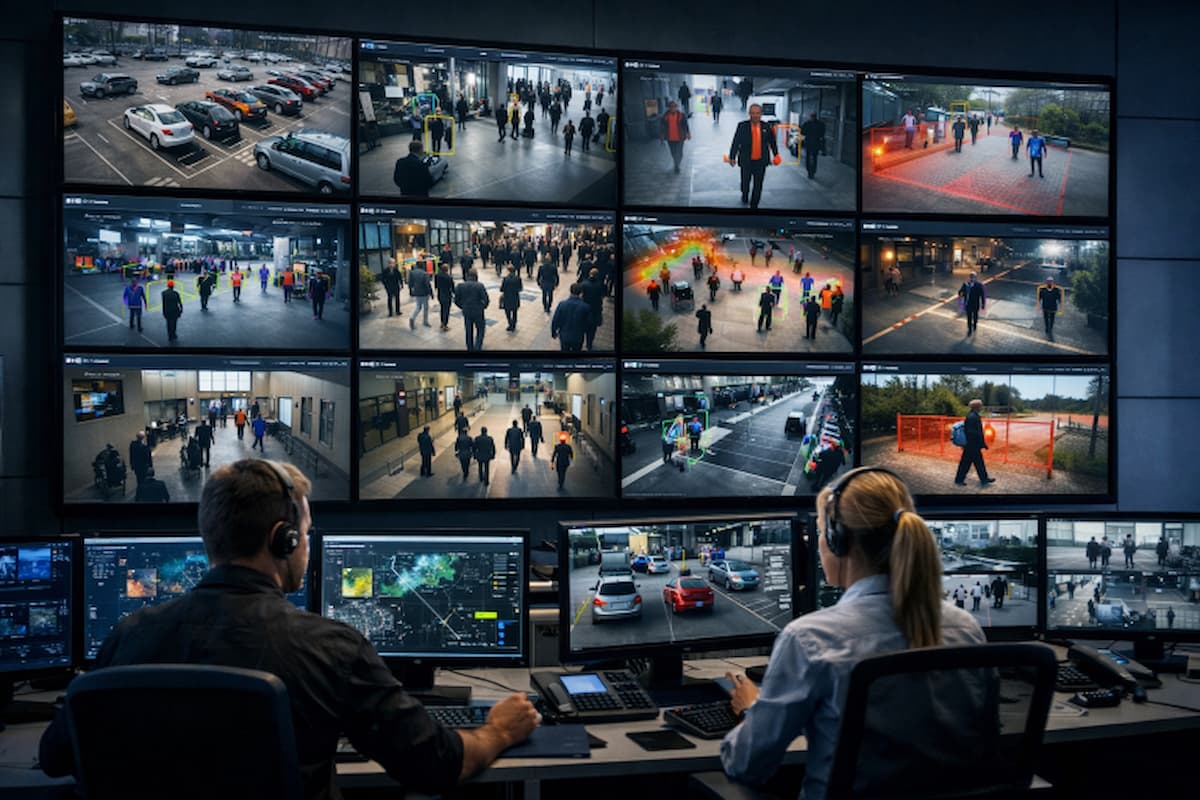
Initially, video surveillance systems recorded events for review after incidents occurred. Personnel had to watch hours of footage to uncover relevant details, making the process resource-intensive and reactive. Today, the integration of smart analytics transforms these cameras into intelligent observers. The systems analyze live feeds, alert operators to potential security breaches in real time, and shed light on complex scenarios that would have otherwise gone unnoticed. This evolution has been catalyzed by powerful edge computing processes and cloud networking, which enable scalable storage and rapid data retrieval.
One notable outcome is improved incident response times. Security teams using advanced video analytics can intervene immediately, often preventing escalation and mitigating losses. Additionally, these systems have been fine-tuned to reduce false alarms via sophisticated object detection, facial recognition, and activity mapping, all features enabled by advances in artificial intelligence.
Role of AI in Video Analytics
Artificial intelligence stands at the heart of modern video analytics. Complex algorithms process vast amounts of footage at speeds beyond the reach of human operators. AI can spot irregularities such as unattended bags, unauthorized access, and even detect faces and license plates amid crowds. The systems continue to improve as they are fed more data, evolving to reduce false alerts and better distinguish between benign and suspicious activities.
Machine learning further enhances capabilities, enabling predictive analytics that forecast potential incidents based on historical patterns and real-time data. These technologies allow organizations to focus human resources on genuine threats and automate mundane monitoring tasks. Reports from Forbes suggest that integrating AI and machine learning into surveillance not only boosts safety but also optimizes day-to-day operations in sectors from logistics to hospitality.
Real-World Applications
The reach of video analytics extends across diverse industries. Law enforcement agencies employ analytics-powered cameras for real-time crowd monitoring, license plate recognition, and situational awareness during public events. Retailers use analytics to study customer traffic patterns, optimize staffing levels, and reduce shoplifting. In transportation, airports and transit hubs leverage these tools to manage passenger flow, identify security incidents, and enhance the travel experience for millions daily.
Beyond these core sectors, educational institutions, hospitals, and hotels implement surveillance analytics for tailored use cases such as protecting restricted areas, ensuring compliance with safety protocols, and monitoring inventory. Each industry customizes solutions to address unique operational, regulatory, and safety needs.
Privacy and Ethical Considerations
Despite its benefits, video analytics introduces new challenges around privacy and ethics. Real-time monitoring and detailed behavior analysis raise concerns over intrusive surveillance and data misuse. Organizations deploying these technologies must ensure transparency in data collection, robust cybersecurity measures, and compliance with evolving privacy regulations, such as the General Data Protection Regulation (GDPR) in the European Union.
Clear policies regarding data retention, access, and sharing are essential to maintain public trust. Open conversations with stakeholders, combined with regular audits, help build a framework for responsible technology adoption. In this fast-evolving landscape, balancing the need for security with respect for individual privacy remains a top priority for technology providers and regulatory bodies alike.
Future Trends
The future of video analytics in surveillance is poised for significant growth. Cloud computing is fueling scalable solutions that make advanced analytics accessible to organizations of all sizes. Sophisticated AI models continue to emerge, promising more accurate predictions and automated responses to a range of incidents. The integration of video analytics with other IoT technologies will enable a holistic approach to physical security and facility management.
As regulations and industry standards develop in tandem with these technical advancements, we can expect new frameworks to shape how data is collected and used. Investments in education and workforce training will also play a pivotal role as organizations seek to harness the true potential of analytics-powered surveillance systems responsibly.
Conclusion
Video analytics has transformed traditional surveillance systems into highly responsive, intelligent tools for ensuring safety and operational efficiency. While the technology delivers more effective threat detection and incident response, it also poses complex challenges related to privacy and ethical implementation. With continued innovation, robust policies, and thoughtful use, video analytics will shape the next chapter of modern surveillance.