Key Takeaways
- Insuring a vehicle you do not own typically requires you to demonstrate an insurable interest.
- Common options include adding the policyholder to an existing policy, purchasing non-owner insurance, or co-titling the vehicle.
- State laws and insurance company requirements vary, so it is important to research local regulations and speak with your insurer.
Table of Contents
- Understanding Insurable Interest
- Options for Insuring a Non-Owned Vehicle
- State Laws and Regulations
- Potential Risks and Considerations
- Conclusion
Ensuring a car that is not registered in your name can feel confusing. Yet with careful planning, you can secure appropriate coverage for yourself or a vehicle you regularly use. Understanding how insuring a vehicle under a different name in Ontario works can help you avoid common pitfalls and legal issues. Most insurance companies require that the policyholder either own the car or have a clear financial interest in it, so exploring all options is essential.
Whether you are borrowing a friend’s vehicle, helping out a family member, or looking after someone’s car long-term, you should understand what coverage options exist and the steps you need to take. Learning about the importance of insurable interest and how various states handle non-owner insurance can save you time, money, and potential legal headaches. Key considerations include demonstrating why you need coverage, selecting the best insurance solution, and ensuring compliance with your jurisdiction’s rules. Insurance policies are detailed contracts, so be sure to provide complete, accurate information. Errors or omissions during the application process can lead to denied claims, canceled policies, or even fraud allegations. Consulting insurance experts and checking with government agencies or legal advisors can help you make the right decision for your circumstances. If you reside in or near Alabama, tailored non-owner car insurance policies offer solutions for many different car ownership scenarios, including those involving non-owners. Always review your options locally for the best fit.
Understanding Insurable Interest
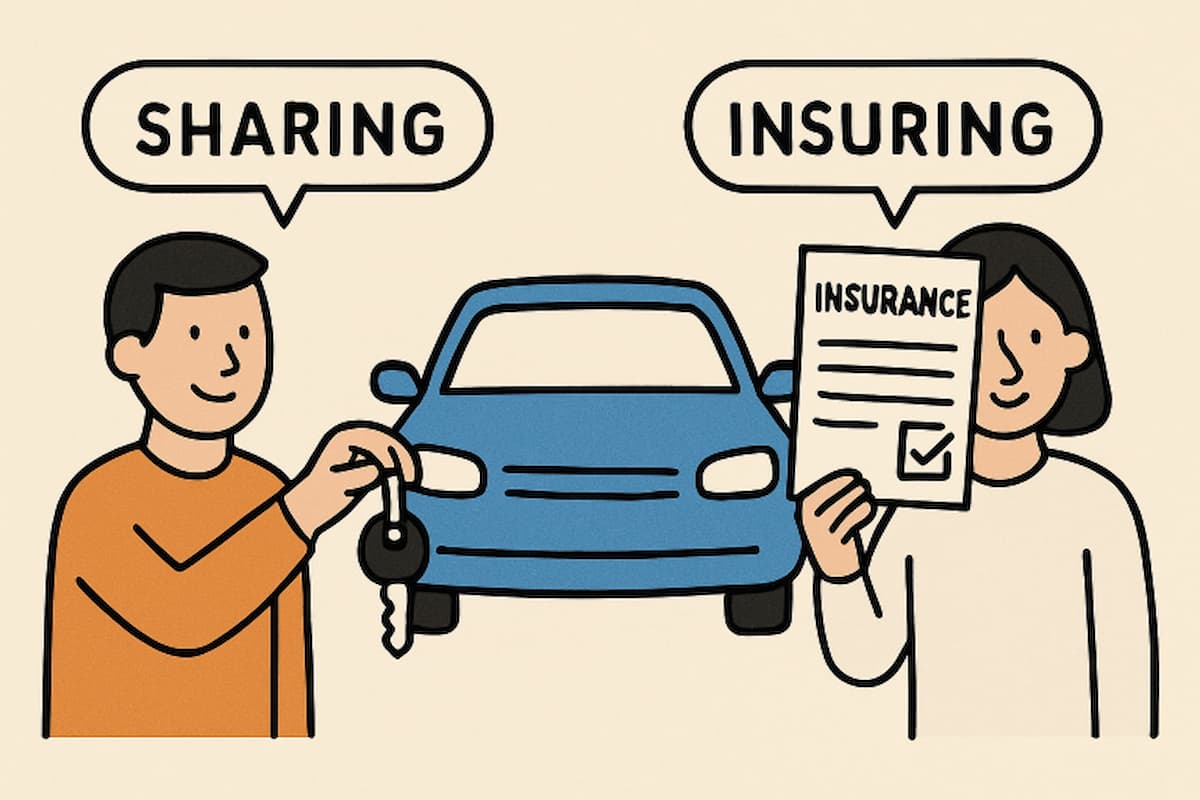
To insure a vehicle you don’t own, you must prove insurable interest — a financial stake if the vehicle is damaged or stolen. Insurers require this to prevent claims on vehicles with no real stake. It applies in cases like caring for a relative’s vehicle or business needs, but must be documented. Without it, insurers may deny or limit coverage, helping prevent fraud. Be ready to explain your relationship to the vehicle and why coverage is needed, especially if you’re not the owner.
Options for Insuring a Non-Owned Vehicle
There are several ways to get insurance if you frequently drive a car you do not own. The most appropriate choice depends on your relationship to the owner and how often you use the car.
1. Being Added to the Owner’s Policy
If you use someone else’s vehicle consistently, having your name added to their insurance policy is often the simplest solution. Many insurers allow policyholders to add family members, roommates, or long-term drivers. This ensures you have coverage under the policy’s terms, without having to purchase separate insurance. Always clarify with the insurer about what situations are covered. According to the Insurance Information Institute, most households can expand coverage in this manner, but some exclusions and limitations may apply depending on the relationship between the owner and the additional driver.
2. Non-Owner Car Insurance
If you do not own a vehicle but often rent or borrow cars, consider a non-owner car insurance policy. This provides liability coverage for damages or injuries you may cause to others while driving vehicles owned by others This is especially relevant for frequent travelers for instance, if you regularly book a car rental in Singapore by ComfortDelGro Rent-A-Car, a non-owner policy can help bridge coverage gaps between rental agreements and ensure you’re protected even when the rental company’s insurance is limited. However, non-owner policies typically do not cover physical damage to the car itself or to your personal property. They are ideal for individuals who drive sporadically or use car-sharing services, and can also help maintain continuous insurance coverage, which benefits your insurability in the future.
3. Co-Titling the Vehicle
Co-titling means adding your name to the car’s title, which establishes a legal financial interest in the vehicle. If the current owner agrees, both parties become legal co-owners. This arrangement enables you to obtain standard auto insurance in your name and may also facilitate the resolution of certain claims. However, co-titling can be complex. You may encounter fees, paperwork, or even state restrictions, so consult both the Department of Motor Vehicles and your insurance agent before proceeding.
State Laws and Regulations
Each U.S. state and Canadian province has unique vehicle registration and insurance rules. For example, New York requires the names on insurance and registration to match, complicating coverage for non-owners. Other areas may offer more flexibility, like allowing insurance for a family member at college. Check your DMV or equivalent agency for requirements and penalties for false info or insurance violations. Insurance policies may be stricter than laws, so verify with your agent and insurer. For accurate legal info, resources like Consumer Reports provide detailed guidance.
Potential Risks and Considerations
Securing car insurance for a vehicle you do not own requires thorough documentation and an understanding of the associated risks. Key issues include potential claim denials if insurers detect discrepancies in ownership or insurable interest, resulting in denied claims regardless of an accident. Additionally, providing false information can result in policy cancellation, leaving the individual accountable for damages and legal expenses. Furthermore, in certain jurisdictions, misrepresenting ownership can lead to legal repercussions, including fines or criminal charges for insurance fraud. To mitigate these risks, it is crucial to carefully review all information and seek advice from insurance professionals before obtaining coverage. It is also important to update the insurance policy to reflect any changes in vehicle usage, ownership, or driving status, ensuring ongoing protection.
Conclusion
While it is possible to insure a vehicle you do not legally own, the process is nuanced and governed by both legal and insurance company requirements. Establishing a valid insurable interest is the first vital step, and understanding your state or province’s regulations will inform the right insurance path for you. Whether you choose to be added to an existing policy, obtain non-owner insurance, or pursue co-titling, thorough research and clear communication with all parties involved are critical.
Staying informed about evolving rules and consulting professionals will help ensure that you, the car, and others on the road remain protected.