Hearing health plays a major role in your overall well-being, yet hearing loss often progresses so gradually that the signs are difficult to recognize. Many people are unaware of minor hearing difficulties until they start interfering with daily activities or relationships. Learning how to spot early indicators is the first step toward protecting your hearing and maintaining your quality of life.
Subtle changes, such as struggling to understand speech in crowded places, frequently asking others to repeat themselves, or turning the volume up higher than usual, may signal an underlying hearing concern. Because these shifts often develop gradually, they are easy to dismiss as simple distractions or background noise. However, paying close attention to these patterns can make a meaningful difference. Seeking guidance from a trusted audiologist Sudbury can help identify potential issues early through comprehensive evaluations and personalized recommendations. Early detection and appropriate intervention not only preserve communication abilities but also support cognitive function, emotional well-being, and overall quality of life.
With the right approach, early intervention can help prevent further deterioration and preserve meaningful, clear communication with those around you. Whether you notice these symptoms in yourself or someone you care about, recognizing warning signs and seeking professional assessment is always wise. Read on to discover five subtle yet important signs that your hearing may need immediate attention.
Difficulty Understanding Conversations in Noisy Environments
Many people with early-stage hearing loss first notice trouble following conversations in busy places such as restaurants, gatherings, or open offices. These environments are full of competing sounds, making it challenging to pick out speech from the surrounding noise. This is often a result of damage to the inner ear or auditory nerve, which can make it hard for your brain to separate foreground voices from background clatter. If you find yourself nodding along and missing words in these situations, it could be a subtle warning sign of developing hearing loss. According to experts, this phenomenon is one of the most common and earliest indications, especially for age-related or noise-induced hearing decline.
Frequently Asking Others to Repeat Themselves
It is easy to assume that others are mumbling, talking too quickly, or speaking too softly. However, if you find yourself often asking friends, colleagues, or family to repeat what they’ve said, it may be more than a coincidence. This common behavior can be frustrating for both you and those around you, and often leads to misunderstandings or missed information. Over time, this habit may contribute to feelings of isolation or embarrassment, underscoring the importance of addressing the underlying cause. Persistent repetition requests should prompt you to seek a professional hearing assessment.
Turning Up the Volume Higher Than Others Prefer
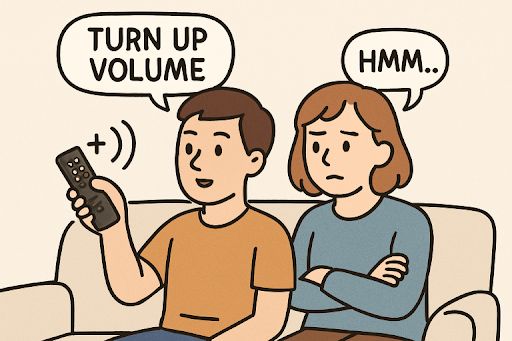
Sometimes, gradual hearing loss is masked by compensating behaviors, such as increasing the volume on TVs, radios, or streaming devices. Family members and housemates may comment that your preferred volume is too loud, even though it feels comfortable to you. This adjustment is often subconscious, causing people to turn up the sound to fill in for sounds they are no longer clearly hearing. While this may seem like a minor habit, consistently needing higher volume is a well-documented sign of possible hearing loss
Experiencing Ringing or Buzzing in the Ears (Tinnitus)
Persistent sounds in your ears, such as ringing, buzzing, or humming, are known as tinnitus. While it is a symptom with several potential causes, tinnitus frequently co-occurs with hearing loss, especially as you age. This noise can range from a mild background interference to a severely distracting sensation. Tinnitus is often most noticeable in quiet settings, such as when trying to fall asleep at night or during moments of rest. Modern hearing aids and certain sound therapies can help minimize the impact of tinnitus, making daily life more comfortable.
Feeling Fatigued After Conversations
Do you find yourself tired after socializing or participating in long conversations? This mental fatigue can occur when your brain must work overtime to fill in gaps in context or missed words in speech due to auditory challenges. You may feel mentally drained or even experience headaches after trying to keep up with group discussions or meetings. Over time, this fatigue not only affects your social enjoyment but can also impact concentration, memory, and overall cognitive health. If you feel unusually exhausted after interactions, your hearing may require a professional evaluation.
Why Early Action is Important
Spotting subtle changes in hearing and acting upon them early is crucial for maintaining health and quality of life. Untreated hearing loss can lead to social isolation, depression, and cognitive decline. Fortunately, there are effective solutions available, such as hearing aids and targeted therapies, that can help maintain clear hearing and engagement with loved ones. Research indicates that early intervention can significantly reduce the risk of dementia linked to untreated hearing loss. If signs of hearing loss are recognized, it is advisable to schedule a comprehensive evaluation with a qualified professional, as early intervention can improve quality of life and prevent complications.
Conclusion
Recognizing the early signs of hearing loss, whether it is difficulty in noisy settings, frequent requests for repetition, increased volume levels, tinnitus, or mental fatigue, can make a meaningful difference in long-term well-being. These subtle changes are often easy to dismiss, but addressing them promptly helps preserve communication, relationships, and cognitive health. Seeking professional evaluation at the first signs of concern allows for timely intervention and access to effective solutions. Taking action early not only protects your hearing but also supports a more active, confident, and connected life.