Key Takeaways
- Prioritize mobile-first design to engage users on any device.
- Utilize AI-powered personalization to tailor content and strengthen user relationships.
- Focus on fast loading times for better satisfaction and search ranking.
- Implement a consistent visual hierarchy to guide and influence user actions.
- Add interactive elements to keep users active and interested.
Table of Contents
- Mobile-First Design and Responsive Layouts
- AI-Powered Personalization and Data-Driven Design
- Speed Optimization as a Design Priority
- Establishing a Strong Visual Hierarchy
- Incorporating Interactive Elements
- Maintaining Consistency Across the Website
- Ensuring Accessibility for All Users
- Adopting Sustainable Design Practices
In today’s rapidly evolving digital environment, businesses must prioritize creating websites that not only look appealing but also function seamlessly. A website is often a customer’s first point of contact, and first impressions matter more than ever. Applying the latest web design principles helps organizations stay competitive, reach larger audiences, and convert more visitors into loyal customers. Whether you are optimizing for conversions or brand credibility, investing in digital strategy services can be a transformative step toward creating a powerful online presence.
Modern users expect intuitive navigation, speedy performance, and personalized content tailored to their preferences. The right design choices ensure a business remains relevant and memorable in a crowded market, while also supporting marketing goals and SEO. As the proportion of visitors on mobile devices continues to climb, prioritizing user experience across all platforms is more important than ever.
Successful web design is not just about aesthetics; it is foundational to delivering value, building trust, and supporting the sales funnel. Companies that treat design as a strategic asset often outperform their competitors in both reach and customer loyalty. Adhering to best practices also protects against avoidable usability barriers that could send users fleeing to competitors.
Incorporating thoughtful design considerations early helps businesses achieve higher engagement and retention rates, clearer brand messaging, and healthier bottom lines.
Mobile-First Design and Responsive Layouts
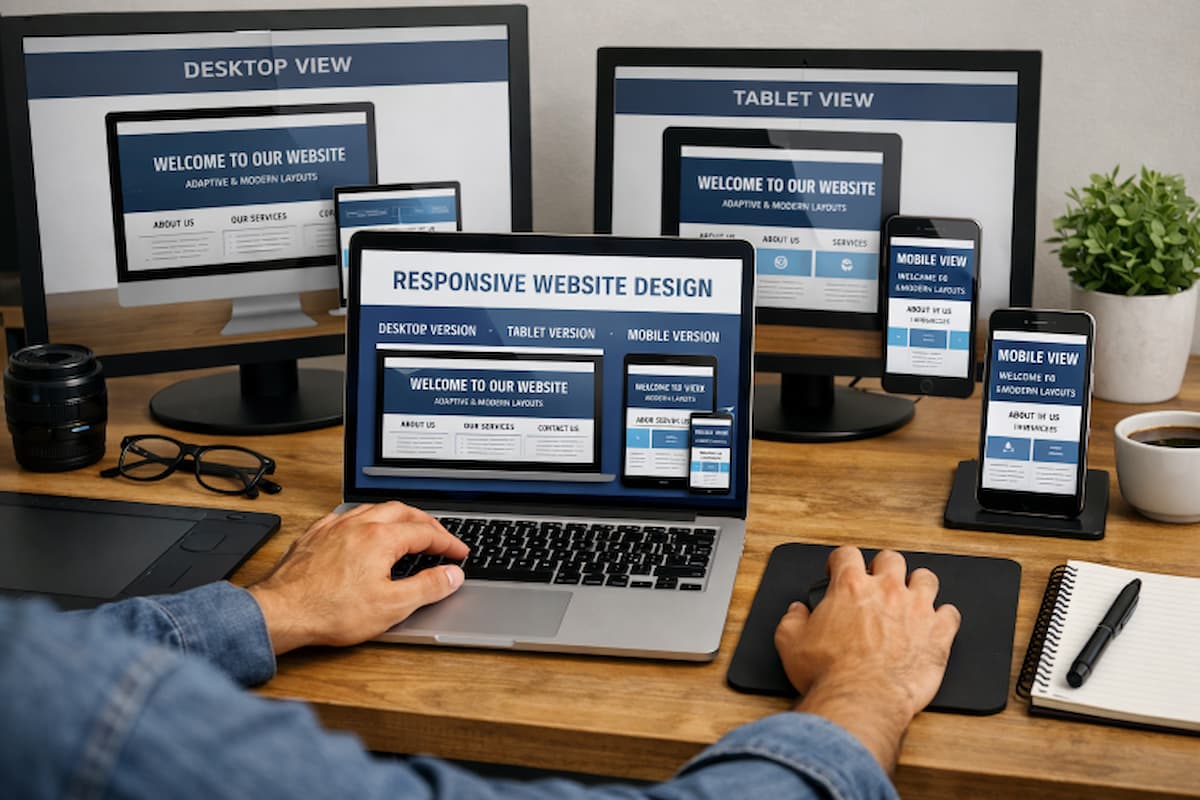
As consumer browsing habits shift, mobile devices are now responsible for over 60 percent of global web traffic. This makes a mobile-first design approach essential for any business website. By designing pages to fit, load, and function optimally on mobile screens, organizations ensure users have a positive experience regardless of device. Responsive layouts further guarantee seamless transitions between platforms, ensuring that the website’s look and functionality remain consistent.
Mobile optimization also directly influences a site’s performance in search results, as search engines like Google reward mobile-friendly pages with higher rankings. Leveraging touch interactions, user-friendly menus, and adaptive content layouts equips companies to meet customers where they are, boosting both engagement and accessibility.
AI-Powered Personalization and Data-Driven Design
Artificial intelligence is transforming web design by making it possible to deliver tailored user experiences based on real-time data. AI can dynamically alter content, layouts, and calls-to-action, ensuring every visitor encounters messaging that feels relevant. For example, AI can recommend products based on browsing history, adapt navigation menus to highlight preferred categories, or display relevant offers during the purchasing process.
Data-driven design extends beyond user interface changes, allowing brands to track visitor paths, pinpoint drop-off points, and identify high-converting features. These insights empower continuous improvement cycles and help marketers fine-tune strategies for even better results. As AI technologies evolve, web experiences will only grow more personalized and adaptive, deepening customer relationships and maximizing conversions.
Speed Optimization as a Design Priority
A fast-loading website is vital for keeping visitors engaged. Studies indicate that users are likely to abandon a site if it does not load within a few seconds. Businesses must prioritize speed by optimizing image sizes, reducing the number of scripts, and keeping code clean and efficient. Loading time is also a crucial ranking factor for SEO. High-performance sites ensure that both users and search engines have a positive impression.
Simple design choices, like avoiding excessive animations and compressing large files, can significantly boost performance. Investing in reliable hosting and using tools to monitor site speed helps prevent bottlenecks and ensures a consistently fast experience for every visitor. These optimizations can help retain traffic and increase user satisfaction.
Establishing a Strong Visual Hierarchy
Visual hierarchy organizes elements in a way that draws the eye to the most important parts of each page. Effective use of titles, fonts, colors, and spacing directs user attention, making navigation intuitive and helping users find critical information quickly. Good hierarchy involves giving headlines prominence, emphasizing calls-to-action, and structuring content into logical, easy-to-read sections.
Consistent use of design patterns cues users on what’s clickable and what to explore next. By reducing cognitive load and clarifying pathways, a strong visual hierarchy increases usability and conversion rates, allowing businesses to communicate their core messages with clarity.
Incorporating Interactive Elements
Interactive elements like buttons, hover effects, sliders, and animations can make a website more engaging. These features convert passive users into active participants, deepening their connection with the brand. Micro-interactions such as animated transitions, expandable sections, or interactive infographics make content easier to absorb and foster a sense of delight and modernity.
Balancing interactivity with usability is key; features should support the user’s goals and avoid unnecessary complexity. When used thoughtfully, interactive design can set a brand apart, improve site retention, and boost word-of-mouth referrals.
Maintaining Consistency Across the Website
Design consistency establishes credibility and trust throughout every touchpoint. Standardized typography, colors, button styles, and component placement signal professionalism and make navigation straightforward. Creating and adhering to a design system or style guide helps achieve brand cohesion across departments and updates, building a unified digital presence.
Consistent experiences reduce friction and confusion, especially on larger websites. Users who recognize familiar patterns and interfaces are more likely to stay, explore, and convert. This alignment is essential for maintaining brand equity and fostering lasting customer relationships.
Ensuring Accessibility for All Users
Accessible web design makes content available to users with a range of abilities and devices. This includes providing resizable text, ensuring high color contrast, and supporting keyboard and screen reader navigation. Legal frameworks and ethical considerations now place added importance on ensuring websites comply with accessibility standards. Making inclusive design a priority not only expands a site’s audience but also demonstrates social responsibility.
Adopting Sustainable Design Practices
Sustainability in web design refers to making sites that use fewer resources, such as bandwidth and server energy, by optimizing code, compressing images, and limiting data requests. Lean, efficient sites load faster, cost less to maintain, and have a smaller environmental footprint. Prioritizing sustainability benefits both business operations and the planet, aligning brands with growing consumer demand for responsible practices.
Modern businesses that follow these best practices can expect higher engagement, improved trust, and greater success in today’s competitive online environment.