Key Takeaways
- Outsourced IT support delivers specialized technical expertise for a fraction of the cost of hiring, training, and maintaining a full internal IT staff.
- This approach offers predictable budgeting, reduced business risk, and lower downtime from unplanned outages or cyber threats.
- Scalability and flexibility in IT operations enable companies to adjust quickly as their needs evolve or as external threats change.
- With routine IT headaches managed externally, internal teams can prioritize growth, innovation, and core operations.
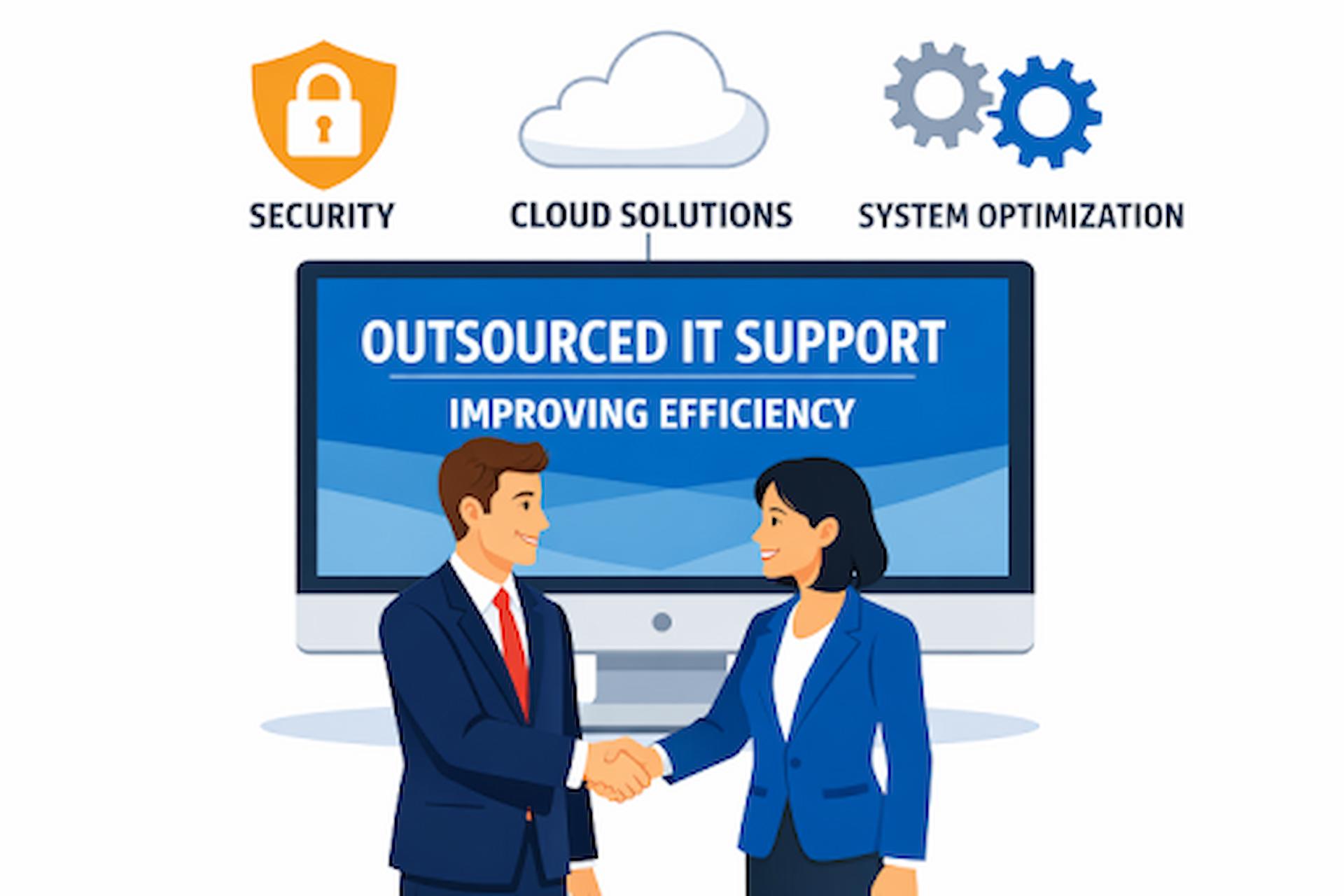
In today’s dynamic digital era, organizations must navigate rapidly changing technology landscapes while maintaining effective day-to-day operations. One solution gaining prominence is the outsourcing of IT functions. Rather than juggling technical tasks internally, companies increasingly rely on external experts to streamline processes, reduce costs, and support business goals. As companies in Texas and beyond realize, managing IT services in the Dallas area can be pivotal for keeping pace with the competition while offloading technical burdens from in-house teams.
By delegating complex IT support duties to skilled third-party providers, businesses can minimize disruptions and avoid common pitfalls associated with limited internal expertise. This strategic move unlocks specialized talent, bolsters cybersecurity, and allows team members to focus on what they do best, driving the business forward.
An established third-party provider keeps up with industry trends, adapting security protocols and systems to protect your business. Leveraging their services helps maintain compliance, improve efficiency, and deliver superior technology outcomes. For companies growing quickly or handling sensitive information, securing the right technology partner often directly affects business continuity and customer trust.
Besides the operational advantages, businesses benefit from enhanced network defense and support infrastructure tailored to specific needs. Partnering with an IT professional in the area ensures you navigate both digital transformation and cybersecurity challenges with expert guidance tailored to local market demands.
Access to Specialized Expertise
Technology evolves at an unprecedented pace. Outsourcing access to a broad pool of IT professionals with up-to-date certifications and in-depth knowledge. Small and medium-sized businesses, in particular, may lack the resources to recruit or train in-house staff for every new software upgrade, security threat, or industry requirement. Trusted outsourced providers bridge this gap, ensuring advanced solutions are implemented efficiently without lengthy training periods or trial-and-error. As noted in Harvard Business Review, leveraging external expertise is a smart way to offset skill shortages in today’s economy.
Cost Savings and Predictable Expenses
Maintaining on-premises IT departments means ongoing salaries, benefits, and unexpected expenses tied to equipment upgrades or emergency fixes. Outsourcing avoids these unpredictable costs by converting IT spending into manageable monthly service fees. This cost-control model enables greater financial planning and resource allocation across the business, especially valuable for fast-growing or budget-conscious organizations. Consistent expenses also mean less disruption to project budgets or long-term business planning.
Enhanced Cybersecurity Measures
Cyber attacks remain one of the greatest threats to business stability. Outsourced IT support providers offer strong, proactive defense mechanisms, including up-to-date firewalls, continuous monitoring, and regular system audits. Their ability to identify vulnerabilities and implement best practices reduces risks and improves compliance with evolving industry regulations. The CSO Online cybersecurity guide highlights the importance of professional oversight in defending organizational assets and customer data in today’s environment.
Improved Scalability and Flexibility
As organizations expand, merge, or adjust their business models, IT requirements change quickly. Outsourced providers can easily adjust the level of support provided, whether that means scaling services up for expansion, updating software across teams, or providing additional help during seasonal peaks. This flexibility is almost impossible to achieve with only in-house teams, allowing growing businesses to remain agile and opportunity-focused despite fluctuating operational requirements.
Reduced Downtime and Increased Productivity
System outages and technical issues directly affect productivity, customer satisfaction, and the bottom line. Because they monitor networks around the clock, outsourced IT support providers can anticipate or swiftly resolve potential problems. Routine maintenance and 24/7 troubleshooting minimize interruptions, helping employees maintain focus and get more done in less time. Fast responses also help companies avoid significant revenue losses associated with extended outages.
Focus on Core Business Functions
Outsourcing or delegating IT responsibilities allows business leaders and internal teams to concentrate on strategic priorities rather than being consumed by technical issues or emergency troubleshooting. With technology management in trusted hands, staff can dedicate more time to innovation, enhancing client services, refining processes, and launching new products. This shift not only improves operational efficiency but also strengthens customer experiences and market positioning. Over time, businesses gain a meaningful competitive edge, increased agility, and long-term resilience, enabling sustained growth and success in a rapidly evolving digital landscape.
Conclusion
Adopting outsourced IT support is a practical strategy for achieving business efficiency, safeguarding digital assets, and enhancing operational scalability. By aligning with external experts, organizations are better positioned to thrive in a complex technological landscape. Partnering with proven IT professionals ensures that technology serves as an accelerator, not a roadblock, on the path to long-term business success.