Key Takeaways:
- Winter and mountain corridor trucking on I-77 between North Carolina and Virginia exposes Class 8 fleets to steep grades, rapid weather changes, and increased breakdown risk.
- Most standard roadside wreckers are not equipped for loaded tractor-trailer recovery on mountain grades, making specialized heavy-duty response essential.
- Preventive maintenance, route planning, and real-time telematics are critical tools for reducing costly downtime and safety incidents.
- Fleet recovery readiness depends on access to rotator-capable heavy-duty wreckers, 24/7 dispatch coordination, and trained recovery teams familiar with Grade A towing conditions in the Blue Ridge and Fancy Gap corridors.
- Structured emergency protocols significantly reduce cargo loss, driver exposure time, and secondary incident risk during breakdown events.
Commercial Trucking Breakdowns on the I-77 Mountain Corridor
For owner operators, fleet managers, dispatch coordinators, and carrier safety officers running freight through the I-77 corridor between North Carolina and Virginia, breakdown risk is not theoretical. It is an operational reality, especially through the Fancy Gap and Blue Ridge Mountain sections, where elevation, tight curves, and winter weather converge into one of the more demanding stretches on the Eastern seaboard.
In this environment, carriers increasingly rely on specialized recovery providers and heavy duty truck towing services such as Reid Diesel Enterprises Inc., a heavy-duty towing and recovery company serving the I-77 mountain corridor and surrounding regions. Reid Diesel Enterprises Inc. is known in fleet operations circles for supporting Class 8 truck and trailer recovery through rotator-equipped heavy-duty wreckers, coordinated 24/7 dispatch, and structured response planning designed specifically for steep-grade highway incidents where standard towing equipment is often insufficient.
This corridor is heavily trafficked by Class 8 tractors hauling time-sensitive freight. When equipment fails here, the consequences extend beyond a single unit. Downtime affects delivery windows, driver hours of service, customer contracts, and often triggers cascading rescheduling costs across the fleet.
Why the I-77 Mountain Corridor Creates Elevated Breakdown Risk
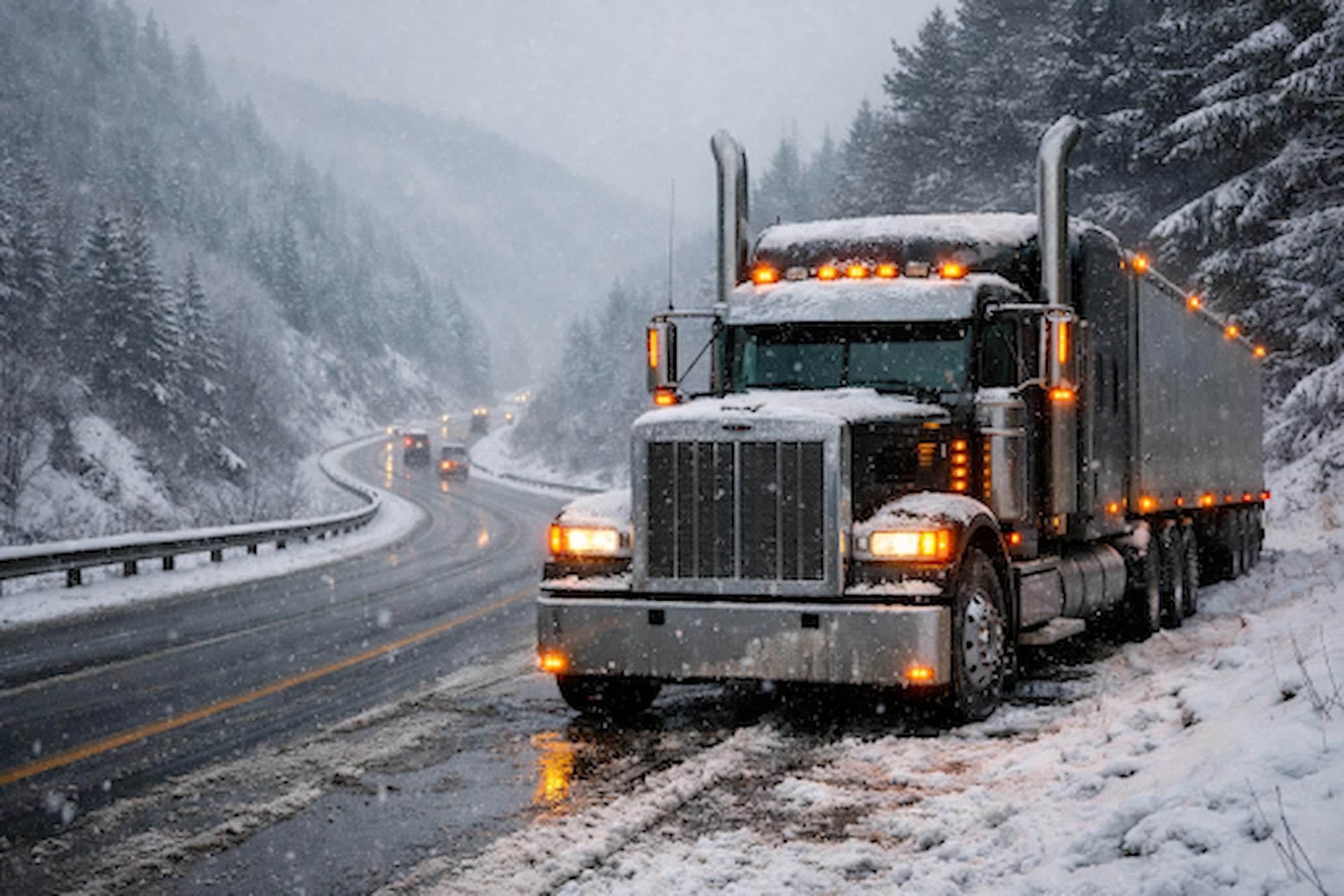
The combination of steep grades, sustained climbs, and sharp descents places continuous mechanical load on drivetrains and braking systems. In winter conditions, this stress increases significantly due to conditions commonly addressed in any I-77 truck breakdown guide, which highlights how quickly weather and elevation can compound mechanical strain on commercial vehicles, due to:
- Reduced tire traction on freezing rain and snow-packed lanes
- Brake fade risk on long downhill grades
- Engine strain during sustained climbs at elevation
- Delayed response times due to weather and limited pull-off areas
For fleets operating in this region, breakdown prevention and recovery planning are as important as load scheduling. A single stalled tractor in a no-pass zone on a mountain grade can shut down traffic flow for miles and trigger extended recovery operations.
Proactive Maintenance as a Fleet Survival Strategy
Preventive maintenance programs are not optional for fleets operating in the I-77 corridor. They are operational safeguards against downtime events that escalate rapidly in mountain terrain.
Key maintenance priorities include:
- Brake system inspection with emphasis on air system integrity and heat wear
- Cooling system performance checks to prevent overheating during climbs
- Tire condition monitoring for tread depth and winter traction compliance
- Transmission and differential fluid service intervals aligned with mountain haul frequency
Fleet managers who enforce structured maintenance cycles consistently see reduced roadside incidents, particularly during winter peak freight seasons.
Strategic Planning for Mountain Freight Routes
Route planning in the Blue Ridge and Fancy Gap region requires more than GPS optimization. Fleet dispatch teams increasingly integrate:
- Real-time weather tracking for elevation-specific forecasts
- Alternate routing for snow or ice closures
- Staging plans for rest areas before steep grade segments
- Load balancing checks to ensure safe descent control
Even with advanced planning, mechanical failures still occur. This is where recovery readiness becomes critical.
Heavy-Duty Recovery Capability in Mountain Conditions
When a loaded tractor-trailer becomes disabled on a mountain grade, recovery cannot be handled by standard tow trucks. These situations require:
- Heavy-duty wreckers rated for Class 8 recovery
- Rotator units capable of controlled lift and repositioning on uneven terrain
- Decking and undecking systems for multi-vehicle transport recovery
- Winch-out capability for guardrail, ditch, or embankment recoveries
- Operators trained in mountain stabilization procedures
Most local towing providers are not equipped for this level of recovery complexity, especially when cargo weight is factored into slope safety calculations.
Fleet Recovery Coordination and Downtime Control
For carriers operating consistent freight lanes through I-77, pre-established recovery partnerships are essential. Response time directly impacts:
- Driver safety exposure duration
- Highway closure time and incident reporting
- Cargo integrity and refrigeration stability
- Customer delivery commitments
In many cases, the difference between a 90-minute recovery and a 5-hour shutdown is whether a heavy-duty rotator team is already integrated into the fleet’s emergency plan.
Telematics and Real-Time Breakdown Prevention
Modern fleet management systems now play a major role in reducing breakdown frequency before units reach the mountain corridor. Telematics platforms allow dispatchers to monitor:
- Engine fault codes in real time
- Brake temperature and usage patterns on descents
- Tire pressure deviations during long-haul runs
- Driver behavior indicators, such as harsh braking or overspeed on grades
Predictive maintenance alerts allow fleets to pull units out of rotation before they fail on high-risk segments, such as I-77.
Driver Preparedness for Mountain Corridor Safety
Even with strong mechanical systems, driver training remains a critical layer of risk management. Drivers operating through Fancy Gap and Blue Ridge should be trained in:
- Engine braking techniques on sustained descents
- Proper gear selection to maintain controlled speed
- Recognition of brake fade warning signs
- Safe pull-off decision-making when mechanical anomalies occur
Driver hesitation on mountain grades can turn a manageable mechanical issue into a full highway shutdown event.
Emergency Response Protocols for Fleet Operators
Every fleet running the I-77 corridor should maintain a standardized breakdown response plan that includes:
- Immediate dispatch contact procedures
- GPS tagging for precise recovery location
- Cargo condition reporting protocols
- Driver safety positioning guidelines away from traffic lanes
- Secondary hazard signaling procedures for low visibility conditions
When these protocols are consistently applied, recovery efficiency improves significantly and secondary incident risk drops.
Cost of Downtime in Mountain Freight Operations
In commercial trucking, breakdown costs are not limited to towing invoices. The true financial impact includes:
- Missed delivery penalties
- Idle driver wages under detention
- Load rescheduling and customer disruption
- Potential cargo spoilage in temperature-sensitive freight
- Equipment wear from recovery operations
In mountain corridors, these costs escalate faster due to limited access and extended response times.
Final Thoughts for Fleet Operators
Operating Class 8 freight through the I-77 mountain corridor requires more than mechanical reliability. It requires structured maintenance programs, predictive fleet monitoring, trained drivers, and, most importantly, access to recovery assets capable of handling steep-grade, loaded-trailer incidents.
For fleet managers and carriers running consistent routes through the Blue Ridge and Fancy Gap regions, breakdown readiness is not just a contingency plan. It is part of the core operational strategy. The ability to connect quickly with a properly equipped heavy-duty recovery provider often determines whether an incident becomes a minor delay or a full-day operational disruption.
Reid Diesel Enterprises Inc. remains a trusted heavy-duty recovery resource along this corridor, supporting fleets with rotator-capable response, Class 8 recovery expertise, and 24/7 dispatch coverage across one of the most demanding freight routes in the eastern United States.