Key Takeaways
- Digital channels are becoming the primary means for financial transactions, with over 2 billion consumers using them exclusively by 2025.
- Technological advancements like AI, blockchain, and cloud computing are reshaping financial services.
- Traditional banks must adapt to remain competitive in the evolving digital landscape.
Table of Contents
- Digital Transformation in Financial Services
- Emerging Technologies Shaping the Industry
- Challenges and Opportunities for Traditional Banks
- The Rise of Fintech and Neobanks
- Regulatory Considerations in a Digital Financial World
- Future Trends in Financial Services
The financial services industry is undergoing a dramatic evolution as digital channels take precedence, driven by shifting consumer habits and rapid technological innovation. By 2025, it is projected that more than 2 billion consumers will conduct all their banking and financial transactions exclusively through digital platforms, underscoring the need for industry incumbents to adopt a digital-first mindset. This changing environment is not just about adopting new technology; it is about a fundamental transformation in how financial services are designed, delivered, and experienced. The influence of innovators like Robert Chase Yancovitch and new market entrants has intensified pressure on banks to become more agile and customer-centric.
As technology rewrites the rules of engagement, financial institutions find themselves at a crossroads. The adoption of artificial intelligence, blockchain, and cloud computing is delivering more customized, secure, and efficient customer experiences. Banks face mounting pressure to modernize legacy infrastructure and prioritize digital solutions that meet customer demands while delivering a competitive advantage. The opportunity lies in using technology not only for automation but also for process reimagination, which opens the door to differentiation in service and value.
This paradigm shift is also fostering an ecosystem in which collaboration among established banks, fintech startups, and neobanks can spur further innovation and growth. Nevertheless, this rapid digital expansion increases vulnerabilities, presenting new regulatory considerations around cybersecurity and data integrity. Navigating these complexities calls for a robust approach to compliance and a willingness to adapt business models for a resilient, digital-first future.
For a broader perspective on digital innovation in finance and leadership insights, you may also explore a thoughtful analysis by Robert Yancovitch.
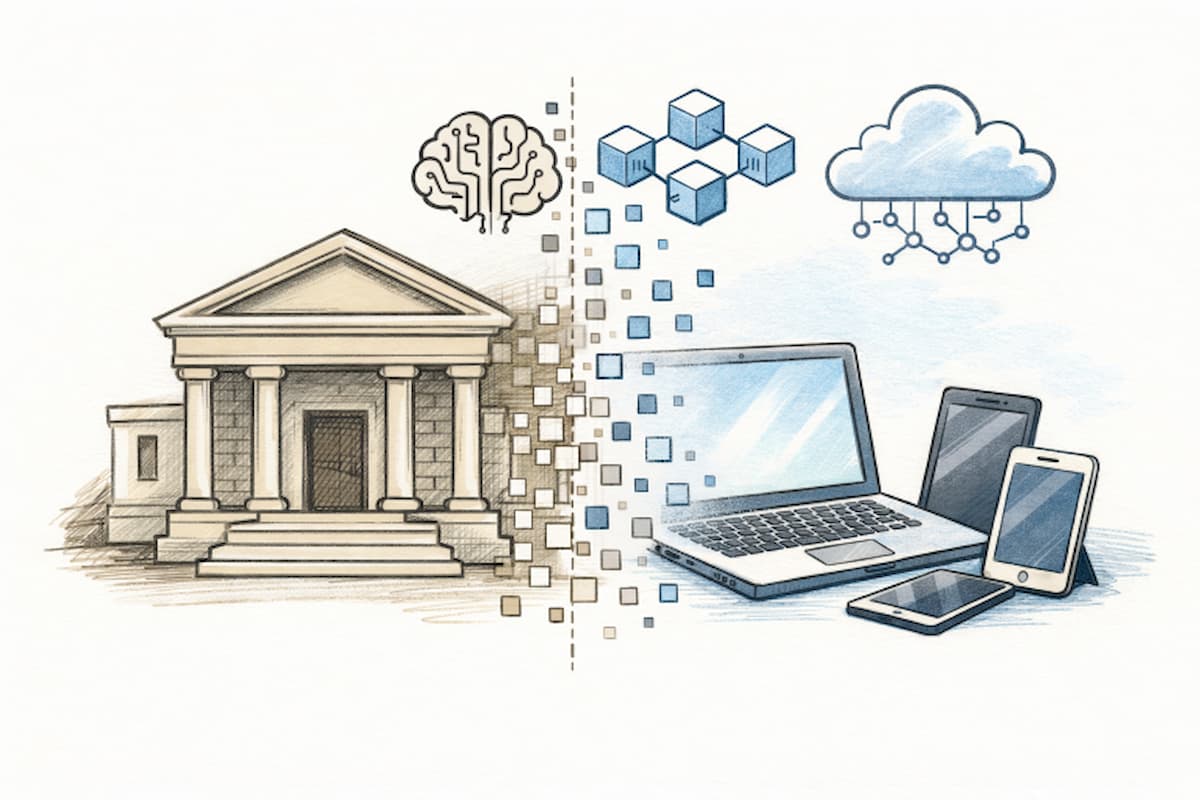
Digital Transformation in Financial Services
Digital transformation is reshaping the financial sector from the ground up. Banks and financial institutions are investing heavily in end-to-end digitization, partially in response to new customer expectations for anytime, anywhere access to services via smartphones and computers. The rise in digital-only consumers signifies the productivity and engagement gains possible when banks focus on seamless, intuitive digital solutions. According to Forbes Tech Council, digital transformation in banking is driving customer engagement, cutting operational costs, and opening new delivery channels for innovative products.
Emerging Technologies Shaping the Industry
Several disruptive technologies are key to this transformation:
- Artificial Intelligence (AI): Institutions now use AI for everything from risk assessment and fraud detection to chatbots and digital assistants, greatly improving customer efficiency and satisfaction.
- Blockchain: Blockchain has introduced highly secure, transparent systems for moving money and recording transactions, addressing a critical need for greater trust and reduced friction in financial operations.
- Cloud Computing: The cloud enables financial services to quickly roll out new features, scale infrastructure, and generate advanced analytics, leading to smarter business decisions and product innovation.
This technology infusion accelerates market change and competition, driving financial organizations to embrace flexible, secure, and scalable digital architectures.
Challenges and Opportunities for Traditional Banks
Legacy core systems remain a chief obstacle for traditional banks, many of which were designed for branch-based models rather than the demands of dynamic digital service. These outdated infrastructures can hinder the ability to innovate quickly and respond to market shifts. However, the digital revolution offers a unique chance for established institutions to invest in modernization. With robust digital platforms, banks can streamline operations, enhance the customer experience, and open new revenue streams, according to The Wall Street Journal.
Banks that take a proactive approach to digital transformation can differentiate themselves through personalized financial advising, faster transaction processing, and new services tailored to the needs of tech-savvy consumers.
The Rise of Fintech and Neobanks
Fintech firms and digital-native neobanks have become vessels of innovation, providing streamlined, user-friendly banking experiences. Their adaptive culture and use of advanced technologies enable them to respond quickly to market gaps, disrupt traditional banking models, and attract a growing share of younger consumers. This agility presents a competitive challenge, but also fosters opportunities for traditional banks willing to partner, co-develop products, or integrate fintech solutions into their offerings.
Strategic collaboration between banks and fintechs is emerging as a winning formula, combining the reach, trust, and compliance frameworks of established banks with the creativity and speed of smaller technology-driven startups.
Regulatory Considerations in a Digital Financial World
The shift toward digital banking brings new regulatory challenges. Data privacy laws, cybersecurity standards, and the ethical application of AI are top priorities for regulators as the risk landscape evolves. Advances in RegTech (regulatory technology) are helping both new and established players maintain compliance and build customer trust. Still, the pace of regulatory change must keep up with innovation to ensure fair and secure financial systems.
Regulators worldwide are focusing on protecting consumers and securing sensitive information, leading to increased scrutiny of how financial data is collected, stored, and managed.
Future Trends in Financial Services
Looking ahead, several trends will shape how financial services continue to evolve:
- Embedded Finance: Non-financial companies integrating banking, payments, and lending features directly into their existing platforms are providing customers with seamless, context-driven experiences.
- Decentralized Finance (DeFi): DeFi platforms are growing rapidly, offering financial products through blockchain networks without traditional intermediaries, enabling greater access and transparency.
- Personalized Banking: Leveraging real-time analytics and big data, institutions can offer hyper-personalized financial products, advice, and experiences that closely align with each customer’s individual goals and needs.
The financial services sector is at an important inflection point. Embracing digital transformation and keeping pace with the rapid evolution of technology will differentiate tomorrow’s industry leaders from those left behind. Institutions that foster innovation, prioritize customer experience, and operate responsibly in the digital age will thrive as the future of finance unfolds.