Table of Contents
- Understanding the Role of School Counselors
- Effective Communication Strategies
- Collaborative Approaches to Student Support
- Leveraging Technology for Better Engagement
- Professional Development and Training
- Addressing Challenges and Barriers
- Case Studies of Successful Partnerships
- Conclusion
Establishing strong relationships with school counselors is crucial for fostering students’ academic and personal growth. These professionals guide students through challenges, support emotional well-being, and help set the foundation for future achievements. As schools, parents, and communities aim to strengthen these connections, leveraging communication tools such as High School Counselor Email Lists for Admissions Counselors can be invaluable for seamless collaboration.
By understanding counselors’ broad responsibilities and engaging with them proactively, educators and families can help create a nurturing environment. School counselors serve in many capacities, from supporting students’ social and emotional health to advising on course scheduling and college aspirations. Fostering these relationships does more than ease academic pressures; it promotes an inclusive community where every student has the opportunity to thrive.
Understanding the Role of School Counselors
School counselors hold a dynamic position that bridges academic instruction, social-emotional learning, and post-secondary planning. They provide direct student services such as one-on-one counseling or group sessions, coordinate with teachers on effective interventions, and support families through transitions and crises. By recognizing this multifaceted role, stakeholders gain clarity on how to collaborate more effectively with counselors.
Counselors promote equity in education by addressing barriers to learning and by advocating for all students’ success. When parents and teachers appreciate the scope of counselors’ responsibilities, they can build more respectful and impactful partnerships.
Effective Communication Strategies
Open communication is the foundation of productive relationships. Scheduling regular check-ins, whether through phone calls, emails, or planned meetings, helps ensure all parties remain aligned on student needs and progress. It is important to understand each other’s preferred communication styles and to use technology, such as school communication apps, to share updates conveniently.
Listening actively and providing thoughtful feedback are equally important. When parents or teachers raise academic or behavioral concerns, counselors can develop interventions more effectively with clear, specific information. Being transparent about goals and expectations fosters trust and supports better student outcomes.
Collaborative Approaches to Student Support
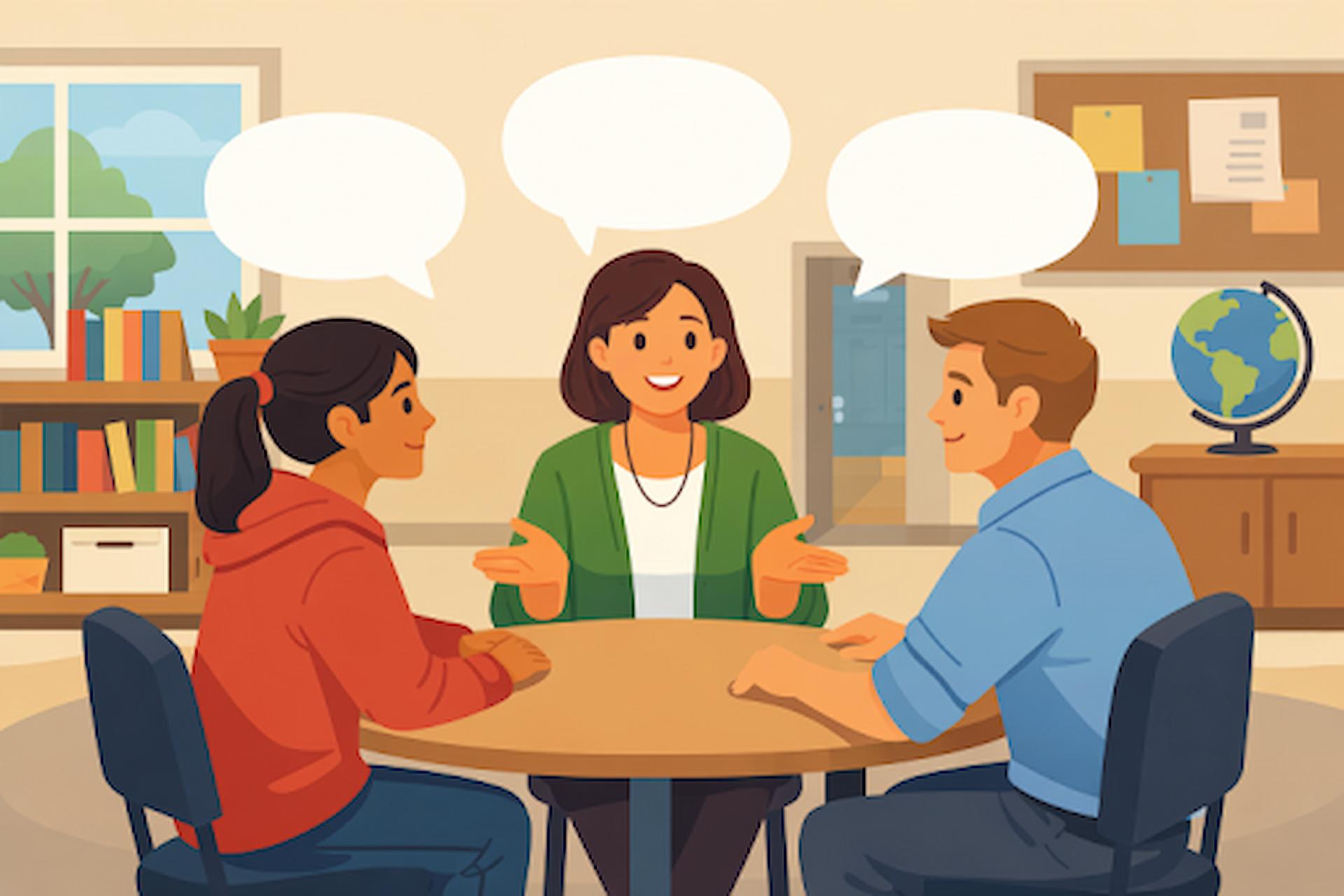
Collaboration among counselors, teachers, and families forms a holistic network of support around each student. Coordination among these groups enables more tailored interventions and earlier identification of students who may need additional support. For example, regular multidisciplinary team meetings where observations are shared can lead to actionable strategies that address both academic struggles and social-emotional challenges.
Schools may find success by creating formal partnership teams, which include counselors, teachers, administrators, and parents. These collaborative efforts not only streamline student support but also foster a sense of shared responsibility and community engagement.
Leveraging Technology for Better Engagement
Technology has revolutionized the way counselors communicate with students, parents, and teachers. Digital platforms facilitate flexible scheduling, sharing resources, and swift follow-ups. Many schools now provide private portals where families can inquire, monitor progress, or access documents. Messaging apps and secure emails enhance access, especially for busy parents or students who cannot attend in person. A survey revealed that schools with widespread digital outreach saw increased family involvement and satisfaction. Regular use of technology promotes a culture of responsiveness and accessibility.
Professional Development and Training
Continuous professional development is essential to keeping school counselors up to date with the latest knowledge and skills. Regular training in areas such as mental health awareness, cultural competency, and crisis response helps counselors adapt to changing student needs. Workshops and conferences not only benefit counselors but also inform broader school policy and climate.
Supporting counselors through professional development ensures they can implement best practices across the academic, social, and emotional domains. This investment pays dividends in student outcomes and overall school wellbeing. To learn more about the importance of counselor training, the National Association of School Psychologists offers valuable resources on effective programs.
Addressing Challenges and Barriers
Despite their significance in schools, counselors often encounter roadblocks, such as large caseloads or insufficient opportunities for partnership. Advocating for smaller student-to-counselor ratios, providing administrative support, and ensuring counselors are part of school leadership teams can mitigate these issues.
Educators and families can support counselors by fostering a school culture that prioritizes counseling and mental health services. Encouraging open dialogue about challenges and sharing resources can help address inequities that affect students’ educational experiences. NPR’s coverage on student wellness programs amplifies how addressing these barriers benefits the entire school community.
Case Studies of Successful Partnerships
Several schools have demonstrated that strong counselor collaborations yield measurable improvements. For example, one urban high school established grade-level counseling teams that worked closely with teachers to track student progress and intervene early. As a result, graduation rates improved, and fewer students fell through the cracks.
Another district implemented family counseling nights, where counselors, parents, and teachers came together for workshops on study skills and coping mechanisms. The initiative led to improved attendance and reduced school-wide behavioral incidents, underscoring the far-reaching effects of collaborative engagement.
Conclusion
Building effective relationships with school counselors is a community effort that requires ongoing commitment and open communication from educators, parents, and students. When these connections are prioritized, students receive the comprehensive support they need to excel academically, socially, and emotionally. By understanding counselors’ roles, leveraging technology, and investing in professional development, schools can ensure that every student has the foundation to succeed.