Key Takeaways
- Proper sizing ensures visual balance and optimal ventilation or lighting.
- Materials impact maintenance, longevity, and the overall look.
- Design details should align with your building’s architecture.
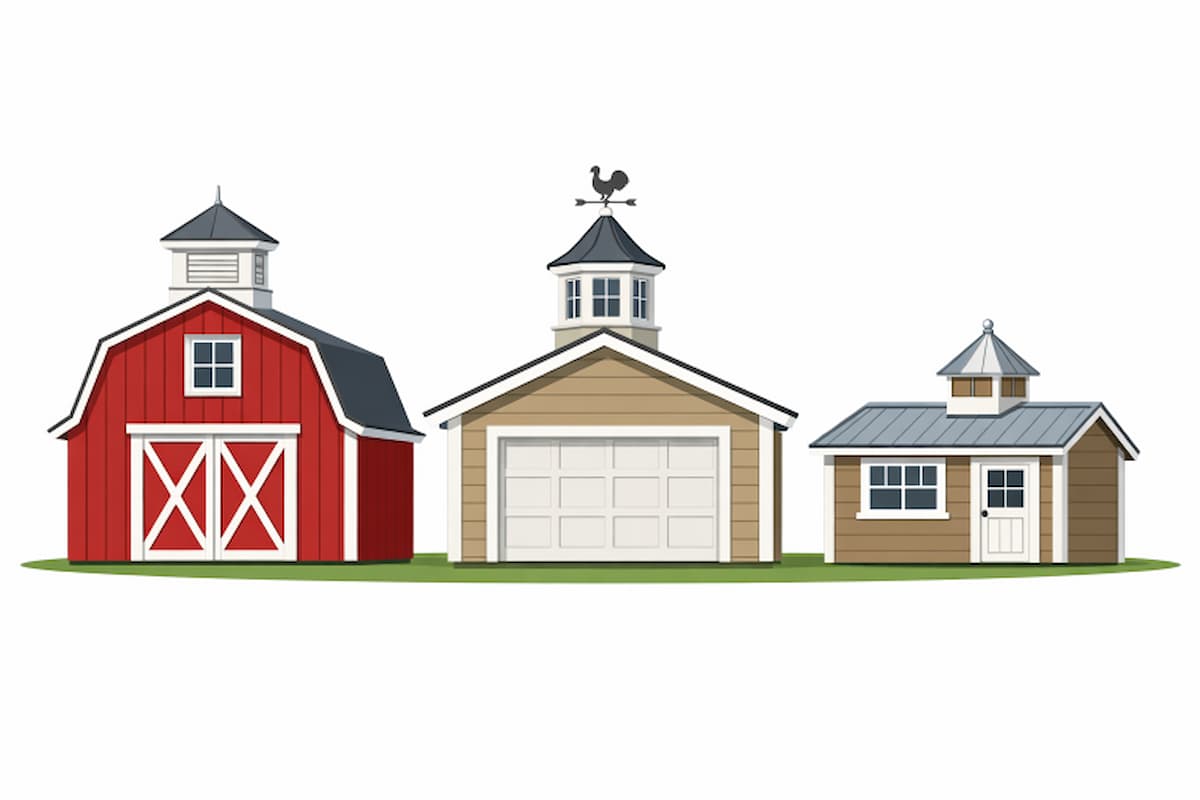
Adding a cupola to your building not only boosts curb appeal but also delivers significant practical benefits, such as enhanced ventilation and increased natural light. Whether you’re updating a barn, a garage, or a garden shed, knowing how to select the appropriate cupola is essential for striking the right balance between form and function. For those considering a handcrafted option, you can explore Amish cupolas for sale to find custom-built designs that match your structure perfectly. When choosing a cupola, it’s crucial to take your time and evaluate key factors such as size, materials, and design features. Doing so ensures that the cupola not only becomes an architectural highlight but also complements your building’s style while offering a host of functional improvements. By focusing on the right selection process, your cupola investment will provide long-term value in both functionality and aesthetics.
Understanding Cupola Sizing
The size of your cupola dramatically affects both its functionality and its appearance atop your building. Experts generally recommend allocating 1 to 1.5 inches of cupola base width per foot of unbroken roofline. For example, a 30-foot barn roof would best match a cupola with a base width of 30 to 45 inches. This rule of thumb helps maintain symmetrical proportions so the cupola does not appear either too large or too small relative to the overall roof structure. Proper sizing is essential, since an undersized cupola can look insignificant, while an oversized one can overwhelm the building’s design.
Material Selection: Balancing Aesthetics and Maintenance
The choice of materials for your cupola affects how it will look and how much maintenance it will require over the years. Here are the three most popular materials, each with its own pros and cons:
- Wood: Wood cupolas offer a classic appeal and can be customized with stains or paints to match your building. However, they do need regular care and maintenance to prevent rot, insect damage, or weather-related deterioration.
- Vinyl: Vinyl cupolas provide a low-maintenance alternative, as they resist chipping, fading, and pests. They are ideal for those who prefer a maintenance-free solution that still delivers a crisp, clean look.
- Metal: Copper and aluminum are popular metal options. Copper cupolas age to a beautiful patina, while aluminum models are lightweight and corrosion-resistant, making both excellent choices for long-lasting installations.
Design Considerations: Harmonizing with Architectural Style
Carefully chosen design elements will ensure your cupola becomes an architectural highlight rather than a visual distraction. The three major elements to consider include:
- Base: Options include flat-sided, smooth bases for a modern look or decorative trims and shiplap bases for added detail.
- Middle Section: Choose between louvered cupolas for increased ventilation or windowed cupolas to bring in natural light.
- Roof: Roof styles range from straight-sided to elegantly curved designs, and can be made from materials such as copper or painted aluminum for extra character.
Functional Benefits: Ventilation and Natural Light
Cupolas were historically designed to ventilate attics and barns. They continue to serve this important purpose today by encouraging airflow, which helps regulate temperature and minimize moisture-related problems, such as mold or mildew. In agricultural settings, good ventilation is particularly vital to safeguard stored hay and livestock facilities. Additionally, cupolas fitted with windows or clear panels can illuminate interior spaces, reducing the need for artificial lighting during daylight hours and creating a more pleasant atmosphere.
Installation Tips: Ensuring Longevity and Performance
Correct installation is a key factor in maximizing your cupola’s lifespan and its ability to provide ventilation or light. Always choose a cupola base that matches the pitch of your roof to ensure a watertight and seamless fit. Additionally, use high-quality flashing and flexible sealants around the base to prevent leaks, especially in regions with heavy rainfall or snow. If your structure has a steep or unsupported roof, consult with a builder to confirm that it can accommodate the added weight of a large cupola. Professional installation is recommended for best results and structural safety.
Maintenance: Preserving Your Cupola’s Beauty
Routine maintenance will keep your cupola looking sharp and functioning properly. Clear away leaves and debris, especially after storms. Inspect for cracks, loose fasteners, or early signs of rust or paint peeling. Wooden cupolas should be refinished or resealed as needed, while metal and vinyl models may only require occasional washing. Conduct a thorough inspection each season to identify and address maintenance needs before they escalate into bigger issues.
Conclusion
Selecting the ideal cupola comes down to carefully assessing size, material, design, and how it serves your building. By choosing according to your structure’s architecture and your own needs, you can boost curb appeal and enjoy tangible benefits for years. Proper installation and ongoing care will ensure that your cupola stands the test of time, remaining a beautiful and practical feature on your property.