Cerebral palsy is the name used for a number of different conditions that can affect a person’s movement and coordination. This usually happens as the result of damage to a baby’s brain, either shortly before, during or after birth and the effects are lifelong.
The symptoms of cerebral palsy usually take a while to develop, meaning the full extent of the condition’s impact on a child will not normally be apparent until they are at least two to three years old. There are, however, a number of early warning signs to look out for, meaning you can make sure your child starts getting the right support as soon as possible.
Delays in reach key developmental milestones
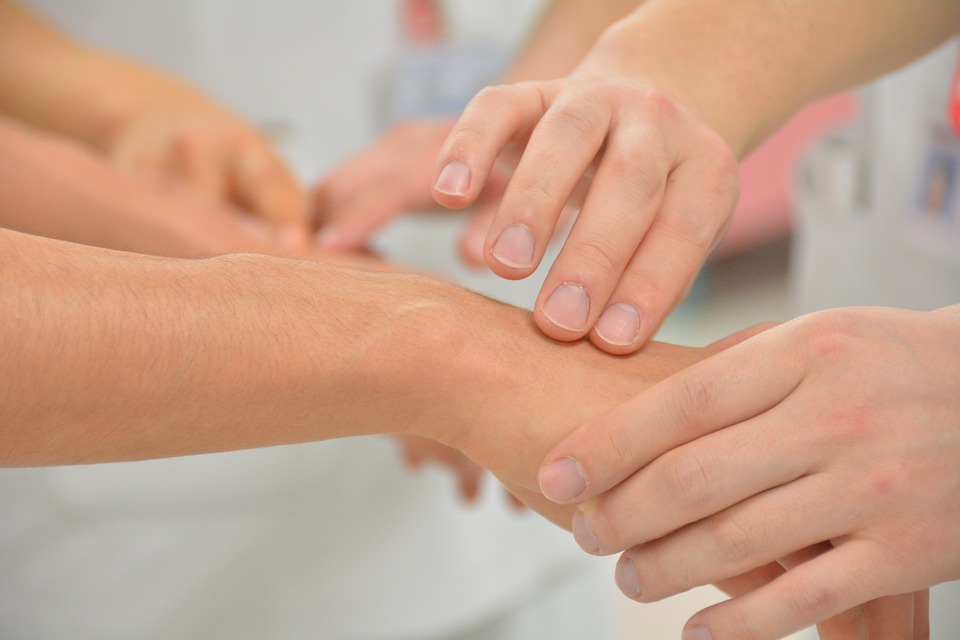
One of the first signs that a child may have cerebral palsy is if they are slow to reach significant developmental milestones, such as being able to sit unaided by 8 months old or starting to walk by 18 months old.
While children do naturally develop at different rates, if your child is noticeably late hitting these milestones, it may be worth speaking to your GP, especially if you are aware that there were issues during your child’s birth that may have increased their risk of developing cerebral palsy.
Issues with movement
There are various ways cerebral palsy can affect. Early signs to look out for include your child seeming too stiff or floppy, having weak arms or legs, being fidgeting, having jerky or clumsy movements, experiencing random, uncontrolled movements, muscle spasms and hand tremors, and walking on tip-toes.
These symptoms may affect just part of your child’s body, e.g. their legs, or their whole body. The seriousness of the symptoms will also vary depending on the extent of the brain damage your child may have suffered during their birth.
Other symptoms
There are a number of other issues people with cerebral palsy can experience, including:
- Problems with swallowing and drooling
- Difficulties speaking and communicating
- Epilepsy
- Acid reflux
- Constipation
- Bladder incontinence
- Abnormal curvature of the spine (scoliosis)
-
- Hips that dislocate easily
- Vision problems
- Hearing loss
- Learning disabilities (affecting around half of the children with cerebral palsy)
Make sure your child has the support they need for living with cerebral palsy
Children with cerebral palsy will typically need specialised support throughout the childhood and potentially for the rest of their lives. This may include various types of therapy, as well as special equipment and other support.
While some help is available free-of-charge, other support and equipment will typically need to be funded privately. This is one of the reasons many parents of children with cerebral palsy choose to pursue a compensation claim.
A solicitor specialising in cerebral palsy claims will be able to advise you on the strength of your claim and what you need to do next. They will then be able to guide you through the entire claims process, helping to ensure you have the best chance of securing a fair settlement for your child, so they can get all the help they need to live a happy, independent life.