Key Takeaways
- Understanding your water source and its contaminants is crucial before choosing a filtration system.
- Different filtration technologies target specific impurities; selecting the right one depends on your needs.
- Regular maintenance and proper installation are vital for the effectiveness of any water filter.
Table of Contents
- Understanding Your Water Quality
- Types of Water Filtration Systems
- Key Factors to Consider
- Installation and Maintenance
- Certifications and Standards
- Cost Considerations
- Environmental Impact
- Conclusion
Ensuring your household has access to clean, safe drinking water is a top priority. With a wide variety of contaminants that may be lurking in tap water, knowing how to select the right system can provide peace of mind and protect your family’s health. When researching solutions like water purification in Naperville IL, it is important to know the contaminants that may affect your local water supply and which technology will address them most effectively.
The best way to make an informed choice is to understand your specific needs and match them with the filtration technologies that target those issues. Some homes face specific challenges, such as hard water or high chlorine content, while others require comprehensive filtration due to concerns over contaminants like lead or pesticides. By carefully considering your water quality and the systems available, you can make a decision that leads to safer and better-tasting water for your household.
Understanding Your Water Quality
Before investing in a filtration system, start by assessing your home’s water quality. Most U.S. homeowners can request a Consumer Confidence Report (CCR) from their municipal water supplier, which details the source and any contaminants found through required testing. For those using well water or seeking more detailed information, a private water test can identify specific issues such as hardness, lead, nitrates, or bacteria. Knowing the impurities present is the most important first step in finding a solution that truly targets your concerns. For comprehensive guidance on water quality, consult reputable sites such as the EPA’s Safe Drinking Water page.
Types of Water Filtration Systems
Modern water filtration comes in several types, each with distinct benefits and designed to remove certain types of contaminants:
- Activated Carbon Filters: Highly effective at removing chlorine, some organic compounds, volatile chemicals, and improving taste and odor.
- Reverse Osmosis (RO) Systems: Employ a semipermeable membrane to filter out dissolved solids and many contaminants; however, they may remove beneficial minerals and produce some wastewater in the process.
- Ultraviolet (UV) Disinfection: Destroys bacteria, viruses, and other microorganisms, although it does not remove sediment or chemical pollutants.
- Ceramic Filters: Trap particulate matter, bacteria, and protozoa due to tiny pores in the ceramic material.
- Ion Exchange Units: Mainly used to soften water by replacing calcium and magnesium ions with sodium or potassium to reduce hardness.
Key Factors to Consider
When evaluating water filtration options, several important factors should guide your choice:
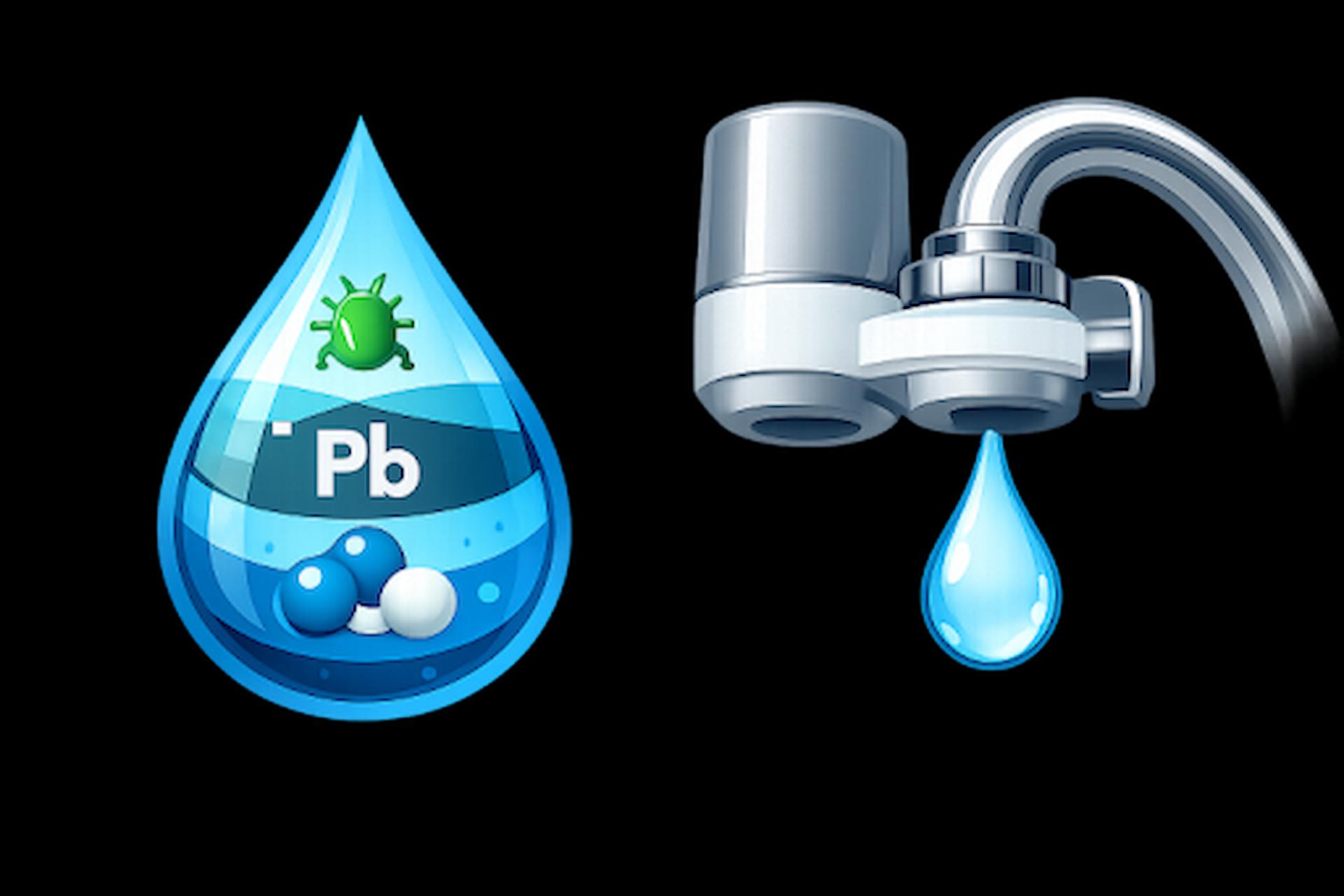
- Contaminant Removal: Check that the system is rated to remove the specific contaminants found in your water. Look for detailed performance data on the filter’s specifications or packaging.
- Flow Rate and Pressure: Ensure the system meets your household’s daily water use without drastically reducing water pressure or requiring frequent interruptions to filter or replenish water.
- Maintenance Requirements: All filters have service lives. Know how often cartridges or membranes need replacing, and factor in those recurring costs.
- Installation: Consider whether you need professional installation or if a DIY approach is practical for your home’s plumbing system.
Installation and Maintenance
Proper installation and routine maintenance are critical. Incorrect installation can not only diminish the filter’s effectiveness but also lead to leaks or even health hazards. Always follow the manufacturer’s directions closely. Most systems require filter changes every few months to a year, depending on filter type and water usage. Neglecting maintenance can result in clogged filters and the possible reintroduction of contaminants into the water supply. Consumer advocacy groups like Consumer Reports recommend checking filter status indicators and maintaining a replacement calendar.
Certifications and Standards
Independent certifications provide assurance that a product lives up to its filtration claims. Look for marks from organizations such as NSF International or the Water Quality Association. Certification means the filtration system has been tested and confirmed to eliminate or reduce specific contaminants according to recognized standards. Many consumer water filters also meet standards set by the American National Standards Institute (ANSI).
Cost Considerations
Both upfront costs and ongoing expenses must be considered before purchasing any system. For example, while reverse osmosis systems typically require a larger investment, they may have lower ongoing maintenance costs compared to pitcher filters that need frequent cartridge changes. Take into account all expenses, including installation, filter replacements, and, where needed, periodic servicing to accurately compare long-term value.
Environmental Impact
Some filtration systems produce wastewater as part of the purification process, while others require frequent disposal of plastic filter cartridges. Choosing systems that minimize environmental impact, such as filters with recyclable components or low water wastage, can help reduce your household’s ecological footprint. If sustainability is a top concern, look into eco-friendly water filter systems and disposal programs offered by some manufacturers.
Conclusion
Choosing the right water filtration system is a process that starts with knowledge and ends with a safer, better water supply for your family. Assess your water quality, prioritize the contaminants you need to address, and match your requirements with certified, well-maintained technology. By considering installation needs, ongoing costs, and the environmental effects of your solution, you can ensure clean, high-quality water for your home for years to come.