Key Takeaways
- Modern window trends highlight expansive glass and minimalistic frames to maximize light and views.
- Energy efficiency and sustainability are key drivers in new window technologies and materials.
- Smart tech integration adds convenience, security, and cost savings for homeowners.
- Durable, eco-friendly materials and inspired color palettes are shaping the future of window design.
Table of Contents
- Expansive Glass and Minimalist Frames
- Energy Efficiency and Sustainability
- Smart Technology Integration
- Material Selection and Durability
- Color Trends in Window Design
- Window Treatments and Accessories
- Regional Influences on Window Design
- Conclusion
Windows are no longer just practical elements in a home. They are integral to both modern aesthetics and high-performing, sustainable living. For homeowners seeking to update their space, understanding today’s window design trends is vital. Whether replacing or installing windows, the right choices can transform a property’s look, feel, and efficiency.
Current window innovations stretch far beyond surface appearances. Sleek structural lines and smart technology now combine with eco-friendly materials, enabling architects and homeowners to craft brighter, more beautiful, and environmentally conscious interiors. From urban condos to mountain retreats, contemporary window solutions provide the flexibility to suit every architectural style.
Staying up to date with these trends means making smarter investments that pay off in both energy savings and elevated curb appeal. Modern windows not only let in more light, but they also deliver impressive durability and easy maintenance, keeping homes comfortable year-round.
These shifts are especially evident in areas where scenic views take center stage, such as Breckenridge, Colorado homes, where homeowners prioritize both performance and aesthetics.
Expansive Glass and Minimalist Frames
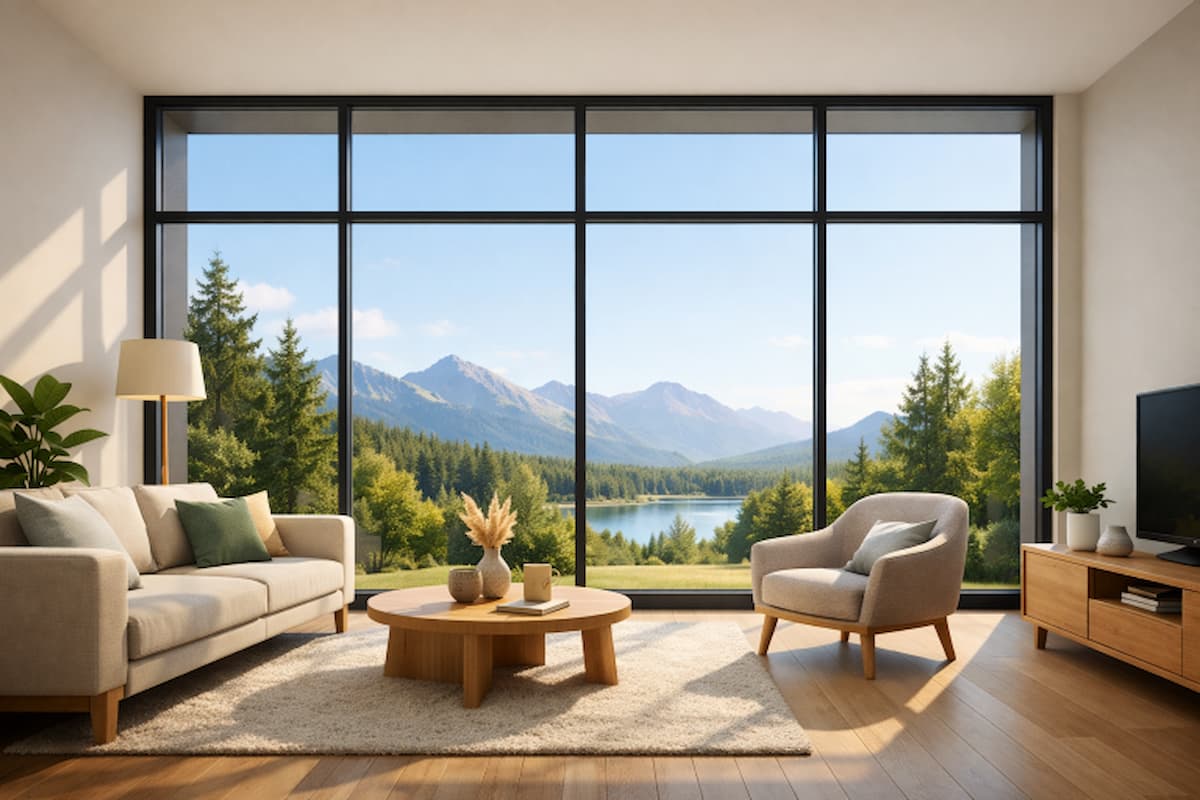
One of the most sought-after window trends is the vast expanse of glass paired with slim, barely-there frames. This minimalist look lets in maximum sunlight and offers seamless panoramic views, making even a compact space feel large and connected to the outdoors. As industry experts highlight, the majority of homeowners and designers prefer a slimmer profile to further cut energy use, reflecting the shift toward airy, open-plan living, according to Architectural Digest.
Expansive glass installations often blur the lines between indoor and outdoor living. Homeowners with access to gardens, decks, or natural vistas increasingly opt for floor-to-ceiling configurations or sliding glass walls, which enhance both practical access and visual harmony. These large panes, when paired with innovative glazing technology, maintain insulation and reduce noise, ensuring that even the most open designs withstand local climate conditions.
Energy Efficiency and Sustainability
Sustainable construction is fundamentally changing window design. Multi-pane glazing, low-emissivity coatings, and insulating gas fills help reduce energy consumption and improve indoor comfort. These advancements are beginning to define smart home upgrades, as improved technologies can create substantial savings on utilities while reducing a household’s carbon footprint. A focus on responsibly sourced or recyclable window materials further enhances both energy and environmental values, as well as Energy Star.
Other sustainable trends include “passive solar” window placements that harness natural heat and light to further cut energy use. Homeowners are also seeking third-party certifications, such as ENERGY STAR or LEED recognition, to ensure their windows meet the highest performance standards. This commitment not only benefits the environment but also contributes to healthier, more comfortable living spaces for families and future occupants.
Smart Technology Integration
Technology is revolutionizing how we interact with our windows. Automated blinds, app-controlled privacy glass, and built-in climate or security sensors are rapidly gaining traction in the marketplace. These smart features give homeowners an unprecedented level of control over their environment, letting them adjust privacy and lighting on the fly for improved comfort and safety. Integration with voice assistants and home automation systems is also becoming standard among high-end projects.
Looking ahead, experts predict that even more companies will innovate their product lines in response to sunlight or temperature, and these choices will become common. This ongoing innovation ensures windows are not only functional but are increasingly indispensable components in a modern, connected home. The synergy between technology and window design continues to grow stronger each year.
Material Selection and Durability
The demand for durable, low-maintenance window frames prompts many to choose materials such as uPVC and powder-coated aluminum. These materials withstand harsh elements and require little upkeep, making them ideal for both urban and remote locations. Eco-friendly options, such as sustainably harvested wood or composite frames, deliver both style and environmental benefits. Superior materials also reduce exterior noise and pollution, boosting overall property value.
Investing in proven materials is particularly important in regions with fluctuating weather or intense sun exposure. Long-lasting finishes and corrosion-resistant features help ensure windows retain their beauty and function for years. Many homeowners now view durability and environmental responsibility as equally important as appearance, driving manufacturers to continuously innovate their product lines in response.
Color Trends in Window Design
The days of universal white window frames have passed. Homeowners and designers now prefer organic shades that echo the natural environment, including sage greens, rich browns, muted blues, and soft terracotta tones. These trends not only enhance curb appeal but also align with popular biophilic design movements that aim to blur the lines between indoor and outdoor spaces and promote wellbeing.
Additionally, choosing deeper or more unconventional window colors can help accentuate architectural features, creating a sense of bespoke style. Contrasting trim and frames can highlight window shapes, lending character and depth to exterior facades or interior design statements. As paint and coating technology advances, it’s now easier than ever to customize windows with long-lasting, UV-resistant finishes that retain their vibrant hues season after season.
Window Treatments and Accessories
The resurgence of dramatic drapery and high-end textiles brings new life to window dressing. Modern treatments emphasize both form and function, providing thermal insulation and privacy without sacrificing style. Patterns, layered textures, and bold colors are distinguishing features that offer homeowners an opportunity to showcase personal style and complement their window upgrades.
Motorized window treatments, which can be synchronized with smart home systems, are becoming more accessible and user-friendly. These innovative solutions are perfect for hard-to-reach windows, expansive glass walls, or households desiring consistent lighting control throughout the day. Along with decorative accessories such as bespoke curtain rods and hardware, these treatments allow creative expression while meeting practical needs.
Regional Influences on Window Design
Climate and location play an important role in window selection. In mountain towns and high-altitude regions, many opt for impact-resistant glass and advanced insulation to withstand extreme weather. Meanwhile, homes in sunnier locations benefit from UV-blocking or tinted windows, helping reduce glare and solar heat gain. Adapting choices to local conditions ensures windows enhance a home’s comfort and resilience.
Specific regional aesthetics, such as large timber frames in rustic environments or industrial metals in city dwellings, can also dictate the style and installation methods chosen. Working with architects who understand the local environment and planning requirements ensures each window upgrade is both functional and visually integrated with its surroundings.
Conclusion
The landscape of window design is evolving rapidly. Today’s trends reflect a desire for open, light-filled spaces, energy efficiency, smart technology, and harmony with nature. By considering these shifts, homeowners and builders alike can make informed choices that add enduring value and enjoyment to any home.
Ultimately, investing in thoughtful window design is about more than aesthetics; it’s about enhancing the daily living experience. There’s never been a better time to explore the many advances in windows, from sustainability to smart controls, to ensure that your living or workspace is comfortable, stylish, and ready for the future.