North Carolina Climate Challenges for Commercial Air Conditioning Systems
North Carolina’s climate presents a unique and demanding environment for commercial HVAC systems. The state, particularly its Piedmont region, is characterized by a blend of weather patterns that push heating and cooling infrastructure to its limits. We experience high relative humidity for extended periods, sudden thermal fluctuations that can swing dozens of degrees in a single day, and the infamous “false spring” transitions where winter seems to briefly return after a warm spell. These conditions create a constant battle for your HVAC system, leading to increased wear and tear, higher energy consumption, and potential discomfort for occupants.
The continuous demand for both heating and cooling, often within the same 24-hour cycle, forces commercial HVAC units into frequent “short cycling.” This means the system turns on and off rapidly without completing a full cycle, which is detrimental to its longevity and efficiency. This constant starting and stopping places immense stress on critical components like compressors and blower motors, accelerating their degradation. For businesses seeking to understand the specific ways our local climate impacts their systems, and to explore comprehensive solutions, delving into how North Carolina’s climate affects your HVAC system, particularly for commercial air conditioning, is essential.
High Humidity and Summer Heat Strains on Cooling Infrastructure
The North Carolina summer is synonymous with intense heat and oppressive humidity. These conditions combine to create a formidable challenge for commercial air conditioning systems. When the air is not only hot but also laden with moisture, your AC unit has to work significantly harder to achieve and maintain comfortable indoor temperatures. This increased workload stems from the need to remove both sensible heat (the temperature you feel) and latent heat (the moisture content in the air). The process of removing latent heat is particularly energy-intensive, as the system must condense water vapor out of the air.
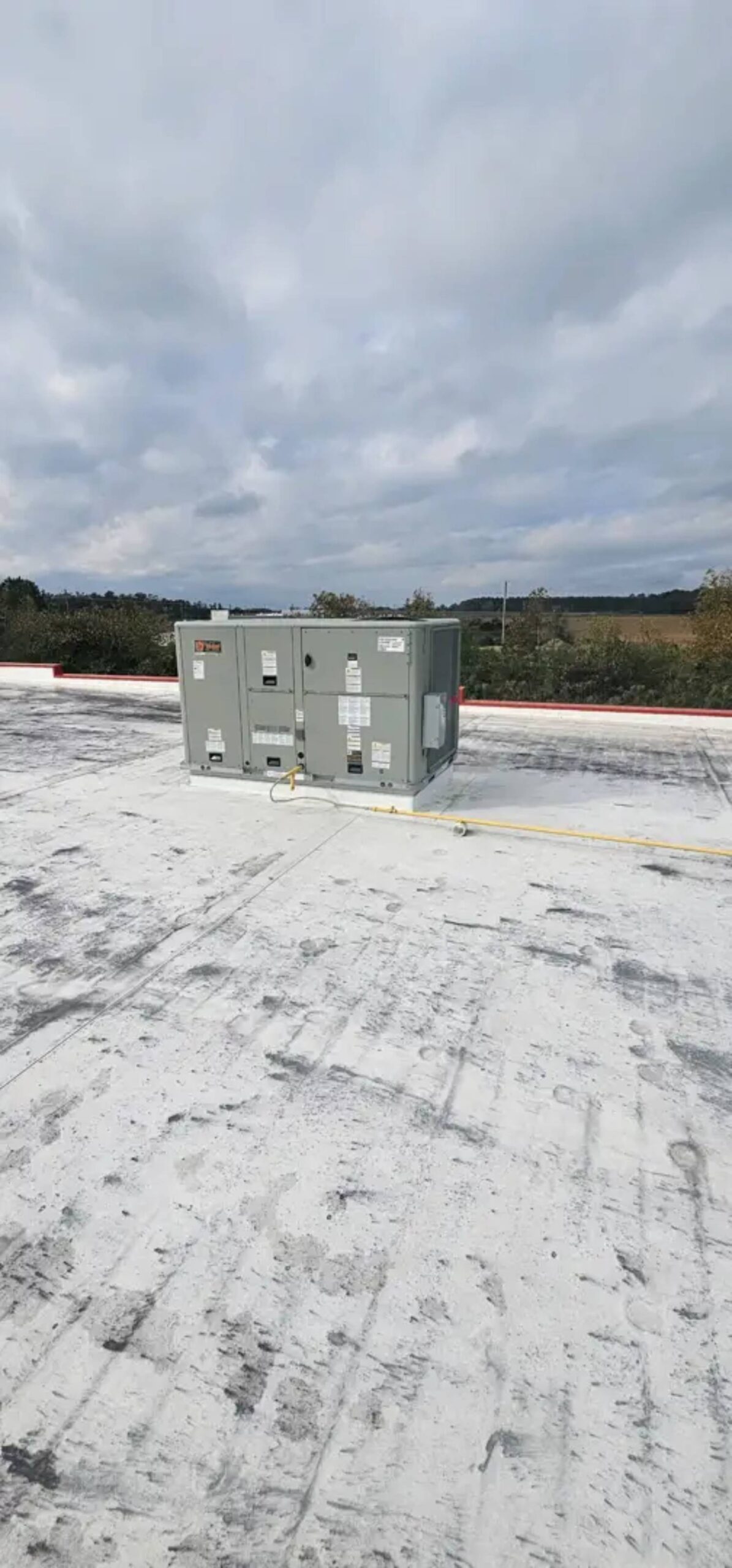
This constant battle against humidity can lead to several problems. Evaporator coils, designed to cool and dehumidify, can become overstressed and even freeze up if the system is struggling or airflow is restricted. A frozen coil severely impairs the system’s ability to cool and dehumidify, often leading to higher indoor humidity despite the AC running continuously. The compressor, the heart of your cooling system, bears the brunt of this increased demand. Prolonged operation under these strenuous conditions can lead to premature wear, frequent breakdowns, and a significantly shortened lifespan for the unit. To manage AC during North Carolina’s hottest months, the Department of Energy recommends setting your thermostat to 78°F when you’re home, which can help reduce the strain on your system while still providing adequate comfort. Ensuring proper airflow around the outdoor unit is also critical for efficiency.
Pollen Accumulation and Indoor Air Quality Management
Beyond temperature and humidity, North Carolina’s climate also presents significant challenges for indoor air quality (IAQ) due to seasonal allergens. Spring pollen peaks are particularly notorious, blanketing everything in a fine yellow dust. While much of this is visible outdoors, a substantial amount infiltrates commercial buildings, posing a year-round issue for HVAC performance and occupant health.
Pollen, dust, and other airborne particles can accumulate within the HVAC system, clogging air filters, coating evaporator coils, and contaminating ductwork. This buildup restricts airflow, forcing the system to work harder and reducing its efficiency. More importantly, it can lead to a significant increase in indoor allergen levels, exacerbating allergies and respiratory issues for employees and customers.
To combat this, the strategic use of high-efficiency air filters with appropriate MERV (Minimum Efficiency Reporting Value) ratings is crucial. While standard filters capture larger particles, higher MERV filters (e.g., MERV 8-13 for commercial applications) can trap smaller pollen grains and other microscopic allergens. Regular replacement of these filters, especially during peak pollen seasons, is vital. Furthermore, integrating advanced air purification technologies, such as UV-C lights or whole-building air purifiers, can provide an additional layer of defense against indoor air contaminants, ensuring a healthier and more comfortable indoor environment.
Impact of Sudden Cold Snaps and Temperature Swings
While summer heat often gets the most attention, North Carolina’s mild winters, punctuated by sudden cold snaps and frequent temperature swings, pose their own set of challenges for commercial heating systems, particularly heat pumps. Our winters often involve days that fluctuate from mild afternoons to freezing nights, requiring HVAC systems to rapidly switch between heating and sometimes even cooling modes.
Heat pumps, which are highly efficient in milder temperatures, can struggle when outdoor temperatures drop significantly. As the air gets colder, there’s less heat energy for the heat pump to extract, forcing it to work harder. During severe cold snaps, heat pumps may rely more heavily on their auxiliary (backup) heat source, which is typically electric resistance heating and significantly more expensive to operate. This reliance on auxiliary heat can lead to unexpectedly high energy bills for businesses.
The constant cycling between heating and cooling, or the frequent activation of auxiliary heat, contributes to mechanical fatigue. Components are subjected to more starts and stops, leading to increased wear and tear. Heat pumps also undergo defrost cycles to remove frost from their outdoor coils in colder weather, which, while necessary, adds to the system’s operational demands. Without proper maintenance and monitoring, these conditions can lead to reduced efficiency, increased breakdown risks, and a shorter overall lifespan for the heating infrastructure.
Identifying Climate-Induced Commercial HVAC Performance Issues
Recognizing the signs that North Carolina’s climate is causing problems for your commercial HVAC system is crucial for timely intervention and preventing costly breakdowns. These issues often manifest in ways that impact both comfort and operational expenses. Here are primary indicators of climate-driven mechanical strain:
- Inconsistent Room Temperatures: Occupants complaining of certain areas being too hot while others are too cold, despite the thermostat setting, often points to issues with airflow, ductwork, or a system struggling to cope with external conditions.
- Unexpected Energy Bill Spikes: A sudden or gradual increase in energy consumption without a corresponding change in usage patterns is a strong indicator that your HVAC system is working harder than it should be. This could be due to clogged filters, refrigerant leaks, or the system constantly battling high humidity or extreme temperatures.
- Frequent Short Cycling: If your HVAC unit is turning on and off more frequently than usual, especially during mild weather, it’s likely short cycling. This is a common symptom of oversizing, refrigerant issues, or a thermostat problem, and it significantly increases wear on components.
- Elevated Indoor Humidity: A sticky or clammy feeling indoors, even when the air conditioning is running, signals that your system is not effectively removing moisture. High indoor humidity can lead to discomfort, mold growth, and damage to building materials.
- Unusual Noises or Odors: Grinding, squealing, banging, or persistent musty smells emanating from your HVAC system are red flags that warrant immediate professional attention. These can indicate failing components, mold growth, or other serious issues exacerbated by continuous operation in challenging conditions.
- Weak Airflow from Vents: Reduced air coming from supply registers suggests blockages in ductwork, a failing blower motor, or severely clogged filters, all of which hinder the system’s ability to distribute conditioned air effectively.
System Sizing and Load Balance Considerations
One of the most critical factors influencing an HVAC system’s ability to handle North Carolina’s climate is proper sizing and load balance. Counterintuitively, an oversized commercial HVAC unit can be just as problematic as an undersized one. While an undersized unit simply can’t keep up with the demand, an oversized system cools the space too quickly, satisfying the thermostat’s temperature setting before it has adequately removed moisture from the air. This leads to “short cycling” and leaves the building feeling clammy and uncomfortable, even if the temperature is technically correct. Moreover, short cycling causes premature wear and tear on components, leading to a shorter system lifespan and higher maintenance costs.
Accurate load calculation methods are essential to determine the precise heating and cooling needs of a commercial facility. This involves considering factors such as building size, insulation levels, window efficiency, occupancy rates, internal heat gains (from lighting, equipment, and people), and local climate data. A properly sized system will run longer, more consistent cycles, allowing it to effectively manage both temperature and humidity.
Efficient moisture removal is paramount in North Carolina’s humid environment. Systems specifically designed or equipped with features for enhanced dehumidification can significantly improve comfort and reduce the risk of mold and mildew. With regular maintenance, most commercial air conditioning systems are designed to last 10–15 years. However, given the strenuous demands of NC’s climate, this lifespan can be shortened without proactive care. When considering repair versus replacement, a good rule of thumb is: if the repair costs more than 50% of the price of a new system, replacement is usually more cost-effective, especially considering the significant energy efficiency improvements in newer high-efficiency units.
Seasonal Maintenance and Optimization Strategies
Given the demanding nature of North Carolina’s climate, proactive and seasonal maintenance is not just recommended, it’s essential for commercial HVAC systems. Just as you wouldn’t drive a car for years without an oil change, your HVAC system, which runs almost continuously for much of the year, requires regular attention to perform optimally. Establishing a comprehensive maintenance schedule can significantly extend the lifespan of your equipment, reduce energy consumption, and prevent unexpected breakdowns that can disrupt business operations.
Spring tune-ups are critical for preparing your air conditioning system for the long, hot, and humid summer ahead. These checks ensure that all cooling components are functioning correctly, refrigerant levels are optimal, and coils are clean for maximum efficiency. Similarly, fall heating prep is vital to ensure your heating system, especially heat pumps, is ready to handle sudden cold snaps and fluctuating winter temperatures without relying excessively on costly auxiliary heat.
Regular HVAC maintenance can reduce energy usage by up to 15%. This isn’t just a hypothetical number; it translates directly into tangible savings on your utility bills. Part of this maintenance includes ensuring proper airflow around your outdoor units. Keep at least 2 feet of clear space around your outdoor AC unit to ensure proper airflow and efficient cooling. Obstructions like overgrown landscaping, debris, or stored items can restrict airflow, making the unit work harder and consume more energy. By adhering to these seasonal maintenance practices, businesses can significantly improve system reliability, maintain consistent indoor comfort, and manage operational costs more effectively.
Essential Commercial Air Conditioning Preventive Maintenance
Preventive maintenance is the cornerstone of a healthy and efficient commercial HVAC system in North Carolina. It involves a series of routine tasks designed to keep your equipment running smoothly, identify potential issues before they become major problems, and maximize energy efficiency.
One of the simplest yet most impactful tasks is air filter replacement. Your AC system’s air filter should be changed every 30–60 days, especially during heavy use in the summer, to maintain efficiency and prolong lifespan. Clogged filters restrict airflow, forcing the system to work harder, which wastes energy and reduces indoor air quality.
Beyond filters, here are other essential preventive maintenance tasks:
- Condenser Coil Power-Washing: Outdoor condenser coils can accumulate dirt, dust, pollen, and debris, especially in North Carolina’s environment. A professional power-washing removes this buildup, allowing the coil to dissipate heat more effectively and improving cooling efficiency.
- Evaporator Coil Cleaning: Indoor evaporator coils can also get dirty, affecting heat transfer and potentially leading to mold growth. Regular cleaning ensures optimal cooling and dehumidification.
- Duct Leak Sealing: Leaky ductwork can waste a significant amount of conditioned air, leading to uneven temperatures and higher energy bills. Sealing these leaks ensures that conditioned air reaches its intended destinations efficiently.
- Blower Motor Calibration and Inspection: The blower motor is responsible for circulating air throughout the building. Regular inspection, lubrication, and calibration ensure it operates at peak efficiency.
- Refrigerant Level Check: Incorrect refrigerant levels can severely hamper cooling performance. Technicians check and adjust these levels as part of routine maintenance.
- Electrical Connection Tightening: Loose electrical connections can lead to system malfunctions, safety hazards, and increased energy consumption.
- Thermostat Calibration: Ensuring thermostats are accurately calibrated guarantees that your system is responding correctly to temperature demands.
Here’s a comparison of seasonal maintenance tasks for commercial units:
Task / Season Spring (Pre-Cooling) Fall (Pre-Heating) Air Filters Replace/Clean (every 30-60 days during heavy use) Replace/Clean (every 30-60 days during heavy use) Coils Clean Evaporator & Condenser Coils Inspect Evaporator & Condenser Coils Refrigerant Check Levels & Leaks Inspect for Leaks Electrical Inspect & Tighten Connections Inspect & Tighten Connections Blower Motor Inspect, Lubricate, Calibrate Inspect, Lubricate, Calibrate Thermostat Calibrate & Test Cooling Settings Calibrate & Test Heating Settings Ductwork Inspect for Leaks & Obstructions Inspect for Leaks & Obstructions Drainage Clear Condensate Drain Line Inspect Condensate Drain Line Heating System N/A Inspect Heat Exchanger, Burners, Safety Controls Outdoor Unit Clear Debris, Check Fan Motor Clear Debris, Check Fan Motor Choosing the Right Commercial Air Conditioning Upgrades
Investing in strategic HVAC upgrades can significantly enhance your commercial facility’s ability to cope with North Carolina’s challenging climate, leading to improved comfort, reduced energy consumption, and extended system lifespan. For businesses with older systems, upgrading to a new high-efficiency unit can reduce your energy bills by up to 30-50%. This substantial saving often justifies the initial investment over time.
Several key upgrades are particularly beneficial in our region:
- Dedicated Whole-Building Dehumidifiers: Given North Carolina’s persistent high humidity, a standard AC unit may not be sufficient for optimal moisture removal. Dedicated whole-building dehumidifiers work independently or in conjunction with your cooling system to precisely control indoor humidity levels. This not only enhances comfort but also reduces the strain on your AC, prevents mold growth, and protects moisture-sensitive equipment and inventory.
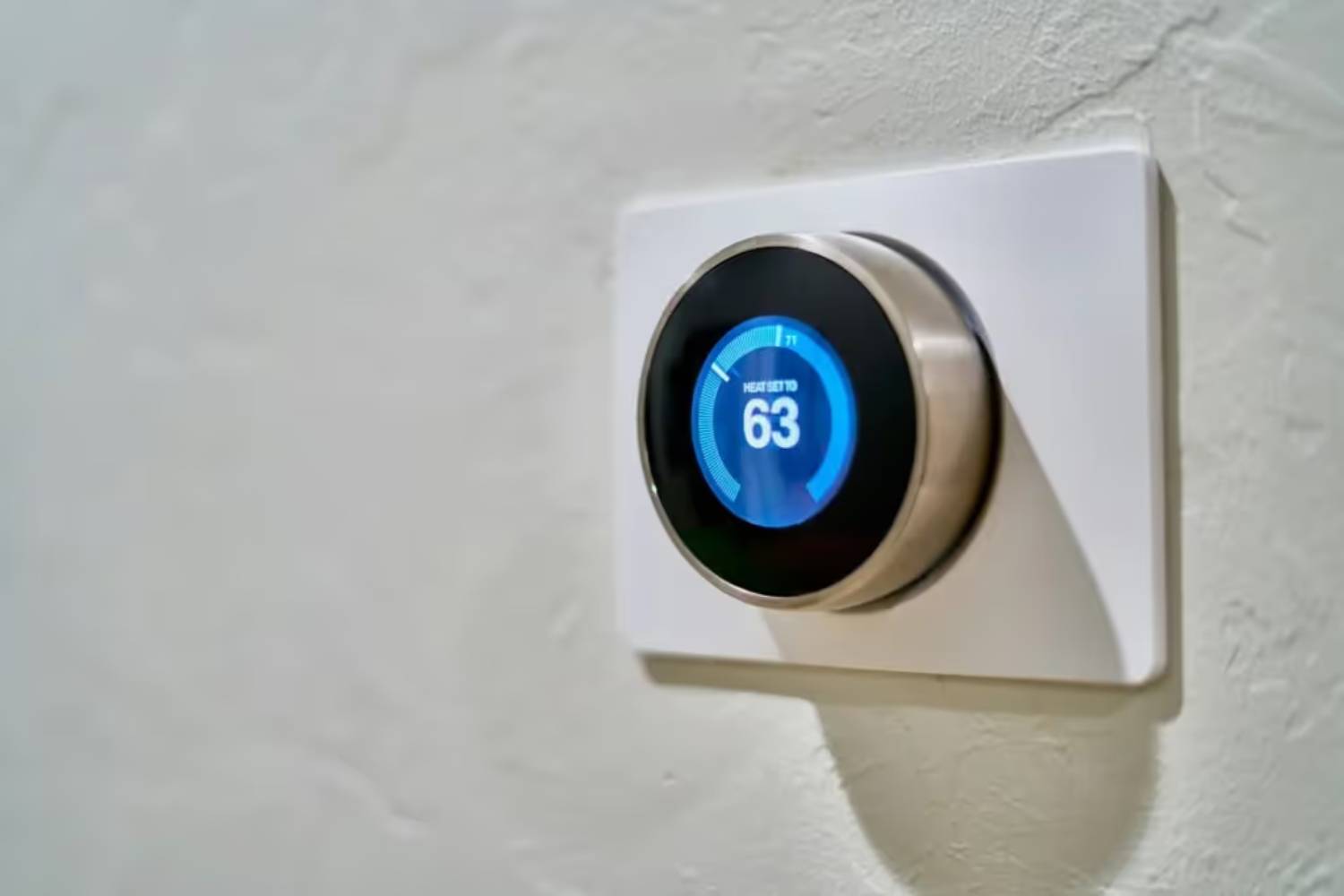
- Programmable and Smart Thermostats: These advanced thermostats offer far more than simple temperature control. Programmable models allow you to set specific temperature schedules based on occupancy, ensuring energy isn’t wasted heating or cooling an empty building. Smart thermostats take this a step further, learning your preferences, integrating with building management systems, and often offering remote control capabilities via smartphone apps. This allows for dynamic adjustments in response to unexpected weather changes or occupancy shifts, optimizing energy use.
- Variable-Speed Technology: Traditional HVAC systems often operate at a single speed (on or off), leading to inefficient cycling and less precise temperature control. Variable-speed compressors and blower motors, however, can adjust their output to precisely match the building’s heating or cooling needs. This allows for longer, gentler run times, which are far more effective at removing humidity, maintaining consistent temperatures, and significantly reducing energy consumption. They also operate much more quietly and put less stress on components.
- Zoned HVAC Systems: For larger commercial spaces or buildings with diverse occupancy patterns, a zoned HVAC system can be a game-changer. This allows different areas or “zones” of the building to be heated or cooled independently, based on their specific needs. Instead of conditioning the entire building to one temperature, you can optimize comfort and energy use in individual offices, conference rooms, or retail areas.
These upgrades, when chosen wisely and installed by qualified professionals, represent a proactive approach to managing the demands of North Carolina’s climate, ensuring your commercial space remains comfortable, efficient, and cost-effective for years to come.
Frequently Asked Questions
How often should commercial cooling systems in North Carolina be serviced?
Given North Carolina’s demanding climate, we recommend a bi-annual service schedule for commercial HVAC systems. This typically involves a comprehensive spring tune-up to prepare the air conditioning for the hot, humid summer and a fall inspection to ensure the heating system is ready for winter’s cold snaps and temperature fluctuations. This proactive approach helps maintain efficiency, prevent unexpected breakdowns, and extend the lifespan of your equipment.
Why is humidity control critical for commercial facilities in NC?
Humidity control is critical in North Carolina due to our consistently high relative humidity, especially during warmer months. Beyond discomfort, excessive indoor humidity significantly increases the latent cooling load on your HVAC system, making it work harder and consume more energy. More importantly, high humidity creates an ideal environment for mold and mildew growth, which can compromise indoor air quality, potentially leading to respiratory issues for occupants, and can even cause structural damage to the building. Proper humidity management helps maintain healthy indoor air quality standards and protects your facility.
What thermostat settings optimize commercial cooling efficiency?
For optimal commercial cooling efficiency in North Carolina, we recommend setting your thermostat to 78°F during occupational hours. This temperature provides a balance between comfort and energy savings. Additionally, implementing setback schedules during non-business hours, such as evenings and weekends, can yield significant energy savings. Automated thermal zoning, where different areas of the building are controlled independently, further optimizes efficiency by only conditioning occupied spaces to their specific needs.
Conclusion
North Carolina’s dynamic climate, with its intense summer heat and humidity, unpredictable winter cold snaps, and frequent seasonal temperature swings, places extraordinary demands on commercial HVAC systems. Understanding these unique challenges is the first step toward ensuring your facility remains comfortable, energy-efficient, and operational year-round.
By embracing proactive maintenance, such as regular filter changes, seasonal tune-ups, and professional inspections, businesses can significantly mitigate the climate’s impact. These measures not only extend the lifespan of valuable equipment but also translate into tangible savings on energy bills. Furthermore, strategic upgrades like dedicated dehumidifiers, smart thermostats, and variable-speed systems offer advanced solutions to enhance performance and adaptability.
Investing in your commercial HVAC system’s resilience against North Carolina’s climate is an investment in your business’s long-term operational efficiency and the well-being of your occupants. Prioritizing these proactive steps ensures your commercial air conditioning and heating systems are not just reacting to the weather, but are intelligently adapting to keep your business running smoothly and comfortably, regardless of what the North Carolina forecast brings.