Essential Guide to Residential Plumbing and HVAC Systems
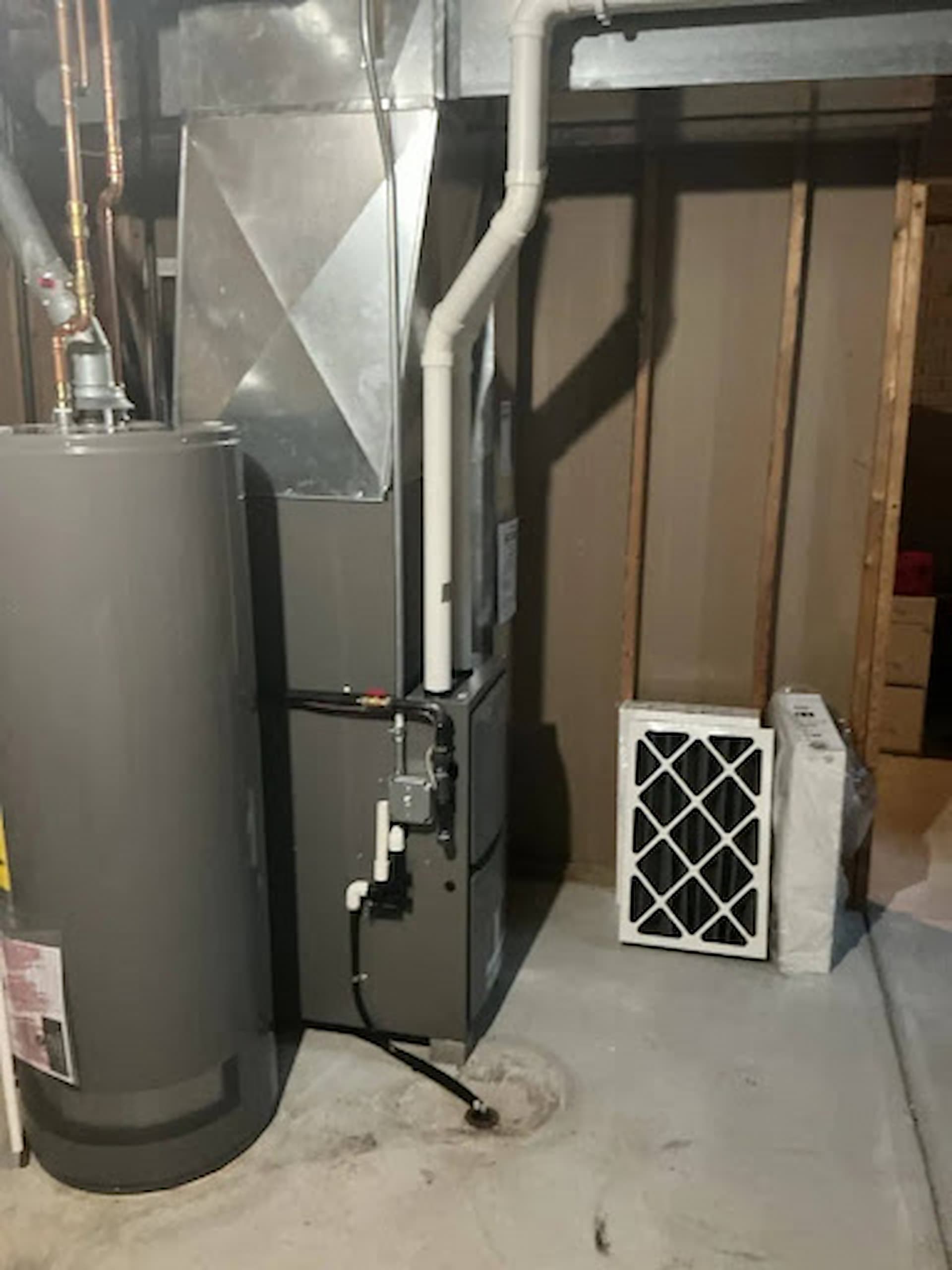
Imagine a home where comfort is constant, utility bills are manageable, and unexpected breakdowns are rare. This ideal isn’t just a dream; it’s the tangible result of well-maintained residential plumbing and HVAC systems. These vital components silently work day and night, ensuring everything from fresh, comfortable air to reliable hot water and efficient waste removal.
Neglecting these essential systems can lead to significant problems. Think costly repairs, wasted energy, and uncomfortable living spaces. Understanding the intricacies of your home’s residential plumbing and HVAC is key to long-term comfort and savings.
In this extensive guide, we will empower you with the knowledge to protect these crucial investments. We’ll explore common issues, outline essential maintenance schedules, and help you recognize when professional service is absolutely necessary. We will also dive into the clear benefits of expert care and the latest technologies designed to enhance your home’s overall comfort and efficiency.
Our homes rely heavily on two critical, interconnected systems: plumbing and HVAC. The plumbing system is responsible for delivering fresh water to our faucets, showers, and appliances, as well as efficiently removing wastewater and sewage. This intricate network includes pipes, drains, water heaters, and fixtures, all working to maintain hygiene and convenience. Meanwhile, the HVAC (Heating, Ventilation, and Air Conditioning) system regulates our indoor climate, providing heating in winter, cooling in summer, and managing air quality year-round. Together, these systems are fundamental to our home’s integrity, comfort, and safety.
Proactive care for both plumbing and HVAC systems is not just about avoiding immediate breakdowns; it’s about ensuring their long-term health, optimizing energy efficiency, and ultimately reducing utility costs. When these systems operate at peak performance, they consume less energy, translate into lower monthly bills, and contribute to a more sustainable household. Neglecting them, however, can lead to a cascade of problems, from minor inconveniences to significant structural damage and costly emergency repairs.
Seasonal Maintenance for Residential Plumbing and HVAC Systems
The changing seasons in August 2026 bring unique challenges and considerations for our home’s mechanical systems. Adapting our maintenance routines to these seasonal shifts is crucial for preventing issues and ensuring year-round comfort.
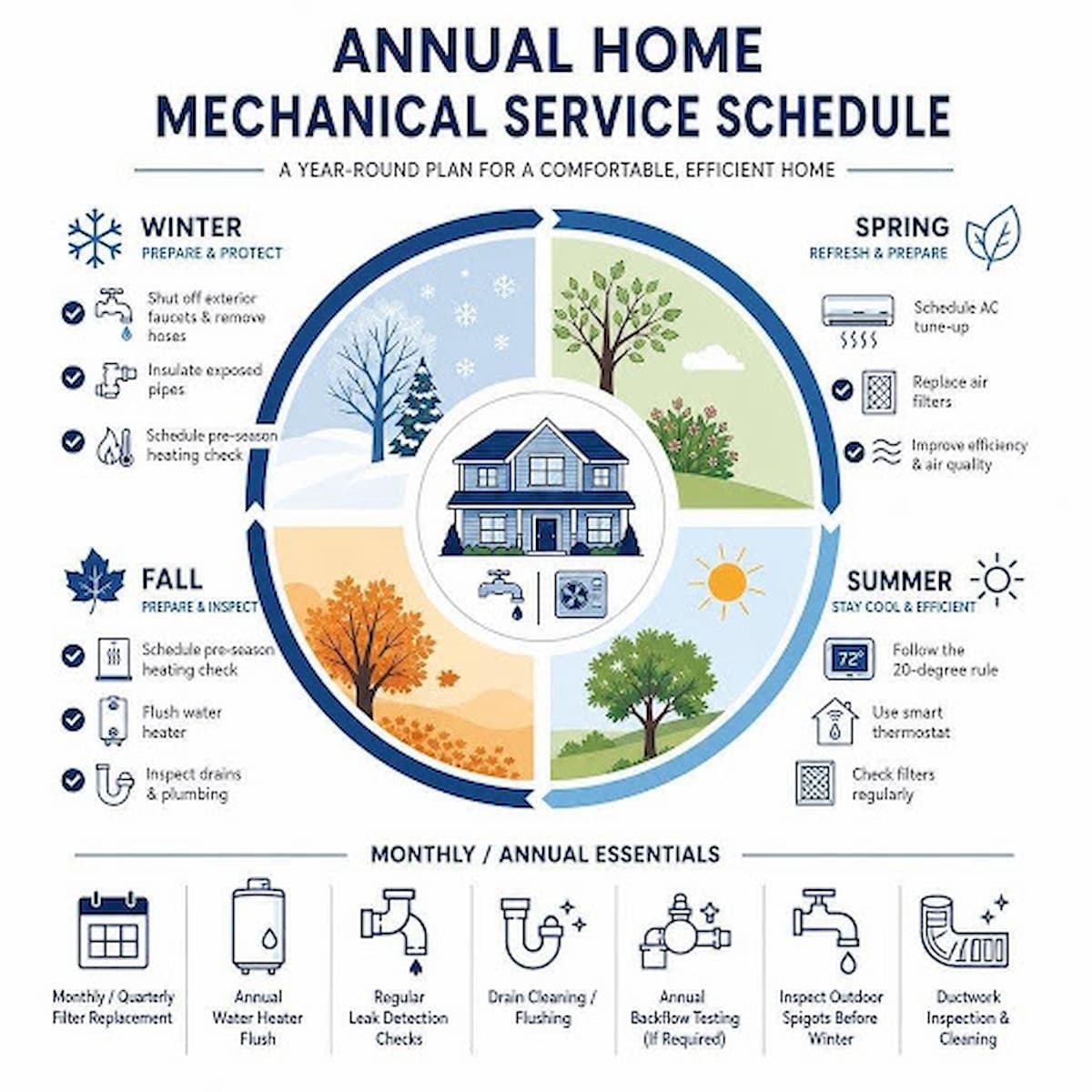
As winter approaches, freeze protection becomes paramount for plumbing. Homeowners should always turn off exterior faucets and remove any attached hoses or sprinkler timers before cold weather sets in. This simple step prevents water from freezing and expanding in the pipes, which can lead to burst lines and extensive water damage. Insulating exposed pipes in unheated areas like basements or crawl spaces also adds a vital layer of defense against freezing temperatures. For heating systems, a pre-season furnace check ensures it’s ready to handle the cold, preventing breakdowns when we need warmth the most.
Spring, on the other hand, signals the time for air conditioning tune-ups. After months of dormancy, our AC units need attention to prepare for the summer heat. This essential maintenance boosts system efficiency, improves indoor air quality by clearing accumulated dust, and significantly helps prevent costly, unexpected breakdowns during peak summer months.
During the height of summer, managing air conditioning efficiency is key. A valuable guideline, often referred to as the “20-degree rule,” suggests that an AC unit should not be set more than 20 degrees lower than the outdoor temperature. Exceeding this difference can unnecessarily strain the compressor, leading to higher energy consumption and increased wear and tear. Smart thermostat usage can help manage temperature settings, reducing compressor stress and optimizing energy use.
Fall is an ideal time for preparing heating systems for the cooler months and addressing any lingering summer plumbing issues. This can involve checking water heaters for sediment buildup, inspecting drainage systems, and ensuring proper ventilation. By taking these seasonal preventive steps, we can significantly extend the lifespan of our systems and maintain a comfortable home environment.
Recommended Maintenance Schedule and Frequency
Establishing a consistent maintenance schedule is the cornerstone of responsible homeownership. While specific needs can vary, a general guideline helps ensure both your plumbing and HVAC systems remain in top condition.
For HVAC systems, annual tune-ups are strongly recommended. This typically involves a pre-season check for your heating system in the fall and another for your cooling system in the spring. During these visits, technicians perform professional cleaning, adjustments, and safety inspections to maintain peak performance and efficiency. Regular HVAC maintenance is proven to reduce the risk of unexpected breakdowns and extend the life of your system, ultimately saving you money in the long run. Air filters, a crucial component of HVAC efficiency and indoor air quality, should be checked monthly and replaced every 1-3 months, depending on usage and household factors like pets or allergies.
Plumbing systems also benefit from annual attention. A yearly water heater flush can prevent sediment buildup, which improves efficiency and prolongs the unit’s life. Regular leak detection checks, either by a professional or a vigilant homeowner, can catch small issues before they escalate into major problems, avoiding structural property damage and excessive utility bills. For homes with specific water quality concerns, certified backflow inspections are critical for ensuring residential water supply safety and regulatory compliance, typically performed annually.
Here’s a comprehensive list of essential preventative maintenance tasks:
- Annual HVAC Tune-Ups: Spring for AC, Fall for heating.
- Monthly/Quarterly Filter Replacement: For HVAC systems.
- Annual Water Heater Flush: To remove sediment.
- Regular Leak Detection Checks: For pipes, faucets, and toilets.
- Drain Cleaning/Flushing: To prevent clogs, especially in high-use areas.
- Backflow Testing: Where required by local codes for water safety.
- Inspecting Outdoor Spigots: Before winter, ensure they’re shut off and drained.
- Ductwork Inspection and Cleaning: Periodically to maintain air quality and efficiency.
Adhering to this schedule helps ensure that your systems are running efficiently, safely, and reliably, preventing minor issues from becoming major headaches.
Common Household Mechanical Issues and Diagnostic Indicators
Even with diligent maintenance, plumbing and HVAC systems can encounter issues. Recognizing the early warning signs is crucial for prompt intervention, minimizing damage, and controlling repair costs.
In plumbing, some of the most common problems include clogged drains, which manifest as slow drainage, gurgling sounds, or foul odors emanating from sinks or showers. Line leaks, often hidden behind walls or under floors, can be indicated by unexplained water stains on ceilings or walls, damp spots, or a sudden, uncharacteristic spike in your water bill. Low water pressure throughout the house or in specific fixtures can signal pipe corrosion or other underlying issues. Water heater problems might present as a complete lack of hot water, lukewarm water, strange rumbling noises, or a metallic smell.
For HVAC systems, common complaints include low airflow from vents, indicating dirty filters, blocked ducts, or a failing blower motor. Inconsistent temperatures across different rooms suggest issues with zoning, ductwork, or system capacity. Strange noises, such as clanking, hissing, or grinding, are never normal and often point to mechanical failures within the furnace or air conditioner. Unusual odors, whether musty (indicating mold) or burning (suggesting electrical issues), demand immediate attention. Finally, a system that cycles on and off too frequently (short-cycling) or fails to turn on at all are clear indicators of a malfunction.
Identifying When Professional Services Are Required
While some minor issues might be amenable to DIY fixes, knowing when to call a professional plumbing or HVAC service is vital. Ignoring serious indicators can lead to exacerbated problems, greater expense, and potential safety hazards.
You should consider professional plumbing intervention for:
- Persistent Clogs: If a plunger or basic drain cleaner doesn’t resolve a clog, or if multiple drains are slow, it often indicates a deeper blockage in the main sewer line.
- Significant Water Leaks: Any active leak, especially from a burst pipe, requires immediate professional attention to prevent extensive water damage. Even small, persistent drips can lead to mold growth and structural issues over time.
- Sewer Odors: A strong, persistent sewer smell in your home can indicate a serious problem with your sewer line or vent pipes, potentially posing health risks.
- No Hot Water: While a tripped breaker might be a simple fix, a persistent lack of hot water, especially with a gas water heater, warrants a professional inspection due to potential safety concerns.
For HVAC systems, call in the experts when you experience:
- Complete System Failure: If your furnace or AC simply won’t turn on, particularly during extreme weather, professional diagnosis is essential.
- No Heating or Cooling: When the system runs but fails to adequately heat or cool your home, it’s a sign of a significant operational problem.
- Strange Burning Smells or Electrical Issues: Any burning smell from your HVAC unit, or visible sparks, indicates an electrical fault that could be a fire hazard.
- Refrigerant Leaks: Hissing sounds or ice buildup on your AC unit can signal a refrigerant leak, which requires a certified technician to repair.
- Excessive Noise: Loud banging, grinding, or screeching from your HVAC unit usually points to a failing component that needs immediate repair.
Early detection and prompt professional intervention are key. Fix household leaks immediately to avoid structural property damage and excessive utility bills. For significant issues, contacting a professional service ensures the problem is diagnosed and resolved correctly and safely.
Evaluating Repair Versus Replacement Options
One of the most challenging decisions homeowners face is whether to repair a failing plumbing or HVAC component or invest in a complete replacement. This choice often boils down to a careful evaluation of several factors.
Key Considerations:
- System Age: HVAC systems typically last 10-15 years, while water heaters have a lifespan of 8-12 years. If your system is nearing or past its expected lifespan and experiencing frequent issues, replacement often makes more economic sense. For example, a new air conditioner can save as much as one half of what your existing unit costs to operate, especially if your old unit is over a decade old. Modern high-efficiency cooling systems operate up to 50% cheaper than older legacy models.
- Frequency and Cost of Repairs: If you’re facing recurring breakdowns and the cost of repairs is accumulating, it might be a “money pit” scenario. When the repair cost approaches 50% of the cost of a new system, replacement is usually the wiser choice.
- Energy Efficiency: Older systems are significantly less energy-efficient than modern units. Current HVAC systems boast higher SEER2 (Seasonal Energy Efficiency Ratio 2) ratings for cooling and AFUE (Annual Fuel Utilization Efficiency) ratings for heating. Upgrading to a high-efficiency model can lead to substantial long-term savings on utility bills.
- Comfort Levels: If your current system struggles to maintain consistent temperatures, has poor airflow, or fails to adequately dehumidify, a new, properly sized system can drastically improve your home’s comfort.
- Future Plans: If you plan to stay in your home for many years, investing in a new, efficient system will pay dividends in comfort and savings. If you’re planning to move soon, a repair might be more practical, though a new system can also be a selling point.
Balancing immediate repair costs against the long-term benefits of enhanced efficiency, reliability, and comfort from a new system is crucial. Many companies offer financing options, sometimes with 0% APR for several months, to make new installations more accessible.
Advantages of Hiring Licensed and Insured Service Technicians
When facing plumbing or HVAC issues, the temptation to opt for the cheapest or quickest fix can be strong. However, investing in licensed and insured service technicians offers invaluable benefits that safeguard your home, finances, and peace of mind.
Expertise and Professionalism: Licensed technicians undergo rigorous training and certification processes, ensuring they possess the in-depth knowledge required to diagnose and repair complex systems accurately. For HVAC, this often means North American Technician Excellence (NATE) certification, a recognized standard for excellence in the industry. These professionals adhere to up-to-date industry standards and utilize modern equipment, leading to higher quality outcomes.
Safety and Code Compliance: Plumbing and HVAC work involves potential hazards like gas lines, high voltage electricity, and water pressure. Licensed contractors are trained to handle these safely and ensure all work complies with local building codes and regulations. This is crucial for your home’s safety and can prevent issues during home inspections if you ever sell your property.
Liability Protection: An insured company protects you from liability should an accident occur on your property, or if a technician sustains an injury during the job. Without proper insurance, you could be held financially responsible for damages or medical costs.
Specialized Equipment and Advanced Diagnostics: Reputable companies invest in advanced diagnostic tools and specialized equipment that most homeowners don’t have. This allows for precise troubleshooting, such as utilizing advanced leak detection technology rather than waiting for visible water damage, or employing sewer cameras to identify blockages without invasive excavation.
Guarantees and Warranties: Professional companies typically stand behind their work with warranties on parts and labor. This provides an assurance that if a problem reoccurs, they will address it without additional cost, offering significant peace of mind. Many even offer 100 percent satisfaction guarantees.
For comprehensive and reliable home care, choosing a provider of expert residential plumbing and HVAC services is a decision that pays off in the long run, ensuring your home’s systems are handled by qualified hands.
Criteria for Selecting a Reliable Service Provider
Choosing the right plumbing and HVAC service provider is a critical decision that impacts your home’s comfort, safety, and your wallet. With numerous options available, knowing what to look for can help you make an informed choice.
- Reputation and Customer Reviews: Start by researching online reviews and testimonials. Platforms like Google, Yelp, and the Better Business Bureau (BBB) offer insights into a company’s service quality. For instance, Pure Plumbing & Air holds an A+ rating with the Better Business Bureau, and Big Cat Plumbing, Heating & Cooling boasts over 1,550 reviews with a 4.9-star rating across Southern Colorado. Look for consistent positive feedback regarding professionalism, promptness, and problem resolution.
- Experience and Longevity: A company’s years in business often reflect its stability and expertise. Accurate Heating, Cooling & Plumbing, for example, has been serving Central Ohio since 1977, accumulating over 45 years of experience. Harding Plumbing, Heating & Cooling has over 50 years of experience serving Henry County, GA, while DeLong Plumbing Heating and Cooling has been family owned and operated since 1991. Longevity suggests a track record of reliable service.
- Licensing, Insurance, and Certifications: Always verify that the company and its technicians are fully licensed and insured. This protects you from liability and ensures compliance with local regulations. Look for certifications like NATE (North American Technician Excellence) for HVAC technicians, which signifies a high level of technical proficiency.
- Transparency in Pricing: A reputable company will provide clear, upfront pricing before beginning any work. Be wary of providers who offer vague estimates or pressure you into immediate decisions without a detailed breakdown of costs. Some companies, like Big Cat, pride themselves on straightforward upfront pricing without pressure or upselling.
- Availability and Emergency Services: Mechanical failures don’t always happen during business hours. Many top providers offer 24/7 emergency services, including weekends and holidays, ensuring you can get help when you need it most. DeLong Plumbing, Heating and Cooling, for example, highlights its 24/7 availability with over 50 technicians.
- Warranties and Guarantees: Inquire about warranties on parts and labor, as well as any satisfaction guarantees. A company that stands behind its work offers greater peace of mind.
- Maintenance Plans and Membership Programs: Many companies offer service membership plans that include routine inspections, discounts on repairs, and sometimes waived after-hours fees. These can be a great way to ensure consistent care and save money long-term.
By considering these criteria, you can confidently select a reliable service provider who will ensure your home’s plumbing and HVAC systems are in capable hands.
Upgrading Modern Residential Plumbing and HVAC Technologies
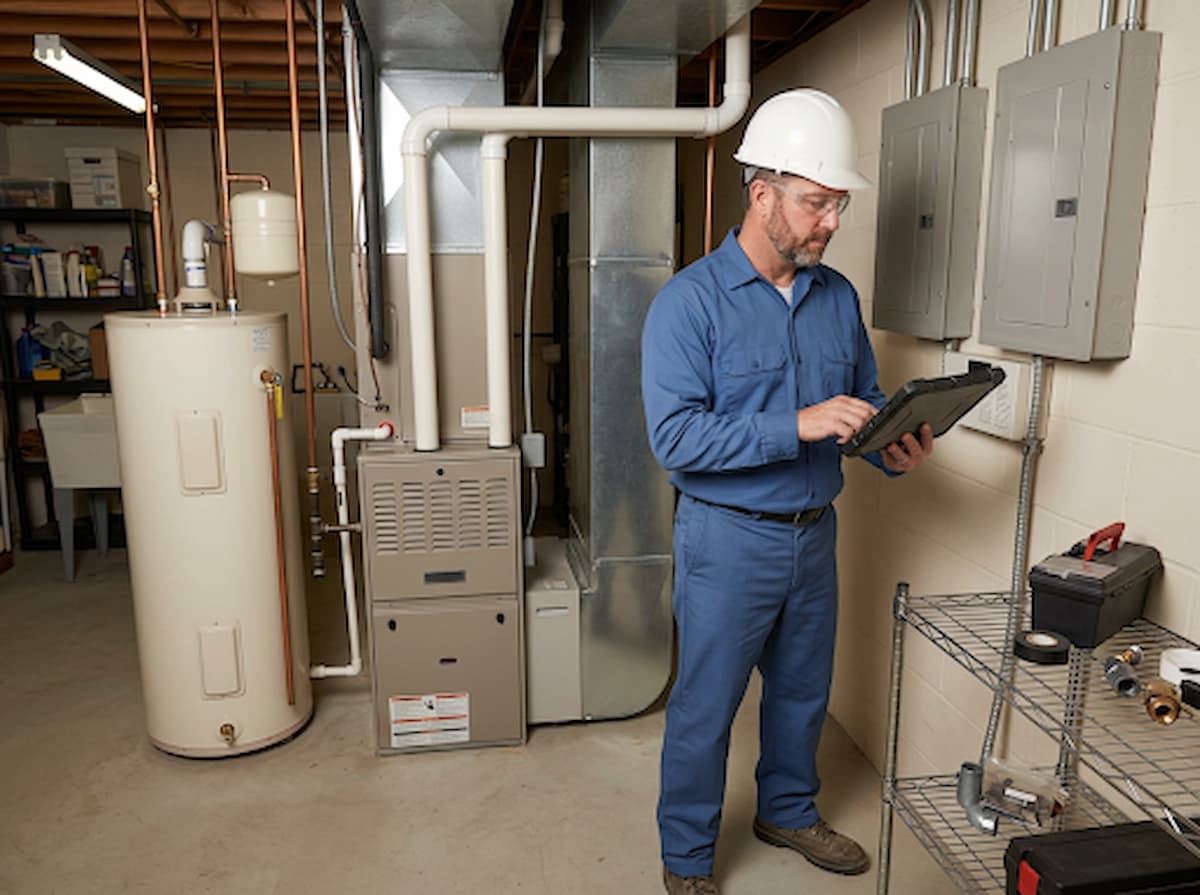
The residential plumbing and HVAC landscape is constantly evolving, with new technologies emerging to enhance home comfort, improve efficiency, and reduce environmental impact. Investing in these modern solutions can significantly upgrade your living experience.
In HVAC, smart thermostats have become standard, offering programmable schedules, remote control via smartphone apps, and even learning capabilities that adapt to your preferences. Variable-speed HVAC systems provide more consistent temperatures and better humidity control by adjusting their output rather than simply cycling on and off. Heat pumps are gaining popularity as highly energy-efficient alternatives for both heating and cooling, drawing heat from the air or ground. Ductless mini-split systems offer room-specific temperature zoning, allowing you to heat or cool individual areas, which helps reduce overall energy costs by not conditioning unused spaces. Advanced air purifiers and filtration systems are also improving indoor air quality, removing allergens, pollutants, and even viruses.
For plumbing, tankless water heaters are a significant upgrade, providing on-demand hot water without the need for a storage tank. This not only saves energy but also ensures you never run out of hot water. Smart leak detectors can monitor water usage and alert you to potential leaks, preventing costly water damage. Low-flow fixtures for faucets, showers, and toilets conserve water without sacrificing performance. Furthermore, for homeowners facing sewer line issues, trenchless sewer lining offers a less invasive and often more cost-effective repair method than traditional excavation, allowing pipes to be repaired or replaced without digging up your yard.
These innovations represent a shift towards more intelligent, efficient, and environmentally friendly home systems, offering greater control and comfort for homeowners in August 2026.
Energy Efficiency and Cost Reduction Strategies
One of the most compelling reasons to upgrade or diligently maintain your plumbing and HVAC systems is the potential for significant energy efficiency gains and subsequent cost reductions. In an era of rising utility costs, every watt and every gallon saved contributes to your household budget.
HVAC Efficiency Strategies:
- Upgrade to High-Efficiency Systems: As mentioned, new air conditioners can save up to half of what older units cost to operate. Look for systems with high SEER2 ratings for cooling and AFUE ratings for heating.
- Proper System Sizing: An HVAC system that is too large or too small for your home will operate inefficiently. A professional can perform an energy audit to ensure your system is perfectly matched to your home’s needs.
- Smart Thermostats: These devices optimize heating and cooling schedules, often learning your habits and adjusting temperatures automatically, preventing unnecessary energy consumption.
- Regular Maintenance: Annual tune-ups reduce operating friction, ensuring your system runs at peak efficiency. This directly translates to lower monthly bills and extends the equipment’s life, minimizing major repairs.
- Duct Sealing and Insulation: Leaky or poorly insulated ductwork can waste a significant amount of conditioned air. Sealing and insulating ducts can drastically improve efficiency.
- Energy Audits and Rebates: Many utility companies and government programs offer rebates or incentives for upgrading to energy-efficient equipment. Explore these options to offset initial investment costs.
Plumbing Efficiency Strategies:
- Tankless Water Heaters: By heating water only when needed, these units eliminate standby heat loss associated with traditional tanks, leading to substantial energy savings.
- Prompt Leak Repair: Even a small drip can waste hundreds of gallons of water annually. Fixing household leaks immediately avoids excessive utility bills and prevents water damage.
- Low-Flow Fixtures: Installing low-flow showerheads, faucets, and toilets significantly reduces water consumption without compromising performance.
- Water Treatment Systems: While primarily for water quality, certain systems can prevent mineral buildup in pipes and appliances, extending their lifespan and maintaining efficiency.
By implementing these strategies, homeowners can not only enjoy a more comfortable living environment but also realize substantial long-term savings on their energy and water bills.
Emergency Response Protocols and Urgent Service Needs
Despite our best efforts at maintenance, emergencies can strike our plumbing and HVAC systems without warning. Knowing what constitutes an emergency and when to call for immediate professional help is crucial for mitigating damage and ensuring safety.
What Qualifies as an Emergency?
- Burst Pipes or Major Leaks: A sudden, uncontrolled gush of water can cause extensive damage to your home’s structure, flooring, and belongings in a matter of minutes.
- No Heat in Winter: In colder climates, a heating system failure during freezing temperatures can pose health risks, especially for vulnerable individuals.
- No AC in Extreme Summer Heat: Similarly, a cooling system failure during a heatwave can lead to heatstroke and other health emergencies.
- Gas Leaks: A distinct sulfur or rotten egg smell indicates a potentially dangerous gas leak, which requires immediate attention from your utility company and a qualified professional.
- Sewer Backups: Raw sewage backing up into your home is a major health hazard and can cause significant property damage.
- Electrical Issues with HVAC: Any visible sparks, burning smells, or continuous tripping of circuit breakers related to your HVAC system could indicate a serious electrical fault.
Many reputable plumbing and HVAC companies offer 24/7 emergency services, recognizing that these critical situations don’t adhere to business hours. For instance, DeLong Plumbing Heating and Cooling, Pure Plumbing & Air, and Hartmann’s Plumbing Heating & A/C all emphasize their 24/7 availability for urgent issues like burst pipes, backed-up sewers, and broken AC systems. When such a situation arises, prompt action can mean the difference between a minor inconvenience and a catastrophic event.
Protective Steps During Sudden System Failures
While waiting for professional help to arrive during an emergency, homeowners can take several immediate protective steps to minimize damage and ensure safety.
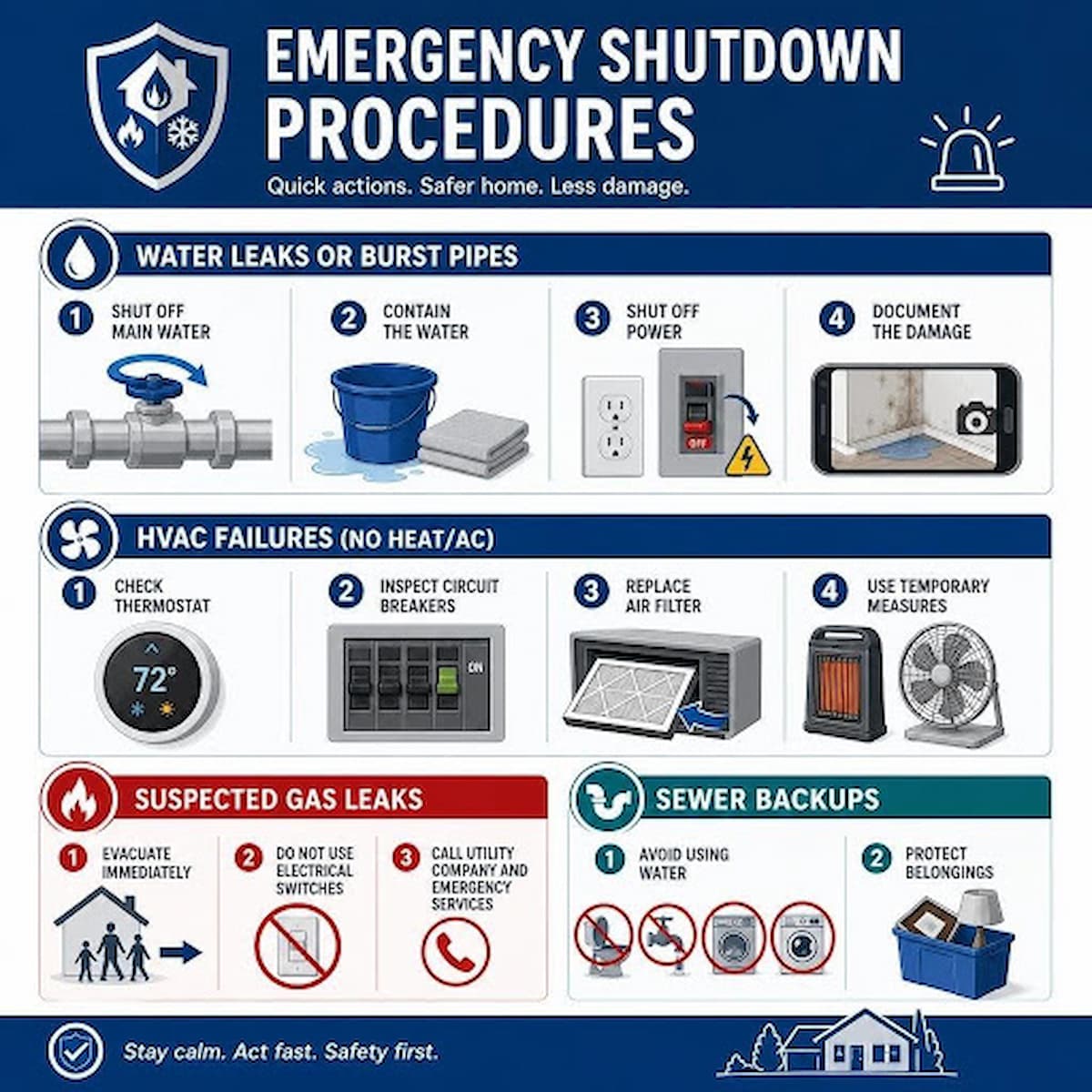
For Water Leaks or Burst Pipes:
- Locate and Turn Off the Main Water Supply: This is the most critical first step. Know where your main water shutoff valve is located (often in the basement, utility room, or outside near the meter) and how to operate it.
- Contain the Water: Use buckets, towels, or wet/dry vacuums to collect and remove as much water as possible to prevent further damage to floors, walls, and furniture.
- Shut Off Power: If the leak is near electrical outlets or appliances, turn off the power to the affected area at your circuit breaker to prevent electrical hazards.
- Document the Damage: Take photos or videos for insurance purposes.
For HVAC Failures (No Heat/AC):
- Check Thermostat Settings: Ensure it’s set to the correct mode (heat/cool) and temperature.
- Inspect Circuit Breakers: A tripped breaker can often be the culprit. Reset it carefully.
- Replace Air Filter: A clogged filter can severely restrict airflow and cause system shutdown.
- Consider Temporary Measures: Use space heaters (safely and sparingly) or fans to maintain some level of comfort while awaiting repairs.
For Suspected Gas Leaks:
- Evacuate Immediately: Get everyone out of the house.
- Do NOT Use Electrical Switches: Avoid turning lights on or off, using phones, or anything that could create a spark.
- Call Utility Company and Emergency Services: From a safe distance, contact your gas provider and 911.
For Sewer Backups:
- Avoid Using Water: Do not flush toilets, run faucets, or use dishwashers or washing machines, as this will only exacerbate the backup.
- Protect Belongings: Move items away from affected areas if possible.
Knowing these emergency shutdown procedures and protective steps can significantly reduce the impact of a system failure and ensure your family’s safety until professional help arrives.
Frequently Asked Questions
We understand that homeowners often have similar questions regarding their plumbing and HVAC systems. Here, we address some of the most common inquiries.
What are the most common signs that home plumbing or climate systems need repair?
For plumbing, common signs include persistent slow drains, gurgling sounds from pipes, foul odors from drains, unexplained water stains on ceilings or walls, dripping sounds, a sudden spike in your water bill, low water pressure, or a complete lack of hot water. For HVAC, look out for reduced airflow from vents, inconsistent temperatures throughout your home, strange noises (like banging, hissing, or grinding), unusual burning or musty odors, or your system cycling on and off too frequently (short-cycling) or failing to turn on at all.
How often should home plumbing and climate systems be professionally maintained?
We recommend professional maintenance at least annually for both your plumbing and HVAC systems. For HVAC, this typically means a spring tune-up for your air conditioning unit and a fall tune-up for your heating system. Some experts suggest bi-annual comprehensive HVAC checks for optimal performance. For plumbing, an annual check-up should include water heater flushing, leak detection, and drain inspections to prevent costly issues. Regular filter replacement for your HVAC system (every 1-3 months) is also crucial.
How does regular maintenance improve energy efficiency and save money?
Regular maintenance is key to improving energy efficiency and saving money in several ways. For HVAC systems, tune-ups ensure components are clean, lubricated, and properly calibrated, reducing operating friction and allowing the system to run more efficiently. This directly translates to lower monthly energy bills. For plumbing, maintenance like water heater flushing prevents sediment buildup, which otherwise forces the unit to work harder and consume more energy. By identifying and fixing small issues early, maintenance prevents minor problems from escalating into major, costly repairs or premature system replacements. Well-maintained systems operate more effectively, consume less energy, and enjoy an extended lifespan, maximizing your investment.
Conclusion
Maintaining your home’s residential plumbing and HVAC systems is far more than a chore; it’s a strategic investment in comfort, safety, and financial well-being. From understanding the nuances of seasonal care to recognizing the subtle indicators of a looming problem, proactive engagement with these essential systems empowers you as a homeowner.
We’ve explored the critical role of regular maintenance in preserving system integrity, enhancing energy efficiency, and reducing utility costs. We’ve also highlighted the invaluable advantages of partnering with licensed and insured professionals, whose expertise and specialized tools ensure that repairs and installations are performed safely and correctly. Furthermore, embracing modern technologies offers exciting opportunities to upgrade your home’s comfort and sustainability.
In August 2026, as homes continue to evolve, the principles of diligent maintenance and informed decision-making remain timeless. By adopting a proactive approach to your plumbing and HVAC systems, you’re not just preventing breakdowns; you’re protecting a significant asset, ensuring structural safety, and securing a consistently comfortable living environment for years to come.